Is Christmas Cactus Toxic to Cats? Holiday Safety
By Dr. Zubair Khalid, DVM, MS, PhD ·
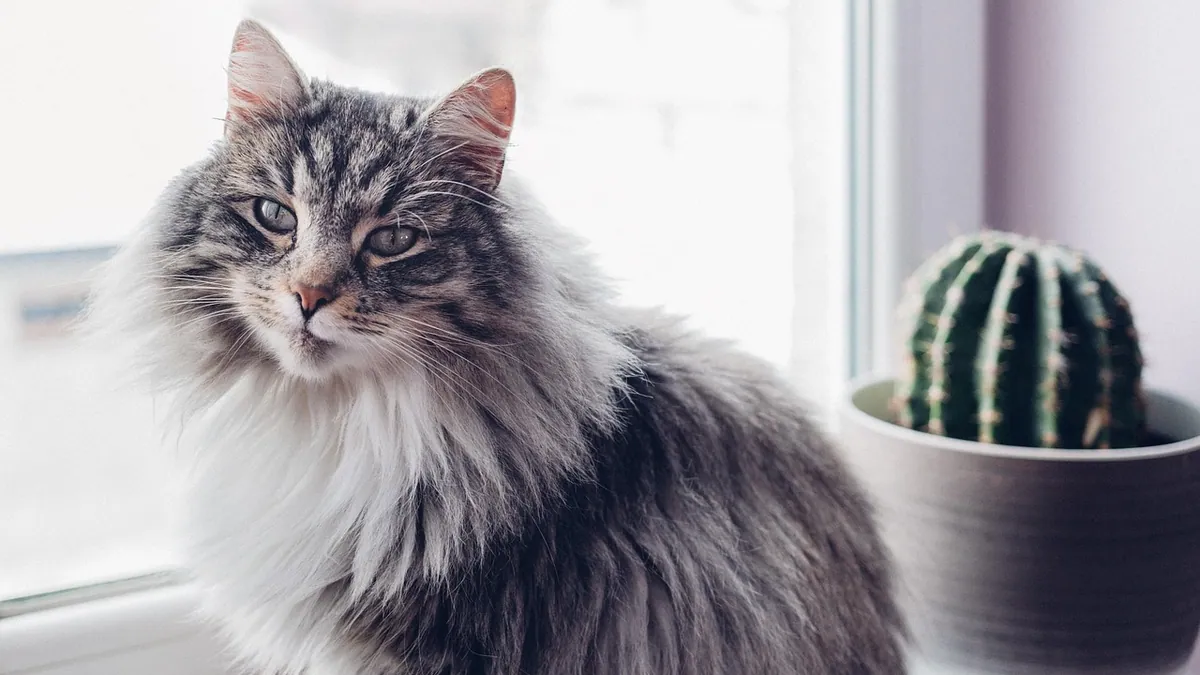
Is Christmas cactus toxic to cats? The short answer is no. The Christmas cactus is listed as non-toxic to cats, dogs, and horses by the ASPCA Animal Poison Control Center [1]. That said, a cat who chews on any houseplant can still end up with an upset stomach, so a little prevention goes a long way.
This article is educational and is not a substitute for veterinary diagnosis or treatment.
Quick Answer
- Christmas cactus (Schlumbergera bridgesii) is classified as non-toxic to cats [1].
- Thanksgiving cactus, holiday cactus, and Easter cactus belong to the same group of holiday cacti and share that non-toxic status [1].
- Eating the plant can still cause mild vomiting or diarrhea from the plant material itself, even without a toxin.
- If your cat ate a holiday cactus and seems fine, watch for stomach upset and call your veterinarian if signs appear.
- If your cat has severe or repeated vomiting, call the ASPCA Animal Poison Control Center at (888) 426-4435, Pet Poison Helpline at (855) 764-7661, or your veterinarian right away.
Is Christmas Cactus Toxic to Cats?
No. The ASPCA Animal Poison Control Center lists the Christmas cactus as non-toxic to cats, dogs, and horses [1]. The plant's scientific name is Schlumbergera bridgesii, and it belongs to the cactus family Cactaceae [1]. You may also see it sold as the holiday cactus, and the ASPCA record lists Easter cactus as another common name for the same entry [1].
This matters because holiday cacti are some of the most common plants brought into homes between November and April. If you have a cat who investigates every new leaf, you can relax a little about this particular plant.
Which Parts of the Plant Are Involved?
The whole plant is considered non-toxic, including the flattened green stem segments that people often call leaves, the flowers, and the buds [1]. There is no known toxic principle in the Christmas cactus that harms cats [1].
What About Thanksgiving Cactus and Easter Cactus?
Owners often ask is thanksgiving cactus toxic to cats, is holiday cactus toxic to cats, and is easter cactus toxic to cats. These names get used interchangeably in garden centers, and they all refer to closely related Schlumbergera type plants. The ASPCA entry for Christmas cactus lists Easter cactus as an additional common name and gives the plant a non-toxic rating for cats [1]. So the same reassurance applies across the holiday cactus group.
Are There Any Real Risks?
Yes, but they are mostly mechanical and digestive. A cat who nibbles a stem segment swallows tough plant fiber. That fiber can irritate the stomach and cause a mild upset. This is different from poisoning. It is the same kind of reaction a cat might have after eating grass or a houseplant leaf that is not toxic.
There is one more consideration worth knowing. A published report described an occupational allergy to Schlumbergera cacti in nursery workers who handled the plants closely every day [2]. Those workers developed skin and mucous membrane symptoms from repeated, intense contact, and testing suggested a true allergic response [2]. This does not mean your cat will become allergic to a Christmas cactus on the windowsill. It does mean that repeated close contact with the plant can trigger reactions in some individuals, so it is reasonable to keep the plant out of your cat's favorite resting spot.
What Is the Toxic Principle and What Does It Do?
There is no toxic principle in the Christmas cactus for cats [1]. That is the main reason it earns a non-toxic rating.
When a cat eats part of the plant, the effects come from the physical nature of the plant material. The stem segments are fibrous and slightly mucilaginous. Swallowing them can irritate the lining of the stomach and intestines, which may lead to a single episode of vomiting or a loose stool. In most cases the body moves the plant material through and the cat returns to normal.
Contrast this with plants that contain real toxins. Many common houseplants cause poisoning through glycosides, alkaloids, oxalates, saponins, or terpenes, and these can produce serious signs beyond simple stomach upset [3]. The Christmas cactus is not in that category [1]. If you want a broader picture of which houseplants are dangerous, our article on Plants Toxic To Cats walks through the major offenders.
Signs of Christmas Cactus Ingestion in Cats
Most cats who chew a holiday cactus show no signs at all. When signs do appear, they are usually mild and short lived.
Common Signs
- Vomiting, often a single episode
- Soft stool or mild diarrhea
- Drooling or lip smacking right after chewing
- Reduced appetite for a meal or two
- Mild lethargy
Timeline
Signs typically show up within a few hours of eating the plant. Because there is no toxin to absorb and process, most mild stomach upset settles within 12 to 24 hours. If your cat is still vomiting the next day, that is a reason to call your veterinarian.
Signs That Are Not Typical
Severe or bloody vomiting, repeated diarrhea, marked weakness, tremors, difficulty breathing, or collapse do not fit the expected picture for a non-toxic plant [1]. If you see any of these, treat it as a separate problem and seek care right away. A cat with these signs may have eaten something else, and there are many household items and plants that can cause serious illness [4][3]. Our guide on What Plants Can Be Toxic To Cats can help you sort out what else might be within reach.
What to Do Right Now
Stay calm. A Christmas cactus is not an emergency plant [1].
- Move the plant out of reach.
- Check your cat's mouth for any stem segments that might be stuck.
- Note the time and how much plant material seems to be missing.
- Offer water and let your cat rest.
- Watch for vomiting, diarrhea, or drooling over the next few hours.
If your cat has vomiting or diarrhea, or if you are unsure how much was eaten, call your veterinarian. You can also call the ASPCA Animal Poison Control Center at (888) 426-4435 or Pet Poison Helpline at (855) 764-7661. Both services can help you decide whether your cat needs to be seen.
Do not induce vomiting unless a veterinarian tells you to. Making a cat vomit when it is not necessary can cause harm, and it is never something to try at home on your own judgment.
Veterinary Treatment for Holiday Cactus Ingestion
In most cases, no specific treatment is needed. A veterinarian will ask what plant was involved, how much was eaten, and when. They will examine your cat and check hydration and gum color.
Supportive Care
If your cat has mild stomach upset, your veterinarian may recommend withholding food for a short period and then offering small, bland meals. They may also give fluids under the skin or into a vein if your cat is dehydrated from vomiting or diarrhea. Anti-nausea medication can help a cat who cannot keep food down. Your veterinarian will calculate any medication dose based on your cat's weight and health, so never give human medications on your own.
When More Testing Is Needed
If your cat's signs are severe or do not match a simple dietary upset, your veterinarian may recommend blood work, a fecal check, or imaging. This is not because the Christmas cactus is expected to cause those problems. It is because cats get into many things, and a thorough workup helps rule out other causes. Plant poisonings in cats are a real and documented problem worldwide, and many of the plants involved are common ornamentals [5][4]. A careful history and exam help your veterinarian separate a mild plant nibble from something more serious.
Decontamination
Because the Christmas cactus is non-toxic, decontamination steps like activated charcoal are not typically needed [1]. Your veterinarian will decide what, if anything, is appropriate for your cat.
Outlook After Eating a Holiday Cactus
The outlook is excellent. Most cats who eat a Christmas cactus have no signs or only mild, brief stomach upset, and they recover fully with simple supportive care. There is no toxin to cause organ damage, so there is no lasting effect from the plant itself [1].
The bigger picture matters here too. Plant poisonings in pets are common, and most reported exposures cause mild to moderate signs, but a small percentage are fatal [3]. That is why it is worth knowing which plants in your home are safe and which are not. If you are building a cat-friendly plant collection, our article on House Plants Toxic To Cat covers what to avoid, and Are Snake Plants Toxic To Cats answers a question many owners ask next.
Prevention and Safer Alternatives
Prevention is simple. Cats chew plants for many reasons, including boredom, curiosity, and the texture of the leaves.
- Place holiday cacti on a high shelf, in a hanging basket, or in a room your cat cannot enter.
- Offer cat grass or a cat-safe potted plant so your cat has something appropriate to chew.
- Use a citrus-scented deterrent on the pot rim if your cat keeps investigating.
- Keep the plant away from your cat's favorite window perch and sleeping spots.
- Check every new plant against a reliable list before you bring it home.
If you love the look of holiday cacti, you can enjoy them with confidence as long as your cat cannot make a meal of them. For a visual guide to plants that are truly dangerous, see House Plants Toxic To Cats Pictures.
Limitations and When to Contact a Veterinarian
This article covers the typical situation. Individual cases need a veterinarian who can examine your cat and ask questions about the whole picture.
Call your veterinarian the same day if your cat:
- Vomits more than once
- Has diarrhea that lasts more than a few hours
- Refuses food for more than one day
- Seems dull or less interactive than usual
Go to an emergency clinic now if your cat:
- Collapses or cannot stand
- Has trouble breathing
- Has a seizure or tremors
- Vomits blood or has bloody diarrhea
- Shows severe pain when you touch the belly
Schedule a routine visit if your cat keeps trying to eat plants, or if you want help cat-proofing your home. A veterinarian can also check for other reasons your cat might be chewing on plants, such as dental discomfort or a diet that needs adjusting.
Frequently Asked Questions
Is Thanksgiving cactus toxic to cats?
No, Thanksgiving cactus is part of the same holiday cactus group and shares the non-toxic rating for cats. The ASPCA lists Christmas cactus as non-toxic and includes Easter cactus as another common name for that entry. If your cat nibbles a Thanksgiving cactus, expect at most a mild stomach upset.
Is holiday cactus toxic to cats?
No, holiday cactus is a general name for the Schlumbergera type plants sold around the holidays, and these are considered non-toxic to cats. The plant material can still cause a little vomiting or loose stool if a cat eats a lot of it. That reaction comes from the fiber, not from a poison.
Is Easter cactus toxic to cats?
No, Easter cactus is listed as an additional common name on the ASPCA's non-toxic Christmas cactus record. It is not a plant that causes poisoning in cats. As with any houseplant, keep it out of reach if your cat likes to chew.
My cat ate a Christmas cactus leaf. Should I panic?
No, you do not need to panic. This plant is non-toxic to cats, so the main thing to watch for is mild stomach upset. Call your veterinarian if your cat starts vomiting, has diarrhea, or seems unwell.
Can a Christmas cactus make my cat throw up?
Yes, it can, even though it is non-toxic. The fibrous stem segments can irritate the stomach and cause a single episode of vomiting in some cats. If vomiting continues or your cat looks sick, contact your veterinarian.
Related Articles
- Are Snake Plants Toxic To Cats
- Plants Toxic To Cats
- What Plants Can Be Toxic To Cats
- House Plants Toxic To Cats Pictures
- House Plants Toxic To Cat
- What Plants Are Toxic To Cats Indoor
- Is Zygo Cactus Toxic to Cats? Holiday Cactus Safety
- Are Cactus Plants Toxic to Cats? Orchid, Coral, and More
- Are Christmas Trees Toxic to Cats and Dogs?
References
- Toxic and Non-toxic Plants: Christmas Cactus. ASPCA Animal Poison Control Center.
- Occupational type I allergy to Christmas cactus (Schlumbergera). Allergy, 1997.
- Plant poisoning in domestic animals: epidemiological data from an Italian survey (2000-2011). The Veterinary record, 2013.
- Indoor Companion Animal Poisoning by Plants in Europe. Frontiers in veterinary science, 2020.
- Potential plant poisonings in dogs and cats in southern Africa. Journal of the South African Veterinary Association, 2009.