Are Alcohol Markers Toxic to Cats? Risks and What to Do
By Dr. Zubair Khalid, DVM, MS, PhD ·
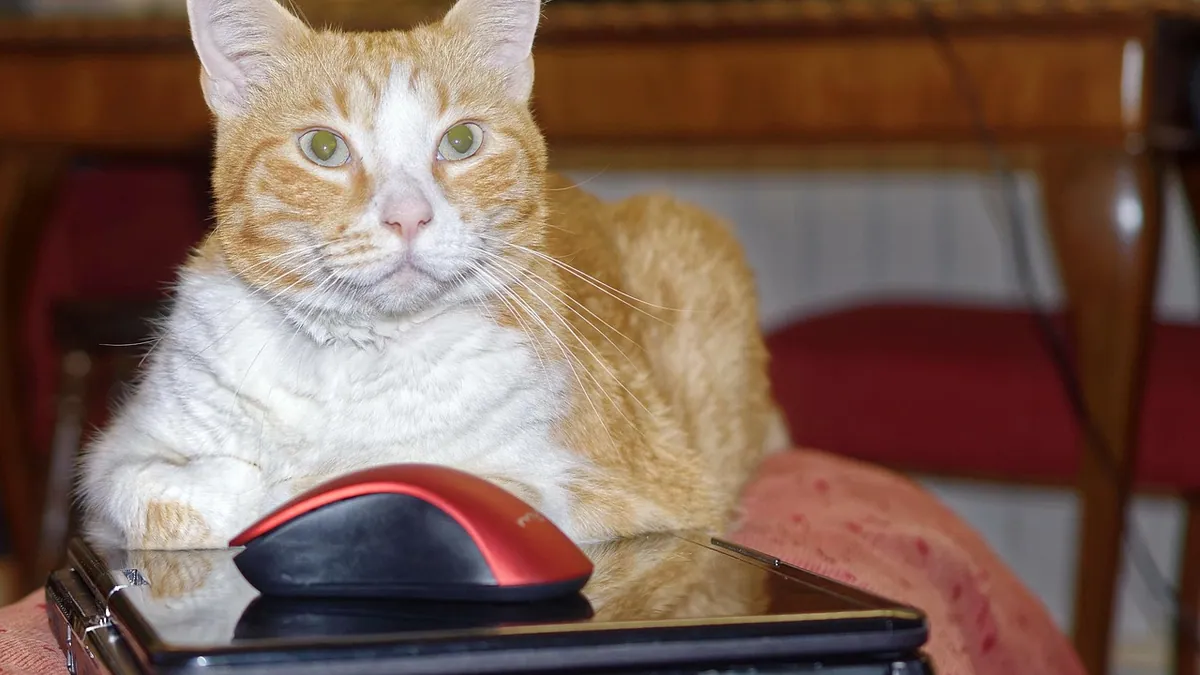
Yes, alcohol markers can be toxic to cats. The ink contains alcohol, and cats are far more sensitive to alcohol than people are because of their small body size and how quickly their bodies absorb it [1][2]. A quick sniff of a closed marker is unlikely to cause harm, but a chewed marker, spilled ink on fur, or a cat trapped in a small room with strong fumes can become a real emergency.
This article is educational and is not a substitute for veterinary diagnosis or treatment.
Quick Answer
- Alcohol markers contain alcohol, and even small amounts of alcohol can be dangerous or fatal for cats [1][3].
- The biggest risks are a cat chewing or puncturing a marker, licking ink off its fur or paws, or breathing concentrated fumes in a closed space.
- Signs of alcohol poisoning in cats include vomiting, stumbling, wobbling, shaking, drooling, lethargy, and collapse [1][3][2].
- If you suspect your cat swallowed ink or alcohol, call your veterinarian, the ASPCA Animal Poison Control Center at (888) 426-4435, or Pet Poison Helpline at (855) 764-7661 right away.
- Do not induce vomiting unless a veterinarian tells you to.
Are Alcohol Markers Toxic to Cats?
Alcohol markers are toxic to cats because of what is inside them. The ink in these markers is alcohol based, which is what makes them dry quickly and blend smoothly on paper. That same alcohol is a poison for your cat.
Cats are much smaller than humans, so their bodies absorb alcohol faster and at lower amounts [2]. Their liver does most of the work of breaking alcohol down, and it can be overwhelmed quickly [2]. What would be a harmless sip for you can be a serious dose for a cat [1].
The risk depends on how your cat is exposed. A closed marker sitting on a desk is not a problem. The trouble starts when a cat bites into a marker, punctures the tip, chews the cap, or walks through wet ink and then grooms its paws. Fumes matter too, especially in a small, closed room with many markers open at once.
Which Parts of a Marker Are Dangerous?
The ink is the main concern. It holds the alcohol, along with pigments and other chemicals. The felt tip and the ink reservoir inside the barrel hold the most liquid, so a marker that has been chewed open releases a concentrated amount.
The plastic barrel and cap are not toxic in the same way, but a swallowed piece can still cause a blockage or choking. If your cat bites off and swallows part of a marker, that is a separate emergency from the alcohol itself.
Are All Markers the Same?
No. Alcohol markers (often sold as permanent markers or art markers) are the ones that contain alcohol as the solvent. Water based markers, like most children's washable markers, use water instead and carry a much lower alcohol risk, though the ink and plastic can still upset a cat's stomach.
If you are not sure what type of marker your cat got into, treat it as a possible alcohol exposure and call for advice. Do not wait to see what happens.
The Toxic Principle and What It Does in the Body
The toxic ingredient in an alcohol marker is the alcohol itself. When a cat swallows ink or licks it off its fur, the alcohol is absorbed quickly into the bloodstream [2]. Because cats are small, that absorption happens faster and hits harder than it would in a person [2].
Once in the body, alcohol affects the brain and nervous system first. That is why a poisoned cat looks drunk or unsteady. Alcohol can also cause dangerous drops in blood sugar, blood pressure, and body temperature [2]. These drops can lead to weakness, collapse, and seizures.
The liver has to process the alcohol, and in a small cat that system can be overwhelmed by an amount that seems tiny to you [1]. This is why even a small exposure deserves a phone call.
Some markers also contain other solvents and pigments. The alcohol is the main threat, but the full ink mixture can irritate the mouth, throat, and stomach as well.
Signs of Alcohol Poisoning in Cats and the Typical Timeline
Signs of alcohol poisoning in cats look a lot like alcohol poisoning in people [1][3]. Your cat may seem unsteady, confused, or sleepy. Common signs include:
- Vomiting or retching
- Drooling
- Stumbling, wobbling, or a drunk walk
- Shaking or tremors
- Nausea and an upset stomach
- Lethargy or unusual sleepiness
- Disorientation or delirium
- Collapse
- Trouble breathing
- Low body temperature
Signs often appear within 30 to 60 minutes of swallowing alcohol, though this can vary with the amount and the cat. Small exposures may cause only mild stomach upset. Larger exposures can progress quickly to collapse and seizures.
If your cat only breathed fumes, signs may be milder and include drooling, squinting, coughing, or acting unsettled. Move your cat to fresh air right away and watch closely.
What to Do Right Now
If you think your cat got into an alcohol marker, act quickly and stay calm.
- Move your cat away from the markers and into a well ventilated room with fresh air.
- If there is ink on the fur or paws, wipe it off gently with a damp cloth so your cat cannot lick more of it. Do not scrub hard or use harsh cleaners on the skin.
- Take the marker or its packaging with you so you can tell the veterinarian what was involved.
- Call your veterinarian, the ASPCA Animal Poison Control Center at (888) 426-4435, or Pet Poison Helpline at (855) 764-7661.
- Do not induce vomiting unless a veterinarian tells you to. Making a cat vomit on your own can cause choking, aspiration, or other harm.
Be ready to share your cat's weight, the type of marker, how much you think was swallowed, and when it happened. These details help the veterinarian decide how urgent the situation is.
If your cat is collapsed, having trouble breathing, or seizing, skip the phone call and go straight to the nearest emergency veterinary hospital.
How Veterinarians Treat Alcohol Poisoning in Cats
Treatment depends on how much alcohol your cat absorbed and how sick it is. For mild exposures, your veterinarian may simply monitor your cat and treat stomach upset.
For more serious cases, treatment focuses on supporting the body while it clears the alcohol. This can include intravenous fluids to maintain blood pressure and hydration, warming to correct low body temperature, and glucose support for low blood sugar. Your veterinarian will calculate any medication dose based on your cat's weight and health, so no single dose fits every cat.
If your cat swallowed part of a marker, imaging may be needed to check for a blockage. Bloodwork can help assess organ function and blood sugar.
If you are also worried about other household toxins, our guides on Are Lilies Toxic to Cats? and Flowers That Are Toxic To Cats cover some of the most common plant risks.
Outlook After Exposure
The outlook is usually good when exposure is small and treatment starts early. Cats who receive prompt supportive care often recover fully.
The outlook is more guarded when a cat swallowed a large amount of ink or alcohol, or when treatment is delayed. Alcohol can cause severe drops in blood sugar, blood pressure, and body temperature, and these can be life threatening [2]. Cats that collapse or have seizures before treatment need urgent, aggressive care.
Your veterinarian is the best person to give you a realistic outlook for your cat, because it depends on the amount swallowed, the cat's size, and how quickly care began.
Prevention and Safer Alternatives
Prevention is simple once you know the risk. Store all alcohol markers in a closed drawer, box, or cabinet that your cat cannot open. Do not leave uncapped markers on a desk or table where a cat can reach them.
If you are doing art or craft projects, work in a room your cat cannot enter, or put your cat in another room until you are done and the markers are put away. Ventilate the room by opening a window or using a fan.
Clean up spills right away. Ink on the floor or a table can end up on your cat's paws and then in its mouth during grooming.
For homes with cats, water based markers are a safer choice than alcohol markers. Keep in mind that no marker is a toy for a cat, and any marker can cause choking or a blockage if it is chewed and swallowed.
If you use other alcohol products, such as hand sanitizer, mouthwash, or cleaning sprays, keep those secured too, since they can also poison a cat [1]. For more on household and plant hazards, see Flowers Toxic To Cats and CBD Oil for Cats: Feline Safety Profile and THC Toxicity.
Limitations and When to Contact a Veterinarian
This article cannot tell you whether your specific cat is in danger. The amount of alcohol in a marker varies by brand and size, and every cat responds differently. Only a veterinarian who examines your cat can decide on treatment.
Call your veterinarian or a poison control line the same day if your cat chewed a marker, licked ink, or was in a closed room with strong marker fumes and now seems off. Even mild signs like drooling or one episode of vomiting deserve a call.
Go to an emergency veterinary hospital now if your cat is collapsing, having seizures, breathing with difficulty, is unresponsive, or cannot stand.
Schedule a routine visit if your cat had a minor exposure, seems normal now, but you want a checkup. Mention the marker exposure when you book the appointment.
Frequently Asked Questions
Can my cat get sick just from smelling an alcohol marker?
Usually not from a quick sniff, but strong fumes in a small closed space can irritate the eyes, nose, and airways. If your cat seems drooly, squinty, or unsettled after being near open markers, move it to fresh air and call your veterinarian for advice.
What should I do if my cat licked marker ink off its paw?
Wipe the paw gently with a damp cloth so your cat cannot swallow more ink, then call your veterinarian or a poison control line. Watch for vomiting, wobbling, drooling, or unusual sleepiness, and seek care right away if any of these appear.
How much alcohol does it take to poison a cat?
There is no safe amount, and even small amounts can be dangerous or fatal for a cat [1][3]. Because marker ink strength varies, do not try to guess. Call your veterinarian or a poison control line and let them assess the risk.
Will my cat be okay if it only chewed the plastic cap?
A chewed cap is less about alcohol and more about choking or a possible blockage if pieces were swallowed. Call your veterinarian, watch for vomiting, gagging, or loss of appetite, and follow their advice on whether your cat needs to be seen.
Are water based markers safer for cats?
Yes, water based markers contain far less alcohol than alcohol markers, so the alcohol risk is much lower. The ink and plastic can still cause stomach upset or a blockage if swallowed, so keep all markers stored out of reach.
Related Articles
- Are Lilies Toxic to Cats?
- Flowers That Are Toxic To Cats
- Flowers Toxic To Cats
- CBD Oil for Cats: Feline Safety Profile and THC Toxicity
- What Flowers Are Toxic To Cats
- Plants Toxic To Cats
- Is Alcohol Toxic to Cats? Rubbing Alcohol and More
- Is Isopropyl Alcohol Toxic to Cats? Rubbing Alcohol Risk
- Is Benzyl Alcohol Toxic to Cats? Hidden Dangers
References
- Cats and Alcohol. Pet Poison Helpline.
- Can Cats Drink Alcohol 2. Pet Poison Helpline.
- Can Cats Drink Alcohol. Pet Poison Helpline.