Are Macadamia Nuts Toxic to Cats? Oil and Nut Safety
By Dr. Zubair Khalid, DVM, MS, PhD ·
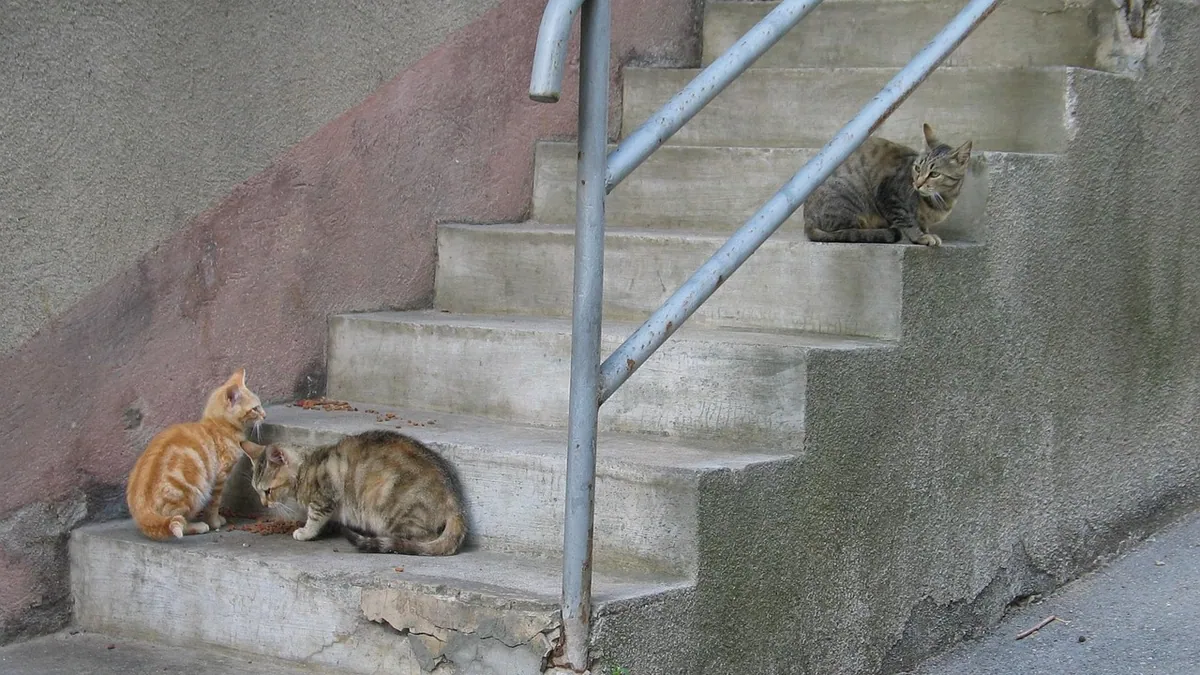
Is macadamia poisonous to cats? The honest answer is that macadamia nut poisoning is a dog problem. The syndrome has been reported only in dogs, and cats are not known to develop it [1]. That does not make macadamia nuts or macadamia oil a good treat for your cat, because fat, choking, and added ingredients carry their own risks.
This article is educational and is not a substitute for veterinary diagnosis or treatment.
Quick Answer
- Macadamia nut toxicosis is a syndrome seen in dogs. Dogs are the only species in which clinical signs have been reported [1].
- The ASPCA lists macadamia nut as toxic to dogs, with the toxic principle unknown [2]. Cats are not listed as affected.
- Macadamia nuts are very high in fat. A large amount can trigger vomiting or diarrhea in a cat, and repeated fatty meals can be a problem for cats with pancreatitis.
- Macadamia oil and macadamia nut oil are concentrated fat with almost no protein or fiber. They offer your cat no nutritional benefit.
- If the nuts or oil came in a flavored, salted, or sugar-free product, the additives matter more than the macadamia itself. Call your veterinarian or a poison control line if you are unsure.
Is Macadamia Poisonous to Cats? The Short Answer
No, macadamia nuts are not a documented poison for cats. The classic macadamia syndrome (vomiting, weakness, tremors, wobbliness, and depression) has been described only in dogs [2][1]. In dogs, signs can appear after eating about 2.4 g/kg of macadamia nuts, and dogs dosed experimentally at 20 g/kg developed signs within 12 hours and returned to normal without treatment within 48 hours [1]. Those numbers apply to dogs, not cats, and no equivalent cat dose exists in the veterinary literature.
So why do veterinarians still say no? Because "not the known poison" is not the same as "safe to feed." A cat's body handles fat differently than a dog's, and a cat that eats a handful of nuts or laps up oil is likely to end up with an upset stomach at best. The risk is dose and form, not a mystery toxin.
If you are sorting through what is and is not dangerous in your home, our guide to flowers that are toxic to cats covers a category that causes far more cat poisonings than nuts do.
Are Macadamia Nuts Harmful to Cats? Nutrition and Real Benefits
There is no nutritional benefit to feeding macadamia nuts to a cat. Cats are obligate carnivores. They need animal-based protein and specific nutrients such as taurine, arachidonic acid, and vitamin A in forms found in animal tissue. Nuts do not supply those needs in any meaningful way.
Macadamia nuts are mostly fat. That fat is the main reason they are a poor treat. A single nut can be a large calorie load for a ten-pound cat, and it delivers almost no usable protein. If your cat fills up on nuts or oil, they may eat less of their balanced commercial diet, which is where their actual nutrition comes from.
There is also no evidence that macadamia nuts prevent or treat any disease in cats. Claims about nuts supporting skin, coat, or joint health in cats are not supported by veterinary research. If your cat has a medical condition that you think a supplement might help, ask your veterinarian before adding anything to the bowl.
Risks of Macadamia Nuts, Oil, and Nut Oil for Cats
Fat and Pancreatitis
The biggest realistic risk is fat load. A sudden fatty meal is a common trigger for vomiting and diarrhea in cats, and cats with a history of pancreatitis can flare badly after eating rich food. If your cat has ever had a pancreatitis episode, keep all nuts and nut oils away from them.
Choking and Blockage
Whole macadamia nuts are large, hard, and round. A cat who gulps one can choke, and a nut can lodge in the throat or esophagus. Cats do not chew nuts the way people do, so swallowing whole is common. Small cats and kittens are at higher risk.
Added Ingredients Are Often the Real Problem
Plain macadamia nuts are one thing. Most macadamia products people keep in the house are not plain.
- Xylitol. This sweetener causes dangerous low blood sugar and liver failure in dogs. A controlled study in cats did not find the same effects, so xylitol is not considered highly toxic to cats. It is still a well-known dog poison, and sugar-free products do not belong in a cat's diet. If a dog in the house shares the snack, that is a separate emergency.
- Salt. Salted nuts and flavored oils can add a significant sodium load for a small cat. Large salt doses can cause vomiting, tremors, and worse.
- Garlic and onion. These are toxic to cats and show up in savory nut mixes and seasoned oils. For more on how plant and food toxins behave in cats, see our article on flowers that are toxic to cats.
- Chocolate. Chocolate-covered macadamias combine fat with theobromine, which is a genuine cat poison.
- Macadamia butter and spreads. These often contain added sugar, salt, or xylitol, and they are easy for a cat to lick from a spoon or jar.
Is Macadamia Oil Toxic to Cats?
Macadamia oil and macadamia nut oil are pressed fats. They do not contain the nut's fiber or protein, and they are not a known toxin for cats. The concern is the same as with the nuts: a concentrated fat load that can cause stomach upset, plus any flavorings or additives in the bottle. Cosmetic-grade macadamia oil may also contain fragrance or other ingredients not meant to be eaten. Keep bottles closed and out of reach.
Is Macadamia Seed Oil Toxic to Cats?
Macadamia seed oil is another name for oil pressed from macadamia seeds, so the answer is the same. It is not a documented cat poison, but it is a rich fat with no place in a cat's diet. If a product lists macadamia seed oil among many ingredients, read the whole label. The other ingredients are usually the ones that matter.
| Form | Safe for Cats? | Notes |
|---|---|---|
| Plain raw or roasted macadamia nuts | No | High fat, choking risk, no nutritional value. Not a documented cat poison [2][1] |
| Salted macadamia nuts | No | Added sodium can cause vomiting and tremors in a small cat |
| Chocolate-covered macadamias | No | Chocolate is toxic to cats |
| Macadamia nut butter with xylitol | No | Xylitol is a well-known dog poison and does not belong in a cat's diet |
| Macadamia oil or macadamia nut oil | No | Concentrated fat, no benefit, check for added flavors |
| Macadamia seed oil in a cosmetic product | No | Not a food product, may contain fragrance or other additives |
| Macadamia shells | No | Hard, sharp, and a choking or blockage risk |
How to Offer Macadamia Safely (and What to Avoid)
The safest approach is simple: do not offer macadamia nuts or macadamia oil to your cat at all. There is no preparation that makes them a good treat.
If you want to be precise about what to avoid:
- Avoid all whole nuts. Raw, roasted, salted, and chocolate-covered are all off the table.
- Avoid all nut oils and butters. This includes macadamia oil, macadamia nut oil, and macadamia seed oil, whether sold as food or as a skin product.
- Avoid shells and husks. They can splinter and cause mouth injuries or blockages.
- Avoid shared plates. If you snack from a bowl while your cat is on your lap, expect a curious paw. Put nuts away in a closed container.
If you simply want to give your cat a special treat, use a commercial cat treat that meets their nutritional needs, or a small piece of plain cooked meat with no seasoning. That gives your cat the experience of a treat without the fat load.
What to Do If Your Cat Ate Macadamia Nuts or Oil
Stay calm and gather facts. You need three things: what form it was (plain, salted, chocolate, sugar-free, oil), roughly how much your cat ate, and when it happened.
If your cat ate a small amount of plain macadamia nut or plain macadamia oil, watch them closely for the next 12 to 24 hours. Expect possible vomiting or diarrhea from the fat. If they seem normal, a call to your veterinarian for advice is still reasonable.
Call your veterinarian or a poison control line right away if:
- The product contained chocolate, xylitol, garlic, onion, or a large amount of salt.
- Your cat is vomiting repeatedly, drooling, wobbly, weak, trembling, or unusually quiet.
- Your cat is choking, gagging, or pawing at the mouth.
- Your cat has a history of pancreatitis or any chronic illness.
- You do not know how much was eaten.
The ASPCA Poison Control can be reached at (888) 426-4435, and your local veterinarian or an emergency clinic can guide you as well [2]. Do not induce vomiting unless a veterinarian tells you to. Some products cause more damage coming back up, and the wrong move can make things worse.
If your cat ate something else from the kitchen and you are comparing risks, our article on mackerel and histamine scombroid toxicity explains how a food that is usually fine can become dangerous.
Safer Alternatives to Macadamia Nuts
You have plenty of options that are actually built for cats.
- Commercial cat treats. These are formulated for feline nutrition and portioned for small bodies.
- Plain cooked meat. A small piece of unseasoned chicken, turkey, or beef is a high-value treat for most cats.
- Freeze-dried meat treats. Single-ingredient meat treats are low in carbohydrates and easy to break into small pieces.
- A new toy or play session. Many cats value interaction more than food. A five-minute wand toy session can be a better reward than any snack.
- Plain cooked egg or a small piece of cooked fish. Offer tiny amounts and skip any seasoning, butter, or oil.
If you are looking at plant-based snacks, remember that many "healthy" human foods are risky for cats. Our guide to almond milk, xylitol, and nut concerns walks through a similar label-reading exercise.
Limitations and When to Contact a Veterinarian
The honest limitation here is that macadamia toxicity in cats is not well established in veterinary research. The dog syndrome is well described, and cats are simply not part of that picture [1]. That means no one can give you a reliable "safe amount" for a cat. Your veterinarian has to judge based on your cat's weight, health history, and exactly what was eaten.
Contact your veterinarian the same day if your cat ate a flavored, salted, chocolate, or sugar-free macadamia product, or if they have any vomiting or diarrhea after eating nuts or oil.
Go to an emergency clinic now if your cat is choking, having trouble breathing, collapsing, having seizures, or is unresponsive.
Schedule a routine visit if your cat has had repeated episodes of stomach upset after table food, or if you want help building a safe treat plan for a cat with pancreatitis, kidney disease, or diabetes.
Every case is different, and only a veterinarian who examines your cat can give you advice for your specific situation.
Frequently Asked Questions
Can a cat die from eating macadamia nuts?
There is no documented fatal macadamia poisoning in cats. The syndrome itself is reported only in dogs, and even in dogs it is typically mild and self-limiting [1]. The realistic dangers for a cat are choking, a bad stomach upset from fat, or poisoning from an added ingredient like chocolate or garlic.
Is macadamia oil toxic to cats?
Macadamia oil is not a known cat poison, but it is a concentrated fat with no nutritional value for cats. A lick is unlikely to cause serious harm, while a larger amount can cause vomiting or diarrhea. Check the bottle for added flavors, and keep cosmetic oils with fragrance away from your cat.
Are macadamia nuts harmful to cats if they only eat a tiny piece?
A tiny crumb of plain macadamia nut is unlikely to cause serious harm, though it may still upset a sensitive stomach. The problem is that cats rarely stop at a crumb, and a whole nut is a choking risk. It is simpler and safer to keep all macadamia products away from your cat.
Is macadamia seed oil toxic to cats?
Macadamia seed oil is the same fat pressed from macadamia seeds, so it is not a documented cat toxin. It still does not belong in your cat's diet because of the fat load and any additives in the product. If it is a skincare product, assume it is not safe to eat.
What should I do if my cat licked macadamia nut butter?
First check the label for xylitol, chocolate, garlic, onion, or added salt. If none of those are present and your cat only had a small lick, watch for vomiting or diarrhea over the next day. If the label lists xylitol or your cat starts acting sick, call your veterinarian or a poison control line right away.
Related Articles
- Can Cats Eat Mackerel? Histamine Scombroid Toxicity
- Flowers That Are Toxic To Cats
- What Flowers Are Toxic To Cats
- Can Cats Eat Almond Milk? Xylitol and Nut Concerns
- Are Tulips Toxic To Cats
- Flowers Toxic To Cats
- Can Cats Eat Macadamia Nuts? Cookies and Milk
- Cat Ate Macadamia Nuts: What to Do
- Can Cats Eat Cashews or Almonds? Nut Safety
References
- Macadamia Nut Toxicosis in Dogs - Toxicology. Merck Veterinary Manual.
- Toxic and Non-toxic Plants: Macadamia Nut. ASPCA Animal Poison Control Center.