Is Incense Harmful to Cats? Smoke and Scent Risks
By Dr. Zubair Khalid, DVM, MS, PhD ·
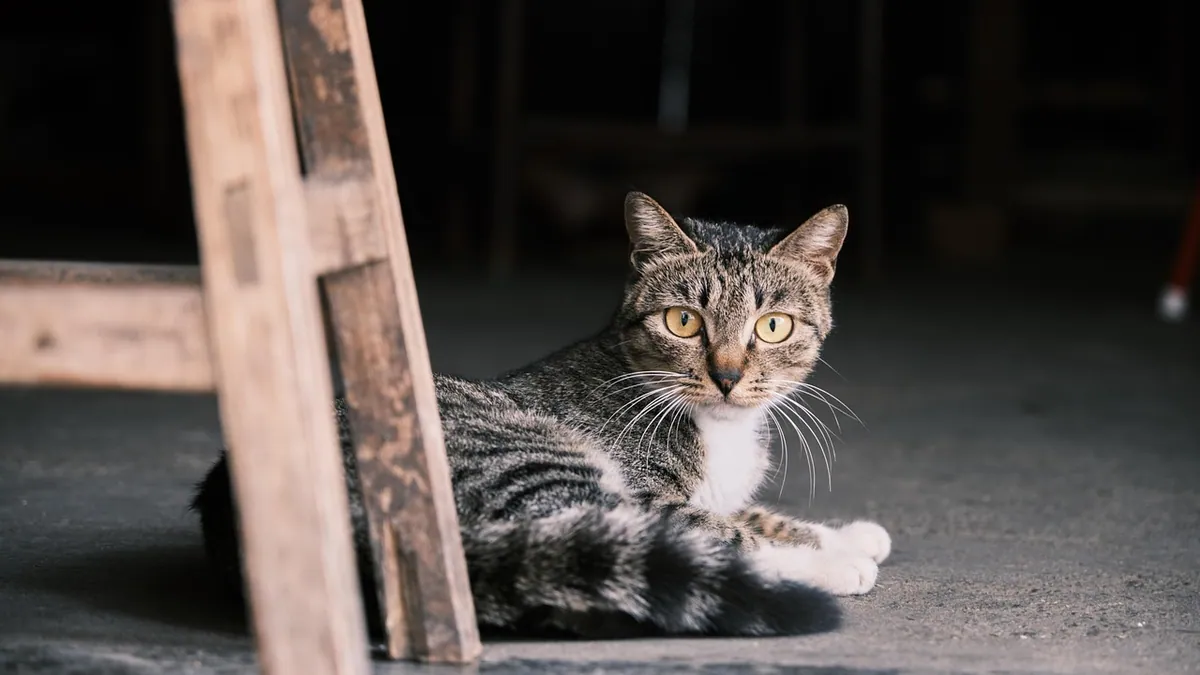
Yes, incense can be harmful to cats. The smoke itself irritates their small, sensitive airways, and many incense products also carry added fragrance oils and combustion byproducts that cats are not built to handle. The question "is incense harmful to cats" has a short answer and a longer one, and both matter if you burn incense in a home with a cat.
This article is educational and is not a substitute for veterinary diagnosis or treatment.
Quick Answer
- Incense smoke is a form of indoor air pollution, and indoor air pollution is linked to respiratory and allergic symptoms in people and animals who share that space [1].
- Cats have small lungs and a strong sense of smell, so smoke and concentrated scent hit them harder than they hit most humans.
- Burning incense is dangerous for cats mainly because of the particles and gases it releases, not because of a single "poison" in the stick.
- Some incense types are riskier than others, especially those with heavy added fragrance oils, synthetic musks, and resin-heavy blends.
- If your cat coughs, wheezes, or sneezes around incense, stop burning it and have your cat checked by a veterinarian.
Is Incense Toxic to Cats?
Incense is not a classic poison in the way that, say, a lily is. A cat who brushes against an unlit stick or sniffs a cone is unlikely to be poisoned by the stick itself. The real problem is what happens when incense burns.
Combustion releases fine particles and a mix of gases into the air. Those particles are small enough to travel deep into the lungs. Research on cat lung cells shows that airborne particulate matter triggers oxidative stress and mitochondrial damage in feline lung tissue [2]. In plain terms, the smoke creates a chemical burden inside the cells that line the airways.
That does not mean every cat in every incense-burning home will get sick. It means the exposure is real, it is measurable, and cats with existing breathing problems are the ones most likely to show it first.
Which Incense Types Are Riskier?
Owners often ask about specific scents. Here is how the common ones stack up.
Sandalwood incense. Is sandalwood incense toxic to cats? Sandalwood itself is not a well-documented feline poison, but sandalwood incense is usually a resin-heavy product that produces dense, long-hanging smoke. That thick smoke is the concern, not the wood name on the label.
Jasmine incense. Is jasmine incense toxic to cats? The jasmine plant is a known concern for cats when ingested, and you can read more about plant risks in our guide to what plants and flowers are toxic to cats. Jasmine incense, however, is a different product. Most jasmine incense is a base material soaked in synthetic fragrance, and the synthetic fragrance oils are the bigger worry than the flower itself.
Anything labeled "fragrance oil," "perfume oil," or "essential oil blend." These products concentrate volatile compounds. Cats clear many of these compounds poorly, and the concentrated oils can irritate the nose, throat, and airways.
Cheap, heavily perfumed sticks and cones. More fragrance load usually means more volatile organic compounds released when the stick smolders.
Incense with visible glitter, dye, or metallic coatings. These add extra combustion products you do not want in the air your cat breathes.
If you want to check whether a scent you already own is a plant-based risk, our articles on flowers toxic to cats and what flowers are toxic to cats cover the botanical side.
The Toxic Principle and What It Does in the Body
There is no single toxic principle in incense. There are several overlapping exposures.
Particulate matter. Burning incense produces fine particles. When cat lung cells are exposed to airborne particulate matter, they show excess reactive oxygen species and mitochondrial damage [2]. Antioxidants such as vitamin E, lycopene, and a mix of EPA and DHA reduced that damage in the same laboratory work [2]. This tells us the injury pathway is oxidative stress, which is the same pathway involved in many smoke-related airway problems.
Polycyclic aromatic hydrocarbons (PAHs). These are combustion byproducts. In a study of reproductive tissue from owned cats, PAHs were the second most commonly found contaminant class, and levels were higher in female reproductive organs than in male testicles [3]. That study looked at tissue residues, not incense specifically, but it confirms that cats living indoors accumulate combustion-related chemicals in their bodies.
Volatile fragrance compounds. These irritate mucous membranes on contact. The nose, throat, and windpipe react first.
Endocrine-disrupting chemicals (EDCs). The same feline tissue study found organochlorinated pesticides, polychlorinated biphenyls, and polybrominated diphenyl ethers in cat reproductive organs, and cats exposed to cigarette smoke had notably higher DDT residues [3]. This is a reminder that indoor air quality and household chemical exposure do accumulate in cats over time.
The short version: incense smoke does not act like a swallowed poison with a predictable dose. It acts like chronic airway irritation, and the damage builds with repeated exposure.
Signs of Trouble and Their Timeline
Signs usually track with exposure. A cat in a room where incense just started burning may react within minutes. A cat in a home where incense burns daily may show a slow, subtle decline over weeks.
Watch for:
- Coughing, especially after the incense is lit
- Wheezing or a whistling sound when breathing
- Sneezing, runny nose, or watery eyes
- Squinting, head shaking, or pawing at the face
- Increased respiratory rate or visible effort to breathe
- Open-mouth breathing (this is always serious in a cat)
- Lethargy, hiding, or reduced appetite
- Drooling or lip smacking
- A change in grooming or activity level
Cat coughing around incense is one of the most common owner reports. A single cough after a candle or stick is lit is a signal, not a coincidence.
Respiratory irritation from indoor air pollution is well documented in the general population, and environmental tobacco smoke, biomass fuel smoke, and indoor allergens are among the most relevant indoor sources linked to respiratory and allergic symptoms [1]. Incense smoke belongs in the same broad category of indoor combustion exposures.
If your cat already has asthma or allergic airway disease, the threshold for reacting is much lower. Research in cat-sensitized children shows that airway inflammation markers rise with allergen exposure, and symptom severity scores were significantly higher in those with positive cat allergen antibodies [4]. The same principle applies to cats themselves. An inflamed airway is more reactive to everything, including smoke.
What to Do Right Now
If you suspect your cat is reacting to incense, act in this order.
- Put out the incense. Open windows, turn on a fan, and move your cat to fresh air.
- Watch your cat's breathing. Count breaths per minute while your cat is resting. Note any effort, noise, or open-mouth breathing.
- Call your veterinarian if your cat is coughing, wheezing, or breathing faster than normal.
- Call the ASPCA Animal Poison Control Center at (888) 426-4435 or Pet Poison Helpline at (855) 764-7661 if your cat ate incense, chewed a stick or cone, licked concentrated fragrance oil, or knocked over a burner and got ash or hot resin on the skin or in the mouth.
- Do not induce vomiting unless a veterinarian tells you to. Incense and fragrance oils can irritate the mouth and throat on the way back up, and some products contain petroleum-based carriers that make vomiting risky.
Bring the packaging with you or have a photo of the label ready. The ingredient list helps your veterinarian or the poison control team assess what your cat was exposed to.
Veterinary Treatment
Treatment depends on what happened and how severe the signs are.
For mild airway irritation, your veterinarian may recommend removing the exposure, monitoring at home, and using a humidifier or a short course of medication to calm inflamed airways. Some cats need oxygen therapy if breathing is labored.
For suspected ingestion of incense, oils, or ash, treatment may include:
- Activated charcoal, if your veterinarian decides it is appropriate and the timing is right
- Fluid therapy to support circulation and help the body clear compounds
- Medications to protect the stomach and intestines
- Anti-nausea drugs
- Blood work to check organ function
Your veterinarian calculates any medication dose from your cat's weight, age, and health status. There is no home dose you should guess at.
If your cat has a known respiratory condition, your veterinarian may adjust an existing treatment plan or add airway support. Cats with asthma sometimes need a rescue inhaler protocol, and that plan should come from your vet, not from a general article.
Outlook
The outlook is good for most cats when the exposure stops early. Mild irritation often settles within a day or two once the air is clean.
Cats with repeated, long-term exposure may develop more persistent airway inflammation. That can look like a chronic cough or exercise intolerance. Some of these cats improve with treatment and a smoke-free home, but the airway can stay sensitive.
Cats with pre-existing asthma or heart disease have a harder time. For them, prevention is far better than treatment.
One more thing worth knowing: cats accumulate environmental chemicals in their tissues over time. In owned cats, residues of pesticides, PCBs, PBDEs, and PAHs were found in reproductive organs, and exposure to cigarette smoke was linked to higher DDT levels [3]. You cannot control every exposure, but you can control what you burn inside your home.
Prevention and Safer Alternatives
The simplest prevention is to stop burning incense indoors. If you love scent, there are options that do not put smoke into the air your cat breathes.
Safer choices:
- Open windows and use a fan or air purifier with a HEPA filter
- Simmer a pot of plain water with a slice of orange or a cinnamon stick (no essential oils)
- Use unscented candles made from soy or beeswax, and keep them out of reach
- Try a reed diffuser placed in a room your cat cannot enter, and keep the bottle sealed and stored high
- Bake something. Real food scent is cat-safe scent
Avoid:
- Incense, especially daily use in small, closed rooms
- Scented plug-ins and aerosol sprays
- Essential oil diffusers, particularly with citrus, tea tree, eucalyptus, peppermint, or pine oils
- Scented cat litter if your cat has any respiratory signs
- Smoking indoors
If you burn incense outdoors only, keep your cat inside during that time and let the area air out before your cat goes back out.
If you are also checking other household plants for safety, our guide to what kind of plants are harmful to cats and our list of flowers that are toxic to cats can help you scan your home.
Limitations and When to Contact a Veterinarian
No article can tell you how your individual cat will respond to incense. Cats vary by age, weight, underlying disease, and how much smoke they breathe. Your veterinarian needs to examine your cat to give you real answers.
Contact your veterinarian the same day if:
- Your cat coughed more than once after incense exposure
- Your cat is sneezing, has watery eyes, or is pawing at the face
- Your cat seems tired, is hiding, or is eating less than usual
- You are not sure whether your cat licked or ate any incense product
Go to an emergency clinic now if:
- Your cat is breathing with an open mouth
- You see the belly or chest working hard with each breath
- Your cat's gums look blue, gray, or pale
- Your cat collapses, has a seizure, or cannot stand
- Your cat is drooling heavily or has swelling around the mouth or face
Schedule a routine visit if:
- Your cat has had a cough for more than a few days
- Your cat's breathing sounds different during sleep
- You want to build a plan for a cat with known asthma
When in doubt, call. A phone call is cheap. Waiting on a breathing problem is not.
Frequently Asked Questions
Can a cat get sick from being in the same room as burning incense?
Yes, a cat can develop coughing, sneezing, or eye irritation from being in the same room as burning incense. The risk goes up in small rooms with poor airflow and with daily use. Move your cat to fresh air and stop burning incense if you see any signs.
Is one type of incense safer for cats than another?
No type of incense is truly safe for cats because all of them produce smoke when burned. Resin-heavy and heavily perfumed products tend to produce more visible smoke and more fragrance compounds. If you must burn incense, do it outdoors, away from your cat, and let the area air out fully.
How long does it take for a cat to recover from incense smoke irritation?
Mild irritation often improves within a day or two once the exposure stops and the air is clean. Cats with asthma or repeated exposure may take longer and may need medication. If signs last more than a couple of days, call your veterinarian.
Can incense make my cat's asthma worse?
Yes, smoke is a common trigger for cats with asthma. Even brief exposure can set off coughing, wheezing, or labored breathing in a cat with a sensitive airway. If your cat has asthma, keep incense, candles, sprays, and diffusers out of the home entirely.
What should I do if my cat ate part of an incense stick or cone?
Call the ASPCA Animal Poison Control Center at (888) 426-4435 or Pet Poison Helpline at (855) 764-7661 right away, and then call your veterinarian. Do not make your cat vomit unless a veterinarian tells you to. Have the product label or a photo of it ready so the team can assess the ingredients.
Related Articles
- What Plants And Flowers Are Toxic To Cats
- Flowers Toxic To Cats
- What Flowers Are Toxic To Cats
- What Kind Of Plants Are Harmful To Cats
- Flowers That Are Toxic To Cats
- Are Orchids Toxic To Cats
- Are Scented Candles Toxic to Cats? Wax, Smoke and Oils
- Are Scented Candles Safe Around Cats?
- Can Cats Die From Smoke Inhalation? Signs and Care
References
- Issue 2 - "Update on adverse respiratory effects of indoor air pollution". Part 2): Indoor air pollution and respiratory diseases: Perspectives from Italy and some other GARD countries. Pulmonology, 2024.
- Ambient particulate matter (PM10)-induced injury in feline lung cells and nutritional intervention. Heliyon, 2022.
- Investigations of Some Endocrine Disruptors in Cat Genital Organs. Archives of environmental contamination and toxicology, 2026.
- Is Fel d1 Based Component Resolved Diagnosis Associated With Airway Inflammation in Cat Sensitized Children?. Clinical and translational science, 2026.