Are Scented Candles Toxic to Cats? Wax, Smoke and Oils
By Dr. Zubair Khalid, DVM, MS, PhD ·
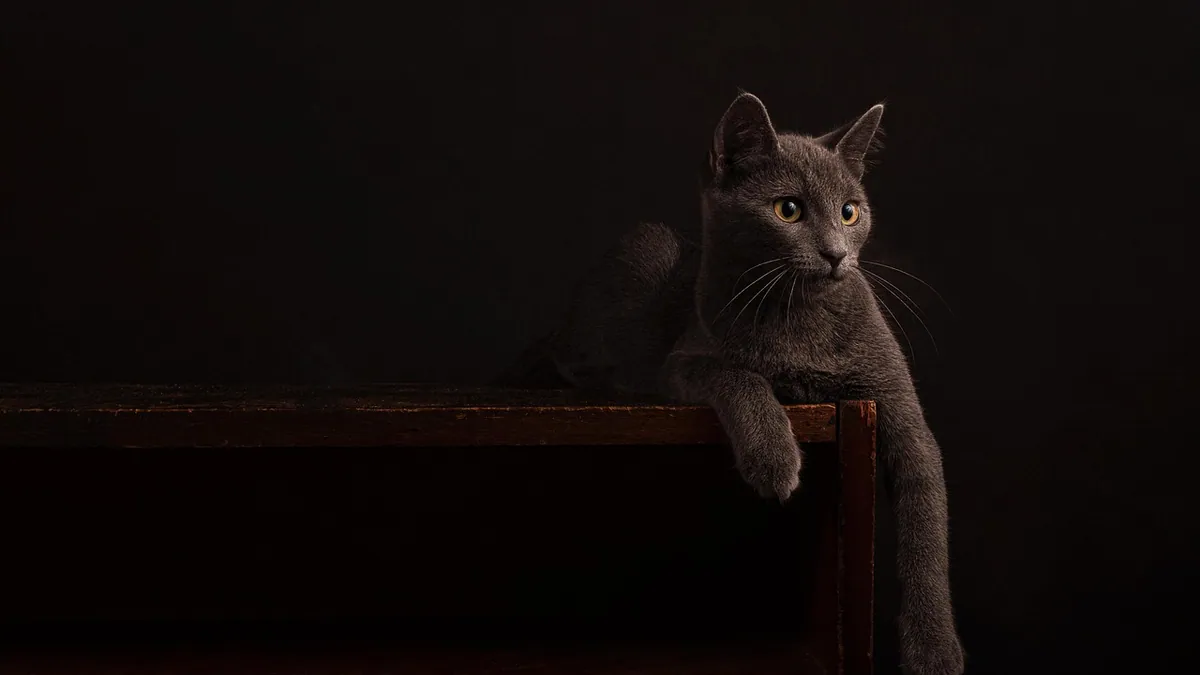
Vanilla scented candles are not automatically toxic to cats, but the answer depends on what is in the candle and how your cat is exposed. A cat that brushes against a cold candle or licks a bit of hardened wax is usually at low risk, while a cat breathing concentrated essential oil fumes in a small closed room can become seriously ill. This article is educational and is not a substitute for veterinary diagnosis or treatment.
Quick Answer
- Plain paraffin, soy, or beeswax with a synthetic vanilla fragrance is generally low risk if a cat nibbles a small piece, but any swallowed wax can cause stomach upset or a blockage in large amounts.
- The real danger is essential oils, especially 100% concentrated oils, because cats cannot metabolize them well [1].
- Vanilla essential oil is not on the classic poison list, but it is still a concentrated oil, and any oil diffused or burned in a sealed room can irritate a cat's airways.
- Scented candle smoke adds fine particles to the air, and cat lung cells respond to airborne particulate matter with oxidative stress and cell damage [2].
- If your cat drools, vomits, wobbles, or breathes hard after candle exposure, call your veterinarian, the ASPCA Animal Poison Control Center at (888) 426-4435, or Pet Poison Helpline at (855) 764-7661 right away.
Are Scented Candles Harmful to Cats?
Scented candles are harmful to cats in three main ways: the wax itself, the smoke and soot they release, and the fragrance ingredients, which may include essential oils.
Most candle wax is not poisonous on its own. Paraffin, soy, and beeswax pass through the gut slowly, and a small lick usually causes nothing more than soft stool or a mild upset stomach. The bigger concern with wax is physical. A cat that chews and swallows a chunk of wax can end up with vomiting, drooling, or an intestinal obstruction that needs surgery.
Smoke matters more than many owners realize. Any burning candle releases particulate matter into the air, and when cat lung cells are exposed to ambient particulate matter, they show excess reactive oxygen species and mitochondrial damage [2]. That study looked at outdoor air pollution, not candles, so it does not prove candles cause lung disease in cats. It does show that feline lung tissue is sensitive to airborne particles, which is a good reason to keep candles out of small, closed rooms where your cat sleeps.
Fragrance is the wild card. A candle labeled "vanilla" may use synthetic vanillin, a small amount of vanilla absolute, or a blend that includes other essential oils. You often cannot tell from the label. That uncertainty is why the safest approach is to treat all scented candles as a potential irritant and keep them away from your cat.
Is Vanilla Scented Candle Wax Toxic to Cats?
Vanilla scented candle wax is not known to be toxic to cats in small amounts, but it is not food and should not be treated as safe to eat. The wax can cause vomiting, diarrhea, or a blockage if a cat eats a large piece. Scented wax may also carry fragrance oils that irritate the mouth and stomach.
If your cat licks a cooled candle, wipe out the mouth with a damp cloth and offer water. Watch for vomiting, drooling, or loss of appetite over the next few hours. If your cat ate a significant amount of wax, call poison control or your veterinarian for guidance.
Are All Scented Candles Toxic to Cats?
No, not all scented candles are toxic to cats, but some are riskier than others. The risk climbs with the concentration of essential oils, the size of the space, and how close your cat is to the flame and fumes.
Candles that contain 100% essential oils are the highest concern because concentration drives toxicity in cats [1]. Candles with synthetic fragrance and no essential oils are lower risk for poisoning, though the smoke still irritates airways. Candles that combine scent with a strong essential oil like eucalyptus, cinnamon, peppermint, or tea tree deserve extra caution, since those oils are known to cause poisoning in cats [1].
The Toxic Principle: Why Essential Oils Hit Cats Hard
Essential oils are volatile, organic plant compounds extracted by distillation or cold pressing, and they are used in aromatherapy, personal care products, flavorings, and liquid potpourri [1]. Cats absorb them quickly through the mouth and across the skin, then send them to the liver for breakdown [1].
Here is the problem. Cats lack an essential liver enzyme, so they have trouble metabolizing and clearing certain toxins like essential oils [1]. They are also very sensitive to phenols and phenolic compounds found in some oils [1]. The higher the concentration of the oil, the greater the risk [1].
Oils known to cause poisoning in cats include oil of wintergreen, oil of sweet birch, citrus oil (d-limonene), pine oils, Ylang Ylang oil, peppermint oil, cinnamon oil, pennyroyal oil, clove oil, eucalyptus oil, and tea tree oil [1]. Vanilla essential oil is not on that list, but that does not make it harmless. Any concentrated oil can irritate a cat's nose, throat, and stomach, and a cat with asthma or heart disease may react to fumes at lower levels.
Some essential oils do have legitimate medical uses in cats under veterinary supervision. A lime essential oil shampoo was studied in cats with ringworm alongside oral itraconazole, and no cutaneous or systemic adverse effects were reported in that small trial [3]. Artemisia argyi essential oil given as nasal drops was studied in cats with feline herpesvirus, and it improved clinical signs in that research setting, though the oil was cytotoxic to feline kidney cells at higher concentrations in the lab [4]. Cymbopogon essential oils and geraniol showed flea-killing and repellent activity in the lab [5]. These are controlled research and treatment situations with measured doses, not a reason to burn essential oil candles around your cat.
Signs of Candle or Essential Oil Poisoning in Cats
Signs depend on the oil and the route of exposure. Common signs include drooling, vomiting, tremors, ataxia (wobbliness), respiratory distress, low heart rate, low body temperature, and liver failure [1].
Watch for these specific patterns:
- Mouth and stomach signs: drooling, pawing at the mouth, vomiting, refusing food.
- Nerve signs: wobbling, tremors, head tilt, weakness.
- Breathing signs: coughing, wheezing, fast or labored breathing, open-mouth breathing.
- Skin signs: redness, irritation, or a chemical burn where oil touched the coat.
- General signs: hiding, lethargy, low body temperature.
How Fast Do Signs Appear?
Signs can appear within minutes to a few hours after exposure. Fumes tend to cause eye, nose, and airway irritation first, while swallowed oil or wax causes stomach signs. Liver and nervous system signs can take longer to show up, sometimes a day or more, depending on how much oil was absorbed [1].
If you see any sign after candle exposure, treat it as urgent. Do not wait to see if it passes.
What to Do Right Now
- Move your cat to fresh air immediately. Open windows, turn off the candle, and take your cat to a room with no scent.
- Keep your cat calm and warm. Stress and chill make many poisonings worse.
- Call for advice. Contact your veterinarian, the ASPCA Animal Poison Control Center at (888) 426-4435, or Pet Poison Helpline at (855) 764-7661. Have the candle label, the ingredient list, and your cat's weight ready.
- Do not induce vomiting unless a veterinarian tells you to. Vomiting up wax or oil can cause choking or aspiration into the lungs.
- If oil is on the coat, wash it off with mild dish soap and warm water, then rinse well. Do not let your cat groom the oil off.
- Save the candle and packaging. The ingredient list helps the veterinarian plan treatment.
If your cat is having trouble breathing, is unconscious, or is having seizures, go to the nearest emergency veterinary hospital now.
How Veterinarians Treat Candle and Essential Oil Exposure
Treatment depends on the route and severity. For skin exposure, the veterinarian will wash the coat with a degreasing soap and check for burns. For eye exposure, they flush the eye with saline and check for corneal damage.
For swallowed wax or oil, treatment may include activated charcoal to bind toxins, fluids under the skin or in a vein, medication for nausea, and supportive care for breathing and heart rate. A cat with a wax blockage may need imaging and surgery.
There is no single antidote for essential oil poisoning. Care is supportive and aimed at the specific signs, which is why an exam and bloodwork matter. Your veterinarian calculates any medication dose from your cat's weight and health, so never give human products or leftover pet medicine on your own.
Outlook After Exposure
The outlook is good for mild exposures caught early. A cat that drools after licking a candle and gets fresh air and water often recovers within hours.
The outlook is more guarded for cats that breathe concentrated oil fumes for a long time or swallow a large amount of oil. Liver failure and severe breathing problems are possible with high-concentration oils [1], and those cases need intensive care. Cats with asthma, heart disease, or kidney disease are more fragile and should be seen promptly.
Prevention and Safer Alternatives
The simplest prevention is to stop burning scented candles in rooms your cat uses. If you love the glow, choose unscented candles and keep them on a high shelf your cat cannot reach. Never leave a burning candle unattended, and never place one where a tail or paw can knock it over.
Skip reed diffusers, wax melts, plug-in air fresheners, and essential oil diffusers in cat areas. If you want a scent in the house, try these safer options:
- Simmer a pot of plain water with a slice of apple or a cinnamon stick, then turn it off before your cat enters the room. Keep the pot out of reach.
- Use unscented beeswax or soy candles for ambiance only.
- Open windows for fresh air instead of masking odors.
- Wash bedding and litter boxes often, since that removes the source of odor.
Many plants used in scented products are also toxic to cats. If you keep flowers or houseplants, check lists like Flowers Toxic To Cats, What Plants And Flowers Are Toxic To Cats, and Are Lilies Toxic to Cats? before bringing anything new into the house.
Limitations and When to Contact a Veterinarian
This article cannot tell you how your individual cat will react. Cats differ in weight, age, health, and how much oil they absorb. Only a veterinarian who examines your cat can give you a real answer.
Contact your veterinarian the same day if your cat licked candle wax, walked through spilled oil, or spent time in a small room with a burning scented candle and now seems off.
Go to an emergency clinic now if your cat is drooling heavily, vomiting repeatedly, wobbling, trembling, breathing fast or with an open mouth, or is limp or unresponsive. These are signs that match essential oil poisoning in cats [1].
Schedule a routine visit if your cat had a mild exposure and seems fine but you want a checkup, or if you notice a new cough, sneeze, or eye irritation that lingers after you stop burning candles.
Frequently Asked Questions
Can a cat get sick from just smelling a vanilla candle?
Yes, a cat can get sick from fumes alone, especially in a small closed room. The nose, throat, and eyes can become irritated, and concentrated oil vapors can be absorbed and reach the liver [1]. If your cat starts sneezing, coughing, or drooling near a burning candle, move them to fresh air and call your veterinarian.
Is synthetic vanilla fragrance safer than vanilla essential oil for cats?
Synthetic vanilla fragrance is generally lower risk for poisoning than a concentrated essential oil, but it is not risk-free. Synthetic fragrances can still irritate airways, and the smoke from any scented candle adds particles to the air that cat lungs are sensitive to [2]. Unscented candles are the safest choice.
What if my cat ate a piece of scented candle wax?
A small piece of wax usually passes with mild stomach upset, but a large amount can cause a blockage. Do not induce vomiting on your own. Call your veterinarian or a poison control line, and watch for vomiting, drooling, constipation, or loss of appetite over the next day.
Are soy or beeswax candles safe around cats?
Soy and beeswax candles are not poisonous to cats, but they still produce smoke and may contain fragrance oils. The wax type matters less than the scent ingredients and the smoke. If you burn them, do it in a well-ventilated room your cat can leave.
Do I need to throw away all my scented candles if I have a cat?
You do not have to throw them all away, but you should stop burning them around your cat. Store them sealed and out of reach, and use them only in rooms your cat cannot enter. If your cat has asthma or any heart or liver disease, skip scented candles entirely.
Related Articles
- Flowers Toxic To Cats
- Flowers That Are Toxic To Cats
- What Flowers Are Toxic To Cats
- What Plants And Flowers Are Toxic To Cats
- Are Lilies Toxic to Cats?
- Are Orchids Toxic To Cats
- Are Soy Candles Toxic to Cats? Wax, Scent, and Safety
- Are Scented Candles Safe Around Cats?
- Are Wax Melts Toxic to Cats? Safety and Symptoms
References
- Essential Oils and Cats. Pet Poison Helpline.
- Ambient particulate matter (PM10)-induced injury in feline lung cells and nutritional intervention. Heliyon, 2022.
- Comparative Study of the Efficacy of Lime Essential Oil Shampoo Versus 2% Miconazole/Chlorhexidine Combination Shampoo for the Treatment of Dermatophytosis in Client-Owned Cats. Veterinary sciences, 2026.
- The Therapeutic Efficacy and Molecular Mechanisms of Artemisia argyi Essential Oil in Treating Feline Herpesvirus Infection via Nasal Drops. Veterinary sciences, 2025.
- In vitro insecticidal and repellent activity of Cymbopogon essential oils and geraniol against cat flea. Veterinary parasitology, 2026.