Are Scented Candles Safe Around Cats?
By Dr. Zubair Khalid, DVM, MS, PhD ·
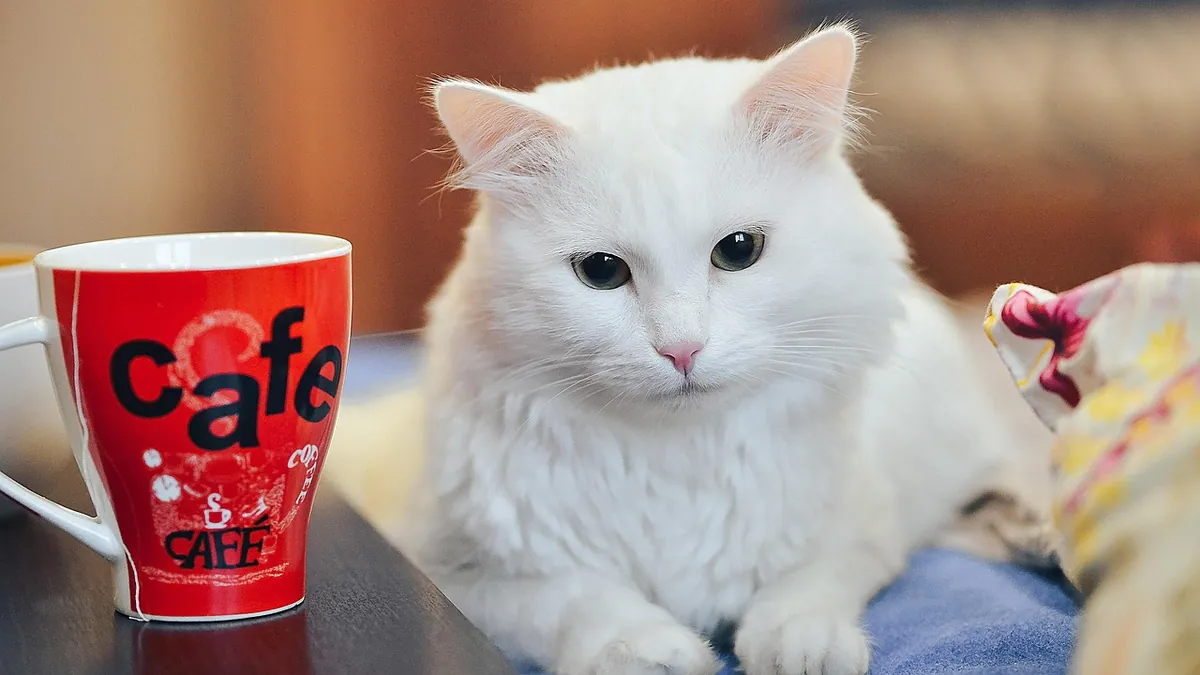
Are scented candles safe for cats to smell? In most cases, the smell itself is not poisonous, but the fumes can irritate a cat's airways, and some candle ingredients, especially essential oils, are genuinely toxic to cats. The risk climbs with small rooms, closed windows, many candles, and long burn times. This article is educational and is not a substitute for veterinary diagnosis or treatment.
Quick Answer
- Plain paraffin or soy candles with synthetic fragrance are usually irritating instead of poisonous, but smoke and soot bother cat lungs.
- Essential oil candles are the bigger concern. Cats clear many plant compounds poorly, and some oils cause drooling, wobbling, or liver and nerve injury.
- A cat with asthma or other airway disease can react to any candle smoke, even a "natural" one.
- Ventilation matters more than the label. Open a window, keep candles out of reach, and put the cat in another room while a candle burns.
- If your cat drools, vomits, wobbles, or breathes hard after candle exposure, call your veterinarian or a poison hotline right away.
Are Scented Candles Toxic to Cats?
The candle itself is not the main problem. The wax, the wick, and what the flame puts into the air are what matter.
Most scented candles sold in the United States are made of paraffin or soy wax with fragrance oils, and many use cotton or paper wicks. Burned briefly in a ventilated room, these are unlikely to poison a cat. They can still irritate eyes, nose, and airways, and a cat with asthma may cough or wheeze.
Essential oil candles are different. These contain concentrated plant oils, and cats are unusually sensitive to many of them. A candle labeled "lavender," "eucalyptus," "citrus," "tea tree," or "peppermint" may release those oils into the air as it burns. Some essential oils are used in veterinary medicine at controlled doses, but that does not make them safe to diffuse or burn at home. One study of Artemisia argyi essential oil given as nasal drops to cats with feline herpesvirus found the oil had concentration-dependent toxicity to feline kidney cells in the lab [1]. In other words, a plant oil that helps in one form can still damage cells at the wrong dose or route.
If you want a full picture of how cats handle plant oils, see Are Essential Oils Safe for Cats and Dogs?.
Which Parts of a Candle Matter Most?
- The wax and fragrance. Synthetic fragrance is usually irritating, not poisonous. Essential oil blends are the higher-risk products.
- The wick. Lead wicks were banned in the United States years ago, but cheap imported candles may still release metal fumes. Choose cotton or wood wicks from a brand you trust.
- The smoke and soot. Any flame produces fine particles. In a closed bedroom, those particles build up and land on a cat's fur, which the cat then grooms off and swallows.
- The jar and matches. A curious cat can knock over a hot jar, burn a paw, or chew a matchstick. Matches and lighter fluid are separate poison risks.
The Toxic Principle and What It Does in the Body
There is no single "candle poison." The harm depends on what is in the candle and how much the cat breathes in or licks off.
Essential oils contain volatile compounds that give the plant its smell. These same compounds can disrupt normal cell function. In a study of commercial essential oil candles, researchers identified a range of volatile organic compounds released when the wax was heated, and the mix varied widely between products [2]. That variability is the point. Two candles with the same label can release very different chemicals, so you cannot assume a "natural" candle is gentle.
Cats are less able than people or dogs to break down many plant chemicals in the liver. That means a compound that clears quickly from a dog can linger in a cat and reach higher levels. The result can be irritation of the mouth, throat, and stomach, or in serious cases injury to the liver, nerves, or red blood cells.
Smoke adds a second problem. Fine particles and combustion gases inflame the airways. A cat with feline asthma or chronic bronchitis may start coughing after only a few minutes near a burning candle.
Signs of Candle or Essential Oil Exposure in Cats
Signs range from mild to severe. Watch for any of these after a candle has burned in your home.
- Drooling, lip smacking, or pawing at the mouth
- Vomiting or gagging
- Coughing, sneezing, or a runny nose
- Wheezing or fast, labored breathing
- Squinting, watery eyes, or redness around the eyes
- Wobbling, head tilt, or unsteady walking
- Lethargy, hiding, or not eating
- Tremors or seizures in severe cases
- Burns or singed fur from a knocked-over candle
How Soon Do Signs Appear?
Timing depends on the exposure. Airway irritation from smoke can show up within minutes to a few hours of breathing it in. Skin or mouth contact with hot wax or oil can cause immediate pain and redness. If a cat swallows essential oil or wax, stomach signs like vomiting and drooling often start within 30 minutes to a few hours. Nerve signs such as wobbling may take longer and can worsen over hours. If you are unsure whether your cat was exposed, treat it as an exposure and call for advice.
What to Do Right Now
- Move the cat. Take your cat to a room with fresh air and close the door. Blow out the candle and open windows.
- Check the mouth and fur. If wax or oil is on the coat, wipe it off with a damp cloth so the cat does not groom it off. Do not scrub burned skin.
- Call for advice. Contact your veterinarian, the ASPCA Animal Poison Control Center at (888) 426-4435, or Pet Poison Helpline at (855) 764-7661. These lines are staffed around the clock and charge a consultation fee.
- Do not induce vomiting unless a veterinarian tells you to. Some oils and waxes can cause more damage coming back up, and vomiting can push oil into the lungs.
- Save the label. Keep the candle, its packaging, or a photo of the ingredient list. The poison specialist will ask what oils are in it.
- Do not give milk, oil, or home remedies. They can make things worse.
If your cat is struggling to breathe, having seizures, or is unresponsive, go to the nearest emergency veterinary hospital now. Do not wait for a callback.
How Veterinarians Treat Candle and Essential Oil Exposure
Treatment depends on the signs and how much the cat absorbed.
For mild airway irritation, the plan is usually fresh air, rest, and monitoring. A veterinarian may check oxygen levels and listen to the lungs. If coughing or wheezing is significant, they may give oxygen and medications to open the airways.
For skin or mouth contact, the veterinarian may flush the area with lukewarm water and treat burns. They may give pain medication and, if the cat is drooling heavily, fluids to keep it hydrated.
For swallowed oil or wax, care is supportive. That can include intravenous fluids, medications to protect the stomach, and monitoring of liver and kidney values with blood tests. If a cat is having tremors or seizures, the veterinarian uses anticonvulsant medication and keeps the cat quiet and warm. The dose of any medication is calculated from your cat's weight and health, so it is set by the veterinarian, not by a label or a home chart.
There is no antidote that reverses essential oil poisoning. The body has to clear the compounds while the veterinary team supports breathing, circulation, and organ function.
Outlook for Cats Exposed to Candles
The outlook is good for most cats with mild irritation. Signs often settle within a day or two once the cat is away from the fumes.
Cats that swallow concentrated essential oil or develop severe breathing trouble have a more guarded outlook. Nerve and liver injury can take days to weeks to improve, and some cats need a longer hospital stay. Cats with pre-existing asthma tend to be more fragile after smoke exposure.
If your cat has a chronic illness, ask your veterinarian how smoke and fragrance might interact with it. For example, cats with diabetes need careful management of stress and appetite during any illness, and Safe Treats For Diabetic Cats covers what to offer if your cat is off food.
Prevention and Safer Alternatives
The safest approach is simple. If you would not want to breathe it in a small room for an hour, do not burn it around your cat.
- Skip essential oil candles entirely in homes with cats. The risk is not worth the scent.
- Choose unscented candles if you want candlelight. Unscented paraffin or soy still makes smoke, but it removes the oil question.
- Ventilate. Burn candles in a room your cat cannot enter, with a window open or an exhaust fan running.
- Keep it short. A few minutes is far safer than several hours.
- Trim the wick to about a quarter inch. A long wick makes more soot.
- Never leave a candle unattended and never place one where a cat can jump onto it.
- Try cat-safe scent options. Simmer a pot of plain water with a cinnamon stick or a slice of orange on the stove while you are in the kitchen, then turn it off. Better yet, use a covered simmer pot so the cat cannot drink it. Citrus and cinnamon are still irritants to cats, so keep the cat out of the room.
- Clean the air instead of scenting it. A HEPA filter reduces particles without adding fragrance.
If you like the idea of scent as enrichment, a slow, supervised introduction of a new object or bedding can be safer than airborne fragrance. The safe room scent swap protocol uses scent in a controlled way for behavior, not for perfuming a room.
Also remember that candles are not the only household plant risk. Cut flowers brought home for a table can be far more dangerous than wax. Check Flowers Toxic To Cats and Flowers That Are Toxic To Cats before you bring a bouquet indoors.
Limitations and When to Contact a Veterinarian
No article can tell you how your individual cat will respond. Cats vary by age, weight, health, and how much they breathed in or swallowed. Your veterinarian is the only person who can examine your cat and decide on treatment.
Call your veterinarian the same day if:
- Your cat drooled, vomited, or coughed after candle exposure but seems otherwise normal
- You see mild eye redness or sneezing that lasts more than a few hours
- Your cat licked wax or oil off its fur
Go to an emergency hospital now if:
- Your cat is breathing fast, open-mouth breathing, or has blue gums
- Your cat is wobbling, having tremors, or having a seizure
- Your cat is unresponsive, collapsed, or has a slow heart rate
- Your cat has a burn, singed fur, or a painful paw
- Your cat swallowed essential oil or a large amount of wax
Schedule a routine visit if:
- Your cat has a known airway disease and you want a plan for future exposure
- Your cat had a mild reaction and you want blood work to check organ function
Frequently Asked Questions
Are scented candles safe to use around cats?
Usually they are irritating instead of deadly, but that depends on the candle and the room. Essential oil candles carry the highest risk, and any candle in a closed room can bother a cat's airways. Ventilation and keeping the cat out of the room lower the risk a lot.
Can candle fumes alone poison a cat?
Fumes can cause irritation and, in a cat with asthma, a breathing crisis. True poisoning from fumes alone is uncommon, but it can happen with concentrated essential oil products in a small, closed space. If your cat shows drooling, wobbling, or trouble breathing, treat it as urgent.
Are essential oil candles worse than regular scented candles?
Yes, generally. Essential oil candles release concentrated plant compounds, and cats clear many of these poorly. A study of commercial essential oil candles found the volatile compounds released varied widely between products, so labels do not tell you exactly what your cat is breathing [2].
Do I need to throw out all my candles?
Not necessarily. Unscented candles used briefly in a ventilated room away from your cat are a lower-risk option. Throw out or give away essential oil candles, and stop using any candle that triggers coughing, sneezing, or drooling in your cat.
Can I use a candle in another room with the door closed?
That is one of the safer ways to do it, as long as the cat cannot get in and you air the room out afterward. Smoke and fragrance can still drift under the door or through vents, so keep the burn time short and check on your cat.
What if my cat only sniffed the candle and did not eat it?
Sniffing a cold candle is unlikely to cause harm. Sniffing or licking a burning or recently extinguished candle is different, because the wax and oils are still warm and volatile. Wipe the nose and mouth with a damp cloth and call your veterinarian if you see drooling, vomiting, or coughing.
Related Articles
- Flowers Toxic To Cats
- Flowers That Are Toxic To Cats
- Introducing a New Cat to Resident Cats: Safe Room Scent Swap Protocol
- Are Essential Oils Safe for Cats and Dogs?
- Safe Treats For Diabetic Cats
- What Flowers Are Toxic To Cats
- Are Scented Candles Toxic to Cats? Wax, Smoke and Oils
- Are Soy Candles Toxic to Cats? Wax, Scent, and Safety
- Are Wax Melts Toxic to Cats? Safety and Symptoms
References
- The Therapeutic Efficacy and Molecular Mechanisms of Artemisia argyi Essential Oil in Treating Feline Herpesvirus Infection via Nasal Drops. Veterinary sciences, 2025.
- The efficacy of commercially available essential oil-based candles as spatial repellents against Aedes aegypti mosquitoes - do they actually repel?. Frontiers in insect science, 2026.