Are Hoya Plants Toxic to Cats? Varieties Compared
By Dr. Zubair Khalid, DVM, MS, PhD ·
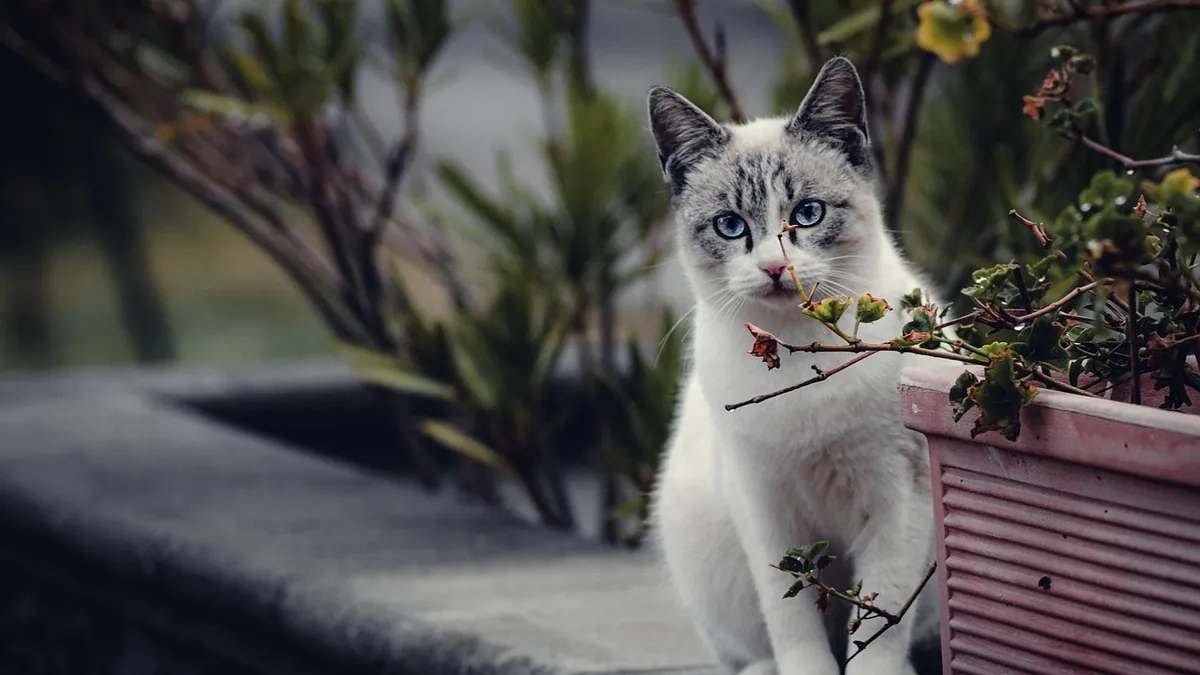
Is hoya pubicalyx toxic to cats? No. The ASPCA classifies hoya plants, including Hoya pubicalyx, as non-toxic to cats, and that same listing covers sweetheart hoya (Hoya kerrii) and its common names wax hearts and valentine hoya [1]. So if you are building a collection of hoyas and worrying about your cat, the genus as a whole gets a green light from the major plant toxicity database. The catch is that "non-toxic" does not mean "nothing can ever happen," because the sap can still cause mechanical irritation.
This article is educational and is not a substitute for veterinary diagnosis or treatment.
Quick Answer
- Hoya pubicalyx, Hoya bella, Hoya tricolor, Hoya obovata, and Hoya kerrii (hoya heart) are all considered non-toxic to cats by the ASPCA [1].
- The toxic principle listed for sweetheart hoya is "non-toxic," meaning there is no known poison in the plant [1].
- The milky latex sap is not a poison, but it can irritate a cat's mouth, lips, and skin if chewed or brushed against.
- A cat that eats a large amount of any plant can still vomit or have diarrhea from the bulk of plant material, even a safe one.
- If your cat shows repeated vomiting, drooling, or swelling, call your veterinarian or the ASPCA Animal Poison Control Center at (888) 426-4435.
Is Hoya Pubicalyx Toxic to Cats? The Whole Genus Explained
The short answer is no, and the longer answer is that this holds across the varieties owners ask about most.
The ASPCA Animal Poison Control Center maintains a toxic and non-toxic plant database, and its record for sweetheart hoya (Hoya kerrii, also called wax hearts and valentine hoya) lists the plant as non-toxic to dogs, cats, and horses [1]. The record also states the toxic principle is "non-toxic," which is the database's way of saying no known toxin has been identified in the plant [1]. Hoya kerrii belongs to the same genus as Hoya pubicalyx, Hoya bella, Hoya tricolor, and Hoya obovata, so the same non-toxic classification applies to the group.
That means you do not need to rehome your collection or panic if your cat nibbles a leaf. It also means you will not find hoya on the lists of plants that cause kidney failure, heart arrhythmias, or neurologic signs in cats. If you want to compare hoyas against plants that genuinely are dangerous, our guide to plants toxic to cats covers the ones that cause real emergencies.
Is Hoya Bella Toxic to Cats?
No. Hoya bella is a hoya, and the ASPCA non-toxicity listing for the genus covers it [1]. The plant's main risk to a cat is the same as any other houseplant: a stomachache from eating too much leafy material, or a mess on the floor.
Is Hoya Tricolor Toxic to Cats?
No. Hoya tricolor, often sold as a variegated form of Hoya carnosa, falls under the same non-toxic classification [1]. The variegation pattern does not change the plant's chemistry in any way that matters for cats.
Is Hoya Obovata Toxic to Cats?
No. Hoya obovata is non-toxic to cats according to the same ASPCA record [1]. Its thick, rounded leaves may actually be less tempting to chew than thin, grassy foliage, but even if your cat takes a bite, there is no toxin involved.
Is Hoya Heart Toxic to Cats?
No. Hoya heart is another name for Hoya kerrii, the sweetheart hoya, and the ASPCA lists it as non-toxic to cats [1]. This is the single-leaf plant often sold in small pots around Valentine's Day. It is safe to keep in a home with cats.
The Toxic Principle and What It Does in the Body
There is no toxic principle. The ASPCA record for sweetheart hoya states plainly that the toxic principle is non-toxic [1]. In practical terms, that means the plant does not contain a chemical that damages a cat's organs or disrupts normal body functions the way, for example, lilies or sago palms do.
What the plant does contain is latex, the milky white sap that leaks out when you snap a leaf or stem. Latex is a mixture of proteins, starches, and other compounds that the plant uses for defense and wound sealing. In hoyas, this sap is sticky and can be mildly irritating to mucous membranes. It is not a poison in the toxicological sense, but it is also not nothing. If a cat bites into a stem and gets sap on its gums, the sap can cause a local reaction: lip licking, pawing at the mouth, or a small amount of drooling. This is a contact irritation, not systemic poisoning.
The distinction matters for how you respond. A cat that chews a hoya leaf and drools a little is having a local reaction that typically settles on its own. A cat that eats a toxic plant and starts vomiting repeatedly, trembles, or collapses needs emergency care. Hoya does not cause the second picture.
Signs to Watch For and Their Typical Timeline
Most cats that interact with a hoya show no signs at all. The plant is not attractive enough to most cats to encourage heavy chewing, and the sap is sticky enough that a single bite often ends the experiment.
When signs do appear, they are usually mild and local:
- Drooling or lip smacking after biting a stem or leaf
- Pawing at the mouth
- Mild redness or irritation where sap contacted skin or lips
- One or two episodes of vomiting if a large amount of plant material was swallowed
- Soft stool or diarrhea from eating fibrous plant matter
These signs typically show up within minutes to a couple of hours of contact, which is consistent with a direct irritant effect instead of a toxin that has to be absorbed and metabolized. If your cat chewed a hoya and is acting completely normal an hour later, the risk of a delayed problem is very low.
Watch for anything that does not fit this mild pattern. Repeated vomiting, vomiting that continues for more than a few hours, refusal to eat, lethargy, swelling of the face or throat, or difficulty breathing are not typical hoya reactions and should prompt a call to your veterinarian. Those signs point to something else, and your cat needs to be seen.
What to Do Right Now
If you saw your cat chew a hoya and it is acting normally, you can take a breath. Wipe any visible sap off your cat's fur, lips, or paws with a damp cloth so it does not get spread to the eyes or swallowed during grooming. Offer fresh water. Then watch your cat for the next few hours.
If your cat is drooling, pawing at its mouth, or vomiting, call your veterinarian. You can also call the ASPCA Animal Poison Control Center at (888) 426-4435 or Pet Poison Helpline at (855) 764-7661. Both services are staffed around the clock and can help you decide whether your cat needs to be seen. Have the plant name ready, along with an estimate of how much your cat ate and when.
Do not induce vomiting unless a veterinarian tells you to. That instruction applies to every plant exposure, not just hoya. Making a cat vomit at home can cause aspiration, injure the esophagus, and is unnecessary for a plant that is not toxic in the first place.
If sap got into your cat's eye, flush the eye with plain saline or lukewarm water for several minutes and call your veterinarian. Eye irritation from plant sap is uncomfortable and can worsen if it is not rinsed out.
Veterinary Treatment for Hoya Exposure
For most hoya exposures, treatment is supportive and minimal. A veterinarian may examine your cat's mouth for sap residue or small cuts from chewing on a stem. If there is sap on the fur, they may clean it off. If your cat vomited once or twice, they may recommend a bland diet and monitoring at home.
If a cat ate a large amount of plant material, a veterinarian might treat the resulting stomach upset with fluids, anti-nausea medication, or a short course of a gastrointestinal protectant. The dose of any medication is calculated by the veterinarian based on your cat's weight and health status, so there is no home dose to give.
There is no antidote for hoya because there is no toxin to antidote. That is the main reason the outlook is so good.
Outlook
The outlook for a cat that chews a hoya is excellent. Because the plant is classified as non-toxic, there is no organ damage to reverse and no antidote to administer [1]. The vast majority of cats need nothing more than a wipe-down and a few hours of observation.
The rare cat that eats a large volume of plant matter may have a day of stomach upset. Even then, the problem is the bulk of the fiber, not a poison, and it resolves with supportive care.
Prevention and Cat-Proofing Your Hoya Collection
Even safe plants deserve sensible placement. Cats knock pots off shelves, dig in soil, and bat at trailing vines, so a little planning protects both your plants and your cat.
Hanging Plants
Hoyas are natural hangers, and that works in your favor. Suspend them from ceiling hooks or high brackets that are out of jumping range. Check that the hook is anchored into a stud or a proper ceiling anchor, because a pot of wet soil is heavier than it looks. Keep the trailing vines trimmed so they do not dangle low enough to become a toy.
Shelves and Plant Stands
If you prefer shelves, choose a spot your cat cannot reach from a counter, chair, or cat tree. Cats are excellent at chain-jumping, so map the route your cat would take before you decide a shelf is high enough. Museum putty or removable adhesive strips under pots can stop a curious paw from sliding a pot toward the edge.
Deterrents and Alternatives
Some cats ignore plants entirely. Others treat every leaf as a chew toy. If your cat is in the second group, offer a cat-safe grass pot as a decoy. Place it near the hoyas so your cat has a designated plant to nibble. Citrus scent, double-sided tape on shelf edges, and motion-activated air cans can also discourage climbing.
If you are choosing new plants and want to avoid anything risky, our guides to what plants can be toxic to cats and house plants toxic to cat walk through the common offenders. If you already have a plant and are not sure what it is, house plants toxic to cats pictures can help you compare leaf shapes and growth habits.
Sap Cleanup
When you prune or repot a hoya, sap will drip. Wear gloves if you have sensitive skin, and wipe up drips before your cat walks through them. Sap on a paw gets groomed off, and while it is not toxic, it can cause a sticky, uncomfortable mouth. Rinse the area with water and mild soap, then dry it.
Limitations and When to Contact a Veterinarian
Individual cases need a veterinarian. No article can examine your cat, and a plant identification from a photo is not a diagnosis.
Contact your veterinarian the same day if your cat vomited more than once, is drooling heavily, is pawing at its mouth repeatedly, or has sap in an eye that you cannot fully rinse out.
Go to an emergency clinic now if your cat has trouble breathing, swelling of the face, lips, or throat, repeated vomiting that will not stop, collapse, tremors, or a racing or irregular heartbeat. These signs are not typical of hoya exposure and suggest a different cause that needs immediate attention.
Schedule a routine visit if your cat has a small sore in the mouth that is not healing, or if you notice ongoing pawing at the face over several days.
Frequently Asked Questions
Are hoya plants safe for cats?
Yes. The ASPCA lists hoya plants as non-toxic to cats, and that classification covers the common varieties owners keep, including Hoya kerrii and its relatives [1]. The main caveat is the milky sap, which can irritate the mouth and skin even though it is not a poison.
Can hoya sap hurt my cat?
The sap can cause local irritation, not poisoning. If your cat bites a stem, you may see drooling, lip licking, or pawing at the mouth for a short time. Rinse the area with water, wipe off any sap on the fur, and call your veterinarian if the signs do not settle.
My cat ate a hoya leaf. Should I make it vomit?
No. Never induce vomiting unless a veterinarian tells you to. Hoya is not toxic, so there is nothing to purge, and forcing vomiting at home can cause choking or injury to the esophagus.
Do I need to get rid of my hoya if I have a cat?
No. You can keep your hoya collection with a cat in the home. Place hanging plants out of jumping range, secure pots on shelves, and offer a cat-safe grass pot as a chew alternative.
What should I do if I am not sure whether my plant is a hoya?
Call your veterinarian or a poison control service with a photo and a description before assuming it is safe. Plant misidentification is common, and some lookalike houseplants are genuinely dangerous to cats.
Related Articles
- Plants Toxic To Cats
- What Plants Can Be Toxic To Cats
- House Plants Toxic To Cat
- What Plants Are Toxic To Cats Indoor
- House Plants Toxic To Cats Pictures
- House Plants Toxic To Kittens
- Is Hoya Compacta Toxic to Cats? Hindu Rope Plant
- Is Hoya Toxic to Dogs? What to Do If Your Dog Eats One
- Is ZZ Plant Toxic to Cats? Raven, Black and Other Varieties
References
- Toxic and Non-toxic Plants: Sweetheart Hoya. ASPCA Animal Poison Control Center.