Is Rubber Plant Tineke Toxic to Cats? Ficus Safety
By Dr. Zubair Khalid, DVM, MS, PhD ·
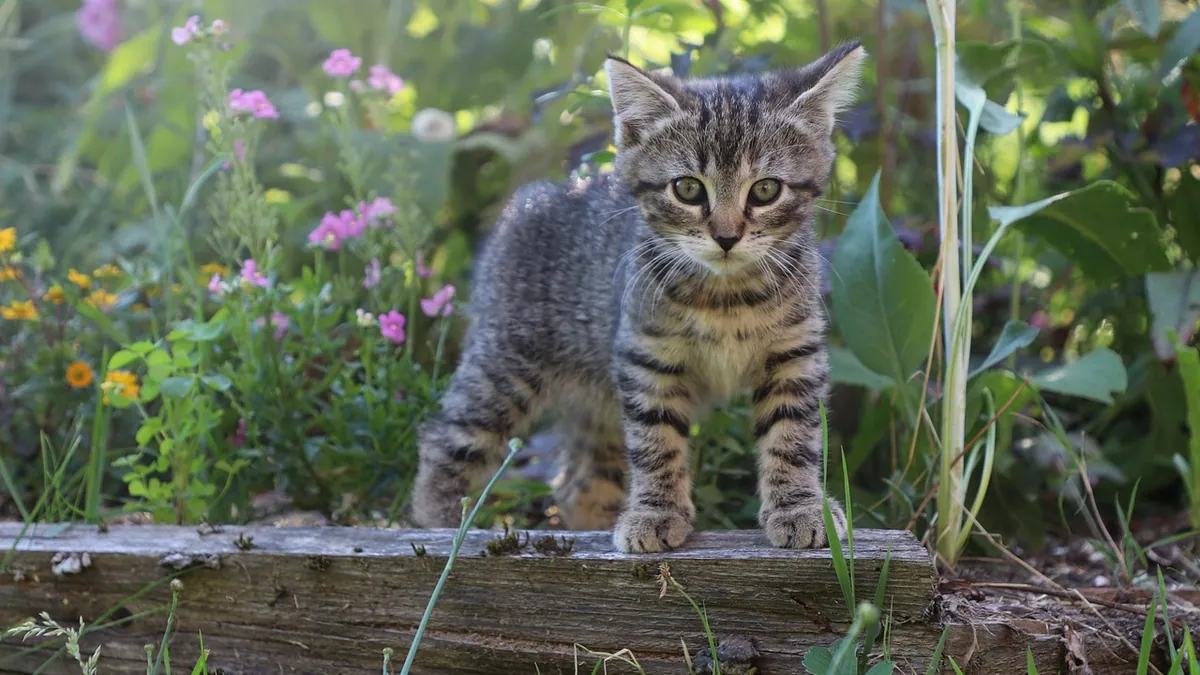
Is rubber plant Tineke toxic to cats? Yes. The Tineke rubber plant is a cultivar of Ficus elastica, and ficus plants are toxic to cats. Chewing the leaves or stems can cause mouth irritation, drooling, vomiting, and sometimes skin reactions.
This article is educational and is not a substitute for veterinary diagnosis or treatment.
Quick Answer
- The Tineke rubber plant is a variegated Ficus elastica. Ficus plants in this group are listed as toxic to cats [1].
- The toxic principles are proteolytic enzymes (ficin) and psoralens (ficusin), which irritate tissue and can cause gastrointestinal and skin signs [1].
- The milky white sap is the most irritating part. It is found in leaves, stems, and any broken cutting.
- Most exposures cause mild to moderate signs. Serious problems are uncommon but possible with large ingestions or skin contact.
- If your cat chewed the plant, wipe the mouth with a damp cloth, offer water, and call your veterinarian or the ASPCA Animal Poison Control Center at (888) 426-4435 or Pet Poison Helpline at (855) 764-7661. Do not induce vomiting unless a veterinarian tells you to.
Is Rubber Plant Tineke Toxic to Cats?
Yes. The Tineke rubber plant belongs to the Ficus genus, and the ASPCA lists Indian rubber plant (Ficus benjamina) as toxic to both dogs and cats [1]. Tineke is a cultivar of Ficus elastica, a close relative in the same genus. The same toxic principles apply across these ficus plants.
This is different from the "baby rubber plant" or "American rubber plant," which is actually Peperomia obtusifolia. That plant is listed as non-toxic to cats and dogs [2][3]. The common names are confusing, so check the scientific name on the plant tag. If the tag says Ficus elastica 'Tineke', treat it as toxic.
Which Parts Are Toxic?
The whole plant contains the irritating sap, but the leaves and stems are what cats usually chew. The milky latex sap leaks out when a leaf is torn, a stem is broken, or a cutting is trimmed. A cat that bats at a dropped leaf and then grooms its paw can spread sap to its mouth, face, and eyes.
What About the Sap on Skin or Fur?
The sap can irritate skin and eyes. Psoralens in ficus sap can also make skin more sensitive to sunlight, which may lead to redness or darkening in exposed areas [1]. If sap gets on your cat, wash the area with mild soap and lukewarm water. If it gets in an eye, flush with plain saline or water and call your veterinarian.
The Toxic Principle and What It Does in the Body
Ficus plants contain proteolytic enzymes such as ficin and psoralens such as ficusin [1]. Ficin is an enzyme that breaks down proteins. When it contacts the moist tissues of the mouth, tongue, and stomach lining, it can cause direct irritation and inflammation. Psoralens are compounds that react with ultraviolet light and can cause photosensitivity.
In practice, this means the plant acts as a local irritant more than a systemic poison. The cat's mouth stings, it drools, and it may paw at its face. If plant material reaches the stomach, vomiting and stomach upset can follow.
Ficus species appear in veterinary toxicology reviews of houseplant poisonings in companion animals, which confirms that these plants are a recognized cause of pet exposures indoors [4]. Plant poisonings in cats and dogs are less common than in grazing animals, but ornamental houseplants are a leading source when they do happen [5].
Signs of Rubber Plant Tineke Poisoning in Cats
Signs usually reflect irritation of the mouth, gut, or skin. Watch for:
- Drooling or excessive salivation
- Pawing at the mouth or face
- Redness, swelling, or ulcers on the lips, tongue, or gums
- Vomiting, sometimes with plant pieces visible
- Reduced appetite or refusing food
- Diarrhea
- Skin redness, itching, or a rash where sap touched the coat
- Eye redness, squinting, or tearing if sap got into an eye
How Soon Do Signs Appear?
Mouth irritation and drooling often start within minutes to a couple of hours of chewing. Vomiting and stomach upset typically follow within a few hours. Skin reactions may take longer, especially if the cat was exposed to sunlight after contact with the sap. If your cat shows no signs within a few hours of a small nibble, serious poisoning is unlikely, but keep watching for the rest of the day.
How Serious Is It?
Most cats that chew a Tineke leaf have mild signs and recover with supportive care. Severe cases are uncommon. Large ingestions, repeated vomiting, or sap in the eye need prompt veterinary care.
What to Do Right Now
- Move the plant out of reach and take a photo of it, including the tag if you have one.
- Look in your cat's mouth. If you see plant material, gently remove it with a gloved finger or a damp cloth. Do not put your bare fingers deep into the mouth of a painful cat, because it may bite.
- Wipe the lips and gums with a cool, damp cloth and offer fresh water.
- Call your veterinarian, the ASPCA Animal Poison Control Center at (888) 426-4435, or Pet Poison Helpline at (855) 764-7661. A consultation fee may apply for poison control services [2].
- Do not induce vomiting unless a veterinarian tells you to. Vomiting can worsen mouth and throat irritation and is not always helpful.
- Do not give human medications, milk, or home remedies unless your veterinarian advises it.
If your cat is drooling heavily, vomiting repeatedly, having trouble breathing, or has a swollen face, treat it as an emergency and go to the nearest veterinary hospital.
How Veterinarians Treat Rubber Plant Poisoning
Treatment depends on the signs and how much plant material was eaten. Your veterinarian will ask what plant it was, when the cat chewed it, and what signs you have seen. Bring the plant name or a photo.
Common steps include:
- Oral decontamination if it is safe and recent. This may mean rinsing the mouth or, in selected cases, giving activated charcoal. Your veterinarian decides based on the timing and the cat's condition.
- Fluids under the skin or into a vein if the cat is dehydrated from vomiting or drooling.
- Anti-nausea medication and stomach protectants to settle the gut.
- Pain relief for mouth ulcers or irritation.
- Eye flushing and eye medication if sap reached the eye.
- Skin washing and, if needed, treatment for contact dermatitis.
There is no specific antidote for ficus poisoning. Care is supportive and aimed at the signs. Your veterinarian calculates any medication dose from your cat's weight and health, so never use a leftover or human product on your own.
Outlook After Ingestion
The outlook is good for most cats. Mild mouth irritation and stomach upset usually improve within 24 to 48 hours with supportive care. Cats with eye exposure need prompt flushing and may need a recheck to make sure the cornea is not damaged. Cats that ate a large amount or have ongoing vomiting may need a longer hospital stay. If your cat has a pre-existing heart, kidney, or digestive condition, ask your veterinarian about a specific plan for your pet.
Preventing Rubber Plant Tineke Poisoning
The simplest prevention is to keep the plant where your cat cannot reach it. Cats climb, so a high shelf is not always enough. Consider these options:
- Hang the plant from a ceiling hook with no nearby furniture to jump from.
- Place it in a room your cat cannot enter, such as a closed office.
- Use a sturdy cover or cabinet that blocks access to soil and leaves.
- Pick up fallen leaves and trimmings right away. Sap on a dropped leaf can still irritate a cat.
- Wear gloves when you prune, and wash your hands and tools afterward.
- If you repot the plant, do it outside or in a closed room away from your cat.
If you want a cat-safe plant, choose species listed as non-toxic. The baby rubber plant (Peperomia obtrofifolia) is listed as non-toxic to cats and dogs [2][3]. Other cat-safe options include spider plants and snake plants, which you can read about in Are Spider Plants Toxic To Cats and Are Snake Plants Toxic To Cats. For a full list of plants to avoid, see Plants Toxic To Cats and House Plants Toxic To Cat. If you are unsure whether a plant is safe, check the scientific name before you bring it home.
Limitations and When to Contact a Veterinarian
This article covers general information about ficus plants and cats. It cannot tell you how your individual cat will respond. Every case needs a veterinarian who can examine your cat, ask about the exposure, and decide on treatment.
Contact your veterinarian the same day if your cat:
- Chewed any part of a Tineke rubber plant
- Is drooling more than usual or pawing at its mouth
- Vomited once or twice
- Has mild redness or irritation on the lips or gums
- Has sap on the fur or skin
Go to an emergency clinic now if your cat:
- Is vomiting repeatedly or cannot keep water down
- Has swelling of the face, lips, or tongue
- Is having trouble breathing or making noisy breathing sounds
- Has sap in the eye, is squinting, or the eye looks cloudy
- Is weak, wobbly, or unusually quiet
- Has not eaten for more than 24 hours
Schedule a routine visit if signs were mild and have resolved, but you want your cat checked. A veterinarian can look for mouth ulcers or other problems you may not see at home.
Frequently Asked Questions
Is the Tineke rubber plant the same as a baby rubber plant?
No. The Tineke rubber plant is a Ficus elastica cultivar, and ficus plants are toxic to cats [1]. The baby rubber plant is Peperomia obtusifolia, which is listed as non-toxic to cats and dogs [2][3]. The similar common names cause a lot of confusion, so always check the scientific name.
Can my cat die from eating a rubber plant Tineke leaf?
Death is very unlikely from a single leaf. Most cats develop mouth irritation, drooling, or vomiting and recover with supportive care. Large ingestions or sap in the eye are more serious and need prompt veterinary attention.
Should I make my cat vomit after it eats a rubber plant?
No. Do not induce vomiting unless a veterinarian tells you to. The sap irritates the mouth and throat, and vomiting can make that worse. Call your veterinarian or a poison control line first and follow their instructions.
How long do symptoms last after a cat chews a rubber plant?
Mouth irritation and drooling often improve within a few hours to a day. Vomiting and stomach upset usually settle within 24 to 48 hours with treatment. If signs last longer or get worse, call your veterinarian.
Is it safe to keep a Tineke rubber plant in a home with cats?
It can be kept if your cat cannot reach it. Place it in a closed room, hang it out of reach, and clean up fallen leaves and trimmings right away. If your cat is a determined chewer, choose a plant listed as non-toxic instead.
Related Articles
- Are Snake Plants Toxic To Cats
- Plants Toxic To Cats
- House Plants Toxic To Cat
- Are Spider Plants Toxic To Cats
- Are Lilies Toxic to Cats?
- Plants That Aren't Toxic To Cats And Dogs
- Is Ficus Rubber Plant Toxic to Cats? Signs to Watch
- Is Rubber Plant Toxic to Cats? Varieties and Risks
- Is Rubber Plant Toxic to Dogs? Ficus Elastica Safety
References
- Toxic and Non-toxic Plants: Indian Rubber Plant. ASPCA Animal Poison Control Center.
- Toxic and Non-toxic Plants: Baby Rubber Plant. ASPCA Animal Poison Control Center.
- Toxic and Non-toxic Plants: American Rubber Plant. ASPCA Animal Poison Control Center.
- Indoor Companion Animal Poisoning by Plants in Europe. Frontiers in veterinary science, 2020.
- Potential plant poisonings in dogs and cats in southern Africa. Journal of the South African Veterinary Association, 2009.