Is Hoya Toxic to Dogs? What to Do If Your Dog Eats One
By Dr. Zubair Khalid, DVM, MS, PhD ·
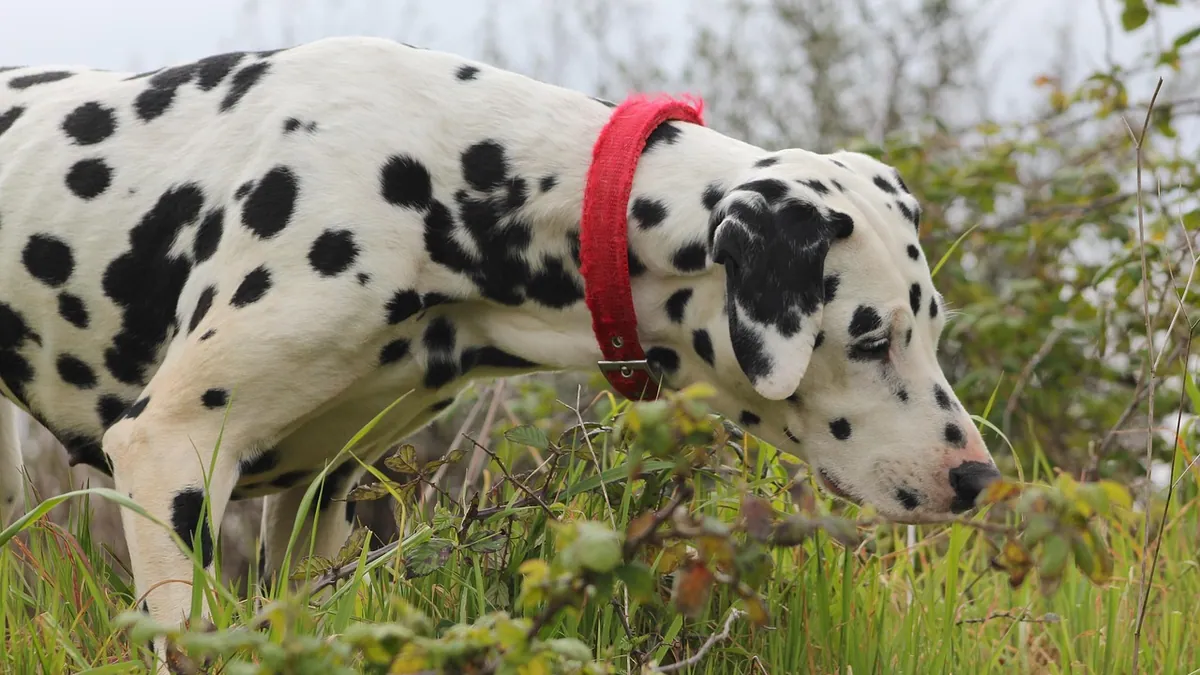
Is hoya carnosa toxic to dogs? No. Hoya carnosa and the other common hoya varieties sold as houseplants are considered non-toxic to dogs [1]. If your dog chews a leaf or knocks over the pot, you are not dealing with a poisoned pet in most cases, though a large meal of plant material can still upset the stomach.
This article is educational and is not a substitute for veterinary diagnosis or treatment.
Quick Answer
- Hoya carnosa, Hoya australis, Hoya kerrii, and Hoya bella are all listed as non-toxic to dogs, and the sweetheart hoya (Hoya kerrii) carries no toxic principle [1].
- The waxy leaves, stems, and flowers are the parts dogs most often chew, and none of them contain a known dog poison [1].
- A dog that eats a lot of hoya can still vomit or have diarrhea from the plant fiber alone, which is a stomach issue, not poisoning.
- If your dog ate hoya and seems normal, offer water, watch for vomiting or diarrhea, and call your veterinarian or the ASPCA Animal Poison Control Center at (888) 426-4435 if you are unsure.
- If your dog has repeated vomiting, drooling, tremors, weakness, or trouble breathing, treat it as an emergency and go to a vet now.
Is Hoya Carnosa Toxic to Dogs?
No. The ASPCA Animal Poison Control Center lists sweetheart hoya (Hoya kerrii), also called wax hearts or valentine hoya, as non-toxic to dogs, cats, and horses, with no toxic principle identified [1]. Hoya kerrii belongs to the family Asclepiadaceae, the same broad group that includes many hoya species kept as houseplants [1].
That listing matters because owners often search for one variety at a time. The related searches all point to the same family of plants.
Is Hoya Australis Toxic to Dogs?
Hoya australis is a hoya, and the hoya varieties commonly grown indoors are treated as non-toxic to dogs [1]. It has thick, glossy leaves and a milky sap, and the sap can irritate skin or mouth tissue in sensitive dogs, but that is a local irritation, not systemic poisoning.
Is Hoya Kerrii Toxic to Dogs?
Hoya kerrii is the sweetheart hoya, the one with heart-shaped leaves. The ASPCA lists it as non-toxic to dogs with no toxic principles [1]. This is the variety most often given as a gift, so it is also the one most often chewed by curious puppies.
Is Hoya Bella Toxic to Dogs?
Hoya bella is a small-leafed hoya often grown in hanging baskets. Like the other hoya varieties, it is not on the toxic plant list for dogs [1]. A hanging basket can still be a hazard if your dog pulls it down and eats the potting soil or the plastic hanger.
Is Hoya Wax Plant Toxic to Dogs?
The wax plant is another common name for hoya, and it is non-toxic to dogs [1]. The name comes from the waxy, porcelain-like flowers, not from any wax or toxin in the plant.
Are Hoya Leaves Toxic to Dogs?
Hoya leaves are not toxic to dogs [1]. A dog that eats one or two leaves is unlikely to have any problem beyond a bit of drooling or a soft stool. The bigger risk with a large amount of leaves is a mechanical upset stomach, because plant fiber is hard for dogs to digest.
What Is the Toxic Principle in Hoya?
There is no toxic principle in hoya that affects dogs [1]. That is the plain answer, and it is why hoya sits on the non-toxic side of plant lists instead of the poisonous side.
Some houseplants contain compounds that act on the heart, the nervous system, or the gut. Grayanotoxins, for example, come from plants in the Ericaceae family such as rhododendrons and Pieris japonica, and they cause retching, regurgitation, and vomiting in animals that eat them [2]. Hoya is not in that group and does not make grayanotoxins [1].
Other plant poisons work differently. Methomyl, a carbamate pesticide, blocks acetylcholinesterase and can cause severe respiratory and bleeding problems in dogs [3]. Copper-associated liver disease can cause sudden death and is sometimes mistaken for malicious poisoning [4]. None of these mechanisms apply to hoya.
If your dog is sick after eating a plant, the plant may not be the whole story. Pesticides on the leaves, fertilizer in the soil, or a different plant in the same pot can all be involved. That is one reason a veterinarian may ask what else was in or near the pot.
Signs to Watch For and When They Appear
With hoya, most dogs show no signs at all. When signs do appear, they usually come from eating a large volume of plant material.
Watch for:
- Vomiting, which may happen within an hour or two of a big plant meal
- Diarrhea or soft stool, often later the same day
- Drooling, especially if the sap touched the mouth
- Lip smacking or pawing at the mouth from sap irritation
- Loss of appetite for a meal or two
- Mild lethargy after a large ingestion
These signs are not specific to hoya. Vomiting and diarrhea are common in many plant ingestions, and in ruminants they can be an early clue to plant poisoning in general [2]. In dogs, the same signs can come from dietary indiscretion, a stomach bug, or eating something else entirely.
Signs that are not typical of hoya and should push you to seek care right away include tremors, weakness, collapse, trouble breathing, a racing heart, pale gums, or blood in the vomit or stool. Those point to a different cause, and they need a veterinarian now.
What to Do Right Now If Your Dog Ate Hoya
Stay calm and take a few practical steps.
- Move your dog away from the plant and pick up any fallen leaves or stems.
- Look in your dog's mouth for leaves, stems, or sap. Wipe the mouth with a damp cloth if you see sap.
- Figure out how much was eaten. A single chewed leaf is very different from a dog that stripped a whole hanging basket.
- Save the plant or a photo of it. A veterinarian or poison control specialist can confirm the identity.
- Offer fresh water. Do not force your dog to drink.
- Call for advice if you are unsure. The ASPCA Animal Poison Control Center is at (888) 426-4435 and Pet Poison Helpline is at (855) 764-7661. Both are staffed by trained toxicology professionals.
Do not induce vomiting unless a veterinarian tells you to. Making a dog vomit when it does not need to can cause aspiration, throat injury, or worse. For a non-toxic plant like hoya, vomiting is usually not needed at all.
If your dog ate something else along with the hoya, or if you are not sure what the plant was, treat it like any unknown ingestion. Our guide on what to do if your dog ate something toxic walks through the first steps. If the plant was not hoya, see dog ate toxic plant and plants poisonous to dogs for a broader look at what to watch for.
Veterinary Treatment for Hoya Ingestion
Most dogs that eat hoya need no treatment at all. A veterinarian may do a physical exam, ask about the amount eaten, and check for dehydration if vomiting has been going on.
If your dog is vomiting, treatment is supportive. That can include fluids under the skin or into a vein, medication to settle the stomach, and a bland diet for a day or two. If a large amount of plant material is sitting in the stomach and the vet decides it should come out, they will induce vomiting in the clinic under supervision, not at home.
Blood work is not routine for a known hoya ingestion in a dog that looks well. It may be recommended if your dog has ongoing vomiting, diarrhea, or other signs that do not fit a simple stomach upset. A veterinarian calculates any medication dose from your dog's weight and health, so never give human anti-nausea or pain medicine on your own.
If the plant was misidentified, or if the pot contained fertilizer, pesticide, or a different plant, treatment changes. Pesticide poisonings such as methomyl can cause severe lung and bleeding problems and need aggressive care [3]. Plant poisons from other families can cause heart or nerve signs and need different treatment [2]. This is why identifying the plant matters so much.
Outlook After a Dog Eats Hoya
The outlook is good. Hoya is non-toxic to dogs, so a dog that eats it and looks normal is expected to stay normal [1]. Mild stomach upset from plant fiber usually settles within a day.
The outlook is also good for dogs that vomit a few times and then recover with supportive care. The main thing that changes the picture is what else was eaten. If your dog got into a different plant, a pesticide, or a large amount of fertilizer, the outlook depends on that substance, not on the hoya.
Call your veterinarian if vomiting lasts more than a few hours, if your dog cannot keep water down, or if your dog seems painful or dull. Those are reasons to be seen, even when the plant itself is safe.
Prevention and Safer Alternatives
The simplest prevention is placement. Put hoya on a shelf, a windowsill, or a hanging basket that your dog cannot reach. Keep the floor clear of fallen leaves and flowers, since those are the parts a dog is most likely to pick up.
If your dog is a dedicated plant chewer, think about what else is in the house. Some popular houseplants are genuinely dangerous, and a dog that chews one plant will often chew another. Our list of plants poisonous to dogs can help you spot the risky ones. If you are not sure whether a plant in your home is safe, ask your veterinarian or a poison control service before you bring it inside.
Safer options for a plant-loving dog include sturdy, non-toxic houseplants and plenty of dog-safe chew toys. Rotate the toys so they stay interesting. A bored dog is more likely to sample the greenery.
Keep the poison control numbers saved in your phone. The ASPCA Animal Poison Control Center is at (888) 426-4435 and Pet Poison Helpline is at (855) 764-7661. Having them ready saves time in a stressful moment.
Limitations and When to Contact a Veterinarian
This article covers hoya, a non-toxic plant. It cannot tell you what your individual dog will do after eating a plant, and it cannot replace an exam. Individual cases need a veterinarian who can see your dog, ask questions, and decide what care is needed.
Contact a veterinarian the same day if:
- Your dog vomited more than two or three times
- Your dog has diarrhea that is not settling
- Your dog will not eat or seems dull
- You are not sure what plant was eaten
- Your dog ate a large amount of plant material or potting soil
Go to an emergency clinic now if:
- Your dog is trembling, weak, or collapsing
- Your dog is having trouble breathing or is breathing fast at rest
- Your dog's gums are pale, white, or blue
- Your dog is vomiting blood or has bloody stool
- Your dog's belly looks bloated or is painful to touch
- Your dog is having a seizure
Schedule a routine visit if your dog has a habit of eating plants and you want help making your home safer. A veterinarian can review your plant list and talk through what to keep and what to remove.
Frequently Asked Questions
Can my dog get sick from eating a whole hoya plant?
A whole plant is a lot of fiber, so vomiting or diarrhea is possible, but the plant itself is not poisonous to dogs [1]. Most dogs recover with rest, water, and a bland diet. Call your vet if the vomiting does not stop.
Should I make my dog throw up after eating hoya?
No, not unless a veterinarian tells you to. Hoya is non-toxic, so there is usually nothing to remove [1]. Inducing vomiting at home can cause choking or throat damage, and it is only done in specific cases under veterinary direction.
Is the sap from a hoya plant dangerous to dogs?
The milky sap can irritate the mouth or skin, but it is not a poison [1]. Wipe the area with a damp cloth and watch for drooling or pawing at the mouth. If irritation is severe or does not settle, call your vet.
My dog ate hoya and seems fine. Do I still need to call the vet?
Not always. If your dog ate a small amount, is acting normal, and has no vomiting or diarrhea, you can watch at home. Call if signs start, if you are unsure how much was eaten, or if you want peace of mind.
Are all hoya varieties safe for dogs?
The hoya varieties commonly kept as houseplants, including carnosa, australis, kerrii, and bella, are considered non-toxic to dogs [1]. If you cannot identify your plant, treat it as unknown and call a veterinarian or poison control for guidance.
Related Articles
- My Dog Ate a Mushroom: How to Tell If It's Toxic
- Dog Ate Toxic Plant
- Plants Poisonous To Dogs
- What to Do If Your Dog Ate Something Toxic: First Aid Steps
- How Much Chocolate Can Be Toxic To Dogs
- Can Dogs Eat Avocado? Persin Poisoning & Fat Risks
- Are Succulents Toxic to Dogs? Which Ones to Avoid
- Is Jade Plant Toxic to Dogs? What to Do If They Eat It
- Is Calla Lily Poisonous to Dogs? Signs and What to Do
References
- Toxic and Non-toxic Plants: Sweetheart Hoya. ASPCA Animal Poison Control Center.
- Grayanotoxin poisoning in animals following the ingestion of Ericaceae plants. Veterinary journal (London, England : 1997), 2026.
- Methomyl poisoning in dogs: report of 5 cases and literature review. Journal of veterinary diagnostic investigation : official publication of the American Association of Veterinary Laboratory Diagnosticians, Inc, 2026.
- Case Report: Fatal copper-associated hepatopathy in a Belgian Shepherd Malinois dog initially investigated as suspected malicious poisoning. Frontiers in veterinary science, 2026.