Is Moonshine Snake Plant Toxic to Cats?
By Dr. Zubair Khalid, DVM, MS, PhD ·
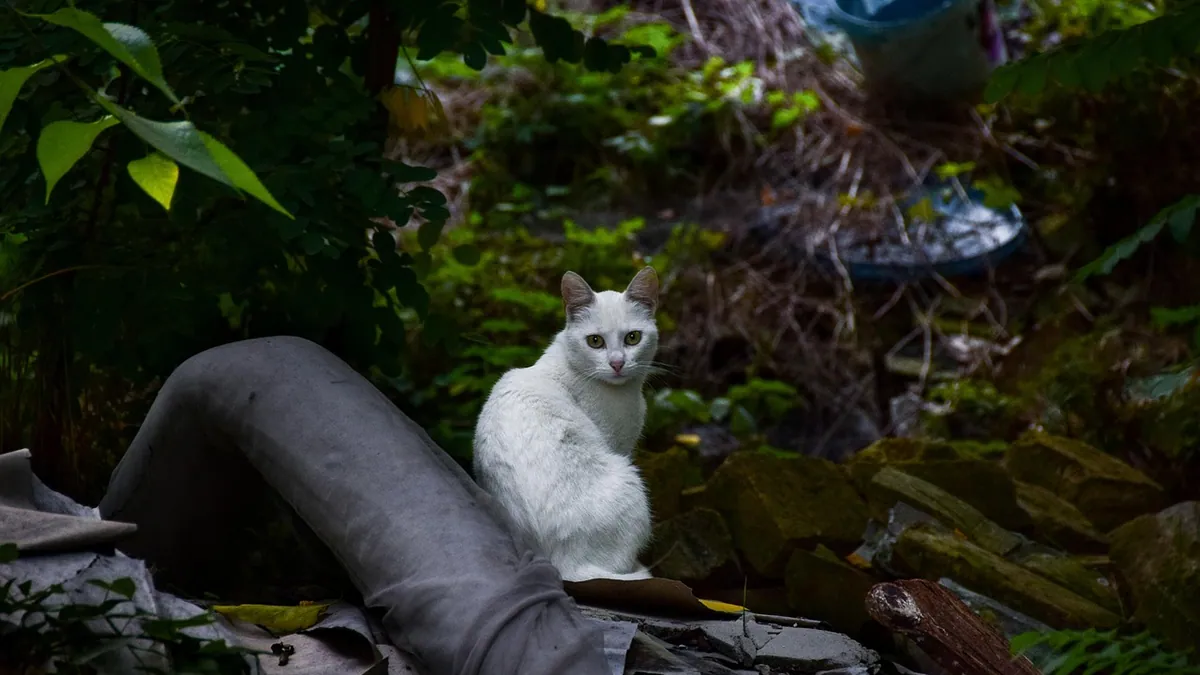
Is moonshine snake plant toxic to cats? Yes. The Moonshine snake plant is a cultivar of Sansevieria trifasciata, and every cultivar in that species carries the same saponin toxins that make snake plants poisonous to cats [1]. Eating any part of the plant can cause nausea, vomiting, and diarrhea in your cat [1].
This article is educational and is not a substitute for veterinary diagnosis or treatment.
Quick Answer
- All snake plant cultivars, including Moonshine, are toxic to cats because they contain saponins [1].
- The ASPCA lists Sansevieria trifasciata as toxic to both cats and dogs, with clinical signs of nausea, vomiting, and diarrhea [1].
- Every part of the plant is a risk. The leaves, stems, and roots all contain saponins, and there is no "safe" portion.
- Most exposures cause stomach upset instead of life-threatening poisoning, but a cat that eats a large amount needs veterinary care.
- If your cat has eaten any part of a Moonshine snake plant, call your veterinarian, the ASPCA Animal Poison Control Center at (888) 426-4435, or Pet Poison Helpline at (855) 764-7661. Do not make your cat vomit unless a veterinarian tells you to.
Is the Moonshine Snake Plant Toxic to Cats?
Yes. The Moonshine snake plant (Sansevieria trifasciata 'Moonshine') is toxic to cats [1]. It belongs to the same species as the more familiar dark green snake plant, sometimes called mother-in-law's tongue or good luck plant [1]. The ASPCA classifies Sansevieria trifasciata as toxic to cats and dogs, and it names saponins as the toxic principle [1].
The Moonshine cultivar has pale, silvery-green leaves, but its color does not change its chemistry. Cultivar names describe appearance, not toxicity. A Moonshine snake plant, a golden bird's nest snake plant, and a standard mother-in-law's tongue all carry the same saponin risk to cats [1].
Which Parts of the Plant Are Toxic?
All parts of the snake plant contain saponins [1]. That includes the tall upright leaves, the leaf tips, the base of the plant, and the underground rhizomes. Chewing, biting, or swallowing any portion can trigger signs.
Dried or fallen leaves are still a risk. A leaf that dropped off weeks ago and dried on the floor can still cause stomach upset if your cat chews it. Cut flowers are not the main concern with this plant, but the foliage is.
Are Other Snake Plant Varieties Also Toxic?
Yes. The toxicity applies to the species as a whole, so any Sansevieria trifasciata cultivar is a concern for cats [1]. Common names you may see on plant tags include golden bird's nest, mother-in-law's tongue, and good luck plant, and all of them refer to the same toxic species [1].
If you are unsure what plant you have, treat it as toxic until you can identify it. You can also review a broader list of plants toxic to cats to check other houseplants in your home.
What Makes Snake Plants Poisonous to Cats?
The toxic principle in snake plants is saponins [1]. Saponins are natural chemical compounds found in many plants. They act like a detergent at the molecular level, which is why they irritate the tissues they touch.
When a cat chews a snake plant leaf, saponins contact the mouth, tongue, and stomach lining. That direct irritation is what drives the nausea, vomiting, and diarrhea listed by the ASPCA for this plant [1]. The irritation is local and gastrointestinal, which is why most cases involve the stomach and gut instead of the nervous system or heart.
This is different from plants that cause organ damage or neurologic collapse. For example, some plant poisonings in cats produce neurologic deficits, and a retrospective study of 166 poisoned cats found that neurologic signs were the most common presentation, appearing in 68.7 percent of cases [2]. Snake plant saponins do not typically behave that way. The expected picture is stomach upset.
That distinction matters for how worried you should be. A cat that nibbles a Moonshine leaf is likely to vomit or have loose stool, not to develop seizures. Still, any cat that is vomiting repeatedly, acting painful, or refusing to eat needs to be seen.
Signs of Snake Plant Poisoning in Cats
The classic signs of snake plant poisoning in cats are nausea, vomiting, and diarrhea [1]. These can appear alone or together.
What You Might See at Home
- Vomiting, sometimes shortly after chewing the plant
- Diarrhea, which may be soft or watery
- Nausea, which in cats can look like lip licking, drooling, or repeated swallowing
- Drooling or pawing at the mouth if the sap irritates the mouth
- Reduced appetite or a cat that turns away from food
- Hiding, low energy, or a generally "off" mood
Some cats show only mild drooling and one episode of vomiting. Others have several rounds of vomiting and diarrhea. The amount eaten, the cat's size, and how sensitive that cat is all play a role.
How Soon Do Signs Start?
Signs usually start within hours of ingestion. Many cats show stomach upset the same day they chew the plant. If your cat ate a snake plant and is still completely normal 12 to 24 hours later, serious poisoning is less likely, but keep watching for a day.
If signs are going to appear, they typically do so in that first several-hour window. A cat that vomits once and then acts normal is a different situation from a cat that vomits repeatedly for hours.
When Signs Are More Serious
Repeated vomiting and diarrhea can lead to dehydration, especially in kittens, senior cats, or cats with kidney disease or other chronic conditions. Dehydration can make a cat feel much worse than the original plant exposure did.
Watch for these more serious signs:
- Vomiting that will not stop
- Diarrhea that continues for more than a day
- Refusing all food and water
- Weakness, wobbliness, or collapse
- Panting, restlessness, or signs of pain
- Little or no urine output
Any of these warrant a call to your veterinarian or an emergency clinic right away.
What to Do Right Now If Your Cat Ate a Moonshine Snake Plant
First, move your cat away from the plant and remove any plant pieces from reach. Then check your cat's mouth for leftover leaf material and wipe it out with a cloth if you can do so safely. Do not put your fingers deep into a cat's mouth, since a scared or painful cat may bite.
Next, call for advice. You have three good options:
- Your own veterinarian or the nearest emergency veterinary clinic
- ASPCA Animal Poison Control Center at (888) 426-4435
- Pet Poison Helpline at (855) 764-7661
Have this information ready: your cat's weight, the plant's name, how much you think was eaten, and when it happened. If you can, take a photo of the plant or bring a leaf with you.
Do not induce vomiting unless a veterinarian tells you to. Making a cat vomit at home can cause choking, aspiration, or other harm, and it is not the right move for every plant exposure. Let a veterinarian decide whether decontamination is needed.
Do not give human medications, home remedies, milk, oil, or charcoal without veterinary guidance. These can complicate treatment or mask signs your veterinarian needs to see.
If your cat is vomiting, having trouble breathing, collapsing, or seems severely painful, skip the phone call and go straight to an emergency clinic.
How Veterinarians Treat Snake Plant Poisoning in Cats
Treatment depends on your cat's signs and how much was eaten. Many mild cases need only supportive care at home with monitoring.
For cats with vomiting or diarrhea, veterinarians often provide:
- Fluids to correct dehydration, given under the skin or into a vein
- Medication to control nausea and vomiting
- Medication to settle the stomach or soothe the gut lining
- A bland diet or a short food break, then a gradual return to normal food
- Blood work if the cat is very ill, very young, very old, or has other health problems
If the exposure just happened and your cat is stable, your veterinarian may discuss decontamination options. Whether that is appropriate depends on timing, the amount eaten, and your cat's condition. Your veterinarian sets that plan for your pet.
If your cat has an underlying condition, treatment may be adjusted. For example, cats with kidney disease need careful fluid and electrolyte management, and potassium balance can be a concern in some sick cats [3]. Cats with chronic kidney disease are often monitored with symmetric dimethylarginine testing, and results can be affected by factors like hemolysis, so your veterinarian interprets lab work in context [4]. None of this changes the basic saponin story, but it does mean your cat's overall health matters when planning care.
Outlook After a Cat Eats a Snake Plant
The outlook for most cats that eat a snake plant is good. Saponin poisoning from this plant usually causes stomach upset instead of organ failure, and most cats recover with supportive care [1].
Cats that vomit once or twice and then return to normal often need no treatment beyond monitoring at home. Cats with more vomiting and diarrhea may need a day or two of veterinary care and fluids. Severe cases are uncommon, but they can happen, especially in cats that eat a large amount or that have other health problems.
The survival rate for poisoned cats in general is high. In one study of 166 cats treated for poisoning, 88.6 percent survived [2]. That study covered many toxicants, not snake plants specifically, so it is a general picture instead of a prediction for your cat. Your veterinarian can give you a better sense of your cat's outlook after an exam.
Preventing Snake Plant Poisoning in Cats
The simplest prevention is to keep snake plants out of your cat's reach. That can mean:
- Placing the plant on a high shelf or in a room your cat cannot enter
- Hanging the plant where leaves cannot be reached
- Using a closed cabinet or a plant case
- Choosing cat-safe plants instead
Cats are curious, and even a well-fed cat may chew a leaf. If your cat has a history of nibbling plants, assume any snake plant in the home is at risk of being chewed.
Safer Plant Alternatives for Cat Households
If you love houseplants and live with cats, several options are gentler choices. Spider plants are a popular alternative and are not toxic to cats. You can read more in Are Spider Plants Toxic To Cats.
Other steps that help:
- Keep fallen leaves picked up
- Repot plants outdoors or in a closed area
- Offer cat grass or a cat-safe plant so your cat has something appropriate to chew
- Check every new plant against a reliable toxic plant list before bringing it home
If you want a broader review of what to avoid, see house plants toxic to cat. Some plants are far more dangerous than snake plants. Lilies, for example, are a well-known severe risk to cats, and you can read about them in Are Lilies Toxic to Cats?. If you are comparing snake plants with other common houseplants, Are Snake Plants Toxic To Cats covers the same species in more detail.
Limitations and When to Contact a Veterinarian
No article can tell you how your individual cat will respond. The amount eaten, your cat's weight, age, and health all change the picture. Your cat needs a veterinarian to be examined and treated if signs are more than mild.
Call your veterinarian the same day if:
- Your cat vomited after chewing the plant
- Your cat has diarrhea or seems nauseated
- You are not sure how much was eaten
- Your cat is a kitten, a senior, or has a chronic illness
Go to an emergency clinic now if:
- Vomiting will not stop
- Your cat is weak, wobbly, or collapsing
- Your cat is having trouble breathing
- Your cat seems severely painful or is crying out
- Your cat will not eat or drink at all
Schedule a routine visit if your cat had a mild exposure and seems fine, but you want peace of mind or a check of baseline lab work. When in doubt, call. Poison control lines and veterinary clinics would rather answer a question than treat a crisis.
Frequently Asked Questions
Is the Moonshine snake plant more toxic than other snake plants?
No. The Moonshine cultivar has the same saponin content and the same toxicity as other Sansevieria trifasciata varieties [1]. Its lighter color is a cosmetic trait, not a safety feature.
Can my cat die from eating a snake plant?
Death from snake plant poisoning is uncommon. The typical signs are nausea, vomiting, and diarrhea [1], and most cats recover with supportive care. Severe outcomes are more likely when a cat eats a large amount or already has other health problems.
Should I make my cat throw up after eating a snake plant?
No, not unless a veterinarian tells you to. Inducing vomiting at home can cause choking or other harm, and it is not appropriate for every exposure. Call your veterinarian or a poison control line and follow their instructions.
How long do snake plant poisoning signs last in cats?
Most mild stomach upset from saponins improves within a day or two with supportive care. If vomiting or diarrhea lasts longer than that, or if your cat stops eating, your cat needs to be seen. Your veterinarian can give you a more specific timeline after an exam.
Are snake plants safe to keep in a home with cats?
They are not a safe choice if your cat can reach them. All parts of the plant contain saponins that can make cats sick [1]. If you want to keep a snake plant, place it where your cat cannot chew it, or choose a cat-safe plant instead.
Related Articles
- Are Snake Plants Toxic To Cats
- Are Spider Plants Toxic To Cats
- Plants Toxic To Cats
- Are Lilies Toxic to Cats?
- House Plants Toxic To Cat
- House Plants Toxic To Kittens
- Is Fernwood Snake Plant Toxic to Cats? Safety Guide
- Is Snake Plant Toxic to Dogs? What to Expect If They Chew
- Are Peace Lilies Toxic to Cats?
References
- Toxic and Non-toxic Plants: Snake Plant. ASPCA Animal Poison Control Center.
- A retrospective evaluation of confirmed and suspected poisonings in 166 cats between 2016 and 2020. Veterinary world, 2023.
- Emergency management of hyperkalemia in dogs and cats - Part 1: Pathophysiology and etiology. The Canadian veterinary journal = La revue veterinaire canadienne, 2026.
- Analytical and Quality Control Validation of a Novel Symmetric Dimethylarginine Assay in Dogs and Cats. Veterinary clinical pathology, 2025.