Fennel for Dogs: Safe Feeding Guide
By Dr. Zubair Khalid, DVM, MS, PhD ·
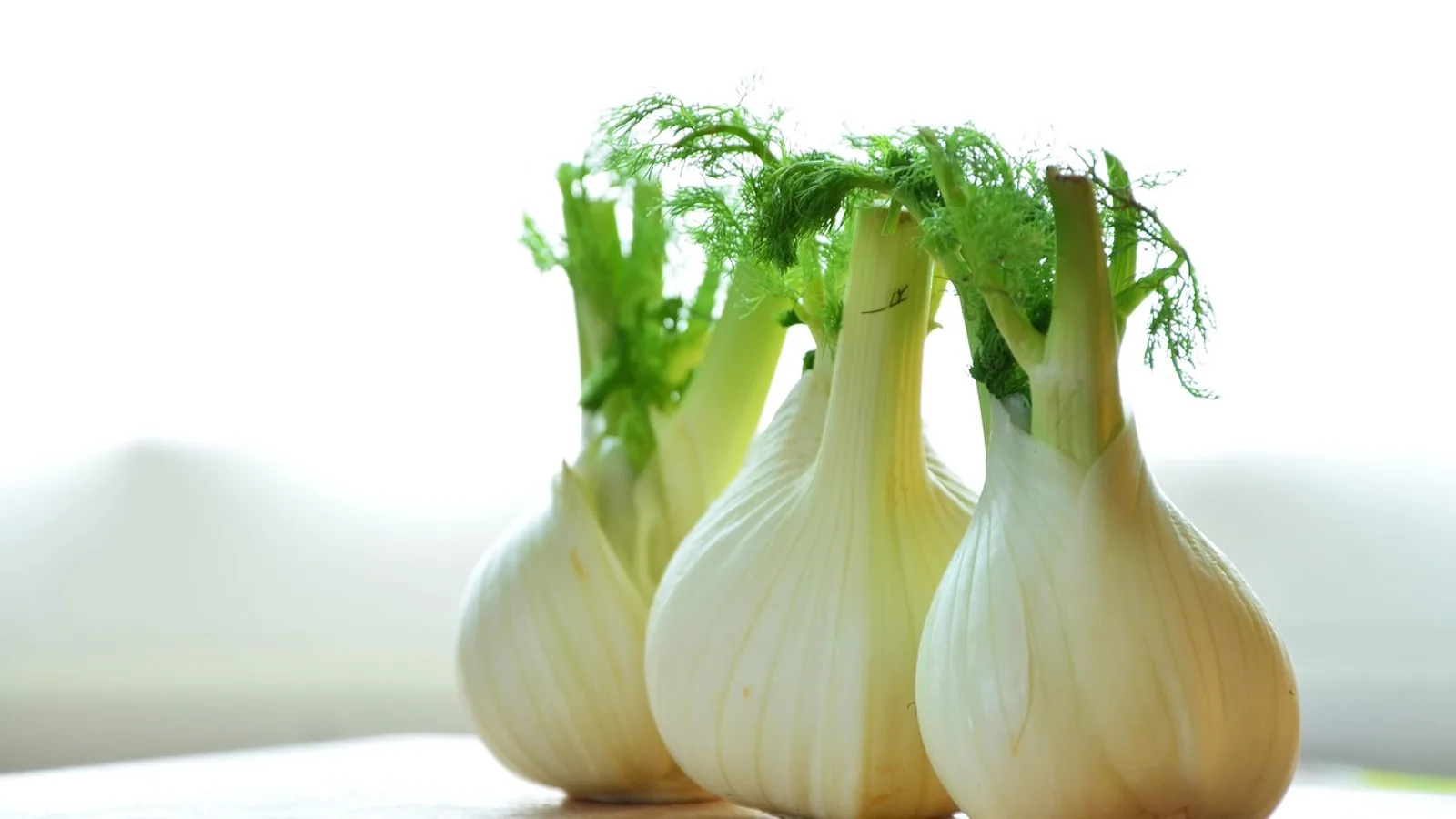
A small amount of plain, cooked fennel bulb is generally safe for a healthy adult dog. Fennel seed is far more concentrated and should be treated as a flavoring, not a food. Fennel essential oil is a different product entirely and should not be given to dogs at home. The plant form, the amount, and the dog's health status decide whether fennel is a harmless garnish or a real risk.
This guide explains the difference between fresh fennel bulb, fennel seed, and fennel essential oil, gives practical serving sizes for a medium dog, walks through preparation, and lists the dogs that should skip fennel altogether. It also includes a safe versus unsafe herb table for quick reference.
This article is educational and is not a substitute for veterinary diagnosis or treatment.
At a Glance: Fennel Safety for Dogs
| Form of fennel | Risk level for dogs | Practical guidance |
|---|---|---|
| Fresh fennel bulb (cooked, plain) | Low for healthy adults | Small amounts only, roughly 1 to 2 teaspoons chopped per 10 kg (22 lb) of body weight |
| Fennel fronds (leaves) | Low for healthy adults | A pinch, finely chopped, used as a garnish |
| Fennel seed (whole or ground) | Moderate | Treat as a spice, not a food. A small pinch at most, and only occasionally |
| Fennel tea (weak, unsweetened) | Moderate | Not a routine item. Discuss with a veterinarian first |
| Fennel essential oil | High | Do not give to dogs at home |
| Fennel supplements or capsules | Variable | Do not use without veterinary direction |
Quick checklist before you feed fennel:
- Confirm the dog is a healthy adult with no liver disease, epilepsy, or pregnancy.
- Confirm the dog is not on anticoagulant medication.
- Use only the bulb or fronds, washed and cooked plain.
- Add no salt, oil, garlic, onion, or butter.
- Start with a very small amount and watch for vomiting or diarrhea.
- Stop if any digestive upset appears.
What Is Fennel and Why Owners Ask About It
Fennel (Foeniculum vulgare) is a flowering plant in the carrot family. The bulb, the stalks, the feathery fronds, and the seeds are all used in cooking. Fennel has a mild licorice-like aroma, which comes largely from anethole and related aromatic compounds in its essential oil.
Owners ask about fennel for two reasons. First, fennel is a common kitchen vegetable, and dogs beg for table food. Second, fennel appears in herbal products marketed for digestion, and some owners wonder if it can help a gassy or unsettled dog.
The European Food Safety Authority has evaluated fennel essential oils as feed additives for animals, including dogs [1]. That evaluation is about flavoring additives in commercial feed, not about feeding fennel from the produce aisle. It is still useful because it establishes that fennel oil contains estragole, a compound that regulators track carefully, and that the acceptable amounts in feed are measured in milligrams per kilogram, not teaspoons [1]. That single fact explains why the oil and the vegetable cannot be treated the same way.
Fennel Bulb vs Fennel Seed vs Fennel Essential Oil
These three products differ enormously in concentration. Confusing them is the most common and most serious mistake owners make.
Fresh Fennel Bulb
The bulb is mostly water and fiber. It contains only trace amounts of the aromatic oils that give fennel its scent and flavor. When you chop and cook a fennel bulb, you are feeding a vegetable with a mild flavor. The dose of any active compound is small because the plant material is dilute.
This is the form most likely to be safe in small amounts for a healthy dog. It is also the form that adds bulk and a little fiber to a meal.
Fennel Fronds
The fronds are the green, feathery tops. They carry more aromatic oil than the bulb but still far less than the seed. Chopped finely and used as a garnish, they are a reasonable low-risk option for a healthy adult dog.
Fennel Seed
Fennel seed is the dried fruit of the plant. Drying concentrates the aromatic compounds. A teaspoon of fennel seed contains far more of these compounds than a teaspoon of chopped bulb. This is why seed should be treated as a spice. A small pinch is the realistic upper limit for a medium dog, and it should not be a daily habit.
Whole seeds also pose a mild mechanical risk. A dog that gulps food may swallow seeds without chewing, and large amounts of any seed can cause stomach upset.
Fennel Essential Oil
Fennel essential oil is a distilled concentrate. It is not a food. A single drop can contain the aromatic load of a large quantity of plant material. The EFSA evaluation of fennel oils in animal feed set acceptable use levels for dogs at 1.9 mg/kg of complete feed for bitter fennel oil and 2.3 mg/kg for sweet fennel oil [1]. Those are parts per million in finished feed, not spoonfuls. An owner cannot measure a safe dose of essential oil at home, and the margin between a flavoring amount and a problematic amount is narrow.
Fennel oil also contains estragole. EFSA specifically assessed estragole content when deciding whether fennel oils were of low concern for long-living and reproductive animals [1]. That is the scientific basis for keeping fennel oil away from dogs, especially dogs that are pregnant, breeding, or living long lives.
Practical rule: fennel bulb is a food, fennel seed is a spice, and fennel essential oil is a concentrate that does not belong in a dog's bowl.
Is Fennel Safe for Dogs?
Fennel is not on the standard list of highly toxic foods for dogs, which is dominated by Allium plants such as garlic and onion. Those plants are well documented as oxidatively toxic to canine red blood cells and can cause Heinz body hemolytic anemia [2]. Fennel is not in that category.
Safety still depends on form and dose. A few pieces of cooked bulb in a bowl of food is a very different exposure from a dog eating a bag of fennel seeds or licking a spilled bottle of essential oil.
The broader lesson from veterinary toxicology is that "natural" does not mean "safe." Herbal preparations in domestic animals carry recognized risks, including incorrect ingredients, inadequate processing, inaccurate labeling, contamination with toxins, adulteration with undeclared drugs, and herb-herb interactions [3]. That warning applies to fennel products sold as supplements just as it applies to any other botanical.
Dietary supplements for dogs are also not held to the same premarket safety standards as drugs. Analyses of canine and feline dietary supplements have found heavy metals such as lead and cadmium in some products, and label claims that did not match analyzed content [4]. A separate study of vitamin-mineral supplements for pets found that most did not guarantee minimum mineral recommendations at the manufacturer's suggested amounts, and some delivered mercury above a safe upper limit [5]. These findings are not specific to fennel, but they explain why a fennel capsule or fennel blend from an unverified brand is a poor choice compared with a piece of cooked vegetable from your own kitchen.
Safe Serving Sizes for a Medium Dog
There is no official veterinary dosing table for fennel as a table food. The amounts below are practical, conservative guidance for a healthy adult dog of about 10 to 15 kg (22 to 33 lb), which is a typical medium-sized dog. They are intentionally small because fennel is a garnish, not a meal.
| Dog size | Cooked fennel bulb | Fennel fronds | Fennel seed |
|---|---|---|---|
| Small (under 10 kg / 22 lb) | 1 teaspoon chopped | A small pinch | A tiny pinch, rarely |
| Medium (10 to 25 kg / 22 to 55 lb) | 1 to 2 teaspoons chopped | A pinch | A small pinch, rarely |
| Large (over 25 kg / 55 lb) | 2 to 3 teaspoons chopped | 1 to 2 pinches | Up to about 1/4 teaspoon, rarely |
Key points about these numbers:
- They are per serving, not per day. Fennel should not be a daily food.
- They are starting points. Some dogs tolerate less.
- They assume the fennel is plain, cooked, and unsalted.
- They assume the dog is a healthy adult.
- They do not apply to fennel oil, which has no home serving size.
A reasonable frequency is once or twice a week at most, mixed into the regular diet. Fennel should never replace a balanced commercial diet or a veterinary-formulated home diet.
How to Prepare Fennel for a Dog
Preparation is where most avoidable mistakes happen. Follow these steps.
- Choose fresh fennel. Look for a firm, pale bulb with crisp fronds. Avoid wilted or slimy produce.
- Wash thoroughly. Rinse under running water and rub the bulb to remove grit and pesticide residue.
- Trim the base and stalks. Cut off the hard bottom and the thicker stalks. Keep the tender upper bulb.
- Slice thin or dice small. Small pieces reduce choking risk and make the fennel easier to mix into food.
- Cook plain. Steam, boil, or roast with no salt, no oil, no butter, no garlic, and no onion. Garlic and onion are unsafe for dogs [2].
- Cool completely. Hot food can cause mouth and throat irritation.
- Measure the serving. Use the table above. A teaspoon is roughly 3 to 4 grams of cooked chopped fennel.
- Mix into the regular meal. Do not feed fennel as a standalone treat in large amounts.
- Refrigerate leftovers. Cooked fennel keeps for a few days in a sealed container.
- Watch for reactions. Note any vomiting, diarrhea, gas, or changes in appetite.
If you want to use fennel fronds, wash them, chop them very fine, and use them raw as a garnish over the regular meal. Skip the fronds if your dog has a sensitive stomach.
Dogs That Should Avoid Fennel
Some dogs should not eat fennel at all. This is not about fussiness. It is about the concentration of active plant compounds and how those compounds behave in the body.
Puppies
Puppies have developing organ systems and different nutritional needs from adults. Their diets should be built around a complete and balanced puppy formula. Adding herbal or aromatic plant material to a puppy's diet is not necessary and adds risk without benefit. Skip fennel until the dog is a fully grown adult.
Pregnant and Nursing Bitches
EFSA evaluated fennel oils with specific attention to reproductive animals and estragole content [1]. The concern is that aromatic compounds in concentrated fennel products may not be appropriate during pregnancy and lactation. A pregnant or nursing bitch should eat a complete and balanced diet formulated for that life stage. Do not add fennel.
Dogs with Epilepsy
Dogs with a seizure disorder are often on anticonvulsant medication, and some botanical compounds can interact with drug metabolism. Adding fennel is not worth the uncertainty. If your dog has epilepsy, ask the veterinarian managing the seizures before adding any herb, spice, or supplement.
Dogs with Liver Disease
The liver processes and clears many plant compounds and drugs. A dog with known or suspected liver disease should not be given fennel or any other botanical supplement without veterinary approval. This caution is reinforced by the broader pattern of supplement-related liver injury in dogs. Case reports describe severe acute liver injury and even fulminant liver failure in dogs after ingestion of dietary supplements, including a blue-green algae product and joint supplements containing manganese [6][7]. Those cases involve different ingredients, but they show how quickly the liver can be harmed by an unregulated product.
Dogs on Anticoagulant Medication
Fennel may interact with anticoagulant drugs. This is a real concern because some herbal compounds affect platelet function or clotting pathways. A case report of joint supplement toxicity in a dog documented prolongation of prothrombin and partial thromboplastin times along with other organ dysfunction [8]. That case was not about fennel, but it demonstrates that ingested supplements can disturb coagulation in dogs. If your dog takes an anticoagulant, do not add fennel without asking the prescribing veterinarian.
Dogs with Estrogen-Sensitive Conditions
Fennel contains compounds with weak estrogen-like activity. EFSA's review of fennel oils specifically considered reproductive and long-living animals and tracked estragole content [1]. For dogs with estrogen-sensitive conditions, such as certain mammary tumors or reproductive tract conditions, adding a plant with hormonal activity is a question for the veterinarian, not a decision to make at home.
Dogs with Known Food Sensitivities
Fennel is in the carrot family. Dogs with documented reactions to related plants should avoid it. Any dog that has reacted badly to a new food should not be challenged with fennel.
Fennel and Drug Interactions
Two interaction categories deserve direct attention.
Anticoagulants. As noted above, ingested botanical products have been associated with coagulation abnormalities in dogs [8]. If your dog is on an anticoagulant, fennel is not a casual addition. Ask the veterinarian first.
Hormonally active drugs and conditions. Fennel's aromatic compounds include estragole, which regulators evaluate for reproductive and long-term exposure [1]. If your dog is on hormonal therapy or has a hormone-sensitive condition, discuss fennel with the veterinarian before feeding it.
A third, broader caution applies to all herb and supplement combinations. Herb-herb interactions are a recognized cause of adverse effects in humans, and the veterinary literature on herbal toxicity in domestic animals is sparse [3]. That means the interaction profile of most herbs in dogs is not well mapped. The safest approach with any dog on medication is to ask before adding anything.
Fennel Supplements and Products to Avoid
Walk past these products in the pet store or online:
- Fennel essential oil, in any bottle size
- Fennel oil blends marketed for digestion or fresh breath
- Fennel capsules sold for dogs without a veterinary recommendation
- Herbal "detox" or "digestive" blends that list fennel among many ingredients
- Any product with an incomplete ingredient list or missing amounts
The reason is not that fennel is uniquely dangerous. The reason is that supplement products as a category have documented problems with heavy metal contamination, label inaccuracy, and failure to meet stated mineral content [4][5]. Add the general herbal safety concerns of incorrect ingredients, contamination, adulteration, and interactions [3], and the case for using plain food instead of a capsule is straightforward.
Safe vs Unsafe Herbs for Dogs
This table covers common kitchen herbs and a few that owners frequently ask about. It is not a complete toxicology list.
| Herb | Status for dogs | Notes |
|---|---|---|
| Parsley | Generally safe | Small amounts, washed and chopped |
| Mint (peppermint, spearmint) | Generally safe | Small amounts. Strong flavor, so use sparingly |
| Basil | Generally safe | Small amounts, fresh or dried |
| Cilantro | Generally safe | Small amounts |
| Dill | Generally safe | Small amounts |
| Thyme | Generally safe | Small amounts |
| Rosemary | Generally safe | Small amounts. Concentrated oils are a different product |
| Oregano | Generally safe | Small amounts |
| Fennel bulb | Generally safe in small amounts | Healthy adults only. See restrictions above |
| Fennel seed | Use with caution | Concentrated. Small pinch at most |
| Fennel essential oil | Unsafe to give at home | Concentrated. Contains estragole [1] |
| Garlic | Unsafe | Allium toxicity. Can cause Heinz body hemolytic anemia [2] |
| Onion | Unsafe | Allium toxicity [2] |
| Chives | Unsafe | Allium family |
| Leeks | Unsafe | Allium family |
| Comfrey | Unsafe | Contains pyrrolizidine alkaloids. Do not feed |
| Pennyroyal | Unsafe | Toxic to dogs |
| Wormwood | Unsafe | Do not feed |
| Tansy | Unsafe | Do not feed |
| Nutmeg | Unsafe in quantity | Do not feed |
| Cocoa or chocolate | Unsafe | Toxic to dogs |
Two clarifications. First, "generally safe" means safe in small culinary amounts for a healthy adult dog, not safe in unlimited quantity. Second, the Allium entries are the ones owners most often get wrong. Garlic and onion are not "probably fine in small amounts" for dogs. They are documented causes of oxidative red blood cell damage [2].
Common Mistakes Owners Make With Fennel
Mistake 1: Treating fennel seed like a vegetable. A tablespoon of fennel seed is a large aromatic dose compared with a tablespoon of cooked bulb. Use a pinch.
Mistake 2: Using fennel essential oil because it is "natural." Essential oils are concentrates. The EFSA feed levels for fennel oil in dogs are measured in milligrams per kilogram of feed [1]. There is no home measuring spoon for that.
Mistake 3: Cooking fennel with garlic or onion. This is the most dangerous preparation error. Garlic and onion are toxic to dogs [2]. A dish made for humans often contains both.
Mistake 4: Feeding fennel to a dog with a health condition. Liver disease, epilepsy, pregnancy, and anticoagulant use all change the risk calculation.
Mistake 5: Assuming a supplement is safer than food. Supplement products have documented contamination and labeling problems [4][5], and herbal preparations carry recognized risks [3].
Mistake 6: Feeding too much at once. Any new food can cause vomiting or diarrhea when introduced in a large amount. Start small.
Mistake 7: Using fennel to treat a medical problem. Fennel is not a treatment for gas, bloat, or digestive disease in dogs. If your dog has recurring digestive signs, that is a veterinary appointment, not a kitchen experiment.
Troubleshooting: What to Do If Your Dog Ate Fennel
My dog ate a piece of cooked fennel bulb
This is usually a low-concern exposure in a healthy adult dog. Watch for vomiting, diarrhea, or unusual behavior over the next several hours. If the dog is normal, no treatment is needed.
My dog ate fennel seed
Small amounts are usually tolerated. Large amounts can cause stomach upset. Watch for vomiting, diarrhea, abdominal discomfort, and loss of appetite. Call your veterinarian if signs appear or if the amount was large.
My dog licked or drank fennel essential oil
Treat this as a potentially serious exposure. Call your veterinarian, an emergency veterinary hospital, or a pet poison control service right away. Do not wait for symptoms. Do not induce vomiting unless a veterinarian tells you to.
My dog ate fennel cooked with garlic or onion
Call your veterinarian or a pet poison control service. Garlic and onion cause oxidative damage to canine red blood cells [2]. The risk depends on the amount eaten and the size of the dog. Do not wait for signs such as weakness, pale gums, or dark urine.
My dog has vomiting or diarrhea after fennel
Stop feeding fennel. Offer water. If vomiting or diarrhea persists for more than a day, if the dog seems painful, or if there is blood, contact your veterinarian.
Welfare and Safety Points
- Fennel is a garnish, not a nutritional requirement. A complete and balanced diet already meets your dog's needs.
- Novel foods should be introduced one at a time so you can identify the cause of any reaction.
- Keep essential oils, including fennel oil, locked away from pets. Diffusers and spilled bottles are common exposure routes.
- Store fennel seeds in a sealed container out of reach. Dogs can and will eat a spilled bag.
- Tell your veterinarian about every supplement, herb, and oil your dog receives. Herbal product use is rising, and the veterinary literature on herbal toxicity is sparse [3].
- If you use a supplement for any reason, bring the label to the appointment. Label accuracy problems are documented in this product category [4].
Limitations and When to Contact a Veterinarian
This article gives general guidance for healthy adult dogs. It cannot account for your dog's full medical history, current medications, or individual sensitivities. Every case is different, and a veterinarian who knows your dog is the right person to make the call.
Contact a veterinarian promptly if any of the following apply:
- Your dog drank or licked fennel essential oil
- Your dog ate fennel cooked with garlic, onion, or another Allium plant
- Your dog ate a large amount of fennel seed
- Vomiting, diarrhea, or loss of appetite lasts more than 24 hours
- You see weakness, pale gums, dark urine, or yellowing of the eyes or gums
- Your dog has a seizure disorder and you are considering adding any herb or supplement
- Your dog has liver disease and you want to add fennel to the diet
- Your dog is pregnant, nursing, or being used for breeding
- Your dog takes an anticoagulant or a hormonal medication
- Your dog has an estrogen-sensitive condition
- Your dog has had a reaction to any new food in the past
For known or suspected poisoning, contact your veterinarian, an emergency veterinary hospital, or a pet poison control service immediately. Do not wait for symptoms to appear.
Frequently Asked Questions
Can dogs eat fennel?
Yes, a healthy adult dog can eat a small amount of plain cooked fennel bulb. Fennel seed is much more concentrated and should be limited to a small pinch. Fennel essential oil should not be given to dogs at home.
Is fennel safe for puppies?
No, puppies should not be given fennel. Puppies need a complete and balanced puppy diet, and adding aromatic plant material is unnecessary and adds risk.
Can pregnant dogs eat fennel?
No, pregnant and nursing bitches should avoid fennel. Feed a complete and balanced diet formulated for that life stage instead.
How much fennel can I give my dog?
For a medium dog around 10 to 15 kg, about 1 to 2 teaspoons of plain cooked chopped fennel bulb is a reasonable serving, given no more than once or twice a week. Fennel seed should be limited to a small pinch.
Is fennel essential oil safe for dogs?
No, fennel essential oil is not safe to give to dogs at home. It is a concentrated product, and the acceptable amounts in animal feed are measured in milligrams per kilogram [1].
Can fennel help my dog's digestion?
There is no established veterinary evidence that fennel treats digestive problems in dogs. If your dog has recurring gas, vomiting, or diarrhea, see a veterinarian rather than adding herbs.
Does fennel interact with any medications?
Fennel may interact with anticoagulants and with hormonal conditions. Ingested botanical products have been linked to coagulation abnormalities in dogs [8]. Ask your veterinarian before feeding fennel to a dog on medication.
What herbs are unsafe for dogs?
Garlic, onion, chives, leeks, comfrey, pennyroyal, wormwood, and tansy are unsafe for dogs. Garlic and onion cause oxidative damage to red blood cells [2].
Related Articles
- Sheep Grain Feeding: Safe Introduction and Ration Limits
- Rabbit Safe Vegetables
- Amphibian Safe Water Guide
- Bird Safe Household Products
- Small Mammal Safe Bedding
- Are Jelly Cats Safe for Pets? A Complete Safety Guide
- Can Chickens Eat Strawberries? Safe Feeding Guide
- Can Chickens Eat Carrots? Safe Feeding Guide
- Can Dogs Eat Black Beans? Safe Feeding Guide
Sources
- Safety and efficacy of feed additives consisting of essential oils from the fruit and stems of Foeniculum vulgare Mill. ssp. vulgare: Bitter fennel oil for use in all animal species and sweet fennel oil for use in dogs and cats (FEFANA asbl).
- Safety and efficacy of aged garlic extract in dogs: upregulation of the nuclear factor erythroid 2-related factor 2 (Nrf2) signaling pathway and Nrf2-regulated phase II antioxidant enzymes.
- The potential side effects of herbal preparations in domestic animals.
- Analysis of Essential Minerals and Heavy Metals in Canine and Feline Dietary Supplements Marketed in the United States.
- Vitamin-mineral supplements do not guarantee the minimum recommendations and may imply risks of mercury poisoning in dogs and cats.
- Hepatopathy following consumption of a commercially available blue-green algae dietary supplement in a dog.
- Acute manganese toxicosis related to joint health supplement ingestion in two dogs.
- The successful treatment of multiple organ dysfunction syndrome and severe hypernatremia, secondary to joint supplement toxicity in a dog.