Can Dogs Eat Black Beans? Safe Feeding Guide
By Dr. Zubair Khalid, DVM, MS, PhD ·
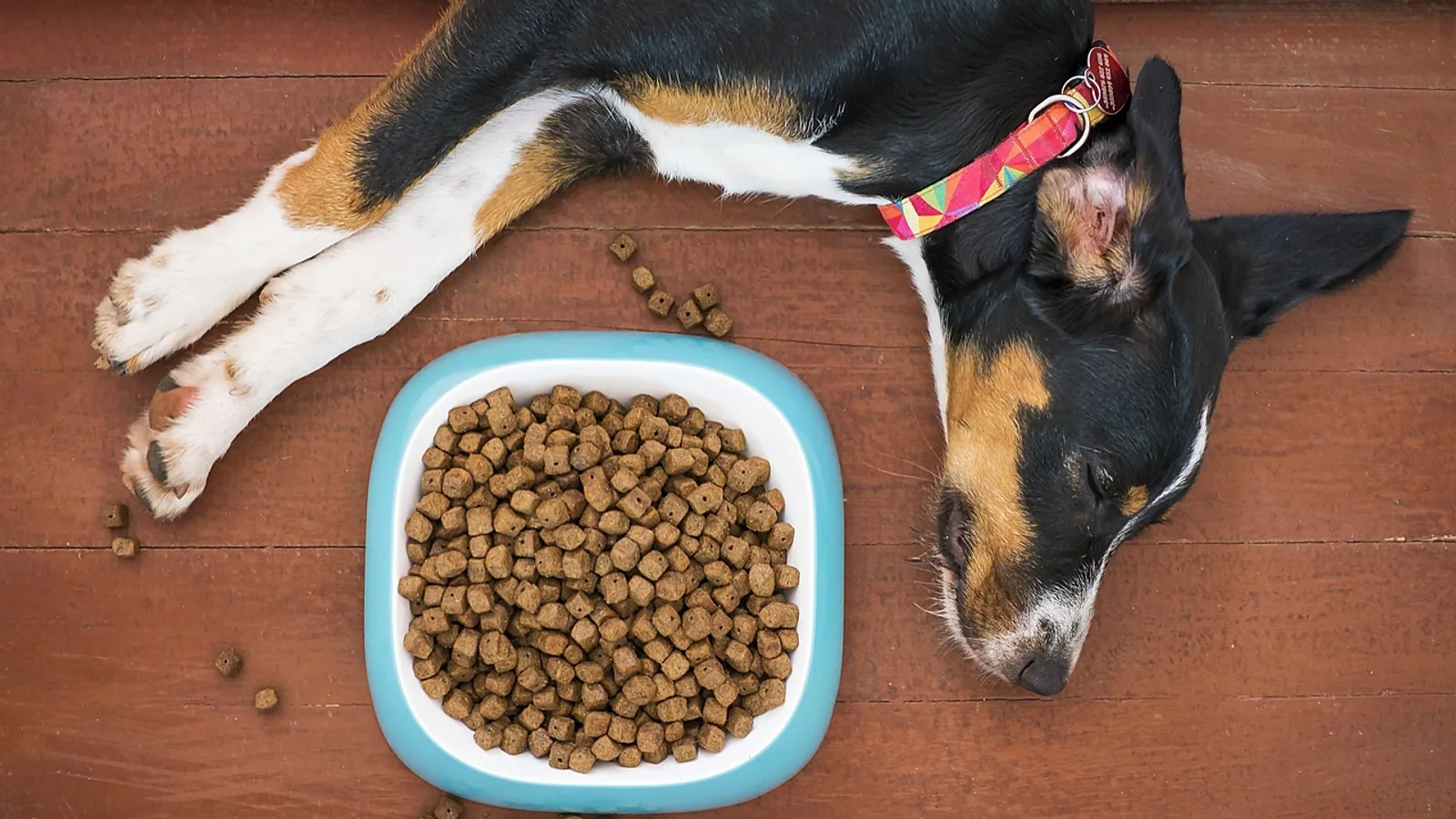
Yes, dogs can eat plain cooked black beans in small amounts. A medium-sized dog can have roughly 1 to 2 tablespoons of fully cooked, unseasoned black beans as an occasional treat. The beans must be plain, which means no salt, no onion, no garlic, no bacon fat, and no chili seasoning. Raw or undercooked beans are a different story. They contain a natural plant toxin called phytohemagglutinin, and eating them commonly causes vomiting and diarrhea.
That short answer covers most of what an owner needs to know before sharing a spoonful of beans from the pot. The details matter, though, because the difference between a safe bean and a harmful one usually comes down to preparation, portion size, and what else went into the dish. This guide walks through the toxicology, the safe preparation steps, a comparison of common bean types, and the situations where you should call your veterinarian instead of reaching for the spoon.
This article is educational and is not a substitute for veterinary diagnosis or treatment.
At a Glance: Black Bean Safety Checklist
| Question | Answer |
|---|---|
| Can dogs eat black beans? | Yes, if plain and fully cooked |
| Safe portion for a medium dog | About 1 to 2 tablespoons, occasional treat only |
| Raw or undercooked beans | No. Phytohemagglutinin causes GI upset |
| Canned beans | Only if no salt, onion, or garlic was added |
| Beans with onion or garlic powder | No. These are toxic to dogs |
| Beans as a meal replacement | No. Beans are not a complete protein |
| Most common side effect | Flatulence and loose stool if fed in excess |
| First sign of a problem | Vomiting, diarrhea, abdominal discomfort |
Why Black Beans Are Generally Safe for Dogs
Black beans are the seed of Phaseolus vulgaris, the same plant family that gives us navy beans, kidney beans, and pinto beans. They are a legume, not a grain, and they carry a useful nutritional profile: protein, dietary fiber, minerals, B vitamins, and bioactive plant compounds.
Veterinary nutrition research has examined pulses (the broader category that includes beans, peas, lentils, and chickpeas) as ingredients in canine diets for years. A study of cooked navy bean powder fed at 25 percent of a complete diet to healthy adult dogs found no differences in energy or nutrient digestibility compared with a matched control diet, and no increase in flatulence or major change in fecal consistency [1]. That study used a fully formulated diet, not table scraps, but it establishes an important baseline: properly cooked bean material is digestible by dogs and does not automatically cause gastrointestinal distress.
A separate line of research looked at whole pulse ingredients included at up to 45 percent of a complete and balanced diet in adult Siberian Huskies over 20 weeks. The investigators measured cardiac function with echocardiography and cardiac biomarkers, tracked sulfur amino acid status, and assessed body composition and blood work. They found no differences in echocardiographic parameters, N-terminal pro-B-type natriuretic peptide, or cardiac troponin I concentrations across the treatment groups or over time [2]. That finding matters because it addresses a concern many owners have heard about grain-free and pulse-heavy diets.
The practical takeaway is narrow but useful. Cooked bean material, in the context of an otherwise balanced diet, has been studied in dogs without evidence of harm at the inclusion levels tested. A tablespoon of black beans from your dinner is a far smaller exposure than 25 to 45 percent of total calories, so the risk profile for a treat-sized portion is low when the beans are plain and cooked.
The Real Hazard: Raw and Undercooked Beans
The most common mistake owners make is assuming that any bean that is soft enough to eat is safe to share. That is not true. Raw and undercooked beans contain phytohemagglutinin, a lectin that binds to cells lining the intestinal tract and disrupts normal absorption. In people, this is the classic cause of "red kidney bean poisoning," and dogs are susceptible to the same mechanism.
Phytohemagglutinin is destroyed by adequate heat. The catch is that "adequate" is more specific than most people assume. Beans that are soaked and then simmered until fully soft are safe. Beans that are soaked and then briefly warmed, added to a slow cooker on low for an hour, or pulled from a partially cooked stew may still carry active lectin. Slow cookers are a frequent culprit because the low setting may not reach the temperature needed to fully denature the lectin within the cooking time.
Signs of phytohemagglutinin exposure in dogs typically appear within several hours of eating and include:
- Vomiting, sometimes repeated
- Diarrhea, which may be watery
- Abdominal discomfort or a tucked posture
- Reduced appetite
- Lethargy
Most cases resolve with supportive care, but severe or persistent vomiting and diarrhea can lead to dehydration, especially in small dogs, puppies, and seniors. If your dog ate raw beans or beans you are not certain were fully cooked, call your veterinarian or a pet poison helpline. Do not wait for symptoms to become severe.
There is one more nuance worth knowing. Some research on fava beans, a different legume, explored fermentation with Candida utilis as a way to reduce anti-nutritional factors, and fermentation improved glucose tolerance and red blood cell numbers in beagles over a 28-day feeding period [3]. That work is about industrial processing of a specific legume, not about home cooking. It does not mean you can ferment your own beans to make them safe. It does confirm that anti-nutritional compounds in legumes are a real and studied category, which is why cooking method matters.
What About Canned Black Beans?
Canned black beans are convenient, and many dogs tolerate them. The problem is what comes in the can with the beans. Three categories of additives make canned beans unsafe:
Added salt. A single can of seasoned black beans can contain a substantial sodium load. Dogs do not need added salt, and a large sodium intake can contribute to vomiting, diarrhea, and in extreme cases, sodium ion poisoning. Rinsing reduces surface sodium but does not remove sodium absorbed into the bean.
Onion, including onion powder. Onions and their powdered forms damage canine red blood cells and can cause hemolytic anemia. Onion powder is more concentrated than fresh onion by weight, so a small amount in a seasoned bean dish can matter. Signs of onion toxicity can be delayed by several days and include weakness, pale gums, and dark urine.
Garlic, including garlic powder. Garlic belongs to the same Allium genus as onion and carries the same toxic principle. Garlic is often described as more potent per gram than onion, and garlic powder is a concentrated source.
Some canned beans also include chili peppers, chipotle in adobo, bacon, ham, or sugar-sweetened sauces. None of these belong in a dog's bowl. If you want to feed canned beans, choose a can whose ingredient list reads only "black beans, water" and then rinse the beans thoroughly. Even then, keep the portion small and treat it as an occasional extra rather than a routine food.
How Much Black Beans Can a Dog Have?
Portion guidance for treats is based on total daily calorie intake, which varies by dog size, age, activity, and body condition. A reasonable working rule for a medium-sized dog (roughly 30 to 50 pounds) is about 1 to 2 tablespoons of plain cooked black beans per serving. For a small dog, think in teaspoons rather than tablespoons. For a large or giant breed, a few tablespoons is still a treat, not a meal.
The broader principle from veterinary nutrition is that treats should stay a small fraction of daily calories so the complete and balanced diet remains the foundation. Beans are not a complete protein. They are low in methionine and cysteine, the amino acid precursors to taurine synthesis in dogs, and research on grain-free pulse-based diets has specifically examined whether these amino acid gaps matter [4]. A study correlating dietary compounds with postprandial amino acids in dogs fed increasing whole pulse inclusions found measurable differences in circulating amino acids depending on pulse level [5]. That is a formulation concern for commercial diets, and it is also a reason not to build a dog's diet around beans at home.
A few practical anchors:
- Treat-sized servings. One to two tablespoons for a medium dog, offered a few times a week at most.
- Introduce slowly. Start with a teaspoon and watch for 24 hours.
- Count the calories. If your dog is overweight or on a prescription diet, ask your veterinarian before adding any table food.
- Never replace a meal. Beans should not stand in for a complete and balanced commercial or home-prepared diet formulated by a veterinary nutritionist.
Step-by-Step: How to Prepare Black Beans Safely for a Dog
- Start with dry beans or a plain can. If using dry beans, sort and rinse them. If using canned, confirm the label lists only beans and water.
- Soak dry beans overnight. Cover with several inches of water and let them sit 8 to 12 hours. Discard the soaking water.
- Boil hard, then simmer. Bring beans to a rolling boil in fresh water, then reduce to a simmer until fully soft. Boiling is the step that destroys phytohemagglutinin.
- Skip the slow cooker for safety. Low and slow may not reach the temperature needed to fully denature the lectin. Use a stovetop boil or a pressure cooker.
- Cook with no additives. No salt, no bouillon, no onion, no garlic, no bacon, no chili powder, no sugar.
- Drain and cool. Rinse canned beans well to remove surface sodium. Let beans cool to room temperature before serving.
- Mash or chop for small dogs. Whole beans can be a choking hazard for tiny breeds and can be harder to digest.
- Start with a tiny portion. One teaspoon for a small dog, one tablespoon for a medium dog.
- Watch for 24 hours. Note any vomiting, diarrhea, gas, or change in appetite.
- Store leftovers properly. Refrigerate cooked beans and use within a few days, or freeze in small portions.
Table of Bean Types: Safety and Preparation
| Bean Type | Safe for Dogs? | Preparation Notes |
|---|---|---|
| Black beans | Yes, in small amounts | Fully cooked, plain, no salt or seasoning. About 1 to 2 tablespoons for a medium dog |
| Kidney beans | Yes, only if fully cooked | Highest phytohemagglutinin concern among common beans. Must be boiled thoroughly. Never feed raw or partially cooked |
| Pinto beans | Yes, in small amounts | Cook fully and mash. Watch for gas. Plain canned pinto beans must be rinsed and free of onion or garlic |
| Chickpeas (garbanzo beans) | Yes, in small amounts | Cook until soft or use plain canned chickpeas rinsed well. Mash to reduce choking risk. Chickpea flour is studied as a pulse ingredient in canine diets |
| Lima beans | Yes, only if fully cooked | Contains phytohemagglutinin when raw. Boil until soft. Large limas should be cut or mashed |
| Navy beans | Yes, in small amounts | Cooked navy bean powder has been studied in dogs at 25 percent of diet without digestibility problems [1]. Plain and fully cooked only |
| Fava beans | Not recommended for home feeding | Studied in dogs under controlled conditions with fermentation to reduce anti-nutritional factors [3][6]. Not an approved pet food ingredient for home use |
| Soybeans | Not covered here | Discuss with your veterinarian before feeding |
A note on the fava bean row: research has examined fava bean-based diets in beagles, including fermentation to reduce anti-nutritional factors, and reported that 7-day feeding was safe under those controlled conditions [6]. That does not translate into a recommendation for owners to cook fava beans at home. Fava beans are not an approved pet food ingredient and carry specific risks in susceptible individuals. Leave them out of your dog's bowl.
Why Beans Cause Gas in Dogs
Beans contain oligosaccharides, a class of complex sugars that dogs and people lack the enzymes to fully break down in the small intestine. These sugars travel to the large intestine, where gut bacteria ferment them. The result is gas, sometimes a lot of it.
The navy bean study found no increase in flatulence when cooked navy bean powder made up 25 percent of a complete diet [1]. That is reassuring at the formulation level, but it does not mean your dog will be gas-free after a spoonful of beans. Individual responses vary widely. Some dogs handle beans with no noticeable change. Others produce impressive amounts of gas for a day. A few develop loose stool.
If your dog is prone to gastrointestinal sensitivity, start with a very small amount and increase only if the first exposure went well. If gas or soft stool persists, stop the beans. There is no nutritional requirement for beans in a dog's diet, so there is no reason to push through discomfort.
Beans Are Not a Complete Protein
This point deserves its own section because it is the most common misunderstanding about feeding beans to dogs. Beans contain protein, but the protein is incomplete. They are low in methionine and cysteine, the sulfur amino acids that dogs use as precursors for taurine synthesis [4]. Taurine is important for cardiac and retinal health.
Research on grain-free diets that replace grains with pulses has investigated whether supplementing methionine, taurine, or methyl donors changes postprandial amino acid concentrations. In one study, dogs fed added methionine had higher plasma and whole blood methionine concentrations after a meal, while dogs fed added taurine had higher taurine levels [4]. The point is that pulse-based diets require careful amino acid formulation to meet a dog's needs. A bowl of beans on its own does not.
A related study examined amino acid digestibility in extruded canine diets with increasing whole pulse flour inclusion and found that standardized ileal amino acid digestibility estimates were not additive across ingredients [7]. In plain terms, you cannot simply add up the amino acids in each ingredient and assume the dog absorbs that total. Diet formulation is more complex than that.
For an owner, the practical conclusion is simple. Beans are a treat or a topper, not a protein source you can count on to meet your dog's needs. A complete and balanced commercial diet, or a home-prepared diet formulated by a board-certified veterinary nutritionist, should remain the base of the bowl.
Pulses and Cardiac Health: What the Research Actually Shows
Owners searching for information on beans and dogs often run into headlines about grain-free diets and dilated cardiomyopathy. The topic is worth addressing directly because it affects how people think about legumes.
A foodomics analysis compared diets associated with canine dilated cardiomyopathy to diets not associated with the disease. The investigators identified biochemical differences between the diet groups and found that peas showed the greatest association with higher concentrations of certain compounds [8]. That study was about diet patterns and disease association, not about a single ingredient causing disease in an individual dog. It also did not test black beans specifically.
Other research has looked directly at cardiac function in dogs fed pulse-heavy diets. In the 20-week study of up to 45 percent whole pulse inclusion, there were no differences in echocardiographic parameters or cardiac biomarkers [2]. A separate 28-day study of fava bean-based diets found no evidence of adverse cardiac effects of pulses in grain-free diets, at least not over the relatively short study period [3]. Fecal metabolite research on the same pulse-inclusion diets found increases in some secondary bile acids and propionic acid, but the clinical significance of those shifts is not established [9].
What does this mean for a dog eating a tablespoon of black beans? Very little. The research concern is about long-term, high-inclusion pulse-based diets and how they are formulated, not about occasional beans as a treat. If your dog is on a grain-free or pulse-heavy commercial diet and you have questions about cardiac risk, that is a conversation for your veterinarian. It is not a reason to panic about a spoonful of beans.
Nutritional Value of Black Beans for Dogs
Black beans bring several nutrients to the bowl in small amounts:
- Protein. Incomplete on its own, but a modest contribution alongside a complete diet.
- Dietary fiber. Supports gut motility and can help with satiety in weight management plans.
- Minerals. Iron, magnesium, potassium, and folate are present in meaningful amounts.
- B vitamins. Thiamine, niacin, and B6 appear in black beans.
- Bioactive compounds. Polyphenols and other plant compounds are part of the legume profile.
Research on pulse ingredients for canine and feline diets has characterized the macronutrient composition, amino acid digestibility, and protein quality of black bean grits, garbanzo beans, green lentils, navy bean powder, and yellow peas. The investigators found that essential amino acids, with the exception of methionine, were highly digestible, with values in the 80 to 90 percent range on a dry matter basis [10]. That is a favorable digestibility profile and part of why pulses are attractive to pet food formulators.
For an owner, this nutritional detail supports the idea that beans are a reasonable occasional addition. It does not support the idea that beans are a superfood that should replace part of your dog's regular diet.
Common Mistakes Owners Make
Feeding beans straight from a seasoned pot. Chili, refried beans, baked beans, and bean soups almost always contain onion, garlic, salt, or all three. These are the most dangerous forms of beans for dogs.
Assuming "cooked" means "safe." Beans that are warm but not fully softened may still carry active phytohemagglutinin. Texture is a better indicator than temperature.
Using a slow cooker on low. The low setting may not reach the temperature needed to fully destroy lectins within a typical cooking window.
Feeding too much at once. A dog that has never eaten beans may react to a large portion with gas, bloating, and loose stool.
Treating beans as a protein substitute. Beans are not a complete protein and should not replace a balanced diet.
Ignoring the dog's individual response. Some dogs tolerate beans well. Others do not. Track what happens after each new food.
Forgetting about other ingredients in the bowl. If you mix beans into your dog's regular food, remember that the total treat load for the day includes everything else you have offered.
Troubleshooting: When Something Goes Wrong
Mild gas after a small portion. This is common and usually resolves within a day. Reduce the portion next time or skip beans entirely.
Soft stool or one episode of diarrhea. Withhold beans, keep water available, and monitor. If stool normalizes within 24 hours and the dog is otherwise bright and eating, the exposure was likely minor.
Repeated vomiting or watery diarrhea. Call your veterinarian. These signs overlap with phytohemagglutinin exposure and with many other conditions.
Suspected onion or garlic ingestion. Contact your veterinarian or a pet poison helpline immediately, even if the dog seems fine. Signs of Allium toxicity can be delayed.
Pale gums, weakness, or dark urine. These are emergency signs. Go to a veterinary hospital.
Choking or gagging after eating whole beans. Small dogs and dogs that eat quickly are at higher risk. Offer mashed beans instead.
Welfare and Safety Points for Multi-Pet Households
If you have more than one dog, or a dog and a cat, feeding beans requires a little planning. Cats have different nutritional requirements and should not be fed a dog's bean treat. A dog that guards food may become reactive if another pet approaches the bowl during a bean snack, so feed treats in separate spaces.
Children in the household should know that beans are a dog treat and not a shared snack. A child who drops a handful of seasoned beans on the floor is creating a real risk if the beans contain onion or garlic. Keep seasoned bean dishes out of reach and store leftovers in containers the dog cannot open.
If your dog takes medication or has a chronic condition such as kidney disease, heart disease, or diabetes, ask your veterinarian before adding beans. The fiber and mineral content of beans can interact with some management plans, and your veterinarian knows your dog's full picture.
Limitations and When to Contact a Veterinarian
Individual dogs vary in how they handle new foods, and no general guide can replace an examination of your specific dog. Contact your veterinarian if any of the following apply:
- Your dog ate raw or undercooked beans
- Your dog ate beans containing onion, garlic, or a large amount of salt
- Vomiting or diarrhea lasts more than 24 hours or is severe
- Your dog is lethargic, weak, or has pale gums
- Your dog is a puppy, senior, pregnant, or nursing
- Your dog has a chronic illness or is on a prescription diet
- Your dog has a history of pancreatitis, food sensitivity, or gastrointestinal disease
- You are unsure whether the beans your dog ate were fully cooked
For suspected poisoning, a pet poison helpline can provide guidance while you arrange veterinary care. Bring the bean packaging or a photo of the ingredient list with you if you go to the clinic. That information helps your veterinarian assess what your dog was exposed to.
Frequently Asked Questions
Can dogs eat black beans every day?
No. Black beans are best treated as an occasional extra, not a daily staple. A small amount a few times a week is reasonable for most healthy dogs, but daily beans add fiber and oligosaccharides that can cause gas and loose stool over time.
Can dogs have black beans from a can?
Only if the can contains just beans and water. Rinse them well to remove surface sodium. Never feed canned beans that list onion, garlic, salt, chili, bacon, or sugar in the ingredients.
What happens if a dog eats raw black beans?
Raw black beans contain phytohemagglutinin, a lectin that causes vomiting and diarrhea. Signs usually appear within several hours. Call your veterinarian if your dog ate raw or undercooked beans.
Are black beans a good source of protein for dogs?
No. Black beans are an incomplete protein and are low in methionine and cysteine, the amino acids dogs use to make taurine [4]. They can be a small part of a balanced diet but cannot replace a complete protein source.
How many black beans can I give my dog?
About 1 to 2 tablespoons of plain cooked black beans is a reasonable occasional treat for a medium-sized dog. Small dogs should get a teaspoon or less. Large dogs can have a few tablespoons.
Do black beans make dogs gassy?
They can. Beans contain oligosaccharides that gut bacteria ferment in the large intestine, which produces gas. Some dogs show no reaction and others do, so start small and watch your dog's response.
Can dogs eat black beans with rice?
Plain cooked black beans with plain cooked white rice is a common bland combination, but it is not a complete and balanced diet. Use it only as a short-term option under veterinary guidance.
Are black beans toxic to dogs?
Plain cooked black beans are not toxic. Raw and undercooked beans contain phytohemagglutinin, which causes gastrointestinal upset. Beans prepared with onion, garlic, or large amounts of salt are dangerous for different reasons.
Related Articles
- Can Dogs Eat Green beans? Weight Loss & Raw Safety
- Can Dogs Eat Walnuts? Black Walnut Mold Toxicity
- Do Frogs Have Teeth? What It Means for Feeding and Handling
- Safe Veggies For Dogs To Eat
- Black Cat
- Can Dogs Eat Mulberries? Safe Portions Guide
- Can Chickens Eat Carrots? Safe Feeding Guide
- Can Chickens Eat Celery? Safe Feeding Guide
- Can Dogs Eat Fish? Safe Types, Benefits, and Risks
Sources
- Effects of cooked navy bean powder on apparent total tract nutrient digestibility and safety in healthy adult dogs.
- The Pulse of It: Dietary Inclusion of Up to 45% Whole Pulse Ingredients with Chicken Meal and Pea Starch in a Complete and Balanced Diet Does Not Affect Cardiac Function, Fasted Sulfur Amino Acid Status, or Other Gross Measures of Health in Adult Dogs.
- The Effects of Fermentation of Low or High Tannin Fava Bean-Based Diets on Glucose Response, Cardiovascular Function, and Fecal Bile Acid Excretion during a 28-Day Feeding Period in Dogs: Comparison with Commercial Diets with Normal vs. High Protein.
- Addition of dietary methionine but not dietary taurine or methyl donors/receivers to a grain-free diet increases postprandial homocysteine concentrations in adult dogs.
- Postprandial Plasma and Whole Blood Amino Acids Are Largely Indicative of Dietary Amino Acids in Adult Dogs Consuming Diets with Increasing Whole Pulse Ingredient Inclusion.
- The Effect of Fermentation of High- or Low-Tannin Fava Bean on Glucose Tolerance, Body Weight, Cardiovascular Function, and Blood Parameters in Dogs After 7 Days of Feeding: Comparison With Commercial Diets With Normal vs. High Protein.
- Standardized ileal amino acid digestibility estimates are not additive in extruded canine diets with an increasing inclusion of whole pulse flour ingredients.
- Investigation of diets associated with dilated cardiomyopathy in dogs using foodomics analysis.
- Whole pulse ingredient inclusion in macronutrient-balanced diets increased fecal concentrations of propionic acid but not total bile acids in healthy adult large-breed dogs after 20 weeks.
- Macronutrient composition, true metabolizable energy and amino acid digestibility, and indispensable amino acid scoring of pulse ingredients for use in canine and feline diets.