Amphibian Safe Water Guide
By Dr. Zubair Khalid, DVM, MS, PhD ·
Key Takeaways
- Amphibian skin's high permeability necessitates stringent water quality control, as dissolved substances directly impact physiological well-being, immune function, and disease susceptibility. Chlorine and chloramine, common municipal water disinfectants, are toxic and must be neutralized via chemical conditioners (e.g., sodium thiosulphate), aging with aeration (for chlorine only), or reverse osmosis systems, with verification via water testing kits.
- Water hardness (GH) and buffering capacity (KH) are species-specific critical parameters; soft water can induce edema due to osmotic imbalances, while excessively hard water may impair osmoregulation. Adjustments can be made using crushed coral, calcium carbonate, or RO/DI water.
- pH tolerance varies by species, but rapid fluctuations (over 0.3 units/day) cause acute stress. Maintaining stable pH, typically between 6.0-7.5 for most species, relies on adequate KH and buffering agents, avoiding unpredictable agents like vinegar.
- Ammonia, a highly toxic waste product, must be maintained at zero detectable levels (below 0.25 ppm is critical) through robust biological filtration, regular partial water changes (25-50% weekly for aquatic species), and avoiding overfeeding.
- Regular water changes are fundamental for diluting accumulated toxins, replenishing buffers, and removing organic debris, with frequency and volume dictated by species and stocking density. Pre-treated water matching tank temperature is essential for these changes.
- Regional variations in municipal water treatment (e.g., widespread chloramine use in North America vs. free chlorine in Europe) necessitate tailored dechlorination strategies and may favour RO/DI systems for sensitive species, especially those originating from pristine habitats.
Ensuring a safe, stable aquatic environment is one of the most critical responsibilities in amphibian care. Amphibians (frogs, toads, salamanders, newts, and caecilians) possess highly permeable skin that actively exchanges water, electrolytes, and gases with their surroundings. Consequently, water quality directly influences their physiological well‑being, immune function, and susceptibility to disease. This pillar article, grounded in general veterinary science and consensus guidelines from recognised international organisations, provides a detailed clinical framework for achieving and maintaining safe water in both freshwater and semi‑terrestrial amphibian enclosures.
Quick Q&A
Question: How do I make tap water safe for my amphibian?
Answer: Most tap water contains disinfectants such as chlorine or chloramine that are toxic to amphibians. To make it safe, you must dechlorinate the water using a chemical conditioner (sodium thiosulphate based) designed for amphibian or aquatic use, allow the water to stand for 24-48 hours with vigorous aeration (for chlorine only, not chloramine), or use a reverse osmosis system. Always test for residual chlorine and chloramine before introducing your amphibian.
Introduction
Amphibians are among the most sensitive vertebrates to water chemistry perturbations. Their skin lacks scales, feathers, or fur, making them uniquely vulnerable to waterborne toxins, pathogens, and osmotic stress. In clinical practice, the most common husbandry mistakes identified by veterinary advisors (e.g. VCA Animal Hospitals, DVM360) relate directly to improper water preparation. The Merck Veterinary Manual emphasises that water quality parameters must be tailored to the species, with pH, hardness, and ammonia levels falling within a narrow target range. Failure to address these parameters leads to chronic stress, cutaneous infections, and poor reproductive performance.
Regional differences in municipal water treatment compound these challenges. In North America, many utilities use chloramine (a combination of chlorine and ammonia) as a longer‑lasting disinfectant, whereas European and Australian water suppliers more commonly rely on free chlorine or ozone. Therefore, a one‑size‑fits‑all approach to dechlorination is insufficient. This guide incorporates recommendations from the AVMA (American Veterinary Medical Association), the AVA (Australian Veterinary Association), and the FVE (Federation of Veterinarians of Europe) to provide regionally relevant advice.
Why Water Quality Matters
Amphibians rely on cutaneous respiration and osmoregulation. The skin’s permeability means that dissolved substances, both beneficial and harmful, enter the bloodstream rapidly. Even low concentrations of chlorine, ammonia, or heavy metals can cause epithelial necrosis, impaired gas exchange, and neurological signs. The concept of the “skin‑gill‑kidney axis” in amphibians underscores that water composition directly influences renal function and fluid balance. Chronic exposure to suboptimal water quality is a recognised predisposing factor for syndrome complexes such as “red‑leg” (Aeromonas hydrophila septicaemia) and chytridiomycosis (Batrachochytrium dendrobatidis infection).
Key Water Quality Parameters
Dechlorination
Chlorine and chloramine are the most common municipal water additives. Chlorine dissipates relatively quickly (within 24-48 hours of aeration), but chloramine is stable and persists for days. Both compounds are potent oxidisers; they destroy the protective mucus layer on amphibian skin and cause severe gill and corneal damage in aquatic larvae.
Methods of dechlorination:
- Chemical conditioners: Sodium thiosulphate (Na₂S₂O₃) neutralises both chlorine and chloramine. Products labelled for fish or amphibian use (e.g. Seachem Prime, API Tap Water Conditioner) are appropriate. Follow label dosing precisely; overdosing can lower dissolved oxygen.
- Aging and aeration: Effective only for free chlorine. Fill a clean container with tap water and aerate vigorously for 24-48 hours. This method does not remove chloramine.
- Reverse osmosis (RO) or deionisation (DI): RO/DI systems remove nearly all dissolved substances, including chlorine, chloramine, heavy metals, and nitrates. The product water is mineral‑free, which may require remineralisation for species that need moderate hardness. Many experienced keepers and veterinary clinics (e.g. Cornell College of Veterinary Medicine resources) recommend RO water as a base, then add species‑specific electrolytes.
- Activated carbon filtration: Reduces chlorine and some organic compounds but may not fully eliminate chloramine. Suitable as a supplementary step.
Regardless of method, always verify with a commercial water test kit (for chlorine/chloramine) before introducing the amphibian.
Water Hardness
Hardness refers to the concentration of dissolved divalent cations, primarily calcium (Ca²⁺) and magnesium (Mg²⁺), expressed as general hardness (GH). Carbonate hardness (KH) measures buffering capacity (bicarbonates and carbonates). Amphibians have species‑specific preferences related to their native habitats. For example, many tropical tree frogs (e.g. Dendrobates spp.) do well in soft water (GH < 100 ppm), whereas certain newts from limestone regions (e.g. Tylototriton spp.) require harder water (GH 150-250 ppm).
Clinical implications: Water that is too soft can cause oedema due to osmotic imbalances, while excessively hard water may interfere with osmoregulation and predispose to mineral deposits on skin. In egg development, inadequate calcium availability leads to poor embryo survival.
Adjusting hardness:
- Increase hardness by adding crushed coral, calcium carbonate, or commercial remineralisers.
- Decrease hardness using RO/DI water or peat filtration (which also lowers pH).
pH
Amphibian pH tolerance varies widely. Most terrestrial and semi‑aquatic species thrive in slightly acidic to neutral water (pH 6.0-7.5). However, some species, such as African clawed frogs (Xenopus laevis), tolerate pH up to 8.0. Rapid pH shifts (more than 0.3 units per day) cause acute stress and can be lethal.
Buffering: Use KH to maintain pH stability. RO water has negligible KH, so it requires buffering. Commercial pH buffers (phosphate‑based or bicarbonate‑based) are acceptable if used according to manufacturer instructions. Avoid vinegar or lemon juice, as they cause unpredictable swings.
Regional note: In areas with hard, alkaline water (e.g. parts of the US Midwest and Australia), pH often exceeds 8.0. In such cases, diluting tap water with RO water or using peat filtration can lower pH gradually.
Ammonia
Ammonia (NH₃) is a primary waste product from amphibian excretion and uneaten food. In the aqueous environment, it exists in equilibrium with ammonium (NH₄⁺). The unionised form (NH₃) is highly toxic, causing gill damage, neurological signs, and death at concentrations as low as 0.02 ppm. Toxicity increases with higher pH and temperature.
The nitrogen cycle: In established aquarium environments, beneficial bacteria (Nitrosomonas and Nitrobacter) convert ammonia to nitrite and then to less toxic nitrate. However, many amphibian enclosures (e.g. semi‑terrestrial paludariums) lack sufficient biological filtration, leading to ammonia accumulation.
Testing and control:
- Use liquid test kits (e.g. API Freshwater Master Kit) for ammonia, nitrite, and nitrate.
- Maintain ammonia at zero detectable levels. The CVMA (Canadian Veterinary Medical Association) notes that any reading above 0.25 ppm warrants immediate action.
- Increase biological filtration: include a sponge filter, bio‑media, or live plants.
- Perform partial water changes (see below) to dilute waste.
- Avoid overfeeding; remove uneaten food within 2-3 hours.
Water Changes
Regular water changes are the cornerstone of water quality maintenance. They dilute accumulated toxins, replenish buffering capacity, and remove organic debris.
Frequency and volume: For fully aquatic amphibians (e.g. Xenopus, some aquatic caecilians), perform 25-50% water changes weekly, depending on stocking density and filtration. For semi‑aquatic tanks with a water section, 25% weekly is typical. Terrestrial amphibians that only have a water bowl should have the bowl changed daily to prevent bacterial overgrowth.
Procedure:
- Use water that matches the tank’s temperature (within 2°C / 3.6°F) and has been pre‑treated (dechlorinated, pH‑adjusted, hardness‑adjusted).
- Gently siphon or pour water to avoid disturbing the substrate excessively.
- For amphibians with delicate skin, handle only when necessary; use a soft net or container.
Regional Considerations
Water treatment protocols vary globally, and keeping an amphibian that originated from a different region may require additional steps.
- United States and Canada: Chloramine is widespread. Chemical dechlorination is mandatory. Many municipalities add fluoride and sometimes orthophosphates for corrosion control. RO/DI systems are recommended for sensitive species.
- European Union: The EMA and EFSA provide guidelines on water safety, but individual states differ. In the UK and parts of Scandinavia, tap water is often soft and low in chlorine. However, chloramine is used in some regions (e.g. parts of southern Europe). Check with local water supplier.
- Australia: The DAFF (Department of Agriculture, Fisheries and Forestry) notes that many Australian water supplies have high total dissolved solids (TDS) due to desalination or natural hardness. RO water is frequently used by herpetoculturists. The AVA advises that wild‑caught species from pristine habitats (e.g. rainforest frogs) are especially sensitive.
- Commonwealth spelling variations: In this guide, both American English (e.g. behavior, diarrhea) and Commonwealth English (e.g. behaviour, diarrhoea) are used where appropriate to serve a global audience.
Monitoring Protocols
A proactive water testing schedule prevents crises. The following parameters should be measured weekly:
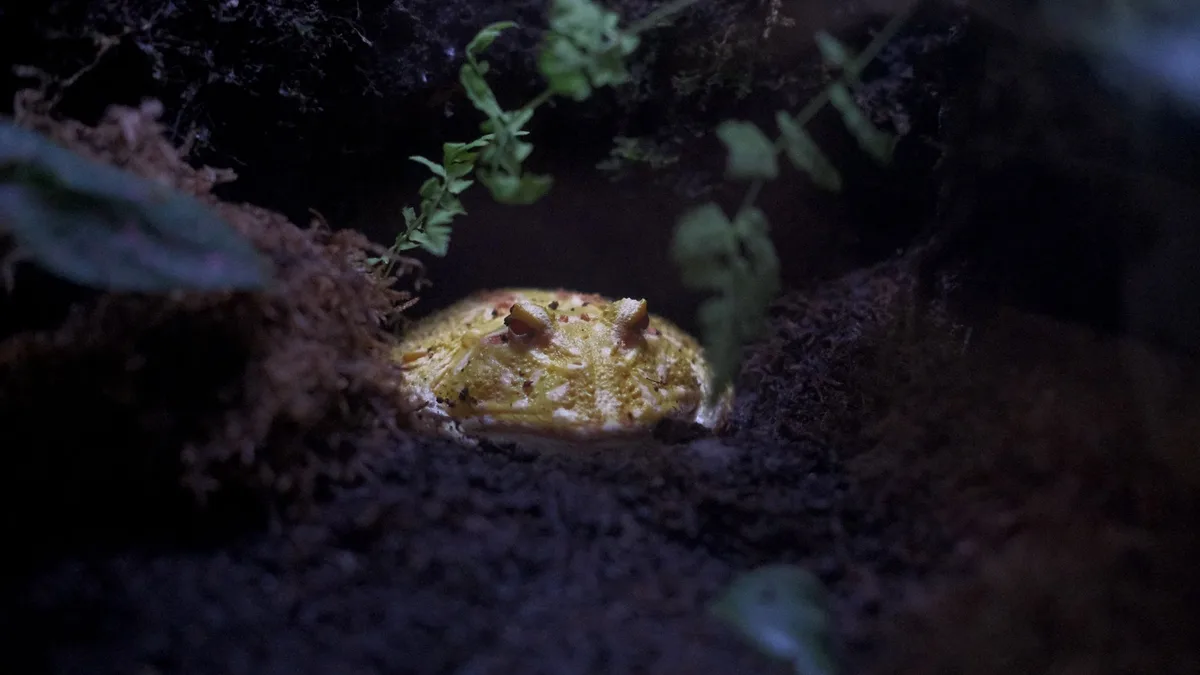 Amphibian skin is permeable, so water chemistry acts directly on the animal. Photo: Deniz Karbaş via Pexels.
- Chlorine/chloramine (after treatment)
- pH
- GH and KH
- Ammonia, nitrite, nitrate
For breeding animals or sick individuals, test every 48 hours. Keep a log to identify trends. According to the AAHA‑AVMA guidelines on preventive care for exotic species, any deviation beyond the species’ preferred range should trigger a corrective water change and investigation of filtration.
Summary
Amphibian safe water is not simply water free of chlorine. It requires a holistic balance of dechlorination, hardness, pH, ammonia control, and diligent water changes. By tailoring these parameters to the amphibian’s natural history, using regionally appropriate water treatment methods, and adhering to veterinary consensus guidelines, keepers can mitigate the most common causes of morbidity in captivity. When in doubt, consult a veterinarian with experience in amphibian medicine (many clinics listed in the VCA system and DVM360 directory offer such services). Maintaining excellent water quality is the single most impactful step in promoting the health, longevity, and wellbeing of amphibian companions.
Related Clinical & Scientific Guides
References
Merck Veterinary Manual. Amphibian Husbandry and Management. Available at: https://www.merckvetmanual.com/exotic-and-laboratory-animals/amphibians. Accessed 2025.
American Veterinary Medical Association (AVMA). Guidelines for the Care of Animals: Amphibians. Available at: https://www.avma.org/resources-tools/avma-policies/amphibian-care-guidelines.
VCA Animal Hospitals. Proper Nutrition for Pet Amphibians. VCA Knowledge Base.
Canadian Veterinary Medical Association (CVMA). Water Quality in Amphibian Enclosures. CVMA Animal Health Information.
Australian Veterinary Association (AVA). Best Practice Guidelines for Amphibian Keeping. AVA Publications, 2022.
Federation of Veterinarians of Europe (FVE). Water Quality Standards for Exotic Pets. FVE Position Paper, 2023.
Cornell College of Veterinary Medicine. Amphibian Medicine and Surgery. CVM Educational Resource.
DVM360. Common Water Quality Mistakes in Amphibian Pet Care. DVM360 Exotics Series, 2024.
EFSA Panel on Animal Health and Welfare. Scientific Opinion on the Welfare of Amphibians in Captivity. EFSA Journal 2020;18(1):e05972.
Australian Government Department of Agriculture, Fisheries and Forestry (DAFF). Import Conditions for Amphibians, Water Quality Requirements. DAFF Biosecurity Manual.
This article is intended for informational purposes and does not substitute for individual veterinary advice. Always consult a licensed veterinarian for health concerns.