Can Chickens Eat Strawberries? Safe Feeding Guide
By Dr. Zubair Khalid, DVM, MS, PhD ·
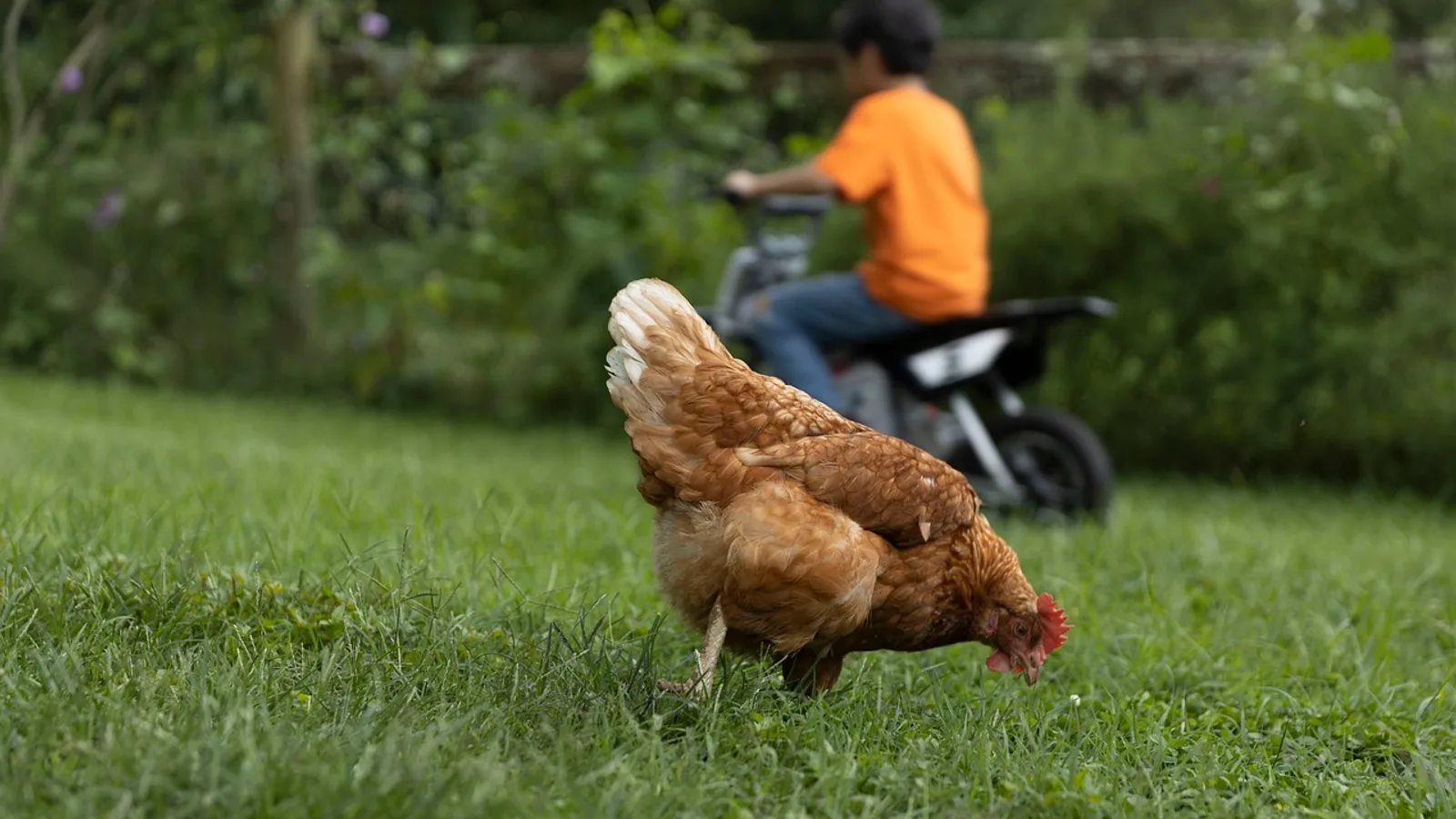
Yes, chickens can eat strawberries. The ripe fruit is a safe, palatable treat for backyard flocks when it is fed in small amounts and prepared correctly. The edible portion is the red flesh and skin of the berry. Green caps, leaves, and stems are not a meaningful food source for chickens, and any berry showing mold or carrying pesticide residue should never go into the coop. The practical rule is simple: one or two clean, cap-free berries per bird per day, treated as a snack rather than a meal.
This guide explains why strawberries fit into a flock diet the way they do, how to prepare them, how many to feed, what can go wrong, and how the answer differs for ducks and quail. It also covers the specific situations where you should call a veterinarian instead of adjusting the feed bucket yourself.
This article is educational and is not a substitute for veterinary diagnosis or treatment.
At a Glance: Strawberry Feeding Rules for Chickens
| Item | Status | Notes |
|---|---|---|
| Ripe strawberry fruit (flesh and skin) | Safe | Feed as an occasional treat |
| Green caps (calyx) and stems | Not useful | Remove before feeding |
| Strawberry leaves | Not a chicken food | Do not offer as forage |
| Moldy or fermented berries | Unsafe | Discard the whole berry |
| Unwashed berries with pesticide residue | Unsafe | Wash and dry first |
| Portion per bird per day | 1 to 2 berries | Treat only, never a meal replacement |
| Berries as a share of total diet | Small minority | Base diet stays complete |
| Sugary fruit fed in excess | Risk | Can cause diarrhea or weight gain |
Quick Prep Checklist
- Pick or buy berries that are fully ripe and firm, with no soft brown patches.
- Discard any berry with visible mold, fuzz, or a fermented smell.
- Rinse under cool running water to remove surface residue and grit.
- Twist or cut off the green cap and stem.
- Cut larger berries into halves or quarters so smaller birds can manage them.
- Scatter the pieces in a clean feeder or on clean ground, not on soiled litter.
- Remove uneaten fruit within a few hours, especially in warm weather.
- Keep the total treat portion at one to two berries per bird per day.
Why Strawberries Are Safe for Chickens
Strawberries are a fruit, and fruit is a normal part of what chickens will peck at when they range freely. The berry is mostly water and carbohydrate, with a modest amount of fiber and a small amount of vitamin C and plant antioxidants. None of those components are toxic to chickens. The fruit does not contain the kinds of compounds that make certain plants dangerous, and it is not on the list of feeds that require detoxification before use.
That last point matters more than it might seem. Some alternative feeds carry anti-nutritional factors that have to be managed before they are safe. A study of fruit and vegetable peels used as poultry feed in Ethiopia found that cassava peel required detoxification because of elevated oxalates and tannins, while other peels such as potato and banana could be used with less concern [1]. Strawberries do not fall into the problem category. They can be offered as-is once they are clean and cap-free.
Strawberries also carry a genuine nutritional signal in poultry research, though it comes from a processed form of the fruit rather than the whole berry. In a broiler study, dried strawberry pomace (the leftover material after juice extraction) was included in the diet at 3% and 6% and improved antioxidant measures in breast muscle and liver compared with a cellulose control [2]. The same study found that fruit pomaces lowered serum triglycerides and the atherogenic index [2]. Those results tell us the strawberry plant contains bioactive compounds that the chicken body can use. They do not mean a handful of fresh berries will change your flock's blood chemistry. The dose in that trial was a formulated feed ingredient, not a treat.
The honest framing is this: strawberries supply vitamin C and antioxidants, and they are pleasant for chickens to eat, but they are not a complete food. They cannot stand in for a balanced layer or grower ration. A hen that fills up on fruit eats less of the feed that supplies the protein, calcium, and amino acids she actually needs. A study of laying hens fed different protein sources showed that diet composition measurably shifts the amino acid profile of serum and breast muscle [3]. That is a reminder of how directly the ration drives bird biology. Treats are a small lever on a large system, and they should stay small.
What Chickens Actually Need From Their Diet
To understand where strawberries fit, it helps to know what the base diet is doing. A complete poultry feed is formulated to deliver energy, crude protein, essential amino acids, minerals, and vitamins in the right proportions for the bird's age and purpose. Laying hens have additional calcium demands. Growing birds have additional protein demands. These needs are met by the ration, not by kitchen scraps.
Research on alternative feed ingredients keeps circling the same theme: the value of a feed depends on its nutrient profile and how it is used within a balanced formula. The Ethiopian peel study measured metabolizable energy and crude protein across eight different peels and found wide variation, from potato peel at the top for energy and protein to cassava peel with exceptional calcium and phosphorus but a detoxification requirement [1]. The lesson for a backyard keeper is that no single fruit or peel is a diet. Each is an ingredient, and ingredients only work inside a formula.
Plant-derived feed additives are another area where the poultry literature is active. Studies have examined Aronia fruit extract, fennel seed, and fermented brewer's grain for their effects on growth, serum markers, gut morphology, and liver metabolism [4][5][6]. These are controlled interventions at defined doses, not casual treats. They show that plant compounds can influence bird physiology. They also show that the effect depends on dose, form, and duration. A strawberry handed over the fence does not replicate any of that.
So the correct mental model is straightforward. The ration is the meal. Strawberries are a garnish. A garnish that is clean, cap-free, and limited to one or two berries per bird per day adds variety and a little enrichment without disturbing the nutrition underneath.
Safe Parts, Unsafe Parts, and Portion Size
The Fruit Is the Only Part Worth Feeding
The red flesh and skin of a ripe strawberry is the part chickens should eat. It is soft, moist, and easy for birds of all sizes to peck apart. There is no toxin in the fruit, and no preparation beyond washing and de-capping is required.
Green Caps and Stems
The green cap (the calyx) and the stem are not toxic, but they are not useful food either. They are tough, low in digestible nutrients, and chickens will usually ignore them once the fruit is gone. Removing the cap before feeding keeps the treat clean and reduces waste. If a bird eats a cap by accident, there is no cause for alarm. The concern is practical, not poisonous.
Strawberry Leaves
Strawberry leaves are not a chicken food. Do not offer them as forage or as a substitute for leafy greens. The approved feeding value of the strawberry plant for backyard chickens sits with the fruit, not the foliage.
Moldy or Fermented Berries
This is the one hard stop. A berry with visible mold, fuzz, or a fermented smell should be thrown away, not trimmed and fed. Moldy fruit introduces spoilage organisms and potential mycotoxins into the coop, and the risk is not worth the reward. A single bad berry in a bowl can contaminate the rest. Inspect each berry individually before it goes out.
Pesticide Residue
Strawberries are a crop that may carry surface pesticide residue. Wash every berry under cool running water before feeding. If you grow your own and know they are unsprayed, a rinse is still good practice to remove soil and grit. If you buy conventionally grown berries, washing is not optional. Never feed berries straight from a field or market without rinsing.
Portion Size
Feed one to two berries per bird per day as a treat. That is the working number for a healthy adult chicken on a complete ration. For bantam breeds and young birds, one small berry or half of a large one is plenty. The portion should never replace a meal. If your birds are filling up on fruit and leaving their feed, you are feeding too much.
The Sugar Problem
Strawberries are a sugary fruit, and sugar is the reason portion control matters. Overfeeding sugary fruit can cause diarrhea or contribute to obesity over time. Loose droppings after a fruit day are a common and usually self-limiting sign that the treat load was too high. Persistent diarrhea, weight gain, or a drop in egg production calls for a closer look at the whole diet.
How to Feed Strawberries to Backyard Chickens: Step by Step
Step 1: Select Good Berries
Choose berries that are fully ripe and firm. Avoid berries with soft brown patches, leaking juice, or any sign of mold. Overripe berries ferment quickly, especially in summer heat.
Step 2: Wash Thoroughly
Rinse the berries under cool running water. Rub the surface gently with your fingers to lift residue and grit. Do not soak them in a bowl of standing water, which can waterlog the fruit and speed spoilage.
Step 3: Remove Caps and Stems
Twist off the green cap or cut it away with a small knife. Discard the caps and stems. If you are feeding a large batch, this is the step that takes the most time, and it is worth doing properly.
Step 4: Cut to Size
Halve or quarter large berries so that smaller birds and bantams can manage the pieces. A whole large berry can be a choking shape for a small bird, and cutting also lets you inspect the interior for hidden mold.
Step 5: Offer in a Clean Container
Scatter the pieces in a clean feeder, a shallow dish, or on clean ground. Avoid placing fruit on soiled litter or near droppings. Fruit that sits in muck picks up bacteria and loses its appeal fast.
Step 6: Limit the Amount
Stick to one to two berries per bird. If you have ten hens, that is ten to twenty berries total, not a full flat. Count the birds, not the bowl.
Step 7: Remove Leftovers
Clear away uneaten fruit within a few hours. In warm weather, fruit spoils quickly and attracts flies and pests. A clean coop is part of safe feeding.
Step 8: Watch the Response
Check droppings the next day. Mild looseness after a fruit treat is common. If droppings stay loose, cut the treat portion or pause fruit entirely and reassess the base ration.
Equipment and Supplies for Safe Treat Feeding
You do not need specialized equipment to feed strawberries, but a few basic items make the job cleaner and safer.
- A colander or strainer for washing berries under running water.
- A small paring knife or kitchen shears for removing caps and cutting fruit.
- A shallow, easy-to-clean treat dish or a dedicated feeder that can be washed after use.
- A refrigerator or cool storage spot for berries you plan to feed over several days.
- A waste container for caps, stems, and any moldy fruit, kept out of reach of the flock.
Selection criteria are simple. Choose items that are easy to sanitize, because fruit residue feeds bacteria. Choose a treat container that birds cannot tip over and soil. Choose a knife that is sharp enough to cut cleanly rather than crush the fruit.
Common Mistakes Owners Make
Feeding Too Many Berries
The most frequent error is treating fruit as a meal. A bowl of strawberries is not dinner. It is a snack that should occupy a small fraction of daily intake. Overfeeding sugary fruit can cause diarrhea or obesity, and both problems trace back to portion size.
Leaving Caps and Stems On
Caps and stems are not dangerous, but they add bulk with no nutritional value and make the treat messier. Remove them.
Skipping the Wash
Unwashed berries can carry pesticide residue. Rinse every berry, every time.
Feeding Moldy Fruit
Moldy berries should be discarded, not salvaged. Trimming a moldy spot does not make the rest of the berry safe.
Feeding on Dirty Ground
Fruit placed on soiled litter picks up contamination. Use a clean dish or clean ground.
Using Fruit to Replace Feed
Strawberries are not a complete food. They supply vitamin C and antioxidants, but they cannot supply the protein, calcium, and amino acids a chicken needs. The ration stays the ration.
Ignoring Changes in Droppings or Weight
Loose droppings, weight gain, or a drop in laying are signals. Adjust the treat load and, if the problem persists, involve a veterinarian.
Strawberries for Different Classes of Birds
Laying Hens
Laying hens can have one to two berries per bird per day as a treat. Keep the calcium and protein content of the base ration intact. Fruit does not contribute meaningfully to shell quality or egg production.
Growing Birds and Chicks
Young birds have higher protein and nutrient demands relative to body size. Keep fruit to a minimum and treat it as an occasional novelty. A chick that fills up on fruit eats less starter feed, which is the opposite of what it needs.
Broilers and Meat Birds
Meat birds are managed for growth and feed efficiency. Fruit treats dilute the ration and are best kept rare. The poultry literature on fruit pomaces uses them as formulated feed ingredients at defined inclusion rates, not as free-choice snacks [2].
Bantams and Small Breeds
Small birds need smaller pieces. Cut berries into quarters and limit to one small berry or half a large one per bird.
Molting and Stressed Birds
Birds in molt or under stress have elevated nutrient needs. Keep treats minimal during these periods and prioritize the complete ration.
Comparative Species Note: Chickens vs. Ducks vs. Quail
Chickens
Chickens are omnivorous foragers with a strong pecking drive. They handle soft fruit well and can eat strawberries safely in moderation. The one-to-two-berry rule applies to healthy adult birds.
Ducks
Ducks are waterfowl with different feeding mechanics and a different bill structure. They can eat soft fruit, and strawberries are not toxic to them, but ducks tend to make a mess of wet fruit and can foul water sources quickly. If you keep ducks and chickens together, feed fruit in a way that does not leave sodden leftovers in the water. Portion control still applies, and the same rules about mold and pesticide residue hold.
Quail
Quail are small birds with small beaks and a proportionally high metabolic rate. A whole strawberry is far too large. If you offer fruit to quail at all, mince it into tiny pieces and keep the amount very small. The treat should be a peck, not a portion. Quail are also more sensitive to sudden dietary changes than chickens, so introduce any new food gradually.
The shared principle across all three species is that fruit is a supplement to a complete diet, never a replacement. The differences are in size, feeding mechanics, and how much mess the bird makes while eating.
Welfare and Safety Points
Treat feeding is not only about nutrition. It is also about enrichment. Chickens are active foragers, and scattering fruit pieces gives them something to search for and peck at. That kind of activity supports natural behavior and reduces boredom in confined flocks.
A few welfare and safety points are worth keeping in mind.
- Feed treats at consistent times so birds do not learn to expect food from every human interaction.
- Scatter fruit across a clean area to encourage movement rather than crowding at a single dish.
- Watch for bullying at the treat dish. Dominant birds can monopolize food, and subordinate birds may get nothing. Use multiple scattered pieces to spread access.
- Keep the coop clean. Fruit residue attracts pests and promotes bacterial growth.
- Store berries properly. Refrigerate what you plan to feed over several days and discard anything that spoils.
- Never feed fruit that has been sitting in a hot car or on a sunny counter for hours.
Enrichment and nutrition are not in conflict here. A small, clean, well-placed treat supports both.
Troubleshooting: When Something Goes Wrong
Loose Droppings After Fruit
Mild looseness after a fruit treat is common and usually resolves on its own within a day. Cut the portion and offer plain feed and fresh water. If droppings stay loose for more than a day or two, or if the bird seems dull, contact a veterinarian.
Birds Refusing the Base Ration
If your flock is ignoring their feed and waiting for treats, you are feeding too much fruit. Reduce treats to a few times a week and let the ration re-establish itself as the main food source.
Weight Gain in the Flock
Obesity in backyard chickens is a real problem and is often driven by excess treats and kitchen scraps. Cut the fruit portion, review the total treat load, and keep the base ration measured.
A Bird Ate a Moldy Berry
One moldy berry is unlikely to cause serious harm in a healthy adult bird, but watch for signs of illness over the next day or two. If the bird becomes lethargic, stops eating, or develops abnormal droppings, contact a veterinarian.
A Bird Ate a Large Amount of Fruit
If a bird has gorged on fruit, remove access to more and monitor. Offer fresh water and normal feed. Persistent diarrhea, bloating, or lethargy warrants veterinary attention.
Suspected Pesticide Exposure
If you suspect a bird ate unwashed berries with heavy pesticide residue, contact a veterinarian or a poison control service immediately. Do not wait for symptoms.
Limitations and When to Contact a Veterinarian
This article gives general guidance for healthy backyard chickens. Individual birds differ, and a bird with an underlying condition may respond differently to a dietary change. Your veterinarian can assess your specific flock, ration, and housing situation.
Contact a veterinarian if any of the following occur:
- Diarrhea that lasts more than 24 to 48 hours or is accompanied by lethargy.
- A sudden drop in feed intake, water intake, or egg production.
- Weight loss or unexplained weight gain across the flock.
- Any bird that becomes dull, fluffed, or reluctant to move after a dietary change.
- Suspected exposure to mold, pesticides, or spoiled food.
- Repeated digestive upset after treats, which may point to a broader dietary problem.
- Any sign of respiratory distress, neurological signs, or sudden death in the flock.
A veterinarian can also help you evaluate whether your base ration is actually complete. Many backyard flock problems trace back to an unbalanced diet rather than to any single treat.
Frequently Asked Questions
Can chickens eat strawberries?
Yes. Ripe strawberry fruit is safe for chickens when it is washed, de-capped, and fed in small amounts. One to two berries per bird per day is a reasonable treat portion.
How many strawberries can a chicken eat per day?
One to two berries per bird per day is the working limit for a healthy adult chicken. Smaller breeds and young birds should get less. Treats should never replace the base ration.
Should I remove the green caps before feeding strawberries to chickens?
Yes. Remove the green cap and stem before feeding. They are not toxic, but they are not useful food and they make the treat messier.
Can chickens eat strawberry leaves?
No. Strawberry leaves are not a chicken food and should not be offered as forage or as a substitute for leafy greens.
What happens if a chicken eats too many strawberries?
Overfeeding sugary fruit can cause diarrhea or contribute to obesity over time. Loose droppings after a fruit day are a common sign that the portion was too high. Cut back and monitor.
Are strawberries a complete food for chickens?
No. Strawberries provide vitamin C and antioxidants, but they are not a complete food. Chickens need a balanced ration for protein, calcium, amino acids, and energy.
Can ducks and quail eat strawberries too?
Ducks can eat soft fruit including strawberries, and quail can eat very small minced pieces. The same rules apply: clean fruit only, no mold, no pesticide residue, and strict portion control.
Do I need to wash strawberries before feeding them to chickens?
Yes. Wash every berry under cool running water to remove pesticide residue and grit. Never feed berries straight from the field or market without rinsing.
Related Articles
- Can Dogs Eat Strawberries? Safe Portions & Health Benefits
- Can Dogs Eat Strawberry Twizzlers
- Can Dogs Eat Strawberry Milk
- Can Dogs Eat Strawberries Jelly
- Can Dogs Eat Strawberry Filling
- Can Dogs Eat Strawberries And Honey
- Can Chickens Eat Carrots? Safe Feeding Guide
- Can Dogs Eat Black Beans? Safe Feeding Guide
- Can Chickens Eat Celery? Safe Feeding Guide
Sources
- Fruit and Vegetable Peels as Alternative Feed for Sustainable Poultry Production: A Solution for Small-Scale Farms in Central and Southern Ethiopia.
- Effects of Feeding Dried Fruit Pomaces as Additional Fibre-Phenolic Compound on Meat Quality, Blood Chemistry and Redox Status of Broilers.
- Hens' diet manipulation: Effects of addition of lupine seeds and soybean meal on amino acid and protein composition in hens' meat and blood.
- Aronia melanocarpa extract modulates gut microbiota and induces dose-dependent metabolic shifts in broiler chickens.
- Non-targeted metabolomics reveals liver metabolome changes in broiler chickens fed diets supplemented with fermented brewer's grain.
- Impact of dietary supplementation with fennel seed (Foeniculum vulgare var. dulce) on growth Performance, carcass characteristics, meat quality, intestinal measurements, and cecal microbiota in broiler chickens.