Is Febreze Toxic to Cats? Air Freshener Safety
By Dr. Zubair Khalid, DVM, MS, PhD ·
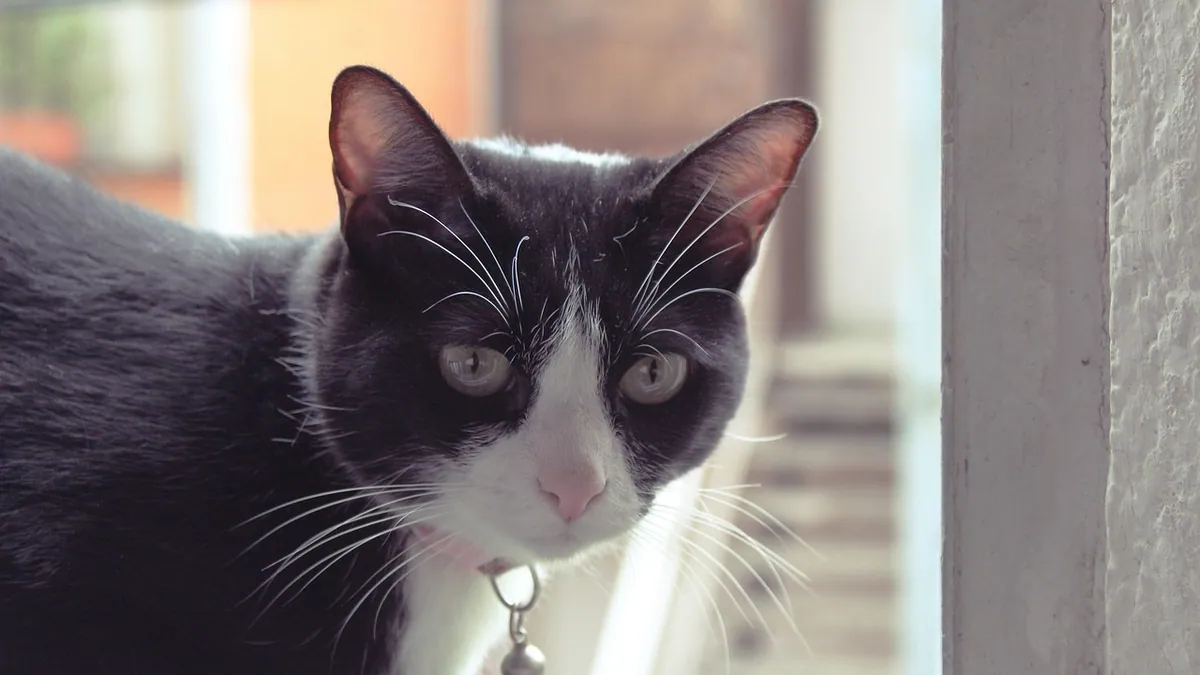
Is Febreze toxic to cats? The short answer is that Febreze products are not formulated as cat poisons, but they are not harmless either. Cats groom their coats many times a day, so anything that lands on their fur can end up in their mouth and digestive tract [1]. The bigger concern with sprays, plug-ins, and fabric refreshers is irritation and the chance of ingesting cleaning chemicals left on the coat [1].
This article is educational and is not a substitute for veterinary diagnosis or treatment.
Quick Answer
- Febreze is not designed to poison cats, but sprays and plug-ins can irritate a cat's eyes, nose, throat, and skin, and residue on the coat can be swallowed during grooming [1].
- Cats are smaller than people and groom themselves often, so they can ingest harmful chemicals left on their fur and be affected quickly [1].
- Liquid plug-in refills, concentrated liquids, and aerosol droplets are the highest-risk forms because of direct contact and inhalation.
- If you suspect your cat swallowed or inhaled a product, call your veterinarian, the ASPCA Animal Poison Control Center at (888) 426-4435, or Pet Poison Helpline at (855) 764-7661 right away [1].
- Do not induce vomiting unless a veterinarian tells you to.
Is Febreze Toxic to Cats? What the Products Actually Are
Febreze is a brand of odor-eliminating products sold as fabric refreshers, air sprays, plug-in diffusers, car vent clips, and small solid air fresheners. The formulas vary by product, but most contain water, fragrance, and a carrier that traps odor molecules. None of these are marketed as pet-safe, and none are meant to be eaten or applied to an animal.
The word "toxic" gets used loosely. A substance can be toxic in the sense that it causes harm at a certain dose, or it can be irritating without being poisonous. For most Febreze products used normally in a home, the realistic risks for a cat are irritation and mild stomach upset from grooming residue, not sudden death. That said, cats are not small dogs. They have unique metabolic sensitivities that make them a useful sentinel species for chemicals in shared indoor spaces [2]. Their livers process many compounds differently, and a chemical that seems mild to a person can affect a cat more strongly.
There is also a broader question owners ask: is air freshener toxic to cats in general? The honest answer is that any airborne fragrance product adds chemicals to the air your cat breathes and to surfaces your cat walks on and licks. The risk depends on the product, the amount, the room size, and how much ventilation you have. A single spritz across the room is very different from a plug-in running all day in a closed bedroom where the cat sleeps.
Which Forms Carry the Most Risk?
Liquid plug-in refills and concentrated liquids are the most concerning because a cat can knock one over, step in the spill, and then lick its paws. Aerosol sprays release fine droplets that settle on fur, food bowls, and bedding. Fabric refreshers are designed to stay on fabric, which means they stay on the couch, the blanket, and the cat bed your cat naps in every day. Solid air fresheners and vent clips are lower risk for direct contact but still add fragrance to the air.
The Toxic Principle and What It Does in the Body
The main issue with Febreze-type products is the fragrance and solvent mixture, not a single named poison. Fragrance blends can contain dozens of compounds, and many of them are irritants to mucous membranes. When a cat breathes in aerosol droplets, the lining of the nose, throat, and airways can become inflamed. When droplets land on the eyes, they can cause redness, tearing, and squinting. When residue lands on the skin, it can cause itching or a contact reaction.
Ingestion is the other path. Cats spend a large part of their day grooming, and they swallow whatever is on their coat [1]. A small amount of fragrance residue may cause nothing more than a bad taste and some drooling. A larger amount, especially from a spilled refill, can cause vomiting, diarrhea, and mouth irritation. Cats are typically picky eaters, but their grooming habit means they can ingest harmful chemicals left on their fur and be poisoned [1]. That is why the coat matters as much as the bowl.
Some fragrance chemicals belong to a group called organophosphate esters, which are used as flame retardants and plasticizers. A study using silicone pet tags found higher levels of one such compound, tris(1,3-dichloro-2-isopropyl) phosphate, in hyperthyroid cats compared with nonhyperthyroid cats, and higher concentrations were linked with higher thyroid hormone levels [3]. This does not prove that air fresheners cause hyperthyroidism, and it does not mean Febreze contains that compound. It does show that indoor chemical exposure in cats is worth taking seriously, because the home environment is where most of it happens [3].
Signs of Exposure and Their Typical Timeline
Signs depend on the route and the amount. Eye and nose irritation often shows up within minutes to a few hours of spraying in the same room. Drooling, lip smacking, and pawing at the mouth can appear soon after a cat grooms residue off its coat. Vomiting and diarrhea may follow within a few hours. Skin reactions such as redness or excessive scratching can take a day or more to become obvious.
Watch for these signs:
- Squinting, tearing, or red eyes
- Sneezing, coughing, or noisy breathing
- Drooling, lip smacking, or pawing at the mouth
- Vomiting or diarrhea
- Excessive grooming or scratching at one area
- Head shaking or rubbing the face on the floor
- Lethargy, hiding, or going off food
Most mild irritation improves once the cat is moved to fresh air and the residue is gently wiped away. Severe signs such as trouble breathing, repeated vomiting, wobbliness, or collapse need emergency care. Cats can deteriorate quickly after ingesting a harmful substance because of their small size [1].
If you are also checking your home for other hazards, our guide to flowers that are toxic to cats covers common bouquets that cause similar mouth and stomach signs.
What to Do Right Now
Move your cat to a well-ventilated room away from the product. If the cat's coat or paws are damp with spray or liquid, wipe them gently with a warm, damp cloth and mild pet-safe soap, then dry the cat. Do not scrub the skin or use harsh cleaners. If the eyes are affected, flush them with plain saline or lukewarm water for several minutes.
Call your veterinarian, the ASPCA Animal Poison Control Center at (888) 426-4435, or Pet Poison Helpline at (855) 764-7661 for advice [1]. Have the product container with you so you can read the label and share the ingredients. If you can confirm what caused the problem, take a picture or bring the item with you to the clinic, because it helps with diagnosis and treatment [1].
Do not induce vomiting unless a veterinarian tells you to. Some products are foamy or caustic, and making a cat vomit can cause more harm than good. Do not give milk, oil, or home remedies. Do not wait to see if signs appear if you know your cat swallowed a refill or licked a spill.
How Veterinarians Treat Exposure
Treatment depends on the route and the severity. For skin or coat exposure, the first step is bathing or wiping to remove the residue so the cat cannot keep grooming it off. For eye exposure, the veterinarian flushes the eye and checks for corneal damage with a stain test. For inhalation, oxygen and a quiet, low-stress environment may be needed if breathing is affected.
If a cat has swallowed a concerning amount, the veterinarian may give activated charcoal to bind the toxin, IV fluids to support hydration, and medication for vomiting or nausea [1]. If a cat is having seizures, anticonvulsants may be used [1]. Blood work can check organ function and electrolyte balance. Most cats with mild irritation do not need hospitalization, but cats with breathing trouble, repeated vomiting, or neurological signs often do.
If your cat has swallowed something more clearly dangerous, such as antifreeze, the treatment and outlook are very different. Our article on antifreeze poisoning in dogs and cats explains why timing matters so much with that toxin.
Outlook After Exposure
The outlook is generally good for mild irritation that is caught early and treated with removal from the source plus coat cleaning. Signs often settle within a day or two. Cats with eye involvement usually recover well once the eye is flushed and any ulcer is treated. Cats that inhale a large amount of aerosol in a small space may need a few days of supportive care.
The outlook is more guarded when a cat swallows a significant amount of concentrated liquid or when signs are severe at home. Cats are small, and ingestion of harmful substances can cause adverse effects quickly [1]. Cats also have metabolic sensitivities that can change how they handle chemicals compared with other species [2]. That is why a cat that seems fine after licking a spill still deserves a phone call to a veterinarian or poison control line.
Prevention and Safer Alternatives
The simplest way to protect your cat is to stop using spray and plug-in air fresheners in rooms the cat uses. If you want to keep using a product, choose one room the cat cannot enter, keep the door closed, and ventilate well afterward. Never spray near the cat, its bed, its litter box, or its food and water bowls. Store refills in a closed cabinet where a cat cannot knock them over.
For fabric odor, wash items with a pet-safe detergent and let them air out instead of spraying them. Baking soda left on a carpet for a few hours and then vacuumed up can help with odors without adding fragrance. Open windows when weather allows. Clean litter boxes daily, since litter odor is often the real source of a lingering smell.
If you want plants in the house, check safety first. Our guide to orchids and cats and our article on lilies and cats can help you pick species that will not add another risk to the home.
If your cat has a medical condition, ask your veterinarian before making changes to the home environment. Cats with asthma, allergies, or thyroid disease may be more sensitive to airborne irritants.
Limitations and When to Contact a Veterinarian
No article can tell you whether your specific cat will react to a specific product. The amount, the route, the cat's size, and the cat's health all matter. Individual cases need a veterinarian who can examine the cat and decide on testing and treatment.
Contact a veterinarian the same day if your cat has drooling, vomiting, diarrhea, or a skin reaction after contact with a spray, plug-in, or fabric refresher. Contact an emergency clinic right away if your cat is having trouble breathing, coughing repeatedly, wobbling, collapsing, having a seizure, or if you know it swallowed liquid from a refill. Call a poison control line first if you are unsure whether the exposure is serious, since they can help you decide whether to go in [1]. A routine visit is reasonable if signs were mild and have resolved but you want the cat checked, or if you want help choosing safer products for a cat with asthma or allergies.
Frequently Asked Questions
Is Febreze harmful to cats if I only spray it in another room?
Spraying in another room lowers the dose your cat breathes, but droplets can drift and settle on shared surfaces. If the cat later walks on that surface and grooms its paws, it can swallow residue [1]. Keep the cat out of the room until the air clears and surfaces are dry.
Is Febreze spray toxic to cats if it lands on their fur?
The spray is not made to be eaten, and residue on the coat can be swallowed during grooming [1]. Wipe the coat with a damp cloth and mild pet-safe soap if you know your cat was sprayed. Watch for drooling, vomiting, or excessive grooming afterward.
Is air freshener harmful to cats that live indoors all the time?
Indoor cats have no way to escape airborne chemicals, so their exposure adds up over time. A study of indoor cats found links between certain chemical exposures and thyroid hormone levels, which suggests the home environment matters for feline health [3]. Good ventilation and fewer fragrance products reduce that load.
Can a plug-in air freshener poison a cat?
A plug-in is unlikely to poison a cat through the air alone, but the liquid refill is a real hazard if it leaks or spills. A cat that steps in the liquid and licks its paws can swallow a concentrated dose. Keep refills out of reach and clean spills immediately.
How long do signs take to show up after exposure?
Eye and nose irritation can appear within minutes, while stomach signs from grooming residue often show up within a few hours. Skin reactions may take a day or more. If signs are severe or getting worse, treat it as an emergency and call a veterinarian or poison control line right away [1].
Related Articles
- Are Lilies Toxic to Cats?
- Antifreeze Poisoning in Dogs and Cats: What Owners Should Know
- Are Orchids Toxic To Cats
- Flowers That Are Toxic To Cats
- Flowers Toxic To Cats
- What Flowers Are Toxic To Cats
- Are Air Fresheners Toxic to Cats?
- Are Scented Candles Toxic to Cats? Wax, Smoke and Oils
- Is Disinfectant Toxic to Cats? Cleaning Spray Safety
References
- Common Cat Poisons and Hazards. Pet Poison Helpline.
- Predictive q-RASAR modeling of intrinsic toxicity of pharmaceuticals and bioactive compounds in cats. Journal of hazardous materials, 2026.
- Silicone Pet Tags Associate Tris(1,3-dichloro-2-isopropyl) Phosphate Exposures with Feline Hyperthyroidism. Environmental science & technology, 2019.