Is Disinfectant Toxic to Cats? Cleaning Spray Safety
By Dr. Zubair Khalid, DVM, MS, PhD ·
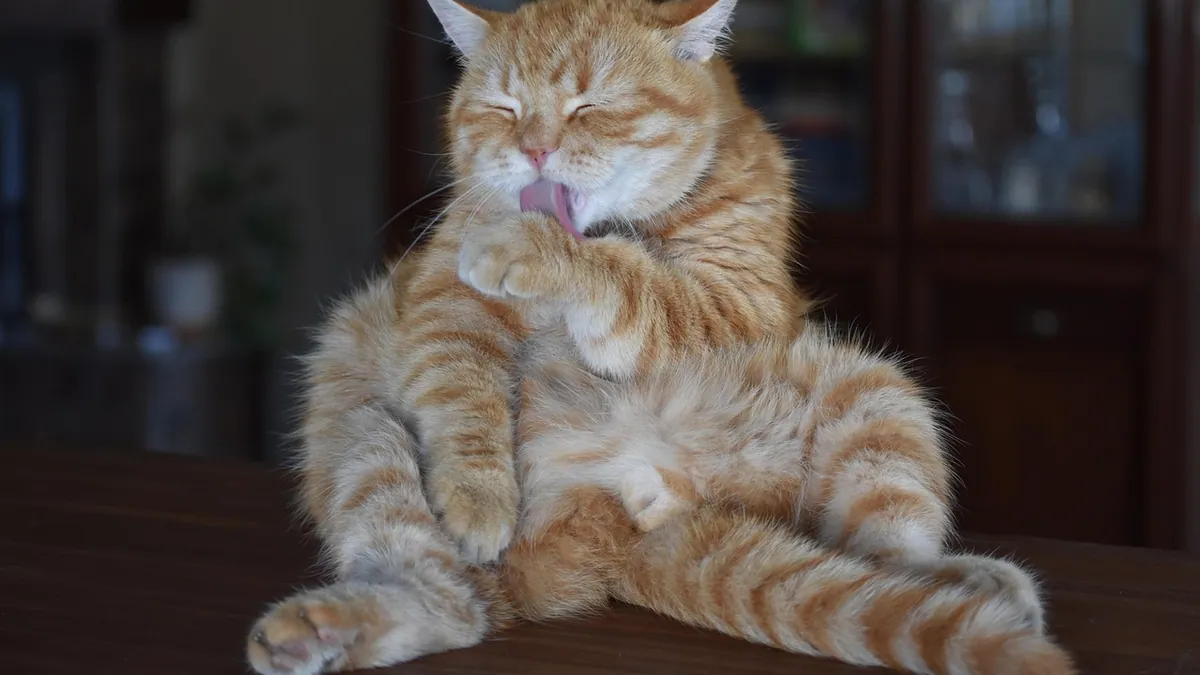
Is disinfectant toxic to cats? Yes, many common household disinfectants are toxic to cats, and some can cause serious harm even after brief contact. Cats are especially vulnerable because they groom their paws and coats by licking, so anything that lands on their fur can end up in their mouth. The risk depends on the product, the ingredient, and how much your cat is exposed to.
This article is educational and is not a substitute for veterinary diagnosis or treatment.
Quick Answer
- Many disinfectants, especially those containing quaternary ammonium compounds (QACs), phenols, bleach, and some essential oils, can harm cats through skin contact, inhalation, or grooming.
- Cats are not small dogs. Their liver breaks down many chemicals differently, so a dose that barely affects a dog can be dangerous for a cat.
- If your cat walked on a freshly cleaned floor, wipe their paws with a damp cloth and keep them away from the area until it is fully dry.
- If your cat licked or swallowed a cleaner, call your veterinarian, the ASPCA Animal Poison Control Center at (888) 426-4435, or Pet Poison Helpline at (855) 764-7661 right away. Do not induce vomiting unless a veterinarian tells you to.
- The safest routine is to clean first with plain soap and water, rinse well, and let surfaces dry completely before your cat has access.
Which Disinfectants Are Toxic to Cats?
Almost any concentrated cleaning chemical can irritate a cat if it touches the skin, eyes, or mouth. The bigger question is which ones can cause real poisoning. The answer depends on the active ingredient, not the brand name or the label color.
Quaternary Ammonium Compounds (QACs)
QACs are among the most common disinfectant ingredients in sprays, wipes, and floor cleaners. They carry both antibacterial and antiviral activity [1]. Their use expanded sharply during the COVID-19 pandemic, and researchers have raised concerns about long-term safety [2]. In animal and laboratory studies, QAC exposure has been linked to mitochondrial dysfunction, oxidative stress, and reproductive toxicity at low doses [2]. In people, QAC exposure is associated with respiratory symptoms and dermatitis, particularly in workers who use them often [2]. Cats that walk on a still-wet QAC-treated floor and then groom their paws are at risk of mouth irritation, drooling, and stomach upset.
Phenols and Pine-Based Cleaners
Phenol compounds are found in some household disinfectants and in pine oil cleaners. Cats have a limited ability to process phenols, so these products can cause severe illness. If a label lists phenol, carbolic acid, or a pine oil base, treat it as unsafe around cats.
Bleach (Sodium Hypochlorite)
Household bleach is a disinfectant, and its effectiveness varies with contact time, concentration, and temperature [3]. Bleach fumes irritate cat airways, and direct contact with concentrated bleach can burn skin, paws, and mouths. Diluted bleach that has fully dried is generally less of a concern, but a cat should never be allowed to walk through or lick a wet bleached surface.
Essential Oil Disinfectants
Plant essential oils are marketed as natural and safe, and some do have real antimicrobial activity [4]. Natural does not mean harmless for cats. Many essential oils, including tea tree, eucalyptus, citrus, peppermint, and wintergreen, are toxic to cats even in small amounts. A "plant-based" label tells you nothing about cat safety.
Disinfectant Wipes
Disinfectant wipes leave a chemical residue on the surface. A cat that walks across a wiped counter and then grooms can ingest that residue. Wipes are convenient, but they are not automatically safer than sprays.
Floor Cleaners
Floor cleaners deserve special attention because cats live at floor level. They walk on the floor, lie on it, and groom their paws afterward. A floor cleaner that would be a minor issue on a high shelf becomes a daily exposure risk when it is spread across your kitchen.
If your cat has already gotten into a cleaning product, see Cat Ate a Cleaning Product: Immediate Steps and Toxicity Risks for step-by-step guidance.
The Toxic Principle and What It Does in the Body
Cleaners and disinfectants are different things. A cleaner removes dirt, grease, and organic material. A disinfectant is designed to kill or inactivate microorganisms on surfaces [5]. Many products do both, which is why labels can be confusing.
The way these chemicals harm a cat depends on the ingredient.
QACs disrupt cell membranes and can interfere with energy production inside cells. Laboratory and animal findings point to mitochondrial dysfunction and oxidative stress after low-dose exposure [2]. On a cat's skin or gums, this shows up as irritation and inflammation. If enough is swallowed, it can affect the digestive tract and, in serious cases, the nervous system.
Phenols are absorbed through the skin and swallowed during grooming. They overwhelm the liver pathways cats use to process chemicals, which is why phenol poisoning in cats can progress quickly.
Bleach damages tissue on direct contact. The main risk in homes is fumes irritating the eyes and airways, plus burns if a cat steps in or drinks a puddle of concentrated product.
Surfactants, the soap-like molecules in many cleaners, can break down the fatty envelope that surrounds some viruses [6]. That is useful for disinfection, but the same membrane-disrupting action irritates a cat's skin, eyes, and gut lining.
Essential oils are absorbed through the skin and gut. Cats clear these compounds slowly, so even a small amount can build up to a toxic level.
Signs of Disinfectant Poisoning in Cats
Signs vary by product and by how much your cat was exposed to. Watch for:
- Drooling, lip smacking, or pawing at the mouth
- Vomiting or diarrhea
- Red, raw, or blistered skin on the paws, chin, or belly
- Squinting, tearing, or swollen eyes
- Coughing, sneezing, or noisy breathing
- Staggering, weakness, or tremors
- Drooping head, depression, or reluctance to move
- Loss of appetite or refusing water
Timeline
Mild irritation from skin or paw contact often shows up within minutes to a few hours. Vomiting and drooling after licking a surface usually start within 30 minutes to a few hours. Breathing problems from fumes can appear quickly in a small, enclosed space like a bathroom or carrier. Nervous system signs such as tremors or staggering tend to appear later and suggest a more serious exposure. If you are unsure when your cat was exposed, treat it as recent and call for advice.
What to Do Right Now
- Move your cat away from the area. Open windows and doors for fresh air.
- Check the label. Write down the product name and the active ingredients. This helps the veterinarian or poison control specialist give you accurate advice.
- If the product is on the fur or paws, wipe with a damp cloth and mild soap, then rinse. Do not scrub broken or blistered skin.
- If the product is in the eyes, flush gently with room-temperature water or saline for several minutes.
- If your cat licked or swallowed the product, call your veterinarian, the ASPCA Animal Poison Control Center at (888) 426-4435, or Pet Poison Helpline at (855) 764-7661. These lines may charge a consultation fee.
- Do not induce vomiting unless a veterinarian tells you to. Some chemicals cause more damage coming back up, and some should never be brought up at all.
Bring the product container or a photo of the label with you if you go to a clinic. For more on emergency poison calls, see Cat Poison Control.
How Veterinarians Treat Disinfectant Poisoning
Treatment depends on the ingredient, the route of exposure, and how sick your cat is. Your veterinarian will examine your cat, ask what product was involved, and estimate how much was swallowed or absorbed. The dose and treatment plan are set by your veterinarian based on your cat's weight and health.
Common steps include:
- Decontamination. Washing the skin or flushing the eyes to remove the chemical. In some cases, a veterinarian may give activated charcoal by mouth, but only when it is appropriate for that specific chemical.
- Supportive care. Intravenous fluids to support circulation and help the body clear the toxin. Medications to control vomiting, protect the stomach lining, or manage tremors.
- Oxygen and airway support. For cats with breathing difficulty from fumes.
- Blood work. To check organ function, especially the liver and kidneys.
- Hospital monitoring. Cats with significant exposure often need to stay for observation and repeated treatments.
There is no single antidote for most household disinfectants. Care is focused on removing the chemical, supporting the body, and treating symptoms as they appear.
Outlook
The outlook is usually good when exposure is small and treatment starts early. A cat that licked a small amount of diluted floor cleaner and is still eating and acting normally often recovers with supportive care. The outlook is more guarded with concentrated products, large amounts swallowed, or delayed treatment. Phenol and essential oil poisonings in cats can be severe because cats clear these compounds slowly. Cats that develop breathing problems or nervous system signs need prompt, aggressive care.
Prevention and Safer Alternatives
The best way to protect your cat is to assume every cleaning product is a risk until you know otherwise.
Read the Label Every Time
Look for the active ingredients, not the marketing words. "Natural," "green," and "plant-based" do not mean cat-safe. If a label says "keep pets away until dry," take that seriously.
Clean First, Disinfect Second
Organic material like dirt and grease reduces how well many disinfectants work, so cleaning is a required first step before disinfecting [5]. Plain soap and warm water remove most of the grime. Then use a product you have chosen for cat safety, and follow the contact time on the label.
Rinse and Dry
After disinfecting, rinse food bowls, counters, and floors with clean water when the label allows. Let every surface dry completely before your cat returns. A dry surface is far less likely to transfer chemicals to paws and fur.
Keep Cats Out of the Room
Confine your cat to another room while you clean. Ventilate with open windows or fans. Do not let your cat walk on a wet floor, even for a moment.
Store Products Safely
Keep all cleaners in closed cabinets your cat cannot open. Never store disinfectant in a food or water container. Cats are curious, and a spray bottle left on a counter is an easy target.
Consider Non-Chemical Options
Steam cleaning and ultraviolet-C light are non-chemical disinfection methods that avoid the toxicology concerns tied to QACs [2]. For routine household cleaning, hot water and soap handle most messes. If you use a plant essential oil product, remember that many essential oils are toxic to cats, so check each ingredient before you buy. For a broader list of what is safe around cats, see Non Toxic To Cats Houseplants and Flowers That Are Toxic To Cats.
Limitations and When to Contact a Veterinarian
No article can tell you whether your specific cat is in danger from a specific product. Individual cases need a veterinarian who can examine your cat, review the label, and decide on treatment.
Call now (emergency):
- Your cat is having trouble breathing, is gasping, or has blue gums
- Your cat is having seizures, tremors, or cannot stand
- Your cat swallowed a concentrated product or an unknown amount
- Your cat's eyes are swollen shut or the cornea looks cloudy
- Your cat is unconscious or unresponsive
Call the same day:
- Drooling, vomiting, or diarrhea after contact with a cleaner
- Red, raw, or blistered skin on the paws or belly
- Your cat is droopy, hiding, or refusing food after a cleaning day
- You are not sure what your cat was exposed to but something seems off
Routine visit:
- Mild paw irritation that is not improving after you rinse the area
- Repeated sneezing or eye redness that lingers after cleaning
- Any concern you cannot sort out by phone
When in doubt, call. Poison control lines and veterinary offices would much rather answer a question about a small exposure than treat a severe one later.
Frequently Asked Questions
Can my cat get sick just from walking on a cleaned floor?
Yes, if the floor is still wet or leaves a residue. Cats groom their paws by licking, so anything on the floor can end up in their mouth. Keep your cat off the floor until it is completely dry, and rinse the floor with clean water if the label allows.
Are disinfectant wipes safer than sprays?
No, wipes are not automatically safer. They leave a chemical residue on the surface just like a spray does. The ingredient matters more than the form, so check the label and keep your cat away until the surface is dry.
How long do I need to keep my cat away after cleaning?
Follow the label's drying time, then add a margin of safety. A surface that still feels damp or smells strongly of cleaner is not ready for your cat. Ventilate the room and wait until there is no lingering chemical odor.
What if my cat only licked a tiny bit?
Even a small amount can matter, especially with phenols and essential oils, because cats clear these compounds slowly. Rinse your cat's mouth by offering water, note the product name, and call your veterinarian or a poison control line for advice.
Are "natural" or "green" cleaners safe for cats?
No, those words are marketing terms, not safety guarantees. Some plant essential oils are toxic to cats, and a natural product can still contain irritating or harmful ingredients. Read the actual ingredient list and check it against a cat toxicity resource before use.
Related Articles
- Cat Ate a Cleaning Product: Immediate Steps and Toxicity Risks
- Non Toxic To Cats Houseplants
- Flowers That Are Toxic To Cats
- Are Lilies Toxic to Cats?
- Cat Poison Control
- Houseplants Toxic For Cats With Pictures
- Is Clorox Toxic to Cats? Bleach and Spray Safety
- Is Bleach Harmful to Cats? Fumes, Dilution, Safety
- Is Lysol Toxic to Cats? Wet, Dry, and Spray Risks
References
- Influence of New Compound Disinfectant From N-Dodecyl-2-(Piridin-1-Ium)Acetamide Chloride on Pathogenic Microorganisms in Poultry Houses. Frontiers in microbiology, 2021.
- Clinical and Environmental Harms of Quaternary Ammonium Disinfectants and the Promise of Ultraviolet-C (UV-C) Alternatives: A Narrative Review. Cureus, 2025.
- Synergistic effects of using sodium hypochlorite (bleach) and desiccation in surface inactivation for Toxocara spp. Experimental parasitology, 2024.
- Remarkable Inhibition Efficacy of a Compound Plant Essential Oil Disinfectant Against Bacteria, Viruses, and Mycoplasmas. Veterinary sciences, 2025.
- Cleaners and Disinfectants as a Veterinary Workplace Hazard - Public Health. Merck Veterinary Manual.
- Mechanism of surfactant interactions with feline coronavirus: A physical chemistry perspective. Journal of colloid and interface science, 2024.