Epsom Salt for Cats: Safe Uses and Poisoning Risks
By Dr. Zubair Khalid, DVM, MS, PhD ·
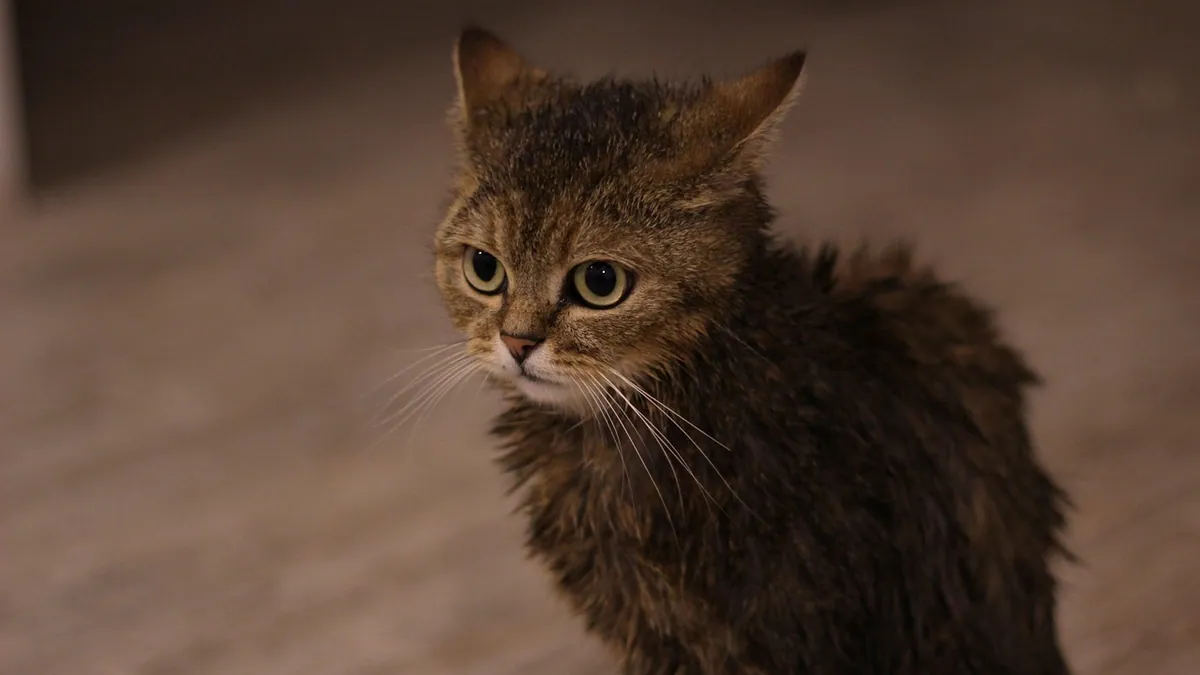
Epsom salt is not safe for cats. It is a magnesium-based product that cats should not eat, drink, or absorb in ways that let magnesium into the bloodstream. This article explains which uses people ask about, why they are risky, and what to do instead.
This article is educational and is not a substitute for veterinary diagnosis or treatment.
Quick Answer
- Do not give Epsom salt by mouth to a cat for constipation. It can pull water into the gut and cause dehydration, and the magnesium can build up in the body.
- Do not soak a cat in an Epsom salt bath. Cats groom themselves, so they can swallow the salt from their coat.
- Do not pack Epsom salt paste on a wound or bite. A cat will lick it off, and the wound needs proper cleaning and veterinary care.
- If your cat ate or licked Epsom salt, call your veterinarian, the ASPCA Animal Poison Control Center at (888) 426-4435, or Pet Poison Helpline at (855) 764-7661 right away.
- Do not make your cat vomit unless a veterinarian tells you to.
Is Epsom Salt Safe for Cats?
No. Epsom salt is magnesium sulfate. It is sold for human baths, foot soaks, and as a laxative. None of those uses transfer safely to cats.
The main problem is that cats are small. A dose of magnesium that would be minor for a person can be a large dose for a cat. Cats also groom their coats many times a day, so anything you put on the skin or fur is likely to end up in the mouth.
Salt in general is a real concern for cats. Cats need some salt for normal body function, but too much causes dehydration and can lead to vomiting, diarrhea, and kidney failure [1]. Organ damage can happen with both too much and too little salt [2]. Epsom salt delivers a concentrated dose of a mineral salt, so the margin for error is very small.
Epsom Salt for Cats Constipation
This is one of the most common reasons people search for Epsom salt and cats. Please do not try it.
Epsom salt works as a laxative in people by drawing water into the intestines. In a cat, that same effect can cause significant fluid loss. Excessive salt removes moisture from the body and can cause dehydration, vomiting, diarrhea, and kidney failure [2]. A cat with constipation is often already not drinking well, so adding a dehydrating product makes things worse.
Constipation in cats has many causes. It can be hairballs, not enough water, a low-fiber diet, pain, arthritis that makes litter box use hard, or a medical condition such as megacolon. Your veterinarian can sort out the cause and pick a safe treatment. Options often include canned food for extra water, a stool softener, a prescription diet, or a medication. The dose depends on your cat's weight and health, so it must come from your veterinarian.
If your cat has not passed stool for more than a day or two, is straining with nothing coming out, is vomiting, or seems painful, that is an urgent visit. A blocked cat can become very sick quickly.
Epsom Salt for Cat Wounds and Cat Bites
Do not use Epsom salt on a cat wound or a cat bite. This is unsafe for two reasons.
First, the cat will lick it off. Cats groom wounds, and grooming is how they clean themselves. Any Epsom salt you apply to the skin or fur becomes an oral dose.
Second, a wound or bite needs real treatment, not a soak. Cat bites are puncture wounds. The surface can look tiny while bacteria are pushed deep into tissue. These wounds often need to be opened, flushed, and treated with antibiotics. A bite from another cat is a common cause of abscesses.
If your cat has a wound, keep your cat from licking it with an Elizabethan collar if you have one, and call your veterinarian. Do not apply human products, including Epsom salt, hydrogen peroxide, or rubbing alcohol. If you are not sure whether a product your cat contacted is toxic, this guide on what to do when a cat ate a cleaning product walks through the first steps.
Epsom Salt for a Cat Bath
An Epsom salt bath is not safe for cats. Even if your cat does not drink the water, the salt stays on the coat. Your cat will swallow it during grooming.
Cats rarely need full baths. Most cats keep themselves clean. If your cat got into something greasy or toxic, a bath may be needed, but use plain warm water and a cat-safe shampoo, or follow your veterinarian's instructions. If a toxin is on the coat, call a poison control line first. Some substances should not be washed off without guidance, and some spread further with water.
If you are dealing with parasites, do not reach for Epsom salt. Use only flea products labeled for cats, because dog products can be toxic to cats. This article on cat flea treatment safe for cats explains what to look for.
The Toxic Principle: Magnesium and Salt Load
Epsom salt is magnesium sulfate. When a cat swallows it, two things happen.
The salt load pulls water out of the body and into the gut. That leads to dehydration and loose stool. The magnesium load goes into the bloodstream. Cats clear magnesium through the kidneys, so a large dose, a repeated dose, or a cat with kidney disease can build up high magnesium levels.
Magnesium affects nerves and muscles. In research settings, magnesium sulfate given into the bloodstream of anesthetized cats reached serum magnesium levels above 10 mg/dl [3]. These were controlled research settings, not home use, and they show that magnesium levels in cats can be pushed high with parenteral magnesium sulfate. High magnesium in the body can depress the nervous system and affect heart rhythm and muscle function.
There is also a plain salt poisoning risk. Clinical signs of salt toxicity in cats include vomiting, diarrhea, dehydration, and in severe cases death [2]. With prompt medical attention, a cat has a better chance of surviving a poisoning episode [2].
Signs of Epsom Salt Poisoning in Cats
Signs can start within hours of eating or licking Epsom salt. Watch for:
- Vomiting
- Diarrhea
- Drooling or lip smacking
- Weakness or wobbly walking
- Lethargy or unusual sleepiness
- Loss of appetite
- Increased thirst or urinating more
- Fast or irregular heartbeat
- Tremors, twitching, or seizures
- Collapse or trouble breathing
Some of these signs overlap with many other problems, so you cannot diagnose Epsom salt poisoning at home. The timeline matters. If your cat licked Epsom salt within the last few hours and is now vomiting or wobbly, treat it as an emergency.
What to Do Right Now
If you think your cat ate, drank, or licked Epsom salt, act quickly.
- Move your cat away from the product. Pick up the container and close it.
- Note the time and the amount, if you know it. Even an estimate helps.
- Call your veterinarian, the ASPCA Animal Poison Control Center at (888) 426-4435, or Pet Poison Helpline at (855) 764-7661.
- Do not induce vomiting unless a veterinarian tells you to. Making a cat vomit can cause aspiration, and it is not right for every poison.
- Do not give food, water, milk, or oil unless a veterinarian says so.
- Bring the product label or a photo of it with you.
If your cat is having a seizure, is struggling to breathe, or has collapsed, go to the nearest emergency veterinary hospital now and call on the way.
Veterinary Treatment for Epsom Salt Exposure
Treatment depends on how much your cat took in and how sick it is. Your veterinarian will start with a physical exam and questions about the exposure. Blood work often includes electrolytes, kidney values, and magnesium if it is available.
Care may include intravenous fluids to correct dehydration and help the kidneys clear magnesium. Your veterinarian may give medications for vomiting, and may monitor the heart with an ECG if magnesium levels are high. Seizures or tremors are treated as they occur. In serious cases, your cat may need to stay in the hospital for monitoring.
There is no home antidote. Do not try to "flush" your cat with water or give any human remedy.
Outlook After Epsom Salt Exposure
The outlook is usually good when the exposure is small, caught early, and treated. Cats that get fluids and supportive care often recover.
The outlook is more guarded when a large amount was eaten, when signs are severe, or when treatment is delayed. Cats with kidney disease are at higher risk because they clear magnesium poorly. Very young, very old, and small cats also have less reserve.
Your veterinarian will tell you what to watch for after treatment and when to come back for a recheck.
Prevention and Safer Alternatives
The simplest prevention is to keep Epsom salt out of your cat's reach. Store it in a closed container in a cabinet, not under the sink where a cat can knock it over. Clean up spills right away. Do not leave a foot soak or bath unattended around a cat.
Here are safer alternatives for the common reasons people reach for Epsom salt.
For constipation: Call your veterinarian. Safe options may include more canned food, a water fountain, a stool softener, or a prescription diet. The right choice depends on the cause.
For wounds and bites: Call your veterinarian. A bite often needs antibiotics and may need to be drained. Keep your cat from licking the area with an Elizabethan collar.
For bathing: Use plain warm water and a shampoo made for cats. Bathe only when needed.
For fleas: Use only cat-labeled flea products, and follow the label exactly.
For general safety: Many everyday human foods and products are risky for cats. If you feed tuna, check whether it is packed in salt, because added sodium matters. This article on can cats eat tuna with salt covers that question. If you are checking your home for hazards, this guide on what plants can be toxic to cats is a good starting point.
Limitations and When to Contact a Veterinarian
This article gives general information. It cannot tell you whether your cat is safe. Individual cases need a veterinarian who can examine your cat and run tests.
Call now or go to an emergency hospital if your cat:
- Has a seizure, tremors, or collapse
- Is struggling to breathe
- Is vomiting repeatedly and cannot keep water down
- Is very weak, wobbly, or hard to wake
- Has a known large Epsom salt ingestion
Call your veterinarian the same day if your cat:
- Licked or ate a small amount of Epsom salt
- Has vomiting or diarrhea that started after exposure
- Is drooling, off food, or more tired than usual
- Has a wound or bite that is swelling, draining, or painful
Schedule a routine visit if your cat:
- Has ongoing constipation or straining in the litter box
- Has a wound that is not healing
- Needs a safe flea product or a bathing plan
Frequently Asked Questions
Can I give my cat Epsom salt for constipation?
No. Epsom salt can cause dehydration and loose stool in cats, and the magnesium can build up in the body. Constipation has many causes, and your veterinarian can choose a safe treatment based on your cat's weight and health.
Can I put Epsom salt on my cat's wound or bite?
No. Your cat will lick it off and swallow it, and a bite needs proper veterinary care. Cat bites often need antibiotics and sometimes need to be opened and flushed. Keep your cat from licking the area and call your veterinarian.
Is an Epsom salt bath safe for my cat?
No. The salt stays on the coat and your cat swallows it while grooming. If your cat needs a bath, use plain warm water and a cat-safe shampoo, or follow your veterinarian's instructions.
How much Epsom salt is dangerous for a cat?
There is no safe home dose. Any amount can cause stomach upset, and larger amounts can cause serious salt and magnesium problems. If your cat ate Epsom salt, call your veterinarian or a poison control line right away.
What should I do if my cat licked Epsom salt?
Call your veterinarian, the ASPCA Animal Poison Control Center at (888) 426-4435, or Pet Poison Helpline at (855) 764-7661. Do not make your cat vomit unless a veterinarian tells you to. Watch for vomiting, drooling, weakness, or wobbliness, and go to an emergency hospital if those signs appear.
Related Articles
- Can Cats Eat Tuna With Salt
- Cat Ate a Cleaning Product: Immediate Steps and Toxicity Risks
- Cat Flea Treatment Safe For Cats
- Can Tuna Safe For Cats
- What Plants Can Be Toxic To Cats
- Can Cats Eat Crab? Shell Hazards and Sodium
- Is Salt Toxic to Cats? Garlic Salt and Sodium Risks
- Can Cats Eat Saltines or Salty Food? Sodium Risks
- Is Salt Dough Toxic to Cats?
References
- Is Salt Bad for Cats. Pet Poison Helpline.
- Can Cats Eat Salt. Pet Poison Helpline.
- The effect of pretreatment with magnesium sulfate on the initiation of seizure foci in anesthetized cats. American journal of obstetrics and gynecology, 1989.