Are Chrysanthemums Toxic to Dogs? Mum Poisoning Signs
By Dr. Zubair Khalid, DVM, MS, PhD ·
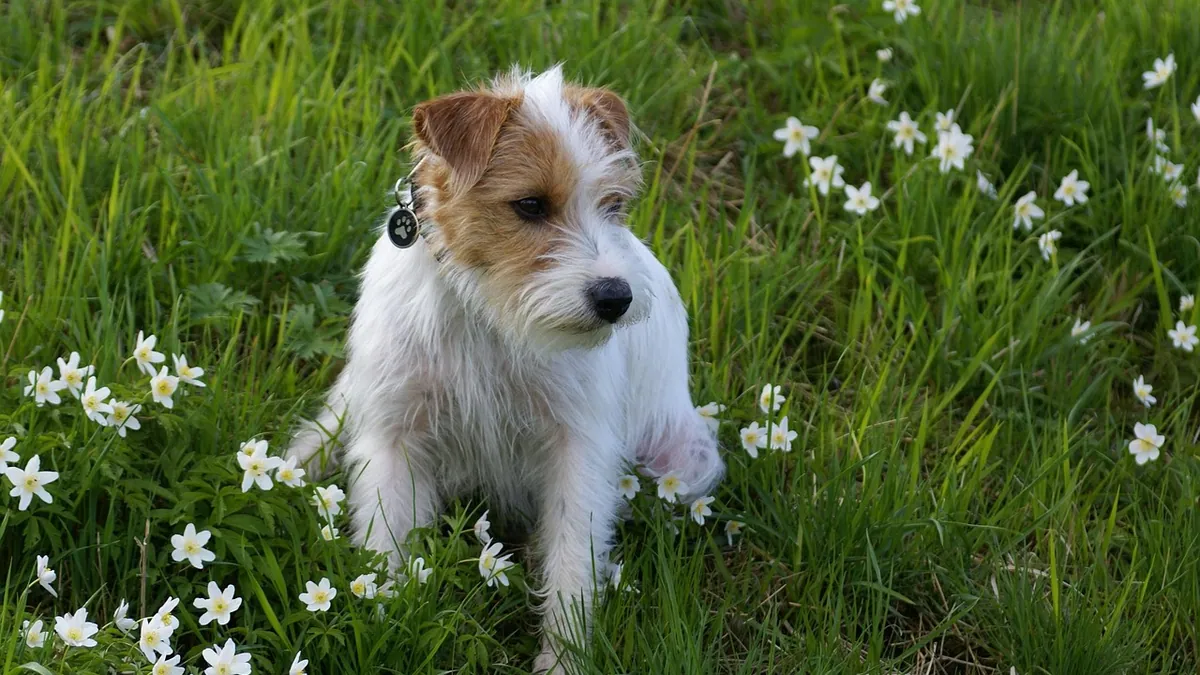
Is chrysanthemum harmful to dogs? Yes. Chrysanthemums, often called mums, are listed as toxic to dogs, cats, and horses by the ASPCA Animal Poison Control Center [1]. The plant contains compounds that can irritate the gut and skin, so a curious chew or a knocked-over potted mum is worth a phone call to your veterinarian.
This article is educational and is not a substitute for veterinary diagnosis or treatment.
Quick Answer
- Chrysanthemum (Chrysanthemum spp.) is toxic to dogs. The toxic principles are sesquiterpene lactones, pyrethrins, and other potential irritants [1].
- The most common signs are vomiting, diarrhea, drooling, incoordination, and skin inflammation (dermatitis) [1].
- Every part of the plant matters, including flowers, leaves, stems, and roots. There is no "safe" part to let your dog chew.
- If your dog ate any part of a mum, call your veterinarian, the ASPCA Animal Poison Control Center at (888) 426-4435, or Pet Poison Helpline at (855) 764-7661 right away.
- Do not make your dog vomit unless a veterinarian tells you to. Some exposures are safer to manage without inducing vomiting.
Is Chrysanthemum Harmful to Dogs? The Short Answer
Mums earn their toxic label because of what they contain, not because of how much a dog eats. The ASPCA lists sesquiterpene lactones and pyrethrins as the toxic principles in Chrysanthemum species [1]. These are the same broad class of compounds that give the plant its natural pest-fighting chemistry. For a dog, that chemistry can irritate the mouth, stomach, and skin.
The ASPCA database covers many varieties under the common names daisy and mum, and all are classified as toxic to dogs [1]. That includes the potted mums sold at grocery stores and garden centers in fall, the perennial mums in your flower bed, and the cut flowers in a vase on your table.
If you are building a pet-safe plant list, our guide to plants poisonous to dogs covers the broader group of toxic garden and house plants. For indoor plants specifically, see common houseplants toxic to cats and dogs.
Which Parts of the Mum Plant Are Toxic?
The toxic compounds are not limited to one part of the plant. The ASPCA record does not carve out a safe portion, and the plant is listed as toxic as a whole [1]. In practice, that means:
- Flowers and petals
- Leaves
- Stems
- Roots and the soil ball around them
- Dried flowers and potpourri that contains mums
Dogs most often get into mums by chewing the flower heads or nibbling leaves from a low pot or garden bed. A dog who digs up a potted mum may also chew the roots and stem base.
Are White Chrysanthemums Toxic to Dogs?
Yes. White chrysanthemums are toxic to dogs in the same way as yellow, pink, red, or purple mums. The ASPCA lists Chrysanthemum spp. as toxic without distinguishing by flower color [1]. Color is a cosmetic trait, not a safety trait. A white mum is not gentler than a colored one.
Is Chrysanthemum Tea Toxic to Dogs?
Chrysanthemum tea is not a safe drink to share with your dog. The tea is made from chrysanthemum flowers, which carry the same sesquiterpene lactones and pyrethrins that make the plant toxic [1]. Even a small amount of brewed tea or loose dried flowers can cause stomach upset in a dog. Keep mugs and tea bags out of reach, and do not offer chrysanthemum tea as a home remedy.
Is Chrysanthemum Oil Toxic to Dogs?
Chrysanthemum oil, including essential oils distilled from mum flowers, is a concern for dogs. The plant's irritant compounds can be concentrated in oil form, and essential oils can cause drooling, vomiting, and mouth or skin irritation if a dog licks or spills them [1]. Never apply chrysanthemum oil to your dog's skin or coat, and store bottles where a dog cannot knock them over.
What About Chrysanthemum Extracts in Dog Products?
You may see chrysanthemum listed on a dog supplement label. Some research has looked at chrysanthemum extracts in dogs for specific purposes, such as supporting dogs under chronic stress or reducing tear staining [2][3]. Those studies used controlled extracts given under research conditions, not a plant your dog chews in the yard. A supplement formulated for dogs is not the same as your dog eating a mum. If you have questions about a specific product, ask your veterinarian before giving it.
The Toxic Principle and What It Does in the Body
Chrysanthemums contain sesquiterpene lactones, pyrethrins, and other potential irritants [1]. These compounds do two main things in a dog's body.
First, they irritate tissue on contact. That is why a dog who chews a stem may drool heavily, paw at the mouth, or develop redness and itching where plant sap touches the skin or paws. The ASPCA lists dermatitis, meaning skin inflammation, as a recognized sign [1].
Second, they irritate the gastrointestinal tract when swallowed. Vomiting and diarrhea are the classic results [1]. The body is trying to move the irritant out.
Pyrethrins deserve a specific mention. They are natural insecticides produced by some chrysanthemum species, and they affect the nervous system of insects. In dogs, larger exposures can be associated with incoordination, which the ASPCA lists as a possible sign of mum poisoning [1]. This is one reason a mum exposure is not something to shrug off, even if the first sign is only a little drooling.
Plant poisonings in pets are a real and common problem, and indoor plants are a frequent source of exposure for companion animals [4]. Knowing which plants in your home and yard are toxic is the simplest way to lower that risk.
Signs of Mum Poisoning in Dogs and the Timeline
Signs usually show up within a few hours of chewing or eating the plant. Mild exposures may cause only one or two signs. Larger exposures can cause several at once.
Common Signs
- Vomiting
- Diarrhea
- Hypersalivation (heavy drooling)
- Incoordination or wobbliness
- Dermatitis, meaning red, itchy, or irritated skin where the plant touched your dog [1]
Signs That Need Immediate Help
- Repeated vomiting that will not stop
- Vomiting with blood
- Severe or bloody diarrhea
- Weakness, stumbling, or trouble standing
- Tremors or unusual twitching
- Collapse or unresponsiveness
- Swelling of the face, lips, or tongue
Gastrointestinal signs are often the first clue that a dog got into something toxic, and untreated cases can worsen over time [5]. That is why early calls matter. A dog who is only drooling at 30 minutes may be vomiting at two hours.
How Long Do Signs Last?
Mild stomach upset from a small mum exposure often improves within a day once the plant is out of the dog's system and the stomach settles. Cases with repeated vomiting or diarrhea can take longer and may need fluid support. Your veterinarian can give you a realistic timeline based on what your dog ate, how much, and how your dog looks on exam.
What to Do Right Now If Your Dog Ate a Mum
Stay calm and act in this order.
- Move your dog away from the plant. Pick up any chewed pieces and put them out of reach.
- Check your dog's mouth. Look for plant material stuck between the teeth or under the lips. Do not reach into the mouth of a dog who may bite. If you can safely remove a leaf or petal, do it.
- Note what and how much was eaten. Flower heads, leaves, stems, or roots. A rough amount helps your veterinarian.
- Call for advice. Contact your veterinarian, the ASPCA Animal Poison Control Center at (888) 426-4435, or Pet Poison Helpline at (855) 764-7661. Both poison control services charge a consultation fee, and they can advise on whether your dog needs to be seen.
- Do not induce vomiting unless a veterinarian tells you to. Inducing vomiting at home can cause harm, especially if your dog is already vomiting, is weak, or ate something sharp. Let a veterinarian make that call.
- Do not give human medications. Do not give ibuprofen, acetaminophen, or any human anti-nausea drug. These can cause separate poisonings in dogs.
If your dog is having trouble breathing, is collapsing, or is having seizures, skip the phone call and go straight to the nearest emergency veterinary hospital.
How Veterinarians Treat Mum Poisoning
Treatment depends on how much your dog ate and how sick your dog is. Your veterinarian will calculate any medication dose from your dog's weight and health status, so no dose should be guessed at home.
For a mild exposure with drooling or one episode of vomiting, treatment may be supportive. That can include:
- Wiping out the mouth to remove plant residue
- A bland diet once vomiting stops
- Fluids under the skin or into a vein if your dog is dehydrated
- Medication to settle nausea or protect the stomach lining
For a larger exposure or a dog who is already sick, your veterinarian may recommend:
- Blood work to check electrolytes, kidney values, and hydration
- Intravenous fluids for dogs with repeated vomiting or diarrhea
- Activated charcoal in some cases, if it is given soon after ingestion and your dog is stable
- Hospital monitoring for incoordination or nervous system signs
If your dog also got into chocolate, that is a separate and sometimes more urgent poisoning. Our chocolate toxicity calculator for dogs can help you estimate exposure, and dog ate chocolate poisoning signs and emergency steps walks through what to do next.
Outlook After a Mum Exposure
Most dogs who eat a small amount of chrysanthemum and get prompt care do well. The signs are usually gastrointestinal and skin related, and they often resolve with supportive treatment [1]. Dogs with heavy exposure or delayed treatment can have a harder course, especially if vomiting and diarrhea lead to dehydration.
The outlook is best when you call early. A dog who is seen within the first few hours is easier to treat than a dog who has been vomiting all day. If your dog has underlying health problems, such as kidney disease or a sensitive stomach, tell the veterinarian. That changes how closely your dog needs to be watched.
Prevention and Safer Alternatives
Prevention is simple once you know the plant is toxic.
- Keep mums out of reach. Put potted mums on high shelves, in closed rooms, or behind a gate. Do not leave them on the floor or a low table.
- Skip mums in the garden if your dog digs or grazes. Choose dog-safe plants instead.
- Watch cut flowers. A vase of mums on a coffee table is an easy target for a curious dog.
- Check dried arrangements and potpourri. Dried mums keep their irritant compounds.
- Train a solid "leave it." This helps with plants and with everything else your dog finds on a walk.
- Recheck your plant list each season. Fall mums and holiday plants rotate through homes, and each season brings new exposures.
If you want color in your yard without the risk, ask your veterinarian or a master gardener about non-toxic options for your region. The ASPCA plant guide is a good starting point for checking any plant before it comes home [1].
Limitations and When to Contact a Veterinarian
This article gives general information. It cannot tell you whether your specific dog will get sick from a specific bite of a specific plant. That judgment needs a veterinarian who can ask questions, examine your dog, and run tests if needed.
Call the same day if:
- Your dog ate any part of a chrysanthemum and you are not sure how much
- Your dog is drooling, vomiting, or has diarrhea
- Your dog's skin or paws are red, itchy, or irritated after contact with the plant
- Your dog seems "off" but you cannot say exactly why
Go to an emergency hospital now if:
- Vomiting or diarrhea is repeated, bloody, or will not stop
- Your dog is weak, wobbly, or cannot stand
- Your dog is having tremors, twitching, or a seizure
- Your dog is having trouble breathing or has facial swelling
- Your dog is unresponsive or collapsing
Schedule a routine visit if:
- Your dog had mild signs that have fully resolved but you want a checkup
- You want help choosing dog-safe plants for your home or yard
- You have questions about a chrysanthemum-containing supplement
Frequently Asked Questions
Are chrysanthemums toxic to dogs if not ingested?
Contact with the plant can still cause problems even if your dog does not swallow it. Chewing or mouthing a stem can lead to drooling and mouth irritation, and sap on the skin or paws can cause dermatitis [1]. If your dog only brushed against a mum and has no signs, wipe the area with a damp cloth and watch for redness or itching.
Are chrysanthemums toxic to dogs in every variety?
Yes, the ASPCA lists Chrysanthemum species as toxic to dogs across the varieties it tracks, which are sold under common names like mum and daisy [1]. Flower color, size, and bloom type do not change the toxic classification. Treat every mum as toxic.
Can a dog die from eating chrysanthemum?
Serious outcomes are uncommon, but they are possible with large exposures or when signs go untreated. The main risks are dehydration from repeated vomiting and diarrhea, and nervous system signs such as incoordination [1]. Early veterinary care greatly lowers the risk of a severe outcome.
Is chrysanthemum tea safe for dogs?
No. Chrysanthemum tea is made from the flowers of a plant that is toxic to dogs, so it carries the same irritant compounds [1]. Do not offer it as a treat or remedy, and keep cups and tea bags where your dog cannot reach them.
Should I make my dog vomit after eating a mum?
Only if a veterinarian tells you to. Inducing vomiting at home can cause harm, and it is not right for every exposure. Call your veterinarian, the ASPCA Animal Poison Control Center at (888) 426-4435, or Pet Poison Helpline at (855) 764-7661 and follow their instructions.
Related Articles
- Plants Poisonous To Dogs
- Common Houseplants Toxic to Cats and Dogs
- Chocolate Toxicity Calculator Canine
- Dog Ate Chocolate? Poisoning Signs and Emergency Steps
- Chocolate Toxicity Calculator Dogs Vets Now
- How Much Chocolate Can Be Toxic To Dogs
- Are Lilies Toxic to Dogs? Day, Tiger, and Easter Lilies
- Is Rhododendron Toxic to Dogs? Leaves, Flowers, Wood
- Is Mistletoe Poisonous to Dogs? Signs and Risks
References
- Toxic and Non-toxic Plants: Chrysanthemum. ASPCA Animal Poison Control Center.
- Physiological and Proteomic Responses to Chronic Stress and the Effects of Chrysanthemum zawadskii var. latilobum (Maxim.) Kitam. Extract in Beagle Dogs. Animals : an open access journal from MDPI, 2026.
- Effects of Traditional Chinese Herbal Extracts on Tear Staining, Iron Status, Immune Function, and Antioxidant Capacity in Dogs. Animals : an open access journal from MDPI, 2026.
- Indoor Companion Animal Poisoning by Plants in Europe. Frontiers in veterinary science, 2020.
- Plants toxic to dogs. Cornell University College of Veterinary Medicine.