Are Castor Beans Toxic to Dogs? Ricin Risk and What to Do
By Dr. Zubair Khalid, DVM, MS, PhD ·
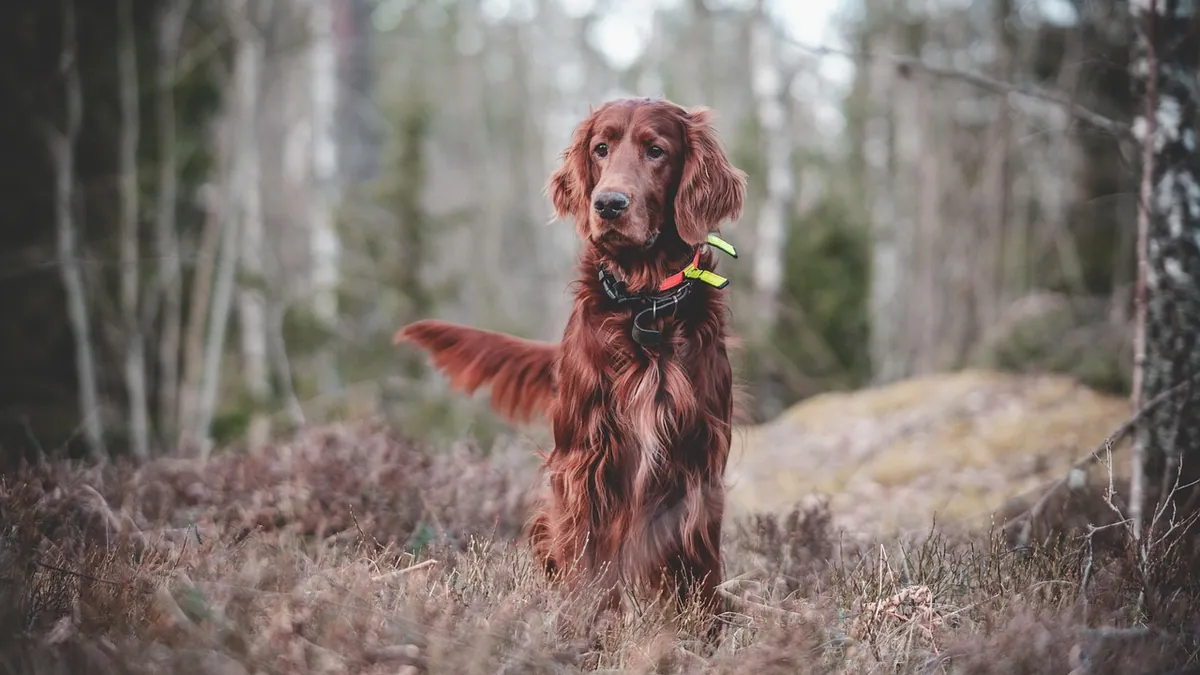
Yes, castor beans are toxic to dogs, and they are among the most dangerous plant seeds a dog can swallow. The seeds of the castor bean plant (Ricinus communis) contain ricin, a potent toxin that can cause severe vomiting, bloody diarrhea, organ damage, and death [1][2]. Even a small amount of chewed seed material can be an emergency.
This article is educational and is not a substitute for veterinary diagnosis or treatment.
Quick Answer
- Every part of the castor bean plant is toxic to dogs, but the seeds (beans) carry the highest risk because they contain ricin [1].
- Signs often do not appear right away. Vomiting and diarrhea typically start 12 to 48 hours after ingestion, which means a dog can look fine for a day or more and still be in serious danger [1].
- Call your veterinarian, the ASPCA Animal Poison Control Center at (888) 426-4435, or Pet Poison Helpline at (855) 764-7661 immediately if you think your dog ate any part of the plant.
- Do not make your dog vomit unless a veterinarian tells you to. Ricin causes oral and throat burns, and vomiting can make that worse.
- Castor oil is a different product from the raw beans. The oil sold for human or pet use is processed to remove ricin, but the plant and its seeds are not safe.
Is Castor Bean Toxic to Dogs?
Yes. The ASPCA Animal Poison Control Center lists the castor bean plant as toxic to dogs, cats, and horses, with ricin named as the toxic principle [1]. The plant also goes by names like castor oil plant, mole bean plant, and African wonder tree [1].
People sometimes ask if the castor oil plant is poisonous to dogs and assume the answer is no because castor oil is a familiar product. That assumption is wrong. The ornamental plant in your garden and the oil in a bottle are not the same thing from a safety standpoint.
Which Parts of the Plant Are Dangerous?
The seeds are the most toxic part, and the ASPCA notes that eating as little as one ounce of seeds can be lethal [1]. The leaves and other plant material also contain ricin, though at lower levels. Poisonings most often happen when a dog gets into ornamental plants or pruned foliage [1].
That last point matters for everyday life. A dog does not need to dig up and eat a handful of beans to be at risk. Chewing on a fallen branch, mouthing clippings from the yard waste bin, or nosing through compost can all lead to exposure.
What About Castor Oil and Fertilizer?
Castor oil itself is made by pressing the seeds and then processing the oil to remove ricin. The oil you buy at a pharmacy or pet store is not the same as a raw bean. That said, castor oil is not a treat, and giving it to a dog without veterinary guidance is not recommended. If your dog licked a small amount of plain castor oil, that is a very different situation from eating seeds, but you should still call a poison control line to be sure.
Fertilizer is a bigger concern. Two adult dogs in the same household died after eating fertilizer made from leftover castor bean plant material. Both died within 2 and 3 days after the first signs of vomiting and heavy bloody diarrhea [2]. Other reports describe animal poisonings after eating fertilizer that was not fully detoxified during castor oil production [3]. If you use organic fertilizers, check the ingredient list for castor bean, castor pomace, or castor meal.
The Toxic Principle: What Ricin Does in the Body
Ricin is a protein that shuts down the machinery cells use to build other proteins [1][4]. When cells cannot make proteins, they stop working and die. This damage shows up first in the lining of the stomach and intestines, which is why vomiting and diarrhea are common early signs.
The toxin does not stop there. In the two dogs that died after eating castor bean fertilizer, examinations found damage to the kidneys, including tubular degeneration and necrosis, along with heart muscle degeneration, immune tissue damage, and bleeding ulcers in the stomach and intestines [2]. Ricin has no specific antidote, which is one reason it is treated as a serious threat in human and veterinary medicine [4].
The seeds also contain a less toxic protein called Ricinus communis agglutinin and an alkaloid called ricinine, which can be used to track exposures in testing [3]. You do not need to remember those names. The point is that castor bean seeds are a complex poison, not a single chemical, and the effects can reach far beyond the gut.
Signs of Castor Bean Poisoning in Dogs
The ASPCA lists oral irritation, burning of the mouth and throat, increased thirst, vomiting, diarrhea, kidney failure, and convulsions as possible signs in dogs [1]. Signs usually start 12 to 48 hours after ingestion [1].
In the two fatal dog cases, the first signs were vomiting and abundant bloody diarrhea, and both dogs died within 2 and 3 days after those signs began [2]. In cattle exposed to the plant, signs included watery diarrhea, drooling, constant chewing motions, blindness, incoordination, depression, and collapse, with some deaths within 12 to 14 hours of the first signs [5]. Dogs and cattle are different species, so do not expect an exact match, but the pattern is clear. This poison can move fast once signs begin.
Timeline to Watch For
- First few hours: mouth pain, drooling, pawing at the mouth, vomiting, or seeming fine.
- 12 to 48 hours: vomiting and diarrhea often begin, sometimes with blood [1].
- 1 to 3 days: severe cases can progress to organ failure and death [2].
A dog that ate a castor bean and looks normal at hour six is not out of danger. The delay is one of the most dangerous features of this poisoning.
What to Do Right Now
- Move your dog away from the plant, seeds, or fertilizer.
- Collect what is left. Save the seed pods, beans, chewed plant pieces, or the fertilizer bag and label. This helps your veterinarian and the poison control team identify the exposure.
- Call for help right away. Contact your veterinarian, the ASPCA Animal Poison Control Center at (888) 426-4435, or Pet Poison Helpline at (855) 764-7661. Both are available 24 hours a day and may charge a consultation fee.
- Do not induce vomiting unless a veterinarian tells you to. The ASPCA lists burning of the mouth and throat as a sign, and bringing stomach contents back up can cause more damage on the way out [1].
- Do not give food, milk, oil, or home remedies. Do not wait to see if signs develop.
- Bring your dog in. If your regular clinic is closed, go to an emergency hospital.
If you are not sure whether your dog actually ate anything, call anyway. It is far better to make a phone call than to wait out a 48 hour window.
How Veterinarians Treat Castor Bean Poisoning
Treatment depends on how much was eaten, how long ago it happened, and how sick your dog is. Your veterinarian will calculate any medication doses based on your dog's weight and health. There is no home dose to give.
Common steps include:
- Decontamination. If the exposure was recent and your dog is stable, a veterinarian may induce vomiting in a controlled setting, or give activated charcoal to bind toxin in the gut. This is a medical decision, not a home remedy.
- Supportive care. Intravenous fluids, medications to control vomiting and pain, and stomach protectants are often needed.
- Monitoring. Blood work to check kidney values, electrolytes, and organ function, repeated over time because signs can appear late [1].
- Intensive care. Dogs with severe signs may need hospitalization, blood pressure support, and treatment for bleeding in the gut [2].
If your dog ate a toxic plant and you are deciding where to go, this guide on what to do when a Dog Ate Toxic Plant walks through the first steps. You can also review a broader list of Plants Poisonous To Dogs to check the rest of your yard.
Outlook for a Dog That Ate Castor Beans
The outlook ranges from good to grave, and it hinges on how much ricin was swallowed, whether the seeds were chewed (chewing releases more toxin than swallowing whole), and how quickly treatment starts. The ASPCA states that as little as one ounce of seeds can be lethal [1], and two dogs that ate castor bean fertilizer died within 2 and 3 days of their first signs [2]. Those cases show how severe this poisoning can be.
On the other hand, not every exposure is fatal. Some animals recover with supportive care, especially when the amount eaten was small and treatment began early. Because signs can be delayed by up to 48 hours [1], early veterinary care gives your dog the best chance even if they seem fine.
Prevention and Safer Alternatives
The simplest prevention is to remove the risk. If you have castor bean plants in your yard, consider taking them out, especially if you have a dog that chews plants, digs, or scavenges. Bag and dispose of clippings and seed pods where your dog cannot reach them. Never compost castor bean material in a pile your dog can get into.
Check your garden products. Organic fertilizers and soil amendments may list castor bean, castor pomace, castor meal, or castor cake as ingredients [3]. Store these in sealed containers behind a closed door.
If you want tall, dramatic plants in your yard, ask your veterinarian or a local extension office for dog-safe options. You can also compare notes with this list of Plants Poisonous To Dogs before you plant anything new.
Keep the poison control numbers saved in your phone: ASPCA Animal Poison Control Center at (888) 426-4435 and Pet Poison Helpline at (855) 764-7661. If your dog eats something questionable, this guide on My Dog Ate a Mushroom: How to Tell If It's Toxic shows how the same call-first approach works for other outdoor exposures.
Limitations and When to Contact a Veterinarian
This article cannot tell you whether your specific dog was poisoned. The amount eaten, the part of the plant, whether it was chewed, your dog's size, and how much time has passed all change the picture. Only a veterinarian who examines your dog can advise you.
Call or go in the same day if your dog ate any part of a castor bean plant, even if they seem completely normal. The 12 to 48 hour delay in signs means waiting is risky [1].
Go to an emergency hospital now if your dog is vomiting, has bloody diarrhea, is drooling heavily, is drinking far more than usual, seems weak or wobbly, has tremors, or has a seizure [1][2][5]. These are signs that warrant immediate care.
Schedule a routine visit if you are unsure whether your dog had contact with the plant, or if you want help dog-proofing your yard. Bring photos of the plant and any leftover material with you.
Frequently Asked Questions
Are castor beans toxic to dogs?
Yes, castor beans are highly toxic to dogs because they contain ricin [1]. The ASPCA notes that eating as little as one ounce of seeds can be fatal [1]. Treat any suspected ingestion as an emergency and call a veterinarian or poison control right away.
Is the castor oil plant poisonous to dogs?
Yes, the castor oil plant is poisonous to dogs, and it is the same species as the castor bean plant [1]. The ASPCA lists it as toxic to dogs, cats, and horses, with ricin as the toxic principle [1]. Ornamental plants and pruned foliage are common sources of exposure [1].
Is castor oil safe for dogs?
Castor oil is a processed product, not the raw seed, so it does not carry the same ricin risk as the plant. That does not make it a safe home remedy, and you should not give it to your dog without asking your veterinarian first. If your dog ate castor beans or plant material, that is a poisoning emergency, not an oil question.
How long after eating castor beans do signs appear in dogs?
Signs usually develop 12 to 48 hours after ingestion [1]. In two fatal dog cases, vomiting and heavy bloody diarrhea were the first signs, and both dogs died within 2 and 3 days after those signs started [2]. Because of the delay, a dog that looks fine right after eating the plant still needs veterinary care.
Can a dog survive eating castor beans?
Some dogs survive with early, aggressive veterinary care, but this poisoning can be fatal. The ASPCA warns that a small amount of seeds can be lethal [1], and ricin has no specific antidote [4]. Survival depends on how much was eaten and how fast treatment begins, so call for help immediately.
Related Articles
- Can Dogs Eat Green beans? Weight Loss & Raw Safety
- Plants Poisonous To Dogs
- My Dog Ate a Mushroom: How to Tell If It's Toxic
- Dog Ate Toxic Plant
- List 5 Foods That Are Toxic To Dogs
- Can Dogs Eat Garlic? Allicin Toxicity in Dogs
- Is Castor Bean Plant Toxic to Cats? Ricin Risk
- Is Lenten Rose Toxic to Dogs? Hellebore Risks
- Is Stinkhorn Mushroom Toxic to Dogs? What to Do If Eaten
References
- Toxic and Non-toxic Plants: Castor Bean Plant. ASPCA Animal Poison Control Center.
- Lethal ricin intoxication in two adult dogs: toxicologic and histopathologic findings. Journal of veterinary diagnostic investigation : official publication of the American Association of Veterinary Laboratory Diagnosticians, Inc, 2010.
- Ricinus communis intoxications in human and veterinary medicine-a summary of real cases. Toxins, 2011.
- Ricin as a Biothreat Agent: From Molecular Mechanisms to Clinical Toxicology, Forensic Aspects, and Risk Mitigation. BioMed research international, 2026.
- Intoxication of cattle by Ricinus communis in northwestern Argentina. Journal of veterinary diagnostic investigation : official publication of the American Association of Veterinary Laboratory Diagnosticians, Inc, 2026.