Are Mums Poisonous to Cats? Chrysanthemum Toxicity
By Dr. Zubair Khalid, DVM, MS, PhD ·
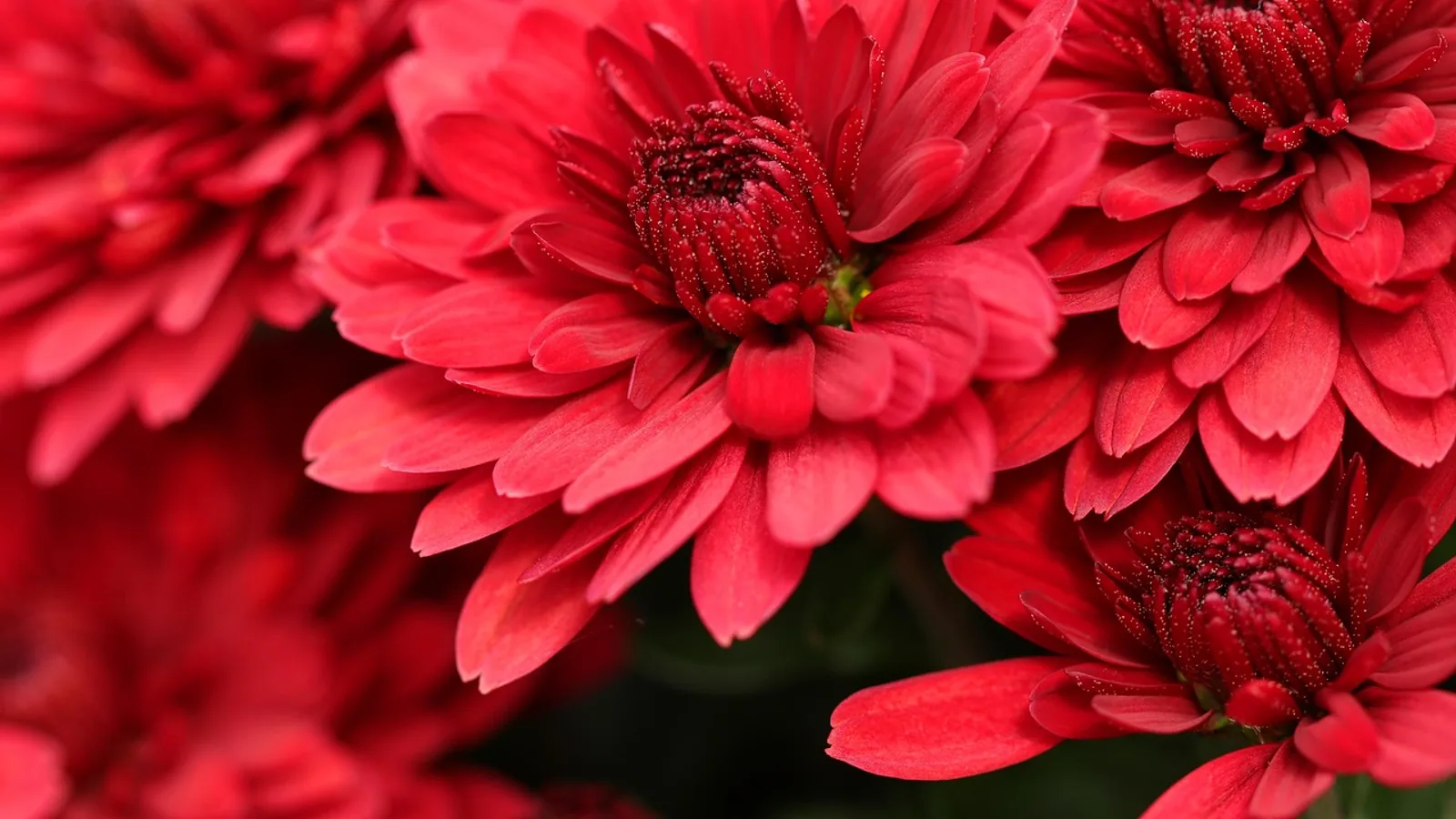
Yes. Mums are poisonous to cats. Chrysanthemum species contain pyrethrins and other sesquiterpene lactones that are toxic to cats, with the highest concentration of these compounds found in the flowers and leaves [1].
This article explains what makes chrysanthemums toxic, which plant parts carry the greatest risk, the signs a cat may show after chewing or eating a plant, and how chrysanthemum poisoning differs from the far more dangerous pyrethroid insecticide poisonings that dominate feline toxicology caseloads. It also covers what to do in the first hour after exposure and the specific situations that require immediate veterinary care.
This article is educational and is not a substitute for veterinary diagnosis or treatment.
The Short Answer for Cat Owners
If a cat nibbles a mum, the outcome is usually unpleasant but survivable. The plant's natural insecticidal compounds irritate the gastrointestinal tract and, at higher exposures, affect the nervous system. Signs include hypersalivation, vomiting, diarrhea, lethargy, and ataxia. Severe cases can progress to tremors or seizures [1].
The risk depends on three things: how much plant material was eaten, which parts were eaten (flowers and leaves carry the highest concentration), and how quickly the cat receives care. A single bite of a leaf may cause drooling and an upset stomach. A cat that strips a whole potted mum is a different situation and needs veterinary attention.
The most common mistake owners make is confusing chrysanthemum poisoning with pyrethroid insecticide poisoning. These are related but not the same, and the difference matters enormously for prognosis and treatment. That distinction is covered in detail below.
What Makes Chrysanthemums Toxic?
Chrysanthemums defend themselves chemically. The plant produces pyrethrins, which are natural insecticidal compounds, along with other sesquiterpene lactones [1]. These compounds evolved to repel and kill insects, and they act on the nervous systems of a broad range of organisms, including mammals.
Pyrethrins are the naturally occurring versions of this chemical family. Pyrethroids are the synthetic, laboratory-made versions, such as permethrin and fenvalerate, that appear in flea and tick products. Both classes share a mechanism of action: they interfere with voltage-gated sodium channels in nerve cells, prolonging nerve excitation and producing the muscle tremors, twitching, and seizures that define severe poisoning [2][1].
The concentration of these compounds in a living chrysanthemum plant is far lower than in a concentrated spot-on flea product. That is the single most important fact for an owner to understand. A cat chewing a mum is exposed to a small, diluted dose of a natural pyrethrin. A cat accidentally treated with a canine permethrin spot-on is exposed to a large, concentrated dose of a synthetic pyrethroid. The clinical consequences are not comparable.
Why Cats Are More Sensitive Than Dogs
Cats are more sensitive to pyrethrins and pyrethroids than dogs because of limited glucuronidation. Glucuronidation is a liver detoxification pathway that attaches a sugar molecule to a toxin so it can be excreted in urine or bile. Cats have a well-documented deficiency in this pathway compared with dogs and most other mammals.
The practical result is that a dose of pyrethrin or pyrethroid that a dog's liver would clear efficiently can accumulate in a cat and produce prolonged neurological signs. This is why permethrin spot-on products labeled for dogs are contraindicated in cats and why feline permethrin toxicity continues to occur despite prominent label warnings [2][3][4].
The same metabolic limitation explains why cats can develop signs from chrysanthemum ingestion that a dog might shrug off after mild stomach upset. The plant's natural pyrethrins are less concentrated, but the cat's slower clearance means the exposure lasts longer.
Plant Parts and Their Relative Risk
Not every part of a chrysanthemum carries the same toxic load. Flowers and leaves hold the highest concentrations of pyrethrins and sesquiterpene lactones [1]. Stems and roots contain lower amounts. This matters for triage because a cat that chews a flower head is likely to ingest more toxin than a cat that bites a stem.
| Plant Part | Primary Toxic Compounds | Expected Effect in a Cat |
|---|---|---|
| Flowers | Pyrethrins, sesquiterpene lactones | Highest exposure. Hypersalivation, vomiting, diarrhea, lethargy, ataxia. Severe cases may develop tremors or seizures. |
| Leaves | Pyrethrins, sesquiterpene lactones | High exposure. Same signs as flowers, often with pronounced drooling and gastrointestinal upset. |
| Stems | Lower concentrations of pyrethrins and sesquiterpene lactones | Mild gastrointestinal signs possible. Lower risk than flowers or leaves. |
| Roots | Lowest concentrations | Unlikely to cause more than mild gastrointestinal upset if ingested. |
| Potting soil | No plant toxin, but fertilizer or pesticide residue possible | Signs depend on what the soil contains, not on the mum itself. |
The table reflects the toxicology of the plant. It does not replace an examination, because the amount eaten and the cat's individual sensitivity both influence the outcome.
Signs of Chrysanthemum Poisoning in Cats
Signs after chrysanthemum ingestion typically fall into two groups: gastrointestinal and neurological. The gastrointestinal signs appear first and are the most common. The neurological signs appear with larger exposures and are the ones that require urgent intervention.
Gastrointestinal Signs
- Hypersalivation (drooling)
- Vomiting
- Diarrhea
- Reduced appetite
- Abdominal discomfort
These signs reflect direct irritation of the mouth, stomach, and intestinal lining by the plant's chemical defenses. They usually begin within minutes to a few hours of ingestion.
Neurological Signs
- Lethargy or depression
- Ataxia (unsteady, wobbly walking)
- Muscle twitching or fasciculations
- Tremors
- Seizures (in severe cases)
The neurological signs are the same class of signs seen in pyrethrin and pyrethroid poisoning, because the compounds act on the same nerve targets [1]. The difference is scale. A cat that eats a houseplant is unlikely to reach the tissue concentrations that a cat treated with a concentrated canine spot-on product reaches.
The clinical picture of pyrethroid poisoning in cats is well documented and illustrates what the severe end of this toxicity family looks like. In a retrospective study of 42 feline permethrin toxicity cases, the most common signs were tremors or muscle fasciculations in 86 percent of cats, twitches in 41 percent, hyperesthesia in 41 percent, seizures in 33 percent, pyrexia in 29 percent, ptyalism in 24 percent, ataxia in 24 percent, mydriasis in 19 percent, and temporary blindness in 12 percent [2]. Those figures describe concentrated synthetic pyrethroid exposure, not houseplant ingestion, but they show the neurological spectrum these compounds can produce.
A separate review of 286 feline permethrin spot-on cases reported to a United Kingdom poison information service found that 96.9 percent of exposed cats were symptomatic, with increased muscular activity such as twitching, tremor, muscle fasciculations, or convulsions in 87.8 percent [4]. That study also documented the duration of these signs: convulsions lasted an average of 38.9 hours and tremors an average of 32 hours, with recovery typically within 2 to 3 days and sometimes 5 to 7 days [4]. Death occurred in 10.5 percent of those cases [4]. Again, this describes concentrated pyrethroid exposure, and it is included here to show why the distinction between plant pyrethrins and synthetic pyrethroids is not academic.
How Quickly Do Signs Appear?
Signs generally appear within minutes to a few hours of ingestion. A cat that ate a mum and is still completely normal 12 hours later is unlikely to develop serious poisoning from that exposure, though mild gastrointestinal upset can sometimes be delayed. Any cat showing neurological signs at any point needs immediate veterinary assessment.
Pyrethrin Toxicity Versus Pyrethroid Insecticide Poisoning
This is the most important distinction in the entire topic, and it is the one owners most often miss.
Pyrethrins are natural compounds produced by chrysanthemum plants. Pyrethroids are synthetic compounds manufactured for use as insecticides, including permethrin, fenvalerate, and others. Both act on sodium channels in nerves. Both can cause drooling, tremors, ataxia, and seizures [1]. But the dose and formulation are completely different.
A chrysanthemum plant contains pyrethrins at concentrations that a cat would have to eat a substantial amount of plant material to reach a dangerous dose. A permethrin spot-on product contains a concentrated synthetic pyrethroid in a solvent designed to carry it through the skin and into the bloodstream. When that product is applied to a cat, or when a cat grooms it off a recently treated dog, the exposure is orders of magnitude larger.
The clinical literature reflects this. Feline permethrin toxicity is a well-recognized emergency that produces severe signs requiring intensive treatment, and it can be fatal despite treatment [2]. A survey of Australian veterinarians reported 750 individual cases of permethrin spot-on intoxication in cats over a 2-year period, with 166 deaths [3]. Another retrospective study of 20 cases found that 19 of 20 cats survived with rapid intervention, and the only death occurred in a kitten whose treatment was delayed by 24 hours [5]. The pattern is consistent: concentrated pyrethroid exposure is dangerous, and speed of treatment matters.
Chrysanthemum ingestion is not in the same category. It is a plant toxicity that usually produces gastrointestinal signs and, at higher exposures, mild to moderate neurological signs. It is not the same emergency as a permethrin spot-on applied to a cat, and it should not be treated as if it were.
Why the Confusion Exists
The confusion exists because the words sound alike and the mechanism is related. Pyrethrin and pyrethroid share a chemical backbone. Both are derived from the same discovery: the insecticidal activity of chrysanthemum flowers. Synthetic chemists modified the natural molecule to make it more stable and more potent, and the result was a family of compounds that are highly effective insecticides and highly toxic to cats in concentrated form.
For an owner, the practical takeaway is simple. If the cat chewed a mum, you are dealing with plant pyrethrin exposure. If the cat was treated with a dog flea product or groomed a dog that was recently treated, you are dealing with pyrethroid exposure, which is more severe and requires immediate veterinary care.
What to Do If Your Cat Ate a Mum
Act quickly and calmly. The first hour matters more than any home intervention.
- Remove the cat from the plant. Move the cat to a different room and remove any remaining plant material from its mouth if you can do so safely without being bitten.
- Identify the plant. Take a photograph of the plant, or bring the plant or a cutting with you to the veterinary clinic. Accurate identification guides treatment.
- Note the time and amount. Write down when you think the cat ate the plant and roughly how much plant material is missing. This information helps the veterinarian assess exposure.
- Call your veterinarian or a pet poison control service. Describe the plant, the amount, and any signs you have observed. Follow their instructions.
- Do not induce vomiting unless a veterinarian tells you to. Inducing vomiting can cause aspiration and can worsen outcomes in some exposures.
- Bring the plant to the appointment. If you are going to a clinic, bring the plant or a clear photograph. Identification is the first step in confirming the diagnosis.
Veterinarians and poison control centers rely on accurate plant identification. A confirmed chrysanthemum exposure is managed differently from an unknown plant exposure, and the difference affects which tests are run and which treatments are considered.
What the Veterinarian Will Do
The veterinarian will start with a history and physical examination, focusing on neurological status and hydration. If the cat is showing gastrointestinal signs only, treatment is usually supportive: fluids, anti-nausea medication, and gastrointestinal protectants. If neurological signs are present, the veterinarian may use medications to control tremors or seizures and may hospitalize the cat for monitoring.
Decontamination is considered when exposure was recent. This may include bathing if the plant material contacted the skin, or activated charcoal in selected cases. The decision depends on timing, the cat's condition, and the veterinarian's assessment.
For severe pyrethroid poisoning, treatment has evolved. Intravenous lipid emulsion has been used as an adjunctive therapy in cats with permethrin toxicity, with reports of dramatic improvement when combined with decontamination, muscle relaxants, and supportive care [6][7]. A randomized controlled trial compared intravenous lipid emulsion with saline in 34 cats with permethrin toxicosis and used a six-stage clinical staging system ranging from no abnormalities to grand mal seizures [8]. Intravenous lipid emulsion is not a treatment for chrysanthemum ingestion, but it illustrates how far the management of severe pyrethroid poisoning has come.
Complications during treatment of severe pyrethroid poisoning are common. In the 42-case retrospective study, complications occurred in 33 percent of cats and included hypothermia, electrolyte abnormalities, aspiration pneumonia, hypoproteinemia, anemia, apnea, respiratory arrest, cardiorespiratory arrest, pleural effusion, urinary tract infection, and corneal ulceration [2]. One cat was euthanized [2]. These figures describe the severe end of the spectrum and are not expected in a cat that nibbled a houseplant.
Chrysanthemum Varieties and Related Plants
The genus Chrysanthemum includes many cultivated varieties sold as mums, including florist mums, garden mums, and hardy fall mums. All of them produce pyrethrins and sesquiterpene lactones to some degree [1]. The exact concentration varies with the cultivar, the growing conditions, and the plant part, but the toxic principle is consistent across the genus.
Related plants in the same botanical family, the Asteraceae, share some chemical features. This family includes daisies, asters, and other common garden flowers. Owners should treat any member of this family as a potential gastrointestinal irritant and keep it out of reach.
Some plants are marketed under the name "mum" but belong to different genera. Confirm the botanical name if you are unsure. A photograph or a plant label is more useful to a veterinarian than a common name.
Are All Mums Equally Toxic?
The toxic principle is present across the genus, but concentration varies. Flowers and leaves carry the highest concentration [1]. A cat that eats a single flower head from a large garden mum may ingest more toxin than a cat that nibbles a leaf from a small potted plant. The variability is one reason a veterinarian will ask how much plant material was consumed rather than relying on the plant's species alone.
Special Considerations for Cat Households
Cats are curious, and houseplants are a common target. A few practical steps reduce risk without requiring the owner to give up gardening.
- Place mums out of reach. Hanging baskets and high shelves work if the cat cannot jump to them. Some cats can reach surprising heights.
- Offer safe alternatives. Cat grass and other non-toxic plants give cats something to chew that will not cause poisoning.
- Supervise outdoor time. A cat that goes outside may encounter garden mums. Supervision reduces the chance of ingestion.
- Check bouquets. Florist arrangements often include mums. A cat that investigates a vase may chew the flowers.
- Store flea products separately. The most dangerous pyrethroid exposures come from canine flea products, not from plants. Keep dog spot-on products away from cats and do not apply them to cats under any circumstances [3][9].
The last point deserves emphasis. The survey data show that permethrin spot-on products are most commonly obtained from supermarkets, followed by pet stores, veterinary practices, and other sources, and that most intoxication cases involved products labeled for dogs with warnings such as "toxic to cats" [3]. Owners applied these products to cats accidentally or intentionally, and in some cases exposure occurred through secondary contact with a treated dog [3][9]. This is a preventable problem, and it causes far more severe feline poisonings than houseplants do.
What Is Still Uncertain
The veterinary literature on chrysanthemum poisoning in cats is thinner than the literature on synthetic pyrethroid poisoning. Most of what is known about pyrethrin toxicity in cats comes from studies of concentrated pyrethroid products, not from houseplant ingestion. The mechanism is shared, but the dose-response relationship for a cat eating a garden mum is not precisely defined.
Several questions remain open:
- The exact minimum toxic dose of chrysanthemum plant material for a cat is not established.
- The variation in pyrethrin concentration between cultivars is not well quantified.
- The role of sesquiterpene lactones, as distinct from pyrethrins, in producing neurological signs is not fully characterized.
- Individual sensitivity varies, and some cats may show signs from small exposures while others show none.
These uncertainties are why a veterinarian's assessment matters more than a general rule. A cat that ate a mum and is showing signs needs an examination, regardless of how much plant material is missing.
Limitations and When to Contact a Veterinarian
This article is educational and is not a substitute for veterinary diagnosis or treatment. Individual cases need a veterinarian who can examine the cat, assess neurological status, and determine whether decontamination or hospitalization is appropriate.
Contact a veterinarian or a pet poison control service immediately if any of the following apply:
- The cat is showing tremors, muscle twitching, or seizures.
- The cat is ataxic, unable to walk normally, or has collapsed.
- The cat is vomiting repeatedly or cannot keep water down.
- The cat is lethargic or unresponsive to normal interaction.
- You do not know how much plant material was eaten.
- The cat was exposed to a flea or tick product labeled for dogs, especially a permethrin spot-on.
- The cat's signs are worsening rather than improving.
- The cat is a kitten, pregnant, or has an underlying health condition.
Do not wait for signs to become severe before calling. Early intervention is associated with better outcomes in feline toxicology, and the studies of pyrethroid poisoning consistently show that rapid treatment improves survival [5][4].
Frequently Asked Questions
Are mums poisonous to cats?
Yes. Mums (Chrysanthemum species) contain pyrethrins and other sesquiterpene lactones that are toxic to cats, with the highest concentrations in the flowers and leaves [1].
Are chrysanthemums toxic to cats if they only chew a leaf?
Chewing a leaf can cause drooling, vomiting, and mild gastrointestinal upset. Leaves carry a high concentration of the toxic compounds, so any ingestion warrants monitoring and a call to a veterinarian if signs appear [1].
What are the first signs of chrysanthemum poisoning in a cat?
Hypersalivation and vomiting are usually the first signs. Diarrhea, lethargy, and ataxia can follow, and severe cases may develop tremors or seizures [1].
How long after eating a mum will a cat show signs?
Signs typically appear within minutes to a few hours. A cat that is completely normal 12 hours after a small exposure is unlikely to develop serious poisoning from that exposure.
Is chrysanthemum poisoning the same as permethrin poisoning?
No. Chrysanthemums contain natural pyrethrins at low concentrations. Permethrin is a synthetic pyrethroid in concentrated flea products, and feline permethrin poisoning is far more severe and can be fatal [2][3].
Can a cat get sick from grooming a dog that was treated with flea medication?
Yes. Cats are at risk from grooming or being in direct contact with recently treated dogs, and this is a recognized route of pyrethroid exposure [9].
Should I induce vomiting if my cat ate a mum?
No. Do not induce vomiting unless a veterinarian instructs you to. Call your veterinarian or a pet poison control service and follow their guidance.
What should I bring to the veterinary appointment?
Bring the plant, a cutting, or a clear photograph, along with the time of exposure and an estimate of how much plant material was eaten. Accurate identification guides treatment.
Related Articles
- Poisonous Mushrooms
- Plants Poisonous To Dogs
- Are Poinsettias Poisonous To Cats
- My Dog Ate a Frog: Is It Poisonous?
- Are Tarantulas Poisonous to Dogs? Understanding the Risks
- Chocolate Toxicity Calculator For Cats
- Are Hydrangeas Poisonous to Cats? Toxicity Guide
- Are Roses Toxic to Cats? Pet Safety Guide
Sources
- Toxicity of Insecticides and Skin Care Products of Botanical Origin.
- Feline permethrin toxicity: retrospective study of 42 cases.
- Permethrin spot-on intoxication of cats Literature review and survey of veterinary practitioners in Australia.
- Clinical effects and outcome of feline permethrin spot-on poisonings reported to the Veterinary Poisons Information Service (VPIS), London.
- Permethrin toxicity in cats: a retrospective study of 20 cases.
- Adjunctive therapy with intravenous lipid emulsion and methocarbamol for permethrin toxicity in 2 cats.
- Successful treatment of permethrin toxicosis in two cats with an intravenous lipid administration.
- A randomized, controlled clinical trial of intravenous lipid emulsion as an adjunctive treatment for permethrin toxicosis in cats.
- Permethrin toxicosis in cats.