Can Cats Eat Yogurt With Honey? Safety and Risks
By Dr. Zubair Khalid, DVM, MS, PhD ·
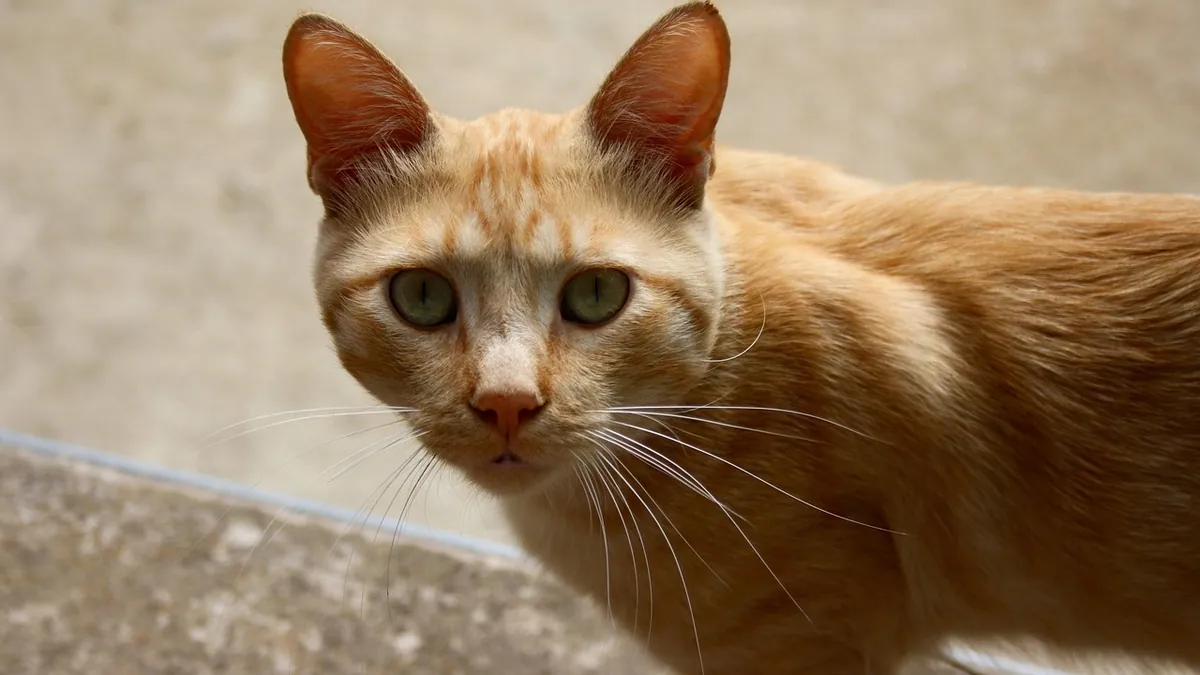
Can cats eat yogurt with honey? A tiny lick of plain yogurt with a little honey is unlikely to poison your cat, but it is not a healthy treat. Cats do not need sugar or dairy, and many flavored yogurts contain additives that do not belong in a cat's diet.
This article is educational and is not a substitute for veterinary diagnosis or treatment.
Quick Answer
- Plain, unsweetened yogurt with a small amount of honey is not toxic to cats, but it is not recommended as a regular treat.
- Most adult cats are lactose intolerant, so yogurt can cause gas, bloating, and diarrhea.
- Honey is essentially sugar and water. It offers no nutritional benefit to cats and can upset a sensitive stomach.
- Flavored yogurts (strawberry, vanilla, honey-sweetened blends) often contain added sugar, artificial sweeteners, or fruit pieces that add risk.
- If your cat eats a large amount or a yogurt containing xylitol, call your veterinarian or a pet poison hotline right away.
Can Cats Eat Yogurt With Honey? The Short Answer
The safest answer is no, cats should not eat yogurt with honey as a treat. A single small lick of plain yogurt with a drop of honey is unlikely to cause serious harm in a healthy adult cat, but that does not make it a good choice. Cats are obligate carnivores. Their bodies are built to digest meat, not dairy and sugar.
Honey is mostly sugar. It can raise blood glucose, add empty calories, and contribute to weight gain or dental problems over time. Yogurt adds lactose, which many cats cannot digest well. Together, they make a treat that offers very little and risks quite a bit.
If you are looking for a gut-friendly treat, plain yogurt on its own is a better starting point than honey-sweetened yogurt. You can read more about that in Can Cats Eat Yogurt? Probiotic Gut Health Benefits.
Is Any Yogurt With Honey Safe for Cats?
No form of yogurt with honey is truly "safe" in the sense of being a recommended food. The risk level depends on the type and amount.
Plain yogurt with a small drizzle of honey is the least risky version. It still contains lactose and sugar. A cat with a sensitive stomach may vomit or have diarrhea after even a small taste.
Flavored yogurt with honey is riskier. Strawberry, blueberry, vanilla, and honey-vanilla blends often contain added sugar, fruit pieces, thickeners, and sometimes artificial sweeteners. Fruit pieces are a choking hazard for cats, and added sugar increases the glucose load.
Sugar-free yogurt with honey is a contradiction in terms, but sugar-free yogurt alone is a real concern. Many sugar-free products contain xylitol, which is a well-known and dangerous poison for dogs. A controlled study in cats did not find the same effects, so xylitol is not considered highly toxic to cats the way it is to dogs. Even so, sugar-free products do not belong in a cat's diet. For more on sweeteners and cat safety, see Can Cats Eat Almond Milk? Xylitol and Nut Concerns.
Nutritional Content and Any Real Benefit
Yogurt does contain protein, calcium, and live bacterial cultures. Some research suggests yogurt can support intestinal health in cats. In one study, cats fed yogurt with postbiotics for 21 days showed lower levels of total bilirubin, total bile acids, triglycerides, glucose, urea nitrogen, creatinine, and inflammatory markers such as TNF-alpha and IL-6 [1]. That study used a controlled amount of 50 grams per day in a research setting, not a spoonful from your breakfast bowl.
Honey does not add any benefit for cats. It is sugar. In people, honey has been studied for wound care, and medical-grade honey has antibacterial properties against bacteria cultured from dog and cat wounds [2]. That is a topical wound treatment, not a food. Medical-grade honey is also different from the honey in your kitchen. One study found that medical-grade honey had stronger antibacterial activity than non-medical-grade honey types [2]. None of this means you should feed honey to your cat.
There is also a food safety angle. Homemade yogurt and cheese recipes can inactivate H5N1 avian influenza virus, and no viable virus was found in those products [3]. That is reassuring for food safety, but it does not change the fact that yogurt and honey are not appropriate cat treats.
Risks of Yogurt With Honey for Cats
Lactose and Digestive Upset
Most adult cats have low levels of lactase, the enzyme that breaks down lactose. Yogurt has less lactose than milk, but it still contains some. A cat that eats yogurt may develop gas, bloating, loose stool, or vomiting. These signs usually appear within a few hours to a day.
Sugar and Honey Concerns
Honey is a concentrated sugar source. Regular honey treats can add extra calories and may contribute to obesity. For cats with diabetes or prediabetes, any sugar-containing food can complicate blood glucose control. If your cat has a diagnosed condition, ask your veterinarian before offering any human food.
Additives and Sweeteners
Flavored yogurts may contain xylitol, sorbitol, or other sugar alcohols. Xylitol is a serious poison for dogs, causing low blood sugar and liver failure. Cats appear to handle xylitol differently, and a controlled study did not find the same effects. Still, sugar-free yogurts are not appropriate for cats. Other additives to watch for include salt, garlic, onion powder, and artificial colors. Garlic and onion can damage red blood cells in cats. Salt can be a problem for cats with heart or kidney disease.
Choking and Fruit Pieces
Strawberry chunks, blueberry pieces, and other fruit in yogurt can be a choking hazard. Cats do not chew fruit well, and a piece can lodge in the throat. Fruit also adds sugar and fiber that a cat does not need. If you want to know more about fruit safety, see Can Cats Eat Strawberries? Nutritional Benefits and Risks.
Food Safety
Homemade yogurt and cheese can inactivate H5N1 virus, and no viable virus was found in those products [3]. That is good news for food safety, but it does not make yogurt a cat food. Any dairy product can still cause digestive upset.
How to Offer Yogurt With Honey Safely
If you decide to let your cat try a tiny taste, follow these rules.
- Choose plain, unsweetened yogurt with no added sweeteners, fruit, or flavors.
- Use only a small amount, about a quarter teaspoon or less. A single lick is enough.
- Add no more than a tiny smear of honey, or skip the honey entirely.
- Offer it at room temperature, not cold from the fridge.
- Watch your cat for 24 hours for vomiting, diarrhea, or lethargy.
- Do not make it a daily habit. Once a week at most, and only if your cat tolerates it.
Avoid these preparations completely.
- Yogurt with xylitol or other sugar alcohols.
- Yogurt with chocolate, raisins, grapes, garlic, or onion.
- Yogurt with fruit chunks or nuts.
- Honey by itself in large amounts.
- Raw or unpasteurized honey for cats with weakened immune systems.
| Form | Safe? | Notes |
|---|---|---|
| Plain yogurt, no honey | Sometimes | Small lick only. Watch for lactose upset. |
| Plain yogurt with a drop of honey | Sometimes | Least risky honey version. Still sugar and lactose. |
| Strawberry or fruit yogurt | No | Fruit pieces, added sugar, choking risk. |
| Honey-flavored yogurt | No | Extra sugar, no benefit. |
| Sugar-free yogurt with xylitol | No | Xylitol is a dog poison. Cats handle it differently, but it still does not belong in a cat's diet. |
| Yogurt with chocolate, raisins, or nuts | No | These add toxic or choking risks. |
What to Do If Your Cat Ate Too Much
If your cat ate a large amount of yogurt with honey, stay calm. Most healthy adult cats will have mild stomach upset, such as gas, bloating, or loose stool. Offer fresh water and keep an eye on your cat for the next 24 hours.
Call your veterinarian or a pet poison hotline right away if any of these happen.
- Your cat ate yogurt containing xylitol.
- Your cat ate yogurt with chocolate, raisins, grapes, garlic, or onion.
- Your cat is vomiting repeatedly, has severe diarrhea, or seems weak.
- Your cat is straining to breathe or has swelling around the face.
- Your cat has diabetes and ate a sugary yogurt.
The ASPCA Animal Poison Control Center is available at (888) 426-4435. The Pet Poison Helpline is available at (855) 764-7661. Both may charge a consultation fee.
If your cat has a known health condition, your veterinarian will calculate what is safe based on your cat's weight and health. Do not guess at amounts.
Safer Alternatives to Yogurt With Honey
Cats do not need treats with sugar or dairy. Better options include:
- Small pieces of plain cooked chicken or turkey.
- A bite of plain cooked salmon or tuna in water, no salt added.
- Commercial cat treats made for cats.
- A small piece of plain cooked egg.
- A lick of plain, unsweetened yogurt with no honey, if your cat tolerates dairy.
For hydration, many cats enjoy a small piece of watermelon, but seeds and rind should be removed. You can read more in Can Cats Eat Watermelon? Hydration & Seed Hazards.
If you are looking for a treat for a dog in the house, the rules are different. See Can Dogs Have Strawberries In Yogurt.
Limitations and When to Contact a Veterinarian
This article gives general guidance. Every cat is different. Age, weight, health conditions, and medications all change what is safe. Your veterinarian is the only one who can give advice for your specific cat.
Contact your veterinarian the same day if your cat ate yogurt with honey and now has mild vomiting, soft stool, or a reduced appetite.
Go to an emergency clinic now if your cat has repeated vomiting, bloody diarrhea, collapse, difficulty breathing, seizures, or a swollen face.
Schedule a routine visit if your cat has had several small tastes of sugary or dairy foods and you are worried about weight, dental health, or diabetes risk.
Frequently Asked Questions
Can cats eat yogurt with honey every day?
No, cats should not eat yogurt with honey every day. The sugar and lactose add up and can cause weight gain, dental problems, and digestive upset. If you want to offer a taste, keep it to a rare occasion and a very small amount.
Can cats eat strawberry yogurt?
No, strawberry yogurt is not a good choice for cats. The fruit pieces are a choking risk, and the added sugar offers no benefit. Plain, unsweetened yogurt is a better option if you want to let your cat try a tiny lick.
Can cats eat honey yogurt?
Honey yogurt is not recommended. Honey is mostly sugar, and cats do not need it. A tiny taste is unlikely to be dangerous, but it is not a healthy treat.
Can cats have yogurt and honey together?
A small amount of plain yogurt with a drop of honey is unlikely to harm a healthy adult cat. That said, the combination still contains lactose and sugar, so it is not a good regular treat. Watch for stomach upset after any taste.
What happens if my cat eats a lot of yogurt with honey?
Most cats will have mild stomach upset, such as gas or loose stool. If the yogurt contained xylitol, chocolate, raisins, garlic, or onion, call your veterinarian or a pet poison hotline right away. Severe vomiting, weakness, or breathing trouble needs emergency care.
Related Articles
- Can Cats Eat Yogurt? Probiotic Gut Health Benefits
- Can Cats Eat Almond Milk? Xylitol and Nut Concerns
- Can Cats Eat Strawberries? Nutritional Benefits and Risks
- Can Cats Eat Watermelon? Hydration & Seed Hazards
- Can Dogs Have Strawberries In Yogurt
- Can Cats Eat Cheese? Lactose Intolerance Symptoms
- Can Cats Have Honey? Safety, Risks, and Feeding Tips
- Can Cats Eat Blueberry Yogurt? Dairy and Sugar Risks
- Can Cats Eat Cereal? Milk, Sugar, and Safety
References
- Yogurt in Combination with Inactivated Pediococcus lactis Modulated Feline Lipid Metabolism, Anti-Inflammation and Fecal Microbiota. Animals : an open access journal from MDPI, 2025.
- Medical-grade honey has superior antibacterial properties against common bacterial isolates in wound cultures of dogs and cats in comparison to non-medical-grade honey types. American journal of veterinary research, 2024.
- Survivability of H5N1 avian influenza virus in homemade yogurt, cheese and whey. Emerging microbes & infections, 2024.