Can Cats Eat Blueberry Yogurt? Dairy and Sugar Risks
By Dr. Zubair Khalid, DVM, MS, PhD ·
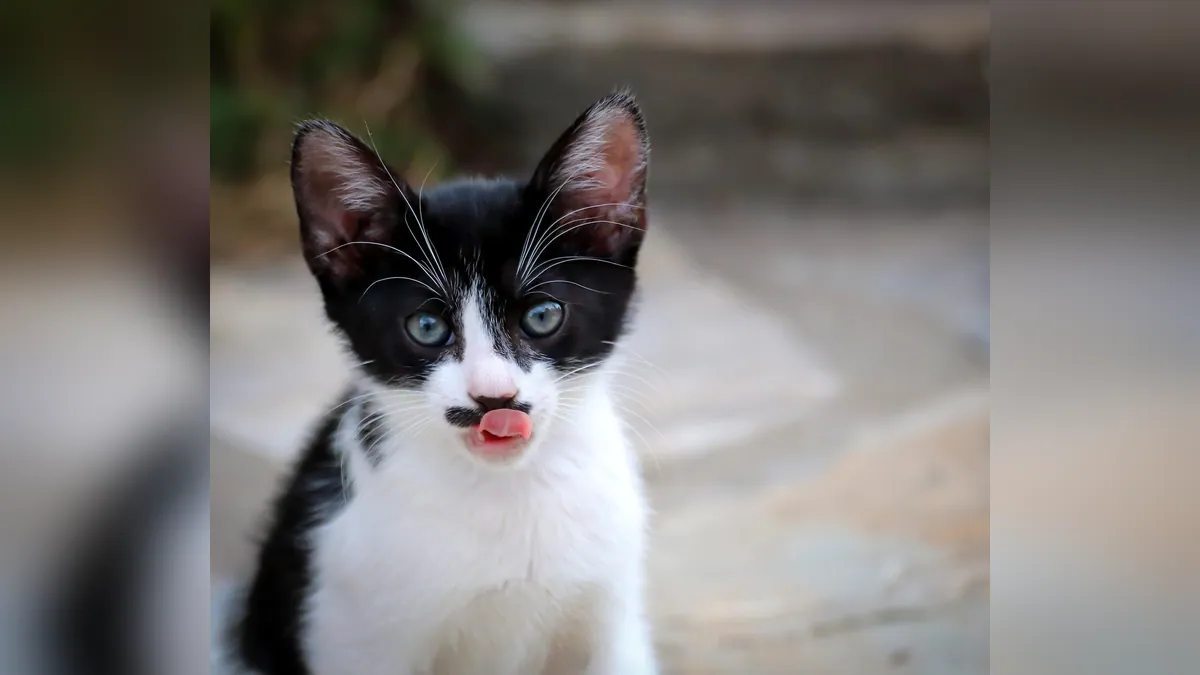
Can cats eat blueberry yogurt? In most cases, no. Cats are lactose intolerant after weaning, and blueberry yogurt adds sugar, thickeners, and sometimes sweeteners that do nothing good for a cat. A single tiny lick is unlikely to harm a healthy adult cat, but it is not a treat you should offer on purpose.
This article is educational and is not a substitute for veterinary diagnosis or treatment.
Quick Answer
- Plain, unsweetened yogurt in small amounts is generally tolerated by many adult cats, and one study fed cats 50 g of yogurt per day for 21 days without reported harm [1].
- Blueberry yogurt is different because of the added sugar, fruit syrups, and possible xylitol or other sweeteners.
- Blueberries themselves are not toxic to cats, but they offer no nutritional need and can cause stomach upset in quantity.
- Xylitol is a well known and dangerous poison in dogs. A controlled study in cats did not find the same effects, so it is not classified as highly toxic to cats, but sugar free foods still do not belong in a cat's bowl.
- If your cat licked a small amount of regular blueberry yogurt, watch for vomiting or diarrhea. If the yogurt was sugar free, call your veterinarian or a pet poison hotline right away.
Is Blueberry Yogurt Safe for Cats?
The short answer is no, blueberry yogurt is not a safe or appropriate treat for cats. The problem is not the blueberry. The problem is everything else in the cup.
Cats are obligate carnivores. They have no nutritional requirement for fruit, sugar, or dairy. Their bodies are built to digest meat, and their digestive systems handle carbohydrates and milk sugars poorly compared with people.
Lactose is the main issue with any yogurt. Most cats stop producing enough lactase, the enzyme that breaks down lactose, after they are weaned. That means the milk sugar in yogurt passes into the colon undigested, where gut bacteria ferment it. The result is gas, bloating, loose stool, or vomiting.
That said, yogurt is not automatically dangerous. In one study, adult cats were fed 50 g of yogurt per day for 21 days, and the yogurt group showed changes in lipid metabolism, inflammation markers, and fecal bacteria that the researchers described as beneficial for intestinal health [1]. That is a real finding, and it tells us small amounts of plain yogurt are usually tolerated. It does not mean blueberry yogurt is a good idea, because that study used plain yogurt, not a sweetened fruit blend.
If you want to understand how plain yogurt fits into a cat's diet, our guide on Can Cats Eat Yogurt? Probiotic Gut Health Benefits covers the details.
Can Cats Eat Yogurt With Blueberries?
Yes, a cat can physically eat yogurt with blueberries, but that does not make it a good choice. The blueberry pieces add sugar and fiber your cat does not need, and the yogurt base still carries lactose.
Blueberries are not toxic to cats. A single berry is not a poison. But blueberries are a plant food with natural sugars, and cats have no dietary requirement for them. Some cats will eat a berry and be fine. Others will get soft stool from the fiber and sugar load.
If you want to give your cat a berry, keep it to one small piece and mash it so it is not a choking hazard. For more on fruit treats, see Can Cats Eat Blueberries? Antioxidant Treat Portions.
Can Cats Eat Blackberry Yogurt?
Blackberry yogurt carries the same problems as blueberry yogurt, plus seeds. Blackberries are not toxic to cats, but the seeds are small and firm, and the fruit is acidic. The yogurt base still has lactose, and the flavoring usually comes with added sugar or fruit syrup.
There is no health reason to feed blackberry yogurt to a cat. If your cat stole a lick, that is a minor exposure. If your cat ate a large spoonful, expect possible stomach upset and watch for vomiting or diarrhea.
What Is Actually in Blueberry Yogurt?
A typical fruit yogurt is a mix of milk, live cultures, sugar, fruit, thickeners, and flavorings. Each of those matters for a cat.
| Form | Safe for Cats? | Notes |
|---|---|---|
| Plain, unsweetened yogurt | Small amounts only | Lactose still present. One study fed 50 g per day to adult cats for 21 days [1]. |
| Blueberry yogurt, regular | Not recommended | Added sugar, fruit syrup, lactose. Small lick is low risk. |
| Blueberry yogurt, sugar free | Avoid | May contain xylitol or other sweeteners. Not a cat food. |
| Greek yogurt, plain | Small amounts only | Lower lactose than regular yogurt, but still dairy. |
| Frozen yogurt | Avoid | Often higher sugar, sometimes chocolate or xylitol. |
| Yogurt with granola or nuts | Avoid | Choking risk, high sugar, possible toxic ingredients like raisins or chocolate. |
Sugar and Sweeteners
Sugar is the biggest difference between plain yogurt and blueberry yogurt. Cats do not taste sweetness the way people do, so they are not drawn to sugar for the flavor. They are drawn to the fat and protein in the dairy.
That means added sugar gives your cat calories with no benefit. Over time, extra sugar and calories push weight up, and obesity raises the risk of diabetes and joint disease in cats.
Sugar free blueberry yogurt is worse in one specific way. It may contain xylitol, a sweetener that causes dangerous low blood sugar and liver failure in dogs. A controlled study in cats did not find the same effects, so xylitol is not classified as highly toxic to cats the way it is to dogs. Still, xylitol has no place in a cat's diet, and sugar free products often contain other sweeteners and additives that can cause GI upset.
If your cat ate a sugar free yogurt, treat it as a possible exposure and call your veterinarian or a pet poison hotline. The two numbers to keep on hand are the ASPCA Animal Poison Control Center at (888) 426-4435 and the Pet Poison Helpline at (855) 764-7661. A consultation fee may apply.
Probiotics and Gut Health
Yogurt contains live bacterial cultures, and probiotics are a real area of veterinary research in cats. A study using a complex probiotic blend in domestic cats found that the probiotic group had higher gut bacterial diversity and more beneficial microbes such as Clostridium, Bacteroides, Phocaeicola, and Ruminococcus, with fewer opportunistic pathogens like Escherichia and Corynebacterium [2]. A separate study in weaned kittens found that a yeast probiotic, Saccharomyces cerevisiae var. boulardii CNCM I-1079, was linked to optimal fecal scores in more supplemented kittens than controls, though the effect varied across the study weeks [3].
That research is about specific probiotic strains given in measured amounts, not about a spoonful of fruit yogurt. If you want to support your cat's gut, talk to your veterinarian about a cat-specific probiotic instead of sharing your breakfast.
Risks of Feeding Blueberry Yogurt to Cats
Lactose Intolerance and GI Upset
The most common reaction is digestive upset. Vomiting, diarrhea, gas, and abdominal discomfort can show up within hours of a dairy treat. Some cats handle a teaspoon of yogurt with no problem. Others get loose stool from a single lick.
Kittens are more tolerant of lactose than adults, but that tolerance fades. Older cats and cats with sensitive stomachs tend to react more.
Choking and Blockage Risk
Whole blueberries are round and firm. A cat that gulps one can choke, and a large piece can lodge in the throat. Blueberries are not a typical blockage risk the way bones or string are, but any firm round object can be a hazard for a cat that eats fast.
Cut or mash any fruit you offer, and never leave a bowl of yogurt with fruit where your cat can get to it.
Additives That Matter
Read the label before you let a cat near any flavored yogurt. Watch for:
- Xylitol or other sugar alcohols
- Chocolate chips or cocoa
- Raisins or grapes
- Garlic or onion powder in savory yogurts
- Nuts, especially macadamia
- Artificial sweeteners like sucralose or aspartame
Grapes and raisins can cause kidney injury in cats. Chocolate contains theobromine and caffeine, which cats cannot handle well. Garlic and onion damage red blood cells. None of these belong in a cat treat.
H5N1 and Raw Dairy
There is one more layer of risk with raw or homemade dairy. A 2024 study looked at H5N1 avian influenza in homemade yogurt, cheese, and whey made from contaminated milk. The researchers found that the home recipes inactivated the virus, and no viable virus was detected, even though viral RNA was present [4]. That is reassuring for properly made yogurt, but it does not make raw milk safe for cats. Pasteurized dairy is the safer choice, and the safest choice is no dairy at all.
How to Offer Yogurt Safely, If You Choose To
If your veterinarian says a small amount of plain yogurt is fine for your cat, follow these rules.
- Choose plain, unsweetened yogurt with no fruit, no sugar, and no sweeteners.
- Keep the amount tiny. One teaspoon or less is plenty for most cats.
- Offer it at room temperature, not cold from the fridge.
- Watch for vomiting, diarrhea, or gas for 24 hours.
- Do not make it a daily habit unless your veterinarian recommends it for a specific reason.
Avoid these forms completely:
- Any yogurt with xylitol or sugar alcohols
- Fruit-on-the-bottom blends with syrup
- Frozen yogurt and yogurt bars
- Yogurt with granola, nuts, chocolate, or raisins
- Yogurt drinks with added sugar
If you want a creamy treat for your cat, a small amount of plain cooked chicken or a commercial cat treat is a better fit. For more on dairy treats and their risks, see Can Cats Eat Ice Cream? Xylitol Sugar and Lactose.
What to Do If Your Cat Ate Blueberry Yogurt
Stay calm and figure out what your cat actually ate.
If your cat licked a small amount of regular blueberry yogurt, most likely nothing will happen. Watch for vomiting, diarrhea, or a change in appetite over the next 24 hours. Offer fresh water and keep meals normal.
If your cat ate a large amount, or ate yogurt with xylitol, chocolate, raisins, or garlic, call your veterinarian or a pet poison hotline right away. Do not wait for symptoms. Bring the yogurt container or a photo of the label with you so the veterinarian knows exactly what was in it.
If your cat is vomiting repeatedly, has bloody diarrhea, is drooling, is trembling, or seems weak or wobbly, treat it as an emergency and go to a veterinary hospital now.
Safer Alternatives to Blueberry Yogurt
Cats do not need fruit or dairy. They need animal protein, taurine, and a complete cat diet.
Good treat options include:
- Small pieces of plain cooked chicken or turkey with no seasoning
- Plain cooked salmon or sardines in water, no salt
- Commercial cat treats sized for your cat's weight
- A teaspoon of plain unsweetened yogurt only if your veterinarian approves it
- A single mashed blueberry as an occasional taste, not a meal
If you enjoy sharing fruit with pets, keep in mind that cats and dogs have different tolerances. Our article on Can Dogs Eat Strawberries And Yogurt explains why the same food can be fine for one species and risky for another.
Limitations and When to Contact a Veterinarian
This article covers general information, not your cat's specific case. Your veterinarian knows your cat's weight, health history, and medications, and can tell you what is safe for your pet.
Contact your veterinarian the same day if your cat ate blueberry yogurt and now has vomiting, diarrhea, or no appetite.
Go to an emergency clinic now if your cat ate a sugar free yogurt, chocolate, raisins, garlic, or onion, or if you see trembling, weakness, collapse, seizures, or repeated vomiting.
Call a pet poison hotline if you are unsure what was in the yogurt or how much your cat ate. The ASPCA Animal Poison Control Center is at (888) 426-4435 and the Pet Poison Helpline is at (855) 764-7661. A consultation fee may apply.
Schedule a routine visit if your cat keeps getting into human food, if you are worried about weight gain, or if you want help choosing safe treats.
Frequently Asked Questions
Can cats eat blueberry yogurt every day?
No, blueberry yogurt should not be a daily food for cats. The lactose, sugar, and additives add up over time and can cause digestive upset or weight gain. If your veterinarian approves a dairy treat, plain unsweetened yogurt in a tiny amount is the better choice.
Is a tiny lick of blueberry yogurt dangerous for a cat?
A tiny lick of regular blueberry yogurt is low risk for most healthy adult cats. The bigger concern is sugar free yogurt, which may contain xylitol or other sweeteners. If you are not sure what was in the yogurt, call your veterinarian.
Can kittens eat blueberry yogurt?
Kittens are more tolerant of lactose than adult cats, but that does not make blueberry yogurt a good food for them. Kittens need a complete growth diet, and sugary dairy treats can crowd out real nutrition. Ask your veterinarian before giving any human food to a kitten.
Does blueberry yogurt help a cat's digestion?
No, blueberry yogurt is not a proven digestive aid for cats. Yogurt contains live cultures, and probiotic research in cats does show benefits from specific strains, but those studies used measured probiotic products, not fruit yogurt. Talk to your veterinarian about a cat-specific probiotic if you want to support gut health.
What should I do if my cat ate a whole container of blueberry yogurt?
Call your veterinarian or a pet poison hotline right away, especially if the yogurt was sugar free or contained chocolate, raisins, or xylitol. A large amount of dairy can cause significant vomiting and diarrhea, and some additives are dangerous. Do not wait for symptoms to appear before you call.
Related Articles
- Can Cats Eat Yogurt? Probiotic Gut Health Benefits
- Can Cats Eat Blueberries? Antioxidant Treat Portions
- Can Cats Eat Strawberries? Nutritional Benefits and Risks
- Can Cats Eat Ice Cream? Xylitol Sugar and Lactose
- Can Dogs Eat Strawberries And Yogurt
- Can Cats Eat Cream Cheese? Dairy Fat and Additive Risks
- Can Cats Eat Yogurt With Honey? Safety and Risks
- Can Cats Eat Whipped Cream? Dairy and Sugar Risks
- Can Cats Eat Raspberries, Blueberries and Blackberries?
References
- Yogurt in Combination with Inactivated Pediococcus lactis Modulated Feline Lipid Metabolism, Anti-Inflammation and Fecal Microbiota. Animals : an open access journal from MDPI, 2025.
- The Gut Microbiome and Metabolome of Domestic Cats Were Altered by the Oral Administration of Complex Probiotics. Biology, 2026.
- A placebo-controlled study of the effects of Saccharomyces cerevisiae var. boulardii CNCM I-1079 probiotic on faecal quality, microbiota and immunity in weaned kittens. Animal microbiome, 2026.
- Survivability of H5N1 avian influenza virus in homemade yogurt, cheese and whey. Emerging microbes & infections, 2024.