Can Cats Have Honey? Safety, Risks, and Feeding Tips
By Dr. Zubair Khalid, DVM, MS, PhD ·
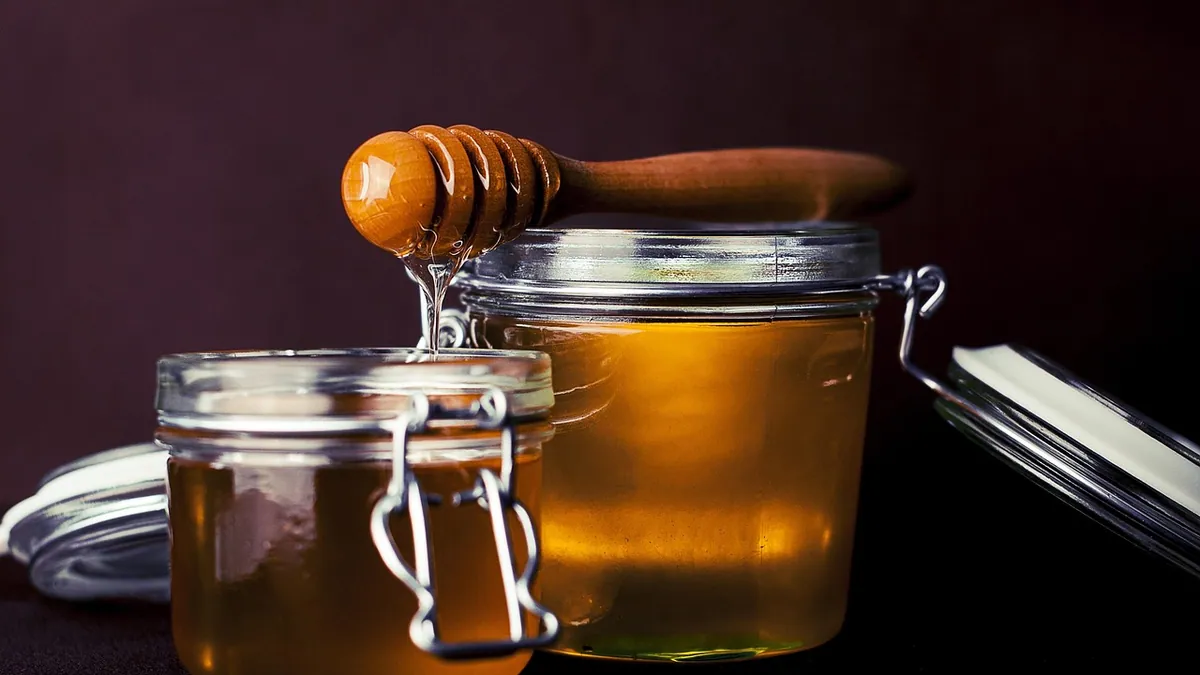
Can cats have honey? In most cases, no. Honey is almost pure sugar, and cats do not need sugar in their diet. A tiny lick is unlikely to poison an adult cat, but honey offers no nutritional benefit and can upset the stomach or add unneeded calories.
This article is educational and is not a substitute for veterinary diagnosis or treatment.
Quick Answer
- Adult cats can usually survive a small accidental taste of plain honey, but honey is not a recommended treat.
- Kittens should never eat honey because of the risk of infant botulism from Clostridium botulinum spores.
- Honey is roughly 80 percent sugar, so it can raise blood glucose and add empty calories.
- Never give honey that contains xylitol, garlic, onion, salt, or other additives. Xylitol is a well-known dog poison, and sugar-free products do not belong in a cat's diet.
- If your cat ate a large amount of honey or a honey product with a toxic additive, call your veterinarian or a pet poison hotline right away.
Is It Safe for Cats to Have Honey?
For a healthy adult cat, a single small lick of plain honey is generally not dangerous. The bigger issue is that honey does not fit a cat's nutritional needs at all. Cats are obligate carnivores, which means they are built to get their energy and nutrients from animal tissue, not from sugar.
Cornell University College of Veterinary Medicine notes that cats need specific amounts of each nutrient, and more is not better. Supplements and extras can be harmful and should never be given without a veterinarian's approval [1]. Honey falls into that category of "extra." It is not a supplement your cat needs.
The verdict is simple. Honey is not toxic to adult cats in tiny amounts, but it is not safe as a regular treat either. For kittens, the answer is a firm no.
Can Kittens Eat Honey?
Kittens should not eat honey. Honey can contain spores of Clostridium botulinum, the bacteria that causes botulism. Human infants under one year are kept away from honey for this exact reason, and the same caution applies to kittens whose digestive tracts and immune systems are still developing.
Botulism in kittens is rare but serious. If you suspect a kitten ate honey, contact your veterinarian. Do not wait for symptoms.
What Is in Honey, and Does It Help Cats?
Honey is mostly sugar and water. It contains small amounts of vitamins, minerals, and antioxidants, but those amounts are far too small to matter for a cat. A cat's body cannot use honey the way a human body does, and the sugar load is the main concern.
There is one area where honey has real medical use in cats, and it is not as food. Medical-grade honey has been studied for wound care. A 2023 study found that medical-grade honey ointment improved tissue perfusion and reduced edema in full-thickness skin wounds in cats compared with untreated controls [2]. Another case series looked at vitamin-supplemented medical-grade honey for burn wounds in cats and dogs and documented wound progression with photographic records [3].
Medical-grade honey also has antibacterial properties. A 2024 study compared different honey types against bacteria cultured from wounds of dogs and cats, including Staphylococcus pseudintermedius, Escherichia coli, Enterococcus faecalis, and Pseudomonas aeruginosa. Medical-grade honey had the lowest minimum bactericidal concentration against several of these isolates and produced stronger growth inhibition at medium and low concentrations than non-medical-grade honey [4].
That research is about honey applied to wounds under veterinary supervision, not honey fed by mouth. Do not put grocery store honey on your cat's wound. Do not feed honey to your cat hoping it will help with anything. If your cat has a wound, burn, or skin problem, your veterinarian will choose the right product and dose.
Risks of Feeding Honey to Cats
Sugar and Calories
Honey is a concentrated sugar source. Feeding it adds calories your cat does not need. Overweight and obese cats are already common, and extra sugar works against weight control. Cats on a dry kibble diet already tend to take in more carbohydrates than cats on canned food, and their gut microbiomes differ significantly from cats eating wet food, with kibble-fed cats showing enrichment of bacteria linked to carbohydrate metabolism and metabolic disease [5]. Adding honey on top of that is a step in the wrong direction.
Digestive Upset
Sugar can cause vomiting, diarrhea, or loose stool in cats. Some cats tolerate a tiny amount, and some do not. There is no way to predict which cat will react badly.
Botulism Risk in Kittens
As noted above, honey can carry Clostridium botulinum spores. This is the main reason kittens should never eat honey.
Additives That Are Dangerous
Plain honey is one thing. Honey products are another. Read labels carefully.
- Xylitol: This sugar alcohol causes dangerous low blood sugar and liver failure in dogs. A controlled study in cats did not find the same effects, so xylitol is not considered highly toxic to cats the way it is to dogs. Even so, sugar-free honey products and any food containing xylitol do not belong in a cat's diet.
- Garlic and onion: These can damage red blood cells and cause anemia in cats. Honey mustard, honey garlic sauce, and similar products often contain them.
- Salt: Some honey glazes and marinades are high in sodium. Too much salt can cause serious problems in cats.
- Chocolate: Honey combined with chocolate is a double problem. Chocolate contains theobromine and caffeine, which are toxic to cats. If your cat ate chocolate, treat it as an emergency. See Can cats eat chocolate toxicity and emergency response.
- Other sweeteners and flavorings: Anything not intended for cats should be avoided.
Choking and Texture Issues
Honey is thick and sticky. A cat can gag or drool after a large glob. Honeycomb is worse because the waxy texture can be a choking hazard. Do not give your cat honeycomb.
Can Cats Have Honey Dew?
Honeydew is not honey. In most cases, "honeydew" refers to a sweet, sticky substance produced by aphids and other insects, or to the honeydew melon. Neither is a good treat for cats.
Honeydew melon is a fruit. It contains sugar and water, and it offers no nutritional value to a cat. A tiny piece of plain melon flesh is unlikely to hurt an adult cat, but it is not recommended. The rind and seeds can cause choking or digestive blockage. If you want to offer a fruit treat, read Can Cats Eat Strawberries? Nutritional Benefits and Risks for safer options and portion guidance.
If your cat licked honeydew from a plant or an outdoor surface, watch for vomiting, diarrhea, or drooling. Call your veterinarian if symptoms appear.
Can Cats Have Cottage Cheese and Honey?
This combination is sometimes suggested for cats, but it is not a good idea. Cottage cheese contains lactose, and many adult cats are lactose intolerant. Feeding dairy can cause diarrhea and stomach upset. For more on this, see Can Cats Drink Milk?.
Adding honey to cottage cheese adds sugar on top of the lactose problem. If your cat needs a protein-rich treat, ask your veterinarian about a small piece of plain cooked chicken instead. Do not use cottage cheese and honey as a regular snack.
How to Offer Honey Safely (If You Choose To)
The safest approach is not to feed honey at all. If you still want to offer a taste, follow these rules.
- Only for healthy adult cats, never kittens.
- Plain honey only, with no additives.
- A tiny amount, no more than a fingertip touch, and only as a rare one-time taste.
- Never as a meal topper, never mixed into regular food, and never as a daily treat.
- Never honeycomb.
- Never honey from a jar that also contained garlic, onion, xylitol, chocolate, or other flavorings.
If your cat has diabetes, obesity, pancreatitis, inflammatory bowel disease, or any chronic condition, skip honey entirely. Your veterinarian can tell you whether any human food is appropriate for your cat's specific health status.
What to Do If Your Cat Ate Honey
If your adult cat licked a small amount of plain honey, you can usually monitor at home. Watch for vomiting, diarrhea, drooling, or unusual behavior over the next few hours.
If your cat ate a large amount of honey, ate honeycomb, or ate a honey product containing xylitol, garlic, onion, chocolate, or another additive, call your veterinarian or a pet poison hotline right away. Do not wait for symptoms.
If your kitten ate honey, contact your veterinarian the same day, even if the kitten seems fine.
Bring the label or a photo of the product with you. Your veterinarian will calculate any treatment based on your cat's weight and health, not a fixed dose.
Safer Alternatives to Honey
Cats do not need sweet treats. If you want to reward your cat, choose something that fits a carnivore diet.
| Treat | Safe? | Notes |
|---|---|---|
| Plain cooked chicken | Yes, in small amounts | No seasoning, no onion, no garlic |
| Plain cooked turkey | Yes, in small amounts | Same rules as chicken |
| Commercial cat treats | Yes | Follow label portions |
| Plain honey | Only a tiny taste for healthy adults | Never for kittens |
| Honeycomb | No | Choking hazard |
| Honey with xylitol | No | Sugar-free products do not belong in a cat's diet |
| Honey with garlic or onion | No | Can damage red blood cells |
| Chocolate-covered honey | No | Chocolate is toxic to cats |
| Cottage cheese and honey | No | Lactose plus sugar |
| Honeydew melon | Not recommended | Sugar with no benefit |
For more on human foods and cats, see Can Cats Have Peanut Butter? Risks and Healthier Alternatives and Can Cats Eat Uncooked Hot Dogs? Risks and Safer Options.
Limitations and When to Contact a Veterinarian
Every cat is different. A treat that causes mild stomach upset in one cat may cause a serious problem in another. Your veterinarian is the only person who can assess your cat's individual risk based on weight, age, health history, and medications.
Contact your veterinarian the same day if your cat:
- Ate honey and is a kitten
- Ate a large amount of honey
- Ate honeycomb
- Ate a honey product with xylitol, garlic, onion, chocolate, or another additive
- Has vomiting, diarrhea, drooling, or loss of appetite
- Seems weak, wobbly, or unusually tired
Go to an emergency clinic immediately if your cat:
- Collapses or has a seizure
- Has trouble breathing
- Has a racing or irregular heartbeat
- Is unresponsive or very weak
- Ate chocolate or another known toxin
Schedule a routine visit if your cat has had repeated small tastes of honey and you want to review diet and weight. Your veterinarian can help you build a feeding plan that fits your cat's needs. Cornell notes that cats should always have access to clean, fresh water [1].
Frequently Asked Questions
Can cats eat honey every day?
No. Honey is mostly sugar and offers no nutritional benefit to cats. Daily honey can add empty calories, raise blood glucose, and cause digestive upset. Keep it out of your cat's regular diet.
Is it safe for cats to have honey if they are healthy?
A tiny taste of plain honey is unlikely to harm a healthy adult cat. That does not make it a good treat. Kittens, cats with diabetes, and cats with other health conditions should avoid it completely.
Can kittens eat honey?
No. Kittens should never eat honey because of the risk of botulism spores. If a kitten ate honey, contact your veterinarian the same day.
Can cats have honey dew?
Honeydew is not honey, and it is not a recommended treat. Honeydew melon contains sugar and no benefit for cats, and the rind and seeds can cause choking. If your cat licked honeydew from a plant or surface, watch for symptoms and call your veterinarian if anything seems off.
Can cats have cottage cheese and honey?
No. Cottage cheese contains lactose, which many adult cats cannot digest, and honey adds sugar on top of that. Choose a plain protein treat approved by your veterinarian instead.
Related Articles
- Can Cats Eat Strawberries? Nutritional Benefits and Risks
- Can Cats Have Peanut Butter? Risks and Healthier Alternatives
- Can Cats Eat Uncooked Hot Dogs? Risks and Safer Options
- Can Cats Drink Milk?
- Can cats eat chocolate toxicity and emergency response
- Can Cats Eat Eggs
- Can Cats Eat Yogurt With Honey? Safety and Risks
- Can Cats Eat Cheerios? Honey Nut Cereal Safety
- Can Cats Have Maple Syrup? Sugar and Xylitol Risks
References
- Feeding Your Cat. Cornell University College of Veterinary Medicine.
- Evaluation of the Effectiveness of Medical-Grade Honey and Hypericum Perforatum Ointment on Second-Intention Healing of Full-Thickness Skin Wounds in Cats. Animals : an open access journal from MDPI, 2023.
- Vitamin-supplemented medical-grade honey for burn wound management in cats and dogs: a retrospective case series. Open veterinary journal, 2026.
- Medical-grade honey has superior antibacterial properties against common bacterial isolates in wound cultures of dogs and cats in comparison to non-medical-grade honey types. American journal of veterinary research, 2024.
- Cats on dry kibble diet have significantly different microbiome than those on canned wet food. npj veterinary sciences, 2026.