Is Catnip Harmful to Pregnant Cats? Vet Answer
By Dr. Zubair Khalid, DVM, MS, PhD ·
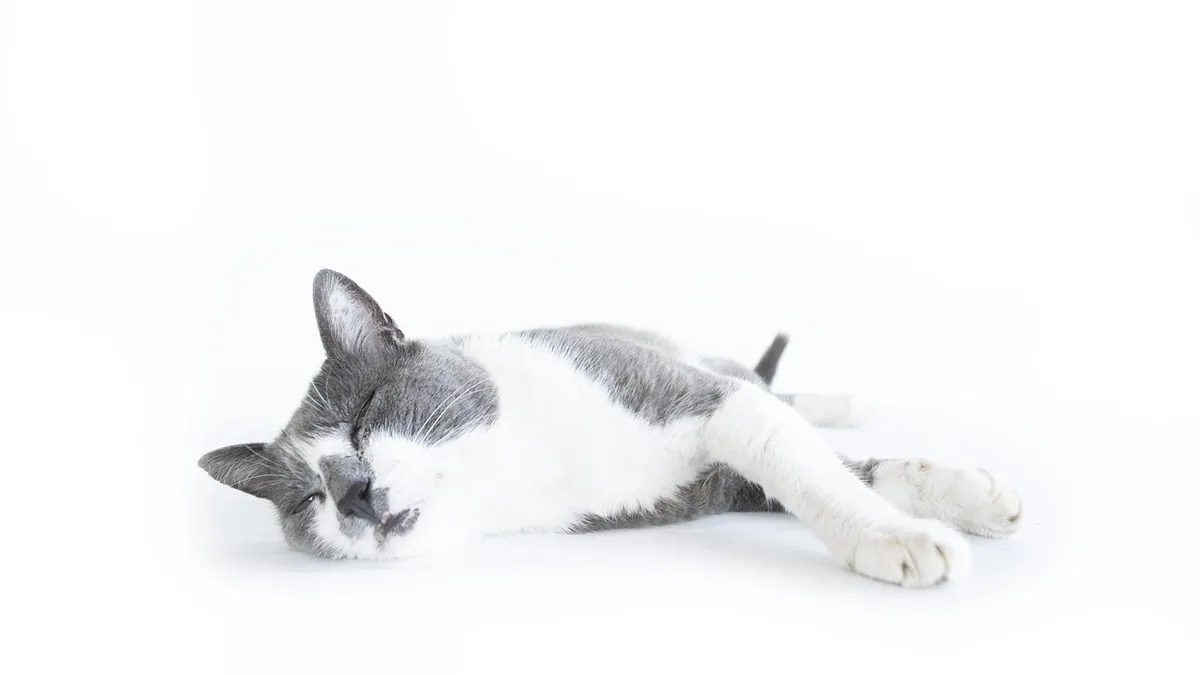
Is catnip harmful to pregnant cats? Catnip is listed as toxic to cats, and the ASPCA notes it can cause vomiting and diarrhea, so the safest choice is to avoid offering it to a pregnant queen [1]. There is no research showing a benefit of catnip during pregnancy, and there is no established safe amount. If your cat ate catnip and she is pregnant, she will most likely be fine, but you should call your veterinarian or a poison control line for guidance.
This article is educational and is not a substitute for veterinary diagnosis or treatment.
Quick Answer
- Catnip (Nepeta cataria) is classified as toxic to cats, with nepetalactone as the toxic principle, and reported signs include vomiting and diarrhea [1].
- No studies have looked at catnip use specifically in pregnant cats, so a safe dose or safe exposure level during pregnancy is not established.
- Skip catnip, catnip sprays, and catnip-filled toys for pregnant and nursing queens. Use food puzzles, grooming, warm bedding, and quiet handling instead.
- If your pregnant cat ate catnip, remove the rest, watch for vomiting or diarrhea, and call your veterinarian or the ASPCA Animal Poison Control Center at (888) 426-4435 or Pet Poison Helpline at (855) 764-7661.
- Do not induce vomiting unless a veterinarian tells you to.
Is Catnip Toxic to Cats?
Yes, catnip appears on the ASPCA list of plants toxic to cats [1]. That listing surprises many owners because catnip is sold openly in pet stores and is often described as harmless fun. The ASPCA record lists the toxic principle as nepetalactone and reports vomiting and diarrhea as clinical signs, along with sedation in some cats and stimulation in others [1].
Toxicity listings like this one describe the potential for harm, not a guarantee that every exposure causes illness. Many cats roll in catnip, chew a toy, and have no problems at all. Others vomit or develop loose stool after eating a larger amount of the plant or the dried herb. The response depends on the cat, the amount eaten, and the form of the product.
Which Parts and Products Matter
The leaves, stems, flowers, and seeds of the catnip plant all contain nepetalactone. Dried catnip sold in bags, catnip sprays, catnip-filled toys, and fresh plants from a garden center all carry the same active compound. Catnip essential oil is far more concentrated than dried leaf, and concentrated oils are a bigger concern than a pinch of dried herb. Catnip essential oil has documented antimicrobial activity in laboratory testing, which shows how concentrated and biologically active the oil can be [2].
If you are fostering or breeding, remember that catnip can reach your queen in ways you may not expect. A catnip toy left in a shared play area, a spray used on a scratching post, or a houseplant within reach all count as exposure.
What Nepetalactone Does in the Body
Nepetalactone is the compound in catnip that triggers the well-known behavioral response in cats. It also acts on an irritant receptor called TRPA1, which is how catnip repels insects such as mosquitoes and fruit flies [3]. That receptor is part of the reason catnip can irritate instead of calm some cats.
Interestingly, catnip does not activate the human version of that same receptor, which is one reason people do not react to it the way cats do [3]. This helps explain why catnip is often treated casually by owners even though it is listed as toxic to cats [1].
What nepetalactone does not appear to do is change basic clinical parameters in a meaningful way. In a randomized, blinded study of eight healthy cats, exposure to catnip and to feline facial pheromone produced no significant changes in clinical or behavioral measurements during a veterinary exam [4]. That study looked at healthy adult cats in a hospital setting, not pregnant cats, so it does not tell us whether catnip is safe during pregnancy. It does suggest that catnip is not a strong drug-like agent that will mask illness or dramatically alter a cat's physical exam [4].
Pregnancy itself changes a cat's body. Pregnant cats in one study had significantly lower rectal temperatures than cats who were not in heat, and their corneal temperatures were similar between groups [5]. This is a reminder that a pregnant queen is not simply a cat with a different belly. Her physiology is shifting, her immune and hormonal systems are active, and her placenta produces steroid hormones and corticotropin-releasing hormone [6]. Adding a plant compound with no proven benefit during this window is a risk without a reward.
Signs of Catnip Exposure in a Pregnant Cat
The reported signs of catnip exposure are vomiting and diarrhea [1]. Some cats become sedated and others become stimulated, and the response can vary from one cat to the next [1].
In a pregnant queen, vomiting and diarrhea deserve more attention than they would in a healthy adult cat. Pregnancy is a period of high metabolic demand, and fluid loss or poor appetite can affect both the queen and her developing kittens. A single episode of vomiting after a small taste of catnip is unlikely to be serious. Repeated vomiting, diarrhea that lasts more than a day, refusal to eat, or lethargy are reasons to call your veterinarian.
Typical Timeline
Signs linked to catnip are usually digestive and tend to appear within hours of eating the plant or product. The ASPCA record does not give a specific onset window, so a precise timeline is not well established in veterinary research [1]. If your cat ate catnip and is going to react, you would generally expect to see something the same day. If she is eating, drinking, and acting normally 24 hours later, the exposure was likely minor.
What to Do Right Now
If your pregnant cat ate catnip, take these steps in order.
- Remove the catnip, toy, spray, or plant from her reach.
- Note how much she may have eaten and when.
- Call your veterinarian, an emergency clinic, the ASPCA Animal Poison Control Center at (888) 426-4435, or Pet Poison Helpline at (855) 764-7661.
- Do not induce vomiting unless a veterinarian tells you to.
- Offer fresh water and watch for vomiting, diarrhea, drooling, or changes in appetite and energy.
Do not try to make your cat vomit at home. Home induction methods can cause harm, and vomiting is not always the right move in a pregnant cat. A veterinarian will decide whether decontamination is appropriate based on how much was eaten, when it happened, and how far along the pregnancy is.
How Veterinarians Treat Catnip Exposure
Most cases are managed with supportive care. If your cat has mild stomach upset, your veterinarian may recommend withholding food for a short period, then offering small bland meals. Fluids may be given under the skin or into a vein if your cat is dehydrated from vomiting or diarrhea.
If a large amount of catnip essential oil was ingested, treatment may be more involved. Your veterinarian may give activated charcoal or other treatments to limit absorption, depending on the timing and the amount. The dose of any medication is calculated by your veterinarian from your cat's weight, hydration status, and stage of pregnancy. There is no home dose you should use.
Your veterinarian may also check the pregnancy itself. Ultrasound can confirm fetal heartbeats, and your veterinarian can assess whether the queen is showing any signs of distress. If you are unsure how far along your cat is, read How Long Are Cats Pregnant? Gestation, Care, and When to Call a Veterinarian for a timeline you can use when you talk to your vet.
Outlook After Catnip Exposure
The outlook is generally good for a pregnant cat that eats a small amount of catnip and shows only mild or no signs. The reported effects are digestive and typically short lived [1]. There is no evidence that catnip causes birth defects, miscarriage, or kitten abnormalities, but this has not been studied directly in pregnant cats, so a guarantee is not possible.
The bigger risk in pregnancy is dehydration and poor nutrition from vomiting or diarrhea. A queen who cannot keep food or water down for more than a day needs veterinary care. If she is eating normally and acting like herself, the exposure is likely to pass without consequence.
Is Catnip Safe for Pregnant Cats? Prevention and Safer Alternatives
The simplest answer is to avoid catnip during pregnancy and nursing. You do not need it, and your cat does not need it. If you want to know more about how catnip affects cats in general, see What Does Catnip Do To Cats and Can Cats Eat Catnip? Nepetalactone and Safe Use Guide.
Safer Enrichment for a Pregnant or Nursing Queen
- Food puzzles and slow feeders. These use her natural foraging behavior and do not add any plant compounds.
- Gentle grooming. Most pregnant and nursing queens enjoy being brushed, and it helps you check her body condition.
- Warm, quiet bedding. Give her a nesting box in a low-traffic room and let her choose it.
- Vertical space and scratching posts. These support normal cat behavior without catnip spray.
- Predictable handling. Keep visitors and loud noises to a minimum, especially in late pregnancy and the first weeks of nursing.
- Play with wand toys. Short, low-intensity sessions are usually well tolerated.
Catnip and Kittens
Kittens are another group where catnip is best avoided. Many kittens do not respond to catnip at all until they are several months old, and their digestive systems are small. A kitten who eats a large amount of dried catnip can vomit or have diarrhea just like an adult [1]. Keep catnip toys out of the kitten area, and do not use catnip to encourage a shy kitten to play. Use a quiet room, soft bedding, and gentle handling instead.
Other Plants to Watch
Catnip is not the only plant concern in a house with a pregnant cat. Many common house and garden plants are toxic to cats, and some, like lilies, are far more dangerous than catnip. If you are unsure about a plant in your home, review Are Lilies Toxic to Cats? and What Kind Of Plants Are Harmful To Cats. When in doubt, keep the plant out of reach or out of the house.
Limitations and When to Contact a Veterinarian
There is no research that tells us a safe amount of catnip for a pregnant cat. The ASPCA lists catnip as toxic to cats and reports vomiting and diarrhea as signs [1]. That is enough reason to skip it during pregnancy and nursing.
Call your veterinarian the same day if your pregnant cat vomited more than once, has diarrhea, is drooling, is off her food, or seems quieter than usual.
Go to an emergency clinic now if she is vomiting repeatedly, cannot keep water down, is weak or wobbly, is breathing fast or hard, has a distended or painful belly, or has any vaginal discharge or bleeding.
Schedule a routine visit if you are not sure whether she is pregnant, if you want to confirm the stage of pregnancy, or if you want help building a safe enrichment plan for her and the kittens.
Every cat is different, and individual cases need a veterinarian who can examine your cat and review her history.
Frequently Asked Questions
Can I give my pregnant cat catnip?
No, it is best not to give catnip to a pregnant cat. Catnip is listed as toxic to cats and can cause vomiting and diarrhea, and no safe amount has been established for pregnancy [1]. Use other forms of enrichment until she has finished nursing.
What happens if a pregnant cat eats catnip?
Most cats that eat a small amount of catnip have mild signs or none at all. The reported signs are vomiting and diarrhea, and some cats become sedated while others become stimulated [1]. If your cat is pregnant and shows repeated vomiting, diarrhea, or poor appetite, call your veterinarian.
Is catnip safe for nursing cats?
Catnip is not recommended for nursing queens. Nepetalactone can pass into milk in small amounts, and the effects on newborn kittens are not well established in veterinary research. Keep catnip away from the nesting area until the kittens are weaned.
Can catnip cause a miscarriage in cats?
There is no evidence that catnip causes miscarriage in cats. This has not been studied, so it is not well established either way. The main concern with catnip in pregnancy is digestive upset and the dehydration that can follow, not a direct effect on the pregnancy.
How long does catnip stay in a cat's system?
Catnip effects are short lived, and most cats return to normal within a few hours. The ASPCA record does not give a specific duration, so an exact timeline is not well established [1]. If signs last more than a day, call your veterinarian.
Related Articles
- What Does Catnip Do To Cats
- Can Cats Eat Catnip? Nepetalactone and Safe Use Guide
- Are Lilies Toxic to Cats?
- What Kind Of Plants Are Harmful To Cats
- How Long Are Cats Pregnant? Gestation, Care, and When to Call a Veterinarian
- Pregnant Cat Care: Nutrition, Gestation, and Kitten Delivery
- Is Catnip Poisonous to Cats? Myths and Facts
- Is Too Much Catnip Harmful to Cats? Overdose Signs
- Can a Pregnant Cat Be Spayed? Risks and Timing
References
- Toxic and Non-toxic Plants: Catnip. ASPCA Animal Poison Control Center.
- Antimicrobial effects of catnip (Nepeta cataria L.) essential oil against canine skin infection pathogens. Veterinary world, 2024.
- The irritant receptor TRPA1 mediates the mosquito repellent effect of catnip. Current biology : CB, 2021.
- Catnip (Nepeta cataria) and Feline Facial Pheromone Have No Effect on Clinical or Behavioral Parameters of Cats in Hospital Environment. Journal of applied animal welfare science : JAAWS, 2026.
- Assessing Pregnancy's Influence on Rectal and Corneal Temperature in Female Cats. Veterinary medicine and science, 2025.
- Establishment and Maintenance of Feline Pregnancy-A Comprehensive Review. Animals : an open access journal from MDPI, 2025.