Is Catnip Poisonous to Cats? Myths and Facts
By Dr. Zubair Khalid, DVM, MS, PhD ·
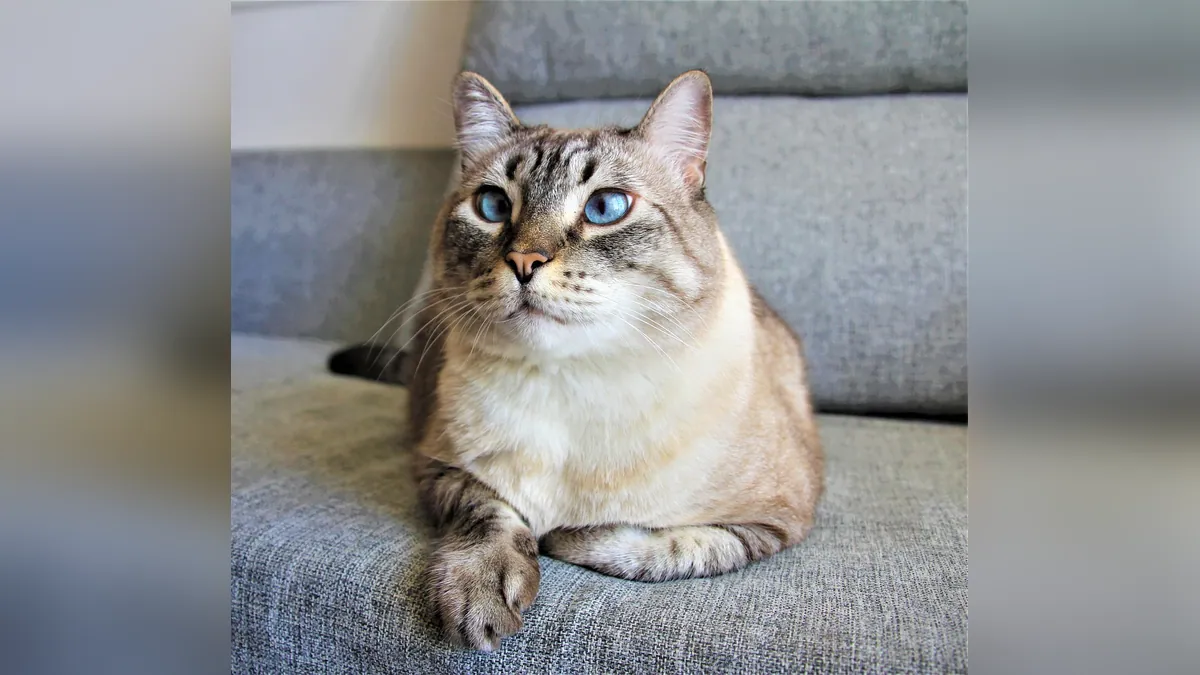
Catnip is not deadly to cats, but it is not completely harmless either. The ASPCA lists catnip as toxic to cats, with vomiting and diarrhea as the main concerns [1]. Most cats who nibble a leaf or bat at a toy are fine, yet the plant, oil, and spray forms are not equal in strength.
This article is educational and is not a substitute for veterinary diagnosis or treatment.
Quick Answer
- Catnip (Nepeta cataria) is listed as toxic to cats by the ASPCA, and the toxic principle is nepetalactone [1].
- The usual signs of a catnip reaction are vomiting and diarrhea, and some cats become sedated while others become stimulated [1].
- Fresh or dried catnip leaves are the mildest form because the amount of nepetalactone a cat takes in is small.
- Catnip oil and concentrated sprays are stronger and easier to overdo, so treat them as products to use sparingly and keep sealed.
- If your cat vomits repeatedly, has diarrhea, or acts unwell after catnip, call your veterinarian or the ASPCA Animal Poison Control Center at (888) 426-4435.
Is Catnip Poisonous to Cats?
This is the question most owners really want answered, and the honest answer has two parts.
Catnip is not a plant that causes organ failure or death in cats the way some true poisons do. The ASPCA classifies it as toxic to cats, and the clinical signs it lists are vomiting and diarrhea [1]. That means catnip belongs in a middle category. It is not a harmless salad green, and it is not a plant you need to rush out of your house in a panic.
The reaction most people picture when they think of catnip is the rolling, rubbing, drooling, and face-pressing behavior that has been described since the 1700s [2]. That behavior is a response to volatile compounds released when the leaves are bruised [3]. It is not the same thing as poisoning.
So when owners ask "is catnip harmful to cats," the practical answer is that harm is possible but usually mild and digestive. The risk goes up with the amount eaten and with the concentration of the product.
Is the Catnip Plant Toxic to Cats?
The living plant is the form most owners worry about, usually because a cat has been chewing on a potted catnip plant on a windowsill.
Catnip is a member of the mint family, formally Nepeta cataria, and it grows with white flowers that may be finely spotted with pale purple or pink [2]. It is a hardy plant, native to Europe, Asia, and Africa, and it now grows in many other places [2].
The leaves and stems carry nepetalactone, the compound the ASPCA identifies as the toxic principle [1]. A cat who chews a leaf or two is taking in a small amount. A cat who strips a whole plant and eats the leaves is taking in much more, and that is when vomiting or diarrhea becomes more likely [1].
If you keep catnip in the house, the simplest protection is to put the pot where your cat cannot graze on it freely. You can still offer a pinch of dried leaves as a treat.
Is Fresh Catnip Toxic to Cats?
Fresh catnip is not more poisonous than dried catnip. It is simply wetter and bulkier, so a cat who eats fresh leaves may swallow more plant material in one sitting.
The same nepetalactone is present in fresh leaves, and the same signs (vomiting and diarrhea) are the ones to watch for [1]. Fresh catnip also releases its volatiles more readily when bruised, which is why cats often react strongly to a fresh sprig [3].
A small, supervised nibble is low risk for most healthy cats. If your cat has a sensitive stomach or a history of vomiting, offer less or skip it.
Is Catnip Oil Toxic to Cats?
Catnip oil is a concentrated extract, and that concentration is the whole point of the concern.
The active ingredient in catnip extract is nepetalactone, and it is the same molecule that activates the irritant receptor TRPA1 in insects such as fruit flies and mosquitoes [4]. That research also found that catnip does not activate the human version of that receptor [4]. This helps explain why catnip repels insects so well, and it also tells you that nepetalactone is a biologically active compound, not a scent.
Because oil is concentrated, a small amount carries far more nepetalactone than a leaf does. Cats who lick undiluted oil, or who groom it off their coat after it is applied, can take in a meaningful dose. Keep bottles closed and out of reach, and never apply catnip oil to your cat's skin or coat unless a veterinarian specifically tells you to.
Is Catnip Spray Harmful to Cats?
Catnip spray is usually a diluted extract in water, which makes it milder than straight oil but still stronger than a leaf.
Sprays are commonly used on toys, scratchers, and carriers. A light mist that dries on a toy is generally low risk. Problems tend to come from overspraying, from spraying bedding your cat then grooms, or from leaving a puddle of liquid where a cat can lap it up.
If you use a spray, apply it in a well-ventilated spot, let the item dry, and store the bottle where your cat cannot knock it over. Watch for the same digestive signs listed for the plant [1].
What Is Nepetalactone and What Does It Do?
Nepetalactone is the compound responsible for the catnip response, and it was identified decades ago as the molecule behind that behavior [5]. The ASPCA names it as the toxic principle in catnip [1].
In cats, nepetalactone triggers the well-known euphoric reaction. Cats sniff, lick, chew, rub, and roll, and the movements are stereotyped, usually ending with face rubbing, fur licking, and rolling on the plant [3]. This response is not limited to house cats. Even lions tested at a zoo showed the same stereotyped reaction [3].
Nepetalactone is also a natural insect repellent. It activates the irritant receptor TRPA1 in flies and mosquitoes, and insects with mutations in that receptor are no longer repelled by catnip or nepetalactone [4]. This is why catnip extracts have been discussed as a natural alternative to synthetic repellents [4].
For your cat, the takeaway is simple. Nepetalactone is active in the nervous system and in the gut, which is why the same plant can make one cat blissful and another cat queasy.
Signs of a Catnip Reaction and When They Appear
The signs the ASPCA lists for catnip are vomiting and diarrhea [1]. The ASPCA also notes that catnip makes some cats sedated and others stimulated [1].
That split in behavior is normal. The response varies between individual cats, and research on cat-attracting plants has shown differences in both how long cats respond and how they behave [5].
Timing is usually quick. Because the response depends on volatile compounds released when plant material is bruised, signs tend to show up within minutes to a few hours of contact or eating [3]. Digestive signs such as vomiting and diarrhea follow the same general window.
Most mild reactions settle on their own within a day. Repeated vomiting, ongoing diarrhea, or a cat who becomes quiet and refuses food is a different situation and needs a call to your veterinarian.
What to Do Right Now
If your cat ate catnip and seems fine, you can watch at home. Remove the plant or product, offer fresh water, and note the time and roughly how much was eaten.
If your cat is vomiting, has diarrhea, or seems unwell, call your veterinarian, the ASPCA Animal Poison Control Center at (888) 426-4435, or Pet Poison Helpline at (855) 764-7661.
Do not induce vomiting unless a veterinarian tells you to. Making a cat vomit at home can cause harm, and it is not the right move for every exposure.
Have this information ready when you call. Your cat's weight, the form of catnip (plant, oil, or spray), how much you think was eaten, and when it happened. That detail helps the veterinarian decide whether your cat needs to be seen.
How Veterinarians Treat Catnip Exposure
Treatment depends on how much your cat took in and how your cat is acting.
For a mild case with one or two episodes of vomiting, a veterinarian may recommend monitoring at home, a bland diet, and plenty of fluids. For a cat with repeated vomiting or diarrhea, the focus shifts to replacing lost fluids and settling the stomach.
If a cat licked concentrated oil, a veterinarian may wash the coat so your cat cannot keep grooming the product off. Any medication dose is calculated by the veterinarian from your cat's weight and health, so never give a human or leftover pet medication on your own.
If you want to understand the full range of behavioral effects before your visit, see What Does Catnip Do To Cats.
Outlook After a Catnip Reaction
The outlook for a typical catnip reaction is good. Vomiting and diarrhea from catnip are usually short-lived, and most cats recover with supportive care [1].
Cats do not become addicted to catnip, and the response tends to fade after a few minutes of contact. Some cats simply do not react at all, which is normal and not a sign of illness.
The cats who need closer attention are those with repeated vomiting, ongoing diarrhea, or underlying health problems. If your cat has kidney disease, diabetes, or a sensitive stomach, ask your veterinarian before offering catnip in any form.
Prevention and Safer Alternatives
Prevention starts with knowing which form you have in the house.
Keep catnip oil and concentrated sprays locked away or on a high shelf. Treat them the way you would treat any household chemical. For the plant, place pots out of reach or accept that your cat will graze and monitor for digestive signs [1].
If your cat loves the catnip response but gets an upset stomach, other plants can trigger similar behavior. Silver vine, Tatarian honeysuckle, and valerian can all elicit the catnip response, and cats show differences in how they respond to each [5]. Silver vine products have been studied for their ability to draw cats into interaction, with clear differences in how long cats engage with different plant materials [6].
For a full guide to safe amounts and forms, see Can Cats Eat Catnip? Nepetalactone and Safe Use Guide.
One more caution. Catnip is a mild concern, but many common houseplants are genuinely dangerous. If you are unsure about a plant in your home, compare it against Plants Toxic To Cats and What Plants And Flowers Are Toxic To Cats.
Limitations and When to Contact a Veterinarian
No article can tell you how your individual cat will respond to a specific amount of catnip. Individual cases need a veterinarian who can examine your cat and ask questions about the exposure.
Contact your veterinarian the same day if your cat vomits more than once, has diarrhea that lasts more than a few hours, refuses food, or seems dull and withdrawn after catnip.
Treat it as an emergency and call right away if your cat is struggling to breathe, collapses, has a seizure, or has swelling of the face or paws. Those signs are not typical of catnip, and they point to something more serious.
Call the ASPCA Animal Poison Control Center at (888) 426-4435 or Pet Poison Helpline at (855) 764-7661 if you are unsure whether the amount your cat took in is a problem.
Schedule a routine visit if your cat has repeated mild reactions to catnip or if you want help choosing a safer enrichment option.
Frequently Asked Questions
Can catnip kill a cat?
No, catnip is not considered a lethal plant for cats. The ASPCA lists vomiting and diarrhea as the expected signs, not death [1]. A cat would have to eat an enormous amount of plant material to become seriously ill, and the bigger risk comes from concentrated oil or spray.
Do all cats react to catnip?
No, the response varies a lot between individual cats. Research on cat-attracting plants found differences in both the duration and the style of each cat's response [5]. Kittens and some adult cats show no reaction at all, and that is normal.
How long does a catnip reaction last?
The behavioral response usually passes within minutes to a short time after contact. Digestive signs such as vomiting and diarrhea can take a few hours to appear and typically settle within a day [1]. If signs last longer, call your veterinarian.
Can I give my cat catnip every day?
You can offer small amounts regularly if your cat tolerates it, but daily use is not necessary. Watch for vomiting or diarrhea, which are the signs the ASPCA associates with catnip [1]. If your cat reacts with stomach upset, space it out or stop.
Is catnip safe around other pets in the house?
Catnip is a cat-specific concern, and the response depends on nepetalactone acting on feline biology [3]. Dogs and other pets do not typically show the same reaction, but they can still get an upset stomach if they eat a lot of plant material. Keep oil and spray bottles away from all pets.
Related Articles
- What Does Catnip Do To Cats
- Can Cats Eat Catnip? Nepetalactone and Safe Use Guide
- Are Lilies Toxic to Cats?
- What Plants And Flowers Are Toxic To Cats
- Plants Toxic To Cats
- What Plants Can Be Toxic To Cats
- Is Too Much Catnip Harmful to Cats? Overdose Signs
- Can Cats Be Allergic to Catnip? What to Know
- Is Catnip Harmful to Pregnant Cats? Vet Answer
References
- Toxic and Non-toxic Plants: Catnip. ASPCA Animal Poison Control Center.
- Chemistry Behind Catnip. Pet Poison Helpline.
- Convergent evolution: What do cats, catnip, aphids, and mosquitoes have in common?. Journal of biosciences, 2024.
- The irritant receptor TRPA1 mediates the mosquito repellent effect of catnip. Current biology : CB, 2021.
- Behavioral differences among domestic cats in the response to cat-attracting plants and their volatile compounds reveal a potential distinct mechanism of action for actinidine. BMC biology, 2022.
- Feral Cat Responses to Silver Vine: Implications for Feral Cat Management. Journal of chemical ecology, 2026.