Is Too Much Catnip Harmful to Cats? Overdose Signs
By Dr. Zubair Khalid, DVM, MS, PhD ·
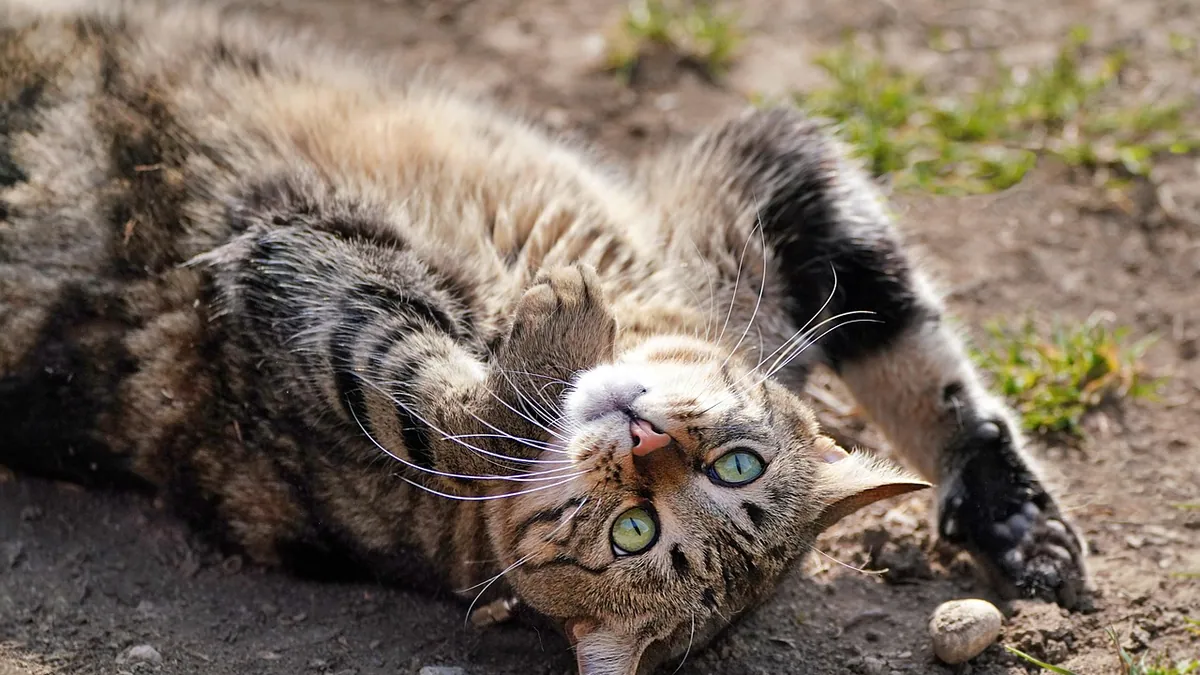
Is too much catnip harmful to cats? For most cats, no. Catnip is not a poison in the usual sense, and a cat that rolls in a big pile of it will typically just get silly, then lose interest. The ASPCA lists catnip as toxic to cats, but the expected problems are stomach upset, vomiting, and diarrhea, not life-threatening poisoning [1]. This article is educational and is not a substitute for veterinary diagnosis or treatment.
Quick Answer
- Catnip is generally safe in small amounts, and most cats stop reacting once they have had enough.
- The main signs of a catnip overdose are vomiting and diarrhea, which the ASPCA lists as the expected clinical signs [1].
- Some cats become sedated and others become stimulated by catnip, so a calm cat after catnip is normal [1].
- There is no published antidote or specific reversal agent for catnip, so treatment is supportive care if your cat gets sick.
- Call your veterinarian if vomiting or diarrhea is repeated, lasts more than a day, or comes with lethargy, drooling, or refusal to eat.
Why Cats React to Catnip at All
Catnip is a plant in the mint family, Nepeta cataria, and it is also called catswort or catmint [1]. The compound that triggers the response is nepetalactone, a volatile oil released from the leaves and stems [1]. When your cat sniffs or chews the plant, that compound reaches receptors in the nose and sets off a behavioral sequence that can look dramatic.
The classic response includes sniffing, licking, chewing, and rubbing [2]. Some cats also roll, kick, or vocalize. The reaction usually builds over a minute or two and fades within about ten to fifteen minutes. Many cats then ignore the catnip entirely for a while. That pause is normal and is one reason a cat rarely manages a true overdose.
Not every cat responds. The reaction is inherited, and a share of adult cats simply do not care about catnip at all. Kittens under a few months old often show no interest. If your cat ignores catnip, that is not a medical problem.
Catnip also has effects beyond cats. It repels mosquitoes and flies by activating an irritant receptor called TRPA1, and it does not activate the human version of that receptor [3]. That is why catnip does not irritate your nose the way it does an insect's. It also explains why catnip is being studied as a natural insect repellent [3].
What Counts as Too Much Catnip
There is no established toxic dose of catnip for cats in veterinary research. That means no one can tell you a specific number of grams or leaves that will make your cat sick. What matters is the total amount your cat eats, not how long it plays.
A cat that sniffs, rolls, and walks away has not had too much. A cat that eats a large amount of dried catnip, empties a toy, or chews through a bag is more likely to develop stomach upset. The ASPCA lists vomiting and diarrhea as the clinical signs associated with catnip [1]. Those signs come from the plant material irritating the stomach and intestines, not from a poison that damages organs.
Some cats become sedated after catnip and others become stimulated [1]. Both are expected. A cat that flops over and naps is not overdosing. A cat that races around the room is not overdosing either. Watch for the digestive signs instead.
If your cat vomits once after eating catnip and then acts normal, that is usually not an emergency. If vomiting repeats or your cat stops eating, that changes the picture.
Catnip Side Effects in Cats: What to Watch For
The most common catnip side effects in cats are vomiting and diarrhea [1]. These can appear within an hour or two of eating a large amount, or later the same day. Mild stomach upset often settles on its own once the plant material passes.
Other things you may see include drooling, lip licking, and a tucked belly. These are signs of nausea. Some cats get a little sleepy after the excited phase, which is normal [1].
More serious signs are uncommon but worth knowing. Repeated vomiting, watery diarrhea, blood in the stool, refusing food, hiding, or acting painful are reasons to call your veterinarian. These signs are not specific to catnip, so your vet will want to rule out other causes.
If your cat is vomiting often, it helps to know what is typical for hairballs versus something else. Our article on Cat Vomiting Hairballs: How Often Is Too Often? walks through that difference.
Is Catnip Safe Around Other Pets and People?
Catnip is not a danger to dogs in the same way it affects cats. Dogs generally do not respond to nepetalactone the way cats do. If a dog eats a large amount of catnip, it may have mild stomach upset, but this is not a common poisoning call.
For people, catnip is used as an herb and a tea. The compound that repels insects does not activate the human irritant receptor [3]. That does not mean you should let a child eat a bag of catnip, but casual contact is not a concern.
The bigger risk in a multi-pet home is the toy, not the herb. Catnip toys can be chewed open, and the stuffing or string inside can cause a blockage. Check toys for tears and throw away any that are coming apart.
Medical Causes to Rule Out
If your cat suddenly seems frantic, wobbly, or sick after catnip, catnip may not be the whole story. Cats hide illness well, and a bout of vomiting can be the first sign of something else.
Things your veterinarian may consider include:
- A stomach bug or dietary indiscretion from eating something else
- Intestinal parasites
- Pancreatitis or liver disease
- Kidney disease, especially in older cats
- An intestinal blockage from a toy, string, or plant material
- Toxicity from a different plant or household product
If you have other plants in the house, check them against a reliable list. Our guide to Plants Toxic To Cats can help you sort out what is safe and what is not.
Medication mistakes are another common cause of sudden vomiting or odd behavior. If your cat takes allergy medicine, our article on Cat Allergy Medication Overdose: Signs and Emergency Steps covers what to do.
When Catnip Use Becomes a Problem
Catnip is not addictive in the way drugs of abuse are. Cats do not crave it, and they do not go through withdrawal. Still, a few situations call for cutting back.
Your cat gets sick every time
If every session ends in vomiting or diarrhea, stop offering catnip. Some cats are simply sensitive to the plant material [1]. You can try a smaller pinch, or skip it entirely.
Your cat gets overstimulated or aggressive
A small number of cats become irritable instead of playful. If your cat hisses, swats, or bites after catnip, put the toy away and give your cat space. Do not pick up a cat that is in the middle of a catnip reaction.
Your cat eats the toy
This is the most common real hazard. Ingested fabric, string, or foam can cause a blockage that requires surgery. If you see your cat swallow part of a toy, call your veterinarian right away.
Your cat has a chronic illness
Cats with kidney disease, heart disease, or diabetes may be more sensitive to any change in routine or diet. Ask your veterinarian before adding catnip to the routine.
What to Do If Your Cat Ate Too Much Catnip
Step by step, here is a sensible plan.
- Remove the catnip. Take the bag, toy, or plant away from your cat.
- Check your cat's mouth. Look for string, foam, or fabric. Do not pull on anything that is stuck.
- Note the time and amount. Write down when your cat ate it and roughly how much. This helps your vet.
- Offer water. Fresh water is fine. Do not force your cat to drink.
- Watch for vomiting and diarrhea. One episode of vomiting in an otherwise bright cat is usually not an emergency.
- Withhold food for a short time only if your vet tells you to. Do not fast a cat without veterinary advice, especially a kitten or a cat on medication.
- Call your veterinarian if signs continue. Repeated vomiting, diarrhea, or a cat that will not eat needs a phone call.
If your cat is vomiting and you are not sure whether it is serious, call your veterinarian or a pet poison helpline. Have your cat's weight, age, and medication list ready.
What Not to Do
Do not punish your cat for reacting to catnip. The behavior is not misbehavior. It is a normal response to a plant compound, and punishment will only make your cat afraid of you.
Do not assume a cat that ignores catnip is sick. Many cats simply do not have the gene for the response.
Do not give catnip as a substitute for play, scratching posts, or climbing space. Enrichment should come from a mix of activities, not one herb.
Do not use catnip to calm a cat before a vet visit and expect it to change the exam. A study of healthy cats found that catnip and feline facial pheromone did not significantly change clinical or behavioral parameters during a cat friendly examination [4]. A calm, gentle handling approach is what makes the visit easier [4].
Do not give human catnip tea, tinctures, or essential oils to your cat. Essential oils can be toxic to cats, and the dose is not something you can guess. If you want to know more about what catnip does and does not do, our article on What Does Catnip Do To Cats goes deeper.
How to Offer Catnip Safely
A few simple habits keep catnip fun and low risk.
- Start small. A pinch of dried catnip is plenty for most cats.
- Use a toy with a sealed pouch instead of loose powder. This limits how much your cat can eat.
- Limit sessions. Once or twice a week is plenty for most cats.
- Rotate toys. Put catnip toys away between uses so the scent stays fresh.
- Inspect toys weekly. Throw away any toy with a tear, loose string, or exposed stuffing.
- Store catnip out of reach. A sealed container in a closed cabinet works well.
- Watch your cat. If your cat gets sick, stop and reassess.
If your cat loves the response but gets stomach upset, ask your veterinarian whether a different form, such as silver vine, might be a better fit. Silver vine products also trigger the catnip response in many cats, and a study of feral cats found significant differences in how long cats interacted with different plant products [2].
When to Call a Veterinarian or Behavior Professional
Call your veterinarian the same day if your cat has repeated vomiting, diarrhea more than twice, refuses food, seems painful, or is unusually quiet. Call right away if your cat swallowed a toy, string, or a large amount of plant material, or if your cat is having trouble breathing.
A certified behavior professional can help if your cat shows aggression, fear, or anxiety that catnip seems to trigger. Behavior problems are not caused by catnip itself, but catnip can unmask a cat that is already stressed.
Limitations and When to Contact a Veterinarian
Catnip is not well studied for toxicity in cats, so no safe upper limit has been established. The ASPCA lists vomiting and diarrhea as the expected signs [1]. That is the main thing to watch for.
Call your veterinarian the same day if:
- Your cat vomits more than once or vomits for more than a few hours
- Your cat has diarrhea that is watery, bloody, or lasts more than a day
- Your cat stops eating or drinking
- Your cat seems painful, hides, or cries when touched
- You are unsure how much catnip your cat ate
Go to an emergency clinic now if:
- Your cat is having trouble breathing
- Your cat is collapsing, seizing, or unresponsive
- Your cat swallowed a string, toy, or sharp object
- Your cat's gums are pale, blue, or white
For a routine visit, call your vet if your cat has had several episodes of stomach upset after catnip, or if you want help choosing safe enrichment options. Your veterinarian can examine your cat, check for other causes, and set a plan for your pet. Individual cases need a veterinarian who can see your cat.
Frequently Asked Questions
Can cats have too much catnip?
Yes, a cat can eat enough catnip to cause vomiting and diarrhea [1]. There is no established toxic dose, so the amount that causes problems varies by cat. Most cats self-limit and stop after a short session.
What are the signs of a catnip overdose in cats?
The main signs are vomiting and diarrhea [1]. Some cats also drool, lick their lips, or act sleepy after the excited phase [1]. Serious signs like collapse or breathing trouble are not typical for catnip alone and need urgent care.
How long does a catnip reaction last?
The behavioral response usually fades within ten to fifteen minutes. Stomach upset from eating catnip can last longer, sometimes several hours. If signs last more than a day, call your veterinarian.
Is catnip bad for cats long term?
There is no evidence that occasional catnip use causes long-term harm in healthy cats. The bigger risks are stomach upset from eating too much and swallowing toy parts. Keep sessions short and inspect toys often.
Should I use catnip to calm my cat before a vet visit?
Catnip is not a reliable calming aid for vet visits. A study of healthy cats found that catnip and feline facial pheromone did not significantly change clinical or behavioral parameters during a cat friendly exam [4]. A gentle handling approach is the better tool [4].
Related Articles
- Cat Allergy Medication Overdose: Signs and Emergency Steps
- Cat Vomiting Hairballs: How Often Is Too Often?
- What Does Catnip Do To Cats
- Cat Diabetes: How to Tell If Your Cat's Insulin Dose Is Too Low
- Plants Toxic To Cats
- Cat Poison Control
- Is Catnip Poisonous to Cats? Myths and Facts
- Cat Poisoning Signs: How to Tell and What to Do Fast
- Is Catnip Harmful to Pregnant Cats? Vet Answer
References
- Toxic and Non-toxic Plants: Catnip. ASPCA Animal Poison Control Center.
- Feral Cat Responses to Silver Vine: Implications for Feral Cat Management. Journal of chemical ecology, 2026.
- The irritant receptor TRPA1 mediates the mosquito repellent effect of catnip. Current biology : CB, 2021.
- Catnip (Nepeta cataria) and Feline Facial Pheromone Have No Effect on Clinical or Behavioral Parameters of Cats in Hospital Environment. Journal of applied animal welfare science : JAAWS, 2026.