Is Cat Poop Good Fertilizer? Composting Risks for Gardens
By Dr. Zubair Khalid, DVM, MS, PhD ·
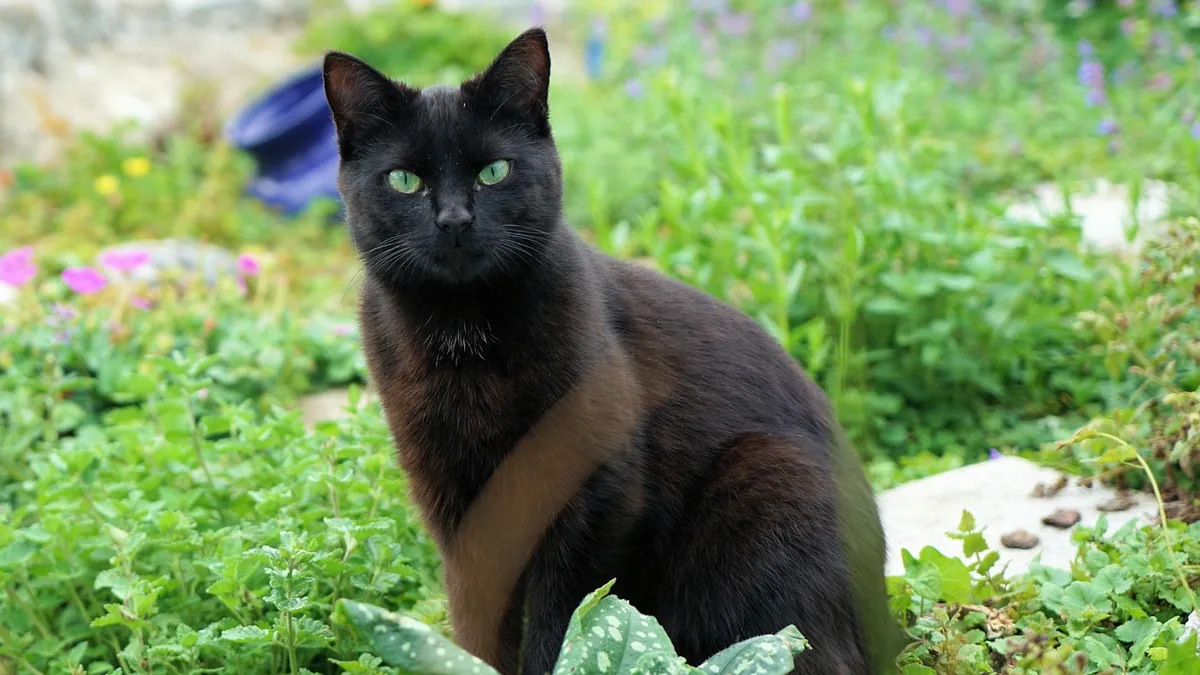
Cat poop is not good fertilizer for a home garden. It can carry parasites and bacteria that survive typical backyard composting, and it can contaminate the soil, the plants, and the people who eat them. If you are wondering whether cat poop fertilizer belongs in your compost bin, the short answer is no.
This article is educational and is not a substitute for veterinary diagnosis or treatment.
Quick Answer
- Do not put cat poop in your compost pile or garden beds. Home compost rarely reaches the temperatures needed to kill the parasites and bacteria in cat waste.
- Cat feces can spread Toxoplasma, roundworms, hookworms, and Salmonella to people, pets, and wildlife.
- Commercial composting rules exist for a reason. Killing tough organisms like parvovirus and Enterococcus requires sustained high heat, such as 55°C (131°F) for 72 hours or 60°C (140°F) for 48 hours [1][2].
- Cat manure does contain plant nutrients, but research shows it can also carry metals like zinc at levels above some compost quality limits [3].
- Use cat-safe, pet-safe alternatives instead, and keep your compost area fenced off from pets and wildlife [4].
Is Cat Poop Good Fertilizer? What the Risks Really Are
Cat poop does contain nitrogen and other nutrients that plants can use. That is why some gardeners ask about it. The problem is not the nutrient value. The problem is what else travels with it.
Cat waste is a biological material, and it can carry organisms that cause disease in people and animals. Composting is only reliable when it is done under controlled conditions that reach specific temperatures for specific amounts of time. Those conditions are not easy to hit in a backyard bin.
Parasites in Cat Poop
Toxoplasma gondii is one of the best known concerns. Cats can shed this parasite in their feces, and it can survive in soil for a long time. People can become infected by handling contaminated soil or eating unwashed produce grown in it. This is a serious concern for pregnant women, young children, and anyone with a weakened immune system.
Roundworms and hookworms are also common in cat feces. Their eggs and larvae can persist in soil and can infect other animals, including dogs and cats that dig or sniff around garden beds.
Bacteria in Cat Poop
Cat feces can carry Salmonella and other bacteria. These can cause vomiting, diarrhea, and fever in people and pets. If you spread cat waste on a vegetable garden, those bacteria can end up on the leaves of lettuce, spinach, or herbs that you eat raw.
Why Backyard Composting Usually Fails
A compost pile needs to get hot and stay hot to kill tough organisms. The composting methods evaluated for animal by-products required a minimum temperature of 55°C for 72 hours or 60°C for 48 hours, with a maximum particle size of 200 mm [1][2]. Those are industrial-style conditions. A typical backyard pile rarely reaches or holds those temperatures throughout the whole pile.
Even when a pile feels warm in the middle, the edges and top often stay cool. That means some of the waste may never get hot enough to be safe.
Cat Poop as Fertilizer: What the Nutrients and Metals Show
Cat manure does have real nutrient value for growing food crops [3]. That is the part that tempts gardeners. But nutrient value is only half the story.
A study that composted cat manure with spent coffee grounds found that the finished compost had significantly higher zinc than both soil and chicken manure compost, and the zinc level exceeded the maximum permissible limit set by the European Union Standard and the Malaysian Compost Quality Standard [3]. Heavy metals like zinc can build up in soil over time and can be taken up by plants.
So even if you could kill all the pathogens, you would still be adding a material that may carry metals at levels above recognized compost quality limits [3]. That is another reason cat waste is a poor choice for a food garden.
Is Cat Poop Toxic to Pets and People?
Cat poop itself is not a classic poison like fertilizer products can be. The danger is infectious, not toxic in the chemical sense. That distinction matters because the precautions are different.
Fertilizers, by contrast, can be genuinely toxic to pets. Potash, a mixture of potassium compounds, is common in fertilizers, and high exposure can cause gastrointestinal distress, organ damage, and even death [5]. If your cat or dog gets into a bag of fertilizer, that is a poison emergency, not a parasite concern.
Compost bins themselves can also be a hazard. Compost should not contain dairy or meat products, and it should always be fenced off for the sake of your pets and wildlife [4]. A curious cat or dog who raids a compost pile can get sick from spoiled or moldy contents.
The Toxic Principle and What It Does in the Body
For fertilizer products, the toxic principle is often the mineral salts, including potassium compounds like potash [5]. When pets are exposed to high levels, they can develop gastrointestinal upset, organ damage, and in severe cases death [5].
For cat feces, the "active" problem is infectious organisms. Toxoplasma, roundworms, hookworms, and Salmonella do not poison the body. They infect it. The signs depend on which organism is involved and where it goes in the body.
Signs and Their Typical Timeline
Signs from fertilizer exposure can appear within hours of ingestion. Watch for vomiting, diarrhea, drooling, lethargy, tremors, or collapse [5]. These can worsen quickly, so treat any suspected fertilizer ingestion as urgent.
Signs from parasite or bacterial exposure are slower and more variable. They may take days to weeks to show up, and some infections cause no obvious signs at all. Possible signs include diarrhea, vomiting, weight loss, coughing, or eye and neurological problems.
Because the timeline is unpredictable, do not wait for symptoms if you know your pet ate cat waste or fertilizer. Call for guidance right away.
What to Do Right Now
If your pet ate fertilizer, cat feces, or compost, take these steps.
- Move your pet away from the material and remove any leftovers from the mouth if you can do so safely.
- Call your veterinarian, the ASPCA Animal Poison Control Center at (888) 426-4435, or Pet Poison Helpline at (855) 764-7661.
- Do not induce vomiting unless a veterinarian tells you to. Making a pet vomit can cause harm if the material is caustic or if the pet is already weak.
- Save a sample or a photo of what your pet ate, plus the package if there is one. This helps the veterinarian plan treatment.
- Follow the instructions you are given, even if your pet seems fine at first.
If you suspect potash toxicity or see signs of poisoning, contact your veterinarian and Pet Poison Helpline at (855) 764-7661 right away for medical help, and take your pet to a veterinary clinic for immediate treatment [5].
Veterinary Treatment
Treatment depends on what your pet ate and how sick they are.
For fertilizer poisoning, your veterinarian may induce vomiting and give activated charcoal to bind the toxins. Your pet may receive IV fluids to correct dehydration and electrolyte imbalances. The specific treatment depends on the severity of the poisoning and the signs your pet is showing [5].
For parasite or bacterial exposure, treatment may include deworming medication, antibiotics, or supportive care. Your veterinarian will decide based on your pet's history, exam findings, and any lab tests.
Never give your pet human medications or leftover pet medications without veterinary guidance. The dose and the drug choice depend on your pet's weight, species, and health status.
Outlook
The outlook is usually good when exposure is caught early and treated promptly. Pets who receive quick veterinary care for fertilizer poisoning often recover, though severe cases can be life threatening [5].
For parasite infections, most pets do well with appropriate treatment. The bigger risk is leaving an infection untreated, especially in kittens, senior cats, or pets with other health problems.
If your cat has trouble passing stool or seems uncomfortable in the litter box, that is a separate issue worth checking. See Cat Straining to Poop: Constipation or Something Worse? for guidance.
Prevention and Safer Alternatives
The safest approach is simple. Keep cat waste out of your compost and garden, and use materials that are safe for pets and people.
Safer Compost Materials
Fruit and vegetable scraps, coffee grounds, grass clippings, and dry leaves are good choices. Banana peel compost has been shown to support the growth and yield of leafy greens like Swiss chard, so you do not need cat waste to get good results [6].
Do not add dairy or meat products to your compost, and fence the bin off from pets and wildlife [4]. That single step prevents a lot of problems.
Safer Fertilizer Choices
If you want to feed your garden, choose commercial compost or fertilizers labeled for food gardens. Store all fertilizer products out of reach, because potash-containing products can be dangerous to pets [5].
If you keep houseplants, check that they are safe for your cat. See Non Toxic To Cats Houseplants and Houseplants Toxic For Cats With Pictures for help choosing plants.
Litter Box and Garden Hygiene
Scoop the litter box daily and dispose of waste in sealed trash, not in the yard or compost. Wash your hands after handling litter or soil. Wear gloves when gardening, especially if you are pregnant or immunocompromised.
Keep cats out of vegetable beds. A covered sandbox or a dedicated digging area can redirect them. For more on litter and waste handling, see Cat Litter.
Limitations and When to Contact a Veterinarian
This article covers general information only. Your pet's individual case needs a veterinarian who can examine them and run any needed tests.
Contact your veterinarian the same day if your pet ate cat waste or compost and has mild vomiting, diarrhea, or lethargy. A same-day visit is also wise if you are unsure how much was eaten.
Go to an emergency clinic now if your pet has repeated vomiting, bloody diarrhea, tremors, collapse, difficulty breathing, or seizures. These signs can worsen fast.
Schedule a routine visit if your pet has ongoing soft stool, weight loss, or you have concerns about parasites. Bring a fresh stool sample if you can.
Frequently Asked Questions
Can I compost cat poop if I let the pile get hot?
No, home compost piles rarely reach and hold the temperatures needed to kill tough organisms. Controlled composting methods require sustained heat, such as 55°C for 72 hours or 60°C for 48 hours, which backyard bins usually cannot achieve [1][2].
Does cat poop have nutrients that plants need?
Yes, cat manure does contain nutrients that can support plant growth [3]. The problem is that it also carries parasites, bacteria, and metals that can contaminate soil and food crops [3].
Can my dog get sick from eating cat poop?
Yes, dogs can pick up parasites and bacteria from cat feces. Keep your dog away from the litter box and from any area where cat waste has been spread.
Is it safe to use cat litter as fertilizer?
No, cat litter is not a fertilizer and should not be spread in gardens. Used litter contains waste, and some litters can clump or hold moisture in ways that harm soil and plants.
What should I do if my cat walks through fertilizer?
Wash your cat's paws with mild soap and water, and keep them from grooming until the paws are clean. Call your veterinarian or a poison control line if your cat licked the fertilizer or seems unwell.
Related Articles
- Cat Litter
- Non Toxic To Cats Houseplants
- Houseplants Toxic To Cats Reddit
- Cat Straining to Poop: Constipation or Something Worse?
- Houseplants Toxic For Cats With Pictures
- What Plants And Flowers Are Toxic To Cats
- Is Cat Poop Toxic? Risks to People, Dogs, and Gardens
- Cat Pooping in the Garden: Risks and How to Stop It
- Cat Poop Deterrents: How to Stop Cats Pooping in Your Yard
- Toxoplasma gondii in Cats: Zoonotic Risk from Litter Box Exposure
References
- Evaluation of Alternative Methods of Tunnel Composting (submitted by the European Composting Network). EFSA journal. European Food Safety Authority, 2020.
- Evaluation of alternative methods of tunnel composting (submitted by the European Composting Network) II. EFSA journal. European Food Safety Authority, 2024.
- Growth and metal uptake of spinach with application of co-compost of cat manure and spent coffee ground. Heliyon, 2020.
- Compost Bins Can Be Toxic To Pets. Pet Poison Helpline.
- Fertilizer Toxicity in Pets. Pet Poison Helpline.
- Effects of banana peel compost rates on Swiss chard growth performance and yield in Shirka district, Oromia, Ethiopia. Heliyon, 2022.