Cat Pooping in the Garden: Risks and How to Stop It
By Dr. Zubair Khalid, DVM, MS, PhD ·
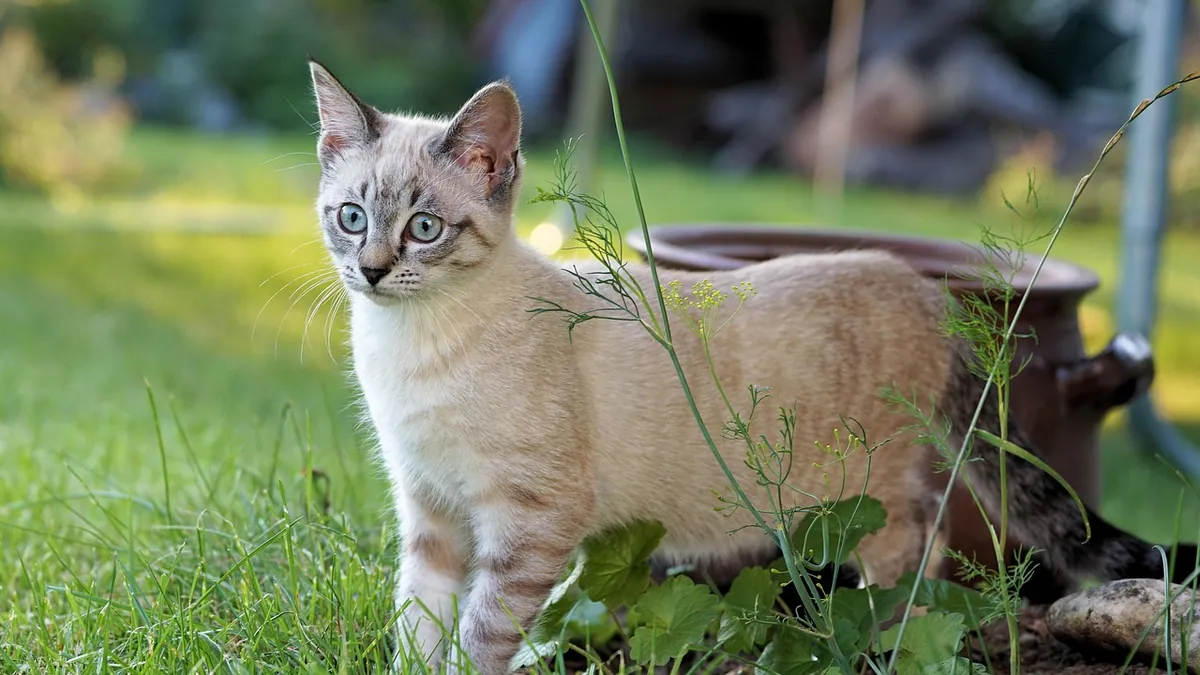
Cat poop in garden soil is not harmless fertilizer. It can carry parasites that infect people, and it signals that your cat has chosen an outdoor spot over the litter box. The good news is that most cats can be redirected with simple changes to the box, the yard, and your cat's daily routine.
This article is educational and is not a substitute for veterinary diagnosis or treatment.
Quick Answer
- Cat feces can spread roundworms, hookworms, Giardia, and Toxoplasma, and outdoor access raises that risk sharply [1][2].
- Never use cat feces as compost or fertilizer in a vegetable garden, and wear gloves when you clean beds.
- Most outdoor pooping is a litter box problem, not a behavior problem, so fix the box first.
- Scoop at least once daily, keep one box per cat plus one, and place boxes away from noisy appliances.
- If your cat strains, cries, or goes days without a bowel movement, call your veterinarian the same day [3].
Why Cats Poop in the Garden
Normal, Non-Medical Reasons
Cats are clean animals with strong preferences. When a box is dirty, too small, or in a busy hallway, many cats look for a quieter spot. Loose garden soil is soft, easy to dig, and private. To a cat, a freshly turned garden bed looks like a giant litter box.
Territory also matters. Outdoor cats mark and deposit feces in areas they patrol. An indoor cat with a view of neighborhood cats through a window may feel pressure to claim outdoor space if it has access to it.
Age and mobility play a role too. An older cat with arthritis may struggle to climb into a high-sided box. A kitten may not have fully learned box habits. Both situations push cats toward easier ground.
What Changed Recently?
Think about the last month. New furniture, a new pet, a move, or a new baby can all disrupt routines. A box moved to the basement, a switch to scented litter, or a covered box that traps odor can send a cat searching for alternatives. Cats notice small changes that people overlook.
Medical Causes to Rule Out First
Before you assume this is behavioral, have your cat examined. Several medical problems cause cats to poop outside the box or to change where they go.
Constipation and pain are common drivers. A cat that associates the box with discomfort may avoid it. Cats with chronic kidney disease defecate less often than healthy cats, with significantly more days without a bowel movement over 14, 21, and 30 day periods [3]. That pattern can lead to straining, discomfort, and accidents outside the box.
Intestinal parasites are another possibility. In a study of free-roaming cats in New York City, 57.5% carried at least one parasite species, with Toxocara (roundworm) found in 54% and Ancylostoma (hookworm) in 13.8% [1]. Giardia appeared in 11.6% of tested cats [1]. These infections can cause diarrhea, urgency, and sudden accidents. A separate study of domestic and stray cats found Toxocara in 25% of samples by microscopy and 32% by PCR, with kittens infected more often than adults [4].
Arthritis, inflammatory bowel disease, anal sac problems, and neurologic conditions can also change defecation habits. Your veterinarian can sort these out with an exam, fecal testing, and bloodwork.
If your cat is straining without producing stool, read Cat Straining to Poop but Nothing Comes Out: Emergency or Not?. If you see mucus, see Cat Straining to Poop but Only Passing Mucus: Causes and Care.
Is Cat Poop Bad for Gardens?
Yes. Cat feces in a garden bed create real health risks, especially for children, pregnant people, and anyone who gardens barefoot or with bare hands.
Parasites That Matter
Roundworms (Toxocara cati) and hookworms (Ancylostoma) are the most common findings in cat feces [1][5]. Roundworm eggs are extremely hardy. They can survive in soil for months to years, and they are not killed by typical composting temperatures. People who swallow contaminated soil, or eat unwashed vegetables grown in it, can develop visceral or ocular larva migrans, which means worm larvae migrating through tissues or the eye.
Toxoplasma gondii is another concern. It is especially dangerous during pregnancy and for people with weakened immune systems. Cats shed Toxoplasma eggs in feces for a short window after infection, but those eggs become infectious in soil after a day or two and persist for a long time.
Giardia and Cryptosporidium can also be present [1]. These cause diarrhea in people and spread easily through contaminated soil and water.
Why Outdoor Access Raises the Risk
A global synthesis of 174,064 cats across 88 countries found that owned cats with unsupervised outdoor access were 3 to 5 times more likely to carry zoonotic pathogens than indoor-only cats [2]. Ownership alone did not protect cats once they roamed freely [2]. That finding matters for your garden, your family, and your cat.
Safe Garden Practices
- Wear gloves when gardening and wash hands afterward.
- Keep children's sandboxes covered when not in use.
- Wash all produce thoroughly, and cook vegetables from beds where cats defecate.
- Do not add cat feces to compost.
- Remove feces promptly, ideally daily, before parasite eggs become infectious.
- Cover bare soil with mulch, gravel, or a physical barrier to make digging less appealing.
How to Stop Cat Poop in the Garden Step by Step
Step 1: Fix the Litter Box Setup
Most indoor accidents improve when the box meets basic standards.
- Provide one box per cat plus one extra.
- Choose large, uncovered boxes. Most cats prefer them.
- Use unscented, clumping litter with a fine texture.
- Scoop at least once daily and do a full litter change weekly.
- Place boxes in quiet spots with more than one exit route.
- Avoid placing boxes next to noisy washers, dryers, or furnaces.
If your cat has been avoiding the box for a while, read Why Is My Cat Pooping Outside the Litter Box? Causes and Solutions for a deeper troubleshooting guide.
Step 2: Make the Garden Less Attractive
Cats dig in soft, bare soil. Change the surface.
- Lay down mulch, pine cones, or river rock over bare beds.
- Use lightweight row covers or wire mesh laid flat over soil.
- Install motion-activated sprinklers at bed edges.
- Plant strong-scented herbs like lavender or rue along borders. Cats often avoid these.
- Remove food sources. Bird feeders and outdoor pet food draw cats in.
Ultrasonic repellents have mixed results and can bother pets and wildlife. Physical barriers work more reliably.
Step 3: Add Indoor Enrichment
Boredom and stress push cats toward unwanted habits. Give your cat outlets at home.
- Offer vertical space with cat trees and shelves.
- Schedule two short play sessions daily with wand toys.
- Use puzzle feeders to make meals last longer.
- Provide a window perch with a view, but block sightlines to neighborhood cats if your cat reacts.
- Keep a predictable daily routine for feeding, play, and litter care.
Step 4: Manage Stress and Multi-Cat Tension
In homes with several cats, resource guarding can push one cat away from the box. Add separate feeding stations, water bowls, and resting spots. Use pheromone diffusers if your veterinarian recommends them. If tension is severe, a certified behavior professional can help you build a plan.
Step 5: Keep Cats Indoors or Supervised
The most effective way to stop cat poop in the garden is to keep your cat inside or supervise outdoor time on a harness and leash or in a catio. This also lowers parasite exposure for your cat [2]. If your cat currently roams, transition gradually with more indoor play, window time, and vertical space.
What Not to Do
Do Not Punish Your Cat
Never rub your cat's nose in feces, yell, or use a spray bottle. Punishment does not teach cats where to go. It teaches them to fear you and to eliminate in secret places you cannot see. That makes the problem harder to solve.
Do Not Use Harsh Repellents
Do not spread mothballs, bleach, or essential oils in garden beds. Many of these are toxic to cats, dogs, and children. If you use a commercial repellent, check the label and confirm it is safe for pets.
Do Not Assume It Is Just Behavior
Pain, parasites, and constipation are common causes. Skipping the veterinary visit means you may miss a treatable medical problem.
Do Not Rely on Myths
Garlic, cayenne, and coffee grounds do not reliably keep cats out of gardens, and some of these can harm pets. There is no well established home remedy that replaces a clean box and a physical barrier.
When to Involve a Veterinarian or Behavior Professional
Call your veterinarian if your cat has not defecated in 24 to 48 hours, strains without producing stool, cries while posturing, or has blood or mucus in the stool. These signs can point to constipation or obstruction, which need prompt care.
Schedule a routine visit if the behavior is new, if your cat is older and less mobile, or if you have tried box changes for two to three weeks without improvement. Bring a fresh fecal sample if you can.
Ask for a referral to a certified behavior professional if your veterinarian finds no medical cause and the behavior continues. Look for someone with credentials in veterinary behavior or applied animal behavior. They can assess your home setup and build a step by step plan.
If your cat is also urinating outside the box, see Cat Peeing Outside Box. If the behavior involves spraying on walls or furniture, read Cat Spraying in the House: How to Stop It.
Limitations and When to Contact a Veterinarian
This article covers common patterns, but every cat is different. Your veterinarian needs to examine your cat to know what is happening.
Contact your veterinarian the same day if your cat:
- Has not defecated in 24 to 48 hours
- Strains for several minutes with little or no stool
- Cries or vocalizes while trying to poop
- Has a swollen, painful abdomen
- Has repeated vomiting with no stool
Go to an emergency clinic now if your cat:
- Collapses or seems weak
- Breathes with an open mouth
- Has a distended, hard abdomen with severe pain
- Passes large amounts of blood
Schedule a routine visit within a week if your cat:
- Has soft stool or diarrhea for more than two days
- Has visible worms or rice-like segments in stool
- Is losing weight
- Has new accidents after years of good box habits
Frequently Asked Questions
Can I get sick from my cat's poop in the garden?
Yes. Cat feces can carry roundworms, hookworms, Giardia, Cryptosporidium, and Toxoplasma, and these can infect people who contact contaminated soil [1]. Children, pregnant people, and people with weakened immune systems face the highest risk. Wear gloves, wash your hands, and keep soil covered.
Does cat poop make good fertilizer?
No. Cat feces are not a safe fertilizer, and they should never go in compost. Parasite eggs can survive composting and remain infectious in soil. Use commercial compost or manure from herbivores instead.
How do I keep neighborhood cats out of my garden beds?
Cover bare soil with mulch, rock, or wire mesh, and use motion-activated sprinklers. Remove food sources like bird seed and outdoor pet food. Physical barriers work better than scent repellents, which have inconsistent results.
Will my cat stop pooping outside if I add another litter box?
Often, yes. Many cats avoid boxes that are dirty, small, covered, or in busy areas. Adding a large, uncovered box in a quiet spot and scooping daily solves a large share of cases. If nothing changes in two to three weeks, see your veterinarian.
Is it safe to eat vegetables from a bed where a cat pooped?
It can be safe if you wash produce thoroughly and cook it, but the risk is not zero. Root vegetables and leafy greens grown in direct contact with contaminated soil carry the most concern. Wash with running water, peel when possible, and cook vegetables from affected beds.
Related Articles
- Why Is My Cat Pooping Outside the Litter Box? Causes and Solutions
- Cat Spraying in the House: How to Stop It
- Cat Peeing Outside Box
- Cat Straining to Poop but Nothing Comes Out: Emergency or Not?
- Cat Straining to Poop but Only Passing Mucus: Causes and Care
- Why Is My Cat vomiting after eating grass? Normal Behavior vs GI Disease
- Cat Poop Deterrents: How to Stop Cats Pooping in Your Yard
- Is Cat Poop Toxic? Risks to People, Dogs, and Gardens
- How to Stop Your Cat Pooping Outside the Litter Box
- Toxoplasmosis in Cats: Zoonotic Risk, Fecal Shedding, and Prevention
- Toxoplasmosis in Cats: Risks to Pregnancy and Prevention
References
- Zoonotic endoparasites and Toxoplasma gondii seropositivity in free-roaming cats (Felis catus) from New York City boroughs. PloS one, 2026.
- Outdoor roaming of owned cats elevates risk of zoonotic pathogen exposure: A global synthesis. PLoS pathogens, 2026.
- Quantification of defecation frequency in cats with and without chronic kidney disease. Journal of feline medicine and surgery, 2025.
- Microscopic and molecular identification of Toxocara cati in domestic and stray cats in Al Diwaniyah Province, Iraq. Open veterinary journal, 2026.
- Comparison of coproparasitological diagnoses in cats: evaluation of techniques and their combinations. The Journal of small animal practice, 2026.