Cat Poop vs Dog Poop: Is Cat Poop Bad for Dogs?
By Dr. Zubair Khalid, DVM, MS, PhD ·
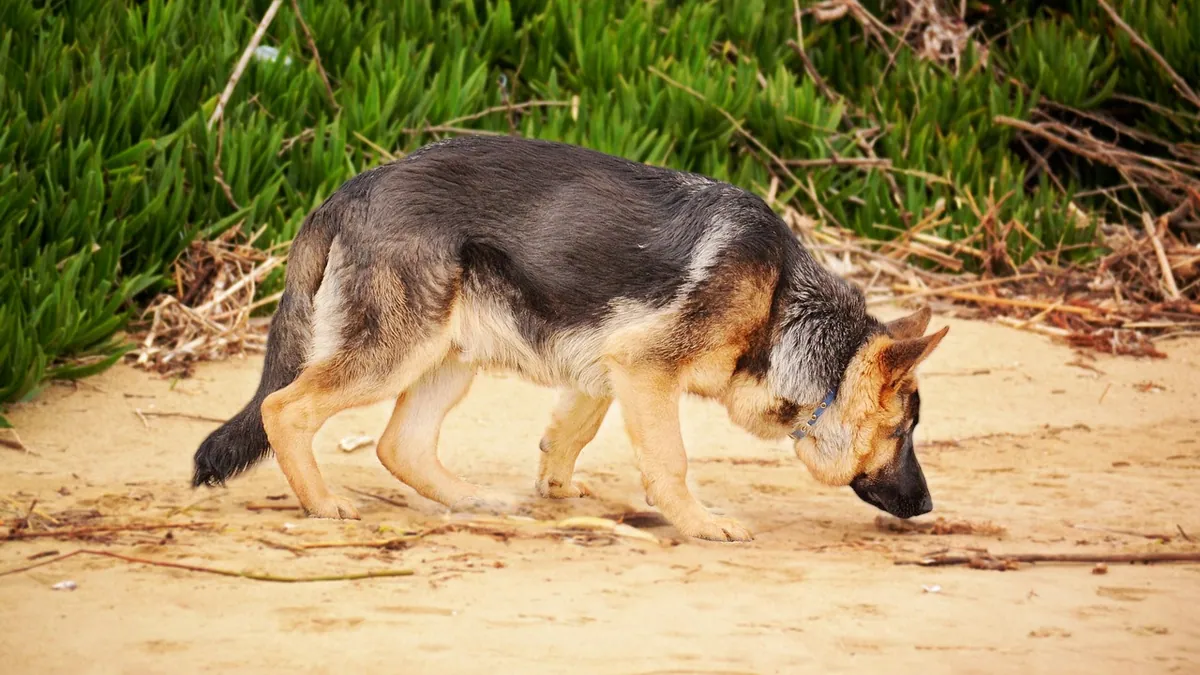
Dogs eat cat poop often, and in most cases a single snack will not seriously harm your dog. The bigger concerns are parasites and bacteria that cats shed in their stool, plus the chance that your dog picks up an infection from a litter box. So is cat poop bad for dogs? It can be, mostly because of what lives inside it, not because the poop itself is poison.
This article is educational and is not a substitute for veterinary diagnosis or treatment.
Quick Answer
- Cat poop is not toxic in the classic poison sense, but it can carry parasites such as Toxoplasma gondii and Giardia duodenalis, plus bacteria that may spread to dogs and people [1][2].
- Cats are the definitive host for Toxoplasma gondii, which means cat feces can contain the infectious stage of this parasite [1].
- Dogs that eat cat poop may show stomach upset, diarrhea, or weight loss, or they may show no signs at all.
- Call your veterinarian or a poison hotline if your dog ate cat poop and seems sick, and never induce vomiting unless a veterinarian tells you to.
- The most reliable fix is blocking access to the litter box and giving your dog more exercise and enrichment.
Is Cat Poop Bad for Dogs? The Short Answer
Cat poop and dog poop are both waste, but they are not the same waste. The gut microbiome of cats and dogs differs in the types and amounts of bacteria present, even though both species share common bacterial groups such as Firmicutes, Proteobacteria, Actinobacteria, and Bacteroidetes [3]. That difference matters less than the parasites and bacteria that can pass from cat stool to a dog.
Cats can carry Toxoplasma gondii, a parasite for which cats are the definitive host [1]. Dogs can also be exposed to this parasite, and studies have found antibodies against it in dogs, including free-roaming dogs used as sentinels for the spread of toxoplasmosis [1][4]. A dog that eats cat poop containing the parasite may become infected, though many exposures do not lead to obvious illness.
Intestinal parasites are another concern. A large laboratory study of fecal samples from dogs and cats found zoonotic parasites such as Giardia duodenalis, Cryptosporidium species, and Toxocara species in both species [2]. These are the kinds of organisms that can move from cat stool to a dog's mouth and gut.
So cat poop is not a poison, but it is a potential source of infection. The risk depends on whether the cat is infected, how fresh the stool is, and how much your dog eats.
Cat Poop vs Dog Poop: What Is Different?
When owners compare cat poop vs dog poop, the main difference is not appearance or smell. It is the parasite and bacteria profile.
Cats are the only definitive host for Toxoplasma gondii, meaning the parasite reproduces sexually in cats and sheds infectious eggs (oocysts) in their feces [1]. Dogs are not a definitive host for this parasite, so dog poop does not spread toxoplasmosis the same way cat poop can [1]. Dogs are the definitive host for Neospora caninum, a related parasite that mainly affects cattle reproduction, not a typical risk from dog poop to cats [1].
Bacterial populations also differ. One study of pet dogs and cats found that cats had slightly higher microbial richness and diversity in their feces, while both species shared several major bacterial phyla [3]. This does not mean cat poop is more dangerous in general. It means the two species carry somewhat different gut communities.
For small dogs, the size difference can matter. A small dog that eats a large amount of cat poop may get a bigger dose of parasites or bacteria relative to its body weight. That is one reason cat poop vs small dog poop comparisons are not really about the poop itself. They are about how much a small dog might ingest and how vulnerable it is.
If your dog also eats cat food or cat litter, those habits often go together. You can read more about why cat food is bad for dogs and whether dogs eat cat litter to understand the full picture.
What Is in Cat Poop That Can Hurt a Dog?
Cat poop can contain several things that may harm a dog.
Parasites
Toxoplasma gondii is the best known. Cats shed the infectious oocysts in their feces, and a dog that eats contaminated stool can be exposed [1]. Giardia duodenalis and Cryptosporidium species are common intestinal parasites found in both dogs and cats, and they can cause diarrhea [2]. Toxocara species, also called roundworms, can be present in cat and dog stool and are considered zoonotic [2].
Bacteria
Cat and dog feces can harbor bacteria with zoonotic potential, meaning they can spread to people [3]. One example is Capnocytophaga canimorsus, a bacterium found in the normal oral flora of dogs and cats that can cause serious infections, usually through saliva contact such as a bite [5]. This bacterium is not a typical poop-borne risk, but it shows how closely pets and their microbes live with us.
Other risks
If your cat is on medication, some drug residue can pass into the stool, but this is not a common cause of poisoning in dogs. The bigger everyday risk is infection and stomach upset.
What Happens in the Body After a Dog Eats Cat Poop?
Once swallowed, cat poop travels through the dog's stomach and intestines. Parasite eggs or oocysts can hatch or become active in the gut. Giardia and Cryptosporidium can attach to the intestinal lining and cause inflammation, which leads to diarrhea [2]. Toxoplasma can move beyond the gut in some cases, though many infections are mild or silent [1].
Bacteria from the stool can also disturb the normal gut balance. The dog's own microbiome may shift, and that can lead to loose stool or vomiting. In most healthy adult dogs, the immune system handles a small exposure without a problem. Puppies, senior dogs, and dogs with weakened immunity are more likely to get sick.
Signs Your Dog Ate Cat Poop and Is Having a Problem
Signs can appear within hours to a few days after exposure. The timeline depends on the organism.
- Diarrhea, sometimes with mucus or blood
- Vomiting
- Loss of appetite
- Tiredness or low energy
- Weight loss over days to weeks
- Bloated or painful belly
Some dogs show no signs at all. That is common with a single small ingestion. If your dog has chronic diarrhea, weight loss, or repeated vomiting, a veterinarian may want to test a stool sample for parasites such as Giardia, Cryptosporidium, or Toxocara [2].
What to Do Right Now
If your dog just ate cat poop and seems fine, you can watch it closely for the next 24 to 48 hours. Offer fresh water and normal meals. Do not punish the dog. It will not understand and may make the habit harder to manage.
If your dog seems sick, call your veterinarian right away. You can also contact the ASPCA Animal Poison Control Center at (888) 426-4435 or Pet Poison Helpline at (855) 764-7661. These services can help you decide whether the exposure needs treatment.
Do not induce vomiting unless a veterinarian tells you to. Cat poop is not a poison that needs to come back up, and forcing vomiting can cause harm.
If your dog ate a large amount of cat litter along with the poop, that is a different problem. Litter can clump in the stomach and cause a blockage. Call your veterinarian or a poison hotline in that case.
How Veterinarians Treat a Dog That Ate Cat Poop
Treatment depends on the signs and the cause.
If the dog has mild stomach upset, the veterinarian may recommend a bland diet, fluids, and monitoring at home. If parasites are found on a stool test, the veterinarian will prescribe the right medication. The dose is calculated from your dog's weight and health, so never use a leftover dewormer from a previous pet.
If the dog is dehydrated from diarrhea or vomiting, the clinic may give fluids under the skin or into a vein. If a bacterial infection is suspected, antibiotics may be used, but only when needed. Capnocytophaga infections, for example, can be serious and may require specific antibiotics, and antimicrobial resistance is a growing concern [5].
If the dog swallowed a large amount of clumping litter, the veterinarian may take X-rays and treat for a possible obstruction. That could mean surgery in severe cases.
Outlook for Dogs That Eat Cat Poop
Most dogs that eat a small amount of cat poop recover fully with no treatment. The body handles the exposure, and the stool passes through.
Dogs with parasite infections often improve quickly once the correct medication is started. Giardia and Cryptosporidium can be stubborn, so repeat testing may be needed [2]. Toxoplasma infections in dogs are often mild, but they can be more serious in dogs with weak immune systems [1].
The long-term outlook is good when the underlying cause is treated and the dog is kept away from the litter box. If the habit continues, the risk of repeat exposure stays high.
How to Stop Your Dog From Eating Cat Poop
Stopping the habit takes management and training, not punishment.
Block access
Put the litter box behind a baby gate, in a room with a cat door, or in a covered box with a small entrance. Scoop the box at least once or twice a day. The less stool available, the less your dog can eat.
Give your dog more exercise and enrichment
Bored dogs scavenge. Add walks, puzzle toys, and training sessions. A tired dog is less likely to hunt for snacks in the litter box.
Change the litter box setup
Some dogs eat clumps of litter along with the poop. A covered box or a top-entry box can make access harder. If your dog is persistent, you can read more about why dogs eat cat litter.
Talk to your veterinarian
If your dog eats poop often, there may be a medical or behavioral reason. Your veterinarian can check for parasites, digestive problems, and nutritional gaps. You can also read why does my dog eat poop for a deeper look at this behavior.
Keep your cat healthy
Regular veterinary care and parasite prevention for your cat lower the chance that its stool carries infectious organisms [2]. A healthy cat with a clean litter box is a safer cat for everyone in the house.
Consider diet and feeding changes
Some dogs eat cat poop because cat food is richer in protein and fat. If your dog is always hungry, ask your veterinarian whether a diet change or a feeding schedule adjustment could help. You can also read can dogs eat cat food to understand what cat food does to a dog's body.
Limitations and When to Contact a Veterinarian
This article cannot cover every case. Individual dogs need a veterinarian who can examine them, run tests, and prescribe treatment.
Call your veterinarian the same day if your dog has repeated vomiting, diarrhea lasting more than 24 hours, blood in the stool, or seems painful in the belly.
Go to an emergency clinic now if your dog is weak, collapsing, having trouble breathing, or has a swollen, hard abdomen. These can be signs of a serious infection or a blockage from litter.
Schedule a routine visit if your dog eats cat poop often, has lost weight, or has soft stool for more than a few days. A stool test can find parasites such as Giardia, Cryptosporidium, or Toxocara [2].
If your dog was bitten by a cat or had saliva contact with a wound, watch for swelling, redness, or fever. Capnocytophaga canimorsus can cause serious infections from saliva contact, and it needs prompt veterinary care [5].
Frequently Asked Questions
Can my dog get sick from eating cat poop?
Yes, a dog can get sick from eating cat poop, mainly from parasites and bacteria in the stool. Most healthy adult dogs handle a small amount without signs, but puppies, senior dogs, and dogs with weak immunity are at higher risk.
Can dogs get toxoplasmosis from cat poop?
Dogs can be exposed to Toxoplasma gondii from cat feces because cats are the definitive host and shed the parasite in their stool [1]. Many infections are mild or silent, but a veterinarian can test and treat if your dog shows signs.
Is cat poop worse than dog poop for dogs?
Cat poop is not automatically worse, but it can carry Toxoplasma gondii, which dog poop does not spread in the same way [1]. Both cat and dog stool can carry intestinal parasites such as Giardia and Cryptosporidium [2].
Why does my dog eat cat poop?
Dogs eat cat poop for many reasons, including hunger, boredom, and the rich smell of cat food in the stool. Some dogs also have a habit of eating stool in general. Your veterinarian can help rule out medical causes and suggest behavior changes.
Can I get sick from my dog eating cat poop?
You can be exposed to the same parasites and bacteria if you handle contaminated stool or a sick dog without washing your hands. Wash your hands after cleaning the litter box or picking up dog waste, and keep young children away from pet feces.
Related Articles
- Why Cat Food Is Bad For Dogs
- Cat Straining to Poop: Constipation or Something Worse?
- Do Dogs Eat Cat Litter
- Why Does My Dog Eat Poop?
- Can Dogs Eat Cat Food
- Cat Straining to Poop but Only Passing Mucus: Causes and Care
- Is Cat Poop Toxic? Risks to People, Dogs, and Gardens
- How to Stop Your Dog from Eating Cat Poop and Food
- Is Cat Litter Toxic to Dogs? Silica Gel and Clumping Risks
- Intestinal Parasites in Dogs and Cats: Zoonotic Potential and Public Health Considerations
- Toxoplasmosis in Cats: Fecal Shedding, Zoonotic Risk, and One Health Implications
References
- Occurrence of Toxoplasma gondii and Neospora caninum Antibodies in Pet Cats and Dogs in Pathum Thani, Thailand. Tropical medicine and infectious disease, 2026.
- Intestinal parasite prevalences in dogs and cats: a decade of retrospective data from a reference veterinary laboratory in Madrid, Spain. Parasites & vectors, 2025.
- Comparative 16S rRNA Gene Amplicon Sequencing of the Fecal Microbiome in Pet Dogs and Cats of Different Breeds in Dhaka City, Bangladesh: With Preliminary Insights Into Zoonotic Relevance. International journal of microbiology, 2026.
- One Health dynamics: toxoplasmosis in free-roaming (semi-domiciled and stray) dogs and reported human cases over time. Scientific reports, 2026.
- Capnocytophaga canimorsus in the oral cavity of dogs and cats. Klinicka mikrobiologie a infekcni lekarstvi, 2025.