Cat Poop Deterrents: How to Stop Cats Pooping in Your Yard
By Dr. Zubair Khalid, DVM, MS, PhD ·
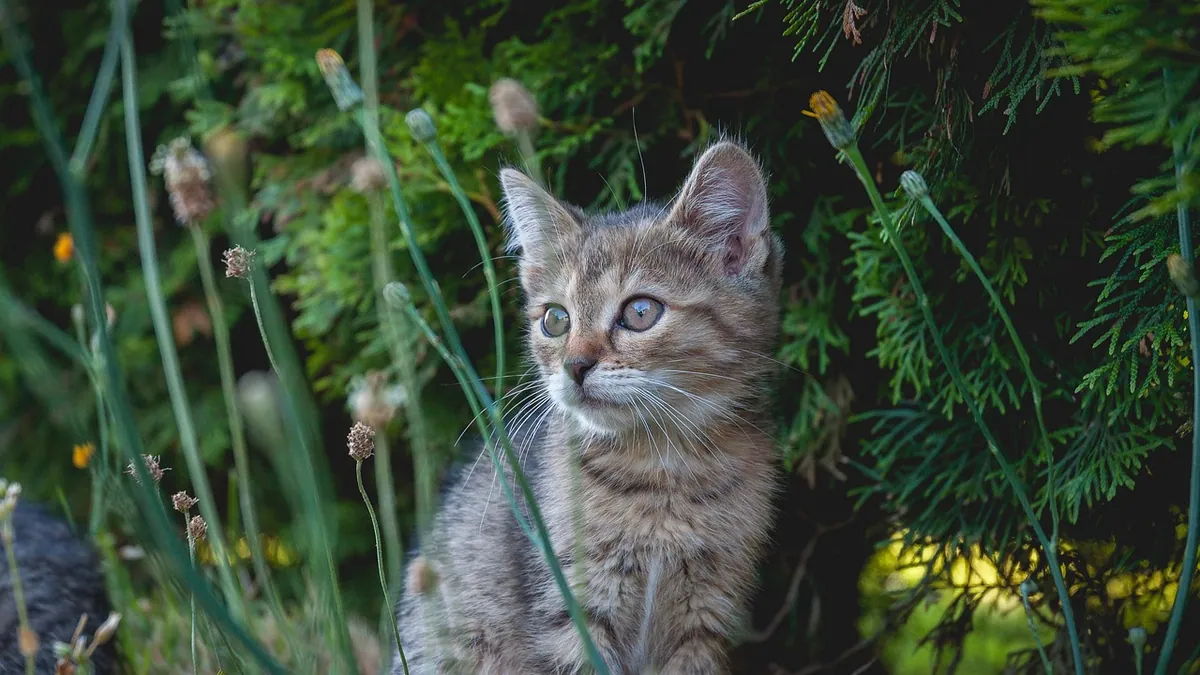
Cats usually poop in a yard because the soil is soft, easy to dig, and smells unclaimed. A good cat poop deterrent makes that spot unpleasant or blocks access, while you also remove the attraction that brought the cat there. This article is educational and is not a substitute for veterinary diagnosis or treatment.
Quick Answer
- Remove feces daily. A yard that already smells like a litter box invites repeat visits.
- Cover bare soil with mulch, gravel, pine cones, or a tight ground cover so digging is hard.
- Install a motion-activated sprinkler or a low physical barrier at the spots your neighborhood cats use.
- Clean with an enzyme cleaner made for pet waste, not ammonia, which smells like urine to cats.
- If the cat is yours, treat the yard visit as a litter box problem and check the box setup first.
Why Cats Choose Your Yard in the First Place
Cats are practical about where they eliminate. Loose, dry soil is close to the texture of litter. A freshly turned garden bed, a sandbox, or a bare patch under a shrub is almost a perfect box. If the spot is quiet and away from foot traffic, that is a bonus.
Cats also use urine and feces to communicate. Spraying urine on vertical objects is a normal scent-marking behavior in cats, and sprayed urine is a strong territorial signal because it sticks to surfaces and releases odor over time [1]. Ground scraping with the hind paws is another scent-marking behavior seen in some felids, and it is tied to sniffing and to the presence of scent [2]. Pooping in the open, then covering it or leaving it, is part of the same communication system.
That means a cat may be using your yard for one of several reasons:
- Your soil is the best digging surface nearby.
- The cat is marking territory and your yard sits inside its range.
- Your own cat has decided the yard is better than the litter box.
- An unneutered or unspayed cat is advertising.
- A neighbor's cat is passing through on a regular route.
Outdoor cats often return to the same spot out of habit. Once a spot smells like cat waste, it reads as a bathroom to the next cat too.
Medical Causes to Rule Out First
If the cat pooping in your yard is your own cat, start with health. A cat that suddenly stops using the litter box may have a medical problem, not a behavior problem.
Painful defecation, constipation, arthritis, inflammatory bowel disease, parasites, and anal gland problems can all push a cat to avoid the box. Older cats with sore joints may not be able to climb into a high-sided box. A cat with diarrhea may not make it to the box in time.
Any sudden change in litter box habits deserves a veterinary visit. For a full walkthrough of the possible causes, see Why Is My Cat Pooping Outside the Litter Box? Causes and Solutions.
If your cat is also urinating outside the box, that is a separate and sometimes more urgent problem. Blood in urine, straining, or frequent trips to the box can signal a urinary blockage, which is an emergency in male cats. Read Cat Peeing Outside Box for the signs that need same-day care.
When Cat Poop in the Yard Becomes a Problem
A single cat using one corner of the yard is annoying. It becomes a real problem when:
- Children play in the area or a sandbox is being used.
- The waste is near a vegetable garden or a water feature.
- The smell reaches your door or patio.
- Your own cat is soiling the yard and you cannot tell if the litter box is working.
- Multiple cats are marking, which suggests a territorial dispute.
- You or a family member has a health condition that makes contact with cat waste risky.
Cat feces can carry parasites, including Toxoplasma and roundworms. Pregnant people, young children, and immunocompromised people should avoid handling it. Wear gloves, use a bag, and wash your hands after any cleanup.
How to Stop Cats Pooping in Your Garden: Step by Step
Step 1: Clean the area completely
Remove all feces and any soil that is heavily soaked with urine. Bag it and put it in a closed trash can. Then clean hard surfaces with an enzyme cleaner labeled for pet waste. Do not use ammonia-based cleaners. Ammonia smells like urine to cats and can draw them back.
If the soil itself is saturated, remove the top inch or two and replace it. That is the fastest way to kill the scent cue.
Step 2: Change the surface
Cats prefer soft, diggable ground. Take that away.
- Cover bare soil with 2 to 3 inches of coarse mulch, gravel, or river rock.
- Use pine cones, holly clippings, or other prickly material in beds.
- Lay down weed fabric under the mulch so paws cannot reach soil.
- Plant ground cover that forms a dense mat.
- Put a fitted cover on sandboxes when they are not in use.
For garden beds, a light layer of fresh mulch also makes the surface less stable, which many cats dislike.
Step 3: Use a cat poop deterrent spray or granules
A cat poop deterrent spray is a practical option for fences, planters, and the edges of beds. Look for products labeled for outdoor use and follow the label exactly. Reapply after rain, since most sprays break down with water and sun.
Catnip-derived compounds are being studied as repellents for insects, and catnip oil has shown strong repellent activity against bed bugs in treated fabric tests [3]. Nepetalactones from catnip bind to insect odorant proteins more strongly than DEET in laboratory modeling [4]. These findings are about insects, not cats, so do not assume a catnip spray will repel a cat. In fact, many cats are attracted to catnip, not repelled by it.
For outdoor use, citrus, vinegar, and commercial predator-urine products are common. Evidence for how well they work against cats is not well established in veterinary research. Test any product on a small area first, and keep it away from your own cat's food, water, and resting spots.
Step 4: Add motion and sound
Motion-activated sprinklers are one of the most reliable cat poop deterrents for outdoor use. The cat gets a sudden spray of water, which is unpleasant but harmless, and learns to avoid the area. Move the sprinkler every few days so the cat does not simply walk around it.
Other options include motion-activated lights and ultrasonic devices. Results with ultrasonic units vary, and some cats ignore them. If you use one, place it at the height of the cat's path and check that it does not bother your own pets or neighbors.
Step 5: Block access
Physical barriers work well when you can use them.
- Add a low fence or wire edging around beds.
- Use lattice or mesh at ground level under decks and porches.
- Trim shrubs so there is no hidden, quiet spot to squat.
- Place motion sprinklers at the main entry points to your yard.
Cats can jump, so a barrier needs to be either tall enough or placed where landing is uncomfortable.
Step 6: Make your own cat's litter box better
If the culprit is your cat, the yard is competing with the box. Win that competition.
- Provide one box per cat, plus one extra.
- Scoop at least once a day.
- Use a large, open box with low sides for older cats.
- Try unscented clumping litter.
- Put boxes in quiet spots with more than one exit route.
- Keep boxes away from noisy appliances and busy hallways.
If your cat is spraying indoors as well, that is a different behavior with its own plan. See Cat Spraying in the House: How to Stop It.
Step 7: Manage the neighborhood cats humanely
Do not trap, hurt, or relocate a neighbor's cat. That creates legal and safety problems and does not solve the root issue. Talk with the owner if you know who it is. If the cat appears unowned, contact your local animal control or a trap-neuter-return program. Neutering reduces some marking behavior, though it does not guarantee a cat will stop using your yard.
What Not to Do
Do not punish the cat. Hitting, chasing, or yelling at a cat does not teach it where to go. It teaches the cat to avoid you and to eliminate when you are not watching. Punishment also raises stress, and stress can increase marking and house soiling.
Do not use poison, antifreeze, or hot sauce. These can injure or kill cats, wildlife, and pets. Some are illegal to use on animals. If you suspect a cat has eaten something toxic, call the ASPCA Animal Poison Control Center at (888) 426-4435 or the Pet Poison Helpline at (855) 764-7661 right away.
Do not rely on mothballs or predator urine alone. Mothballs are toxic to pets and people. Predator urine products have weak evidence for cat deterrence and wash away quickly.
Do not assume a repellent fixes a medical problem. If your own cat is soiling the yard, a spray will not treat constipation, pain, or anxiety.
Do not skip the cleanup. Repellents on top of old scent marks rarely work. The smell has to go first.
When to Call a Veterinarian or Behavior Professional
Call your veterinarian if your own cat:
- Stops using the litter box suddenly.
- Strains, cries, or takes a long time to defecate.
- Has diarrhea, blood, or mucus in the stool.
- Is losing weight or eating less.
- Is an older cat with new box avoidance.
- Is also urinating outside the box, especially a male cat straining with no urine produced.
A certified behavior professional can help when the problem is anxiety, conflict between cats, or a territorial dispute that has not improved with home changes. Ask your veterinarian for a referral. For scratching behavior that often happens alongside marking, see How to Stop a Cat from Scratching the Carpet: Effective Deterrents.
Limitations and When to Contact a Veterinarian
No deterrent works for every cat. Weather, neighborhood cat traffic, and your yard layout all affect results. You may need to combine two or three methods and change them every few weeks.
Contact a veterinarian the same day if your own cat is straining to defecate, has not passed stool in more than a day or two, or is vomiting. Go to an emergency clinic now if a male cat is straining to urinate with little or no urine, if there is heavy bleeding, or if you suspect poisoning. Schedule a routine visit for gradual changes in litter box habits, weight loss, or new anxiety. Individual cases need a veterinarian who can examine your cat and review its history.
Frequently Asked Questions
What is the best cat poop deterrent for outdoor use?
A motion-activated sprinkler combined with surface changes (mulch, gravel, or ground cover) is the most reliable approach. Sprays and granules can help at edges and entry points, but they need frequent reapplication. No single product works for every cat.
Does vinegar stop cats from pooping in the garden?
Vinegar may make a spot less appealing for a short time, but the effect fades quickly and rain washes it away. It does not remove the scent cue that draws cats back. Clean the area first, then change the surface.
Will catnip keep cats out of my yard?
Probably not. Catnip is attractive to many cats, and the repellent research on catnip compounds has been done with insects, not cats [3][4]. If you want a plant-based option, ask your veterinarian what is safe around cats before you apply anything.
Can I use a cat poop repellent spray near my own cat?
Only if the label says it is safe for cats and you keep your cat away from the treated area until it dries. Some sprays contain essential oils that are toxic to cats when inhaled or groomed off the coat. When in doubt, keep your cat indoors and use physical barriers instead.
How long does it take to stop a cat from using my yard?
It varies. A cat that has used the same spot for months may take several weeks to change its routine. Consistency matters more than intensity. Keep the area clean, keep the barrier or sprinkler in place, and expect some return visits after rain or after you move equipment.
Related Articles
- Cat Spraying in the House: How to Stop It
- Why Is My Cat Pooping Outside the Litter Box? Causes and Solutions
- How to Stop a Cat from Scratching the Carpet: Effective Deterrents
- Cat Peeing Outside Box
- Why Is My Cat Peeing Outside the Litter Box?
- How To Stop Cat From Scratching Furniture Spray
- Cat Pooping in the Garden: Risks and How to Stop It
- How to Stop Your Cat Pooping Outside the Litter Box
- Is Cat Poop Good Fertilizer? Composting Risks for Gardens
References
- Sprayed Urine Emits a Pungent Odor due to its Increased Adhesion to Vertical Objects via Urinary Proteins Rather Than to Changes in its Volatile Chemical Profile in Domestic Cats. Journal of chemical ecology, 2024.
- Characteristics of urine spraying and scraping the ground with hind paws as scent-marking of captive cheetahs (Acinonyx jubatus). Scientific reports, 2022.
- Catnip Oil, Monoterpenes Carvacrol, and Citronellol as an Effective Repellent Against Cimex lectularius (Hemiptera: Cimicidae). Insects, 2026.
- A Safer Alternative Bio-Repellent: Targeting Mosquito Odorant-Binding Proteins with Catnip-Derived Nepetalactones from Nepeta cataria Leaves. International journal of molecular sciences, 2026.