Can Dogs Eat Spam? Sodium, Fat, and Safety Limits
By Dr. Zubair Khalid, DVM, MS, PhD ·
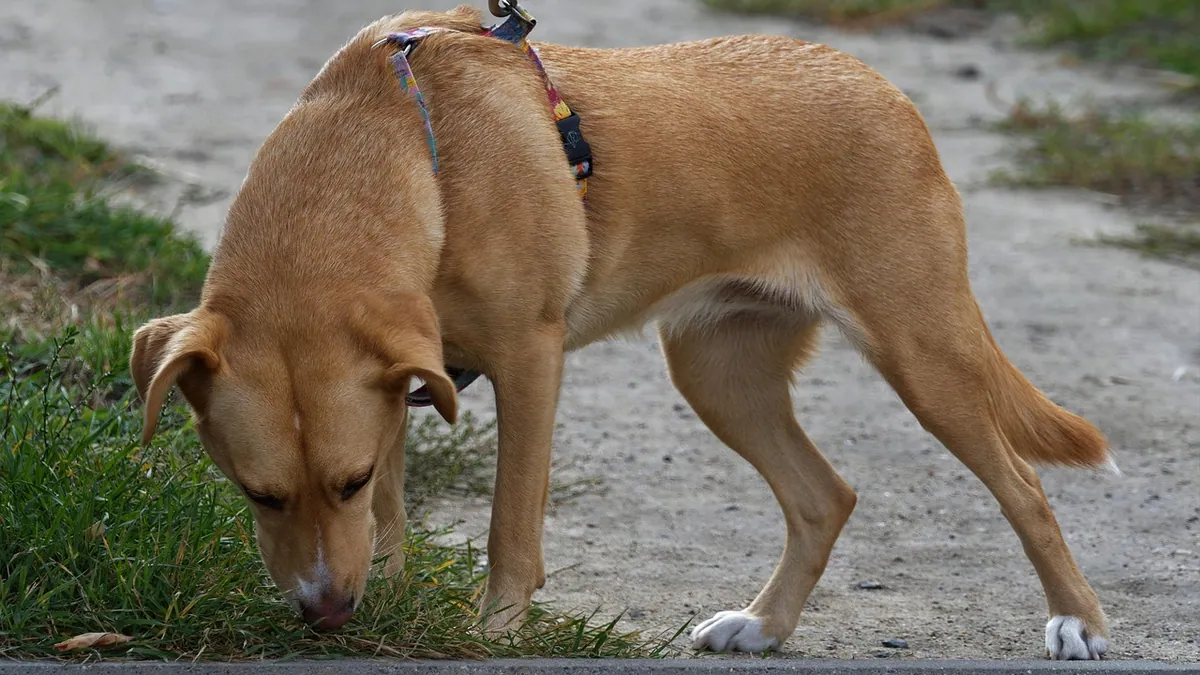
Can dogs eat Spam? Technically yes, a tiny taste will not poison most dogs, but Spam is one of the saltiest, fattiest canned meats in your pantry. For most dogs, the honest answer is no, it should not be part of their diet, and any taste should stay at one small bite or less.
This article is educational and is not a substitute for veterinary diagnosis or treatment.
Quick Answer
- Spam is not toxic to dogs, but a single can contains far more sodium and fat than a dog should eat in a day.
- A one-bite maximum is the safest rule for a healthy adult dog, and many dogs should get none at all.
- Too much salt can cause sodium poisoning, with symptoms that can escalate quickly and, in critical cases, lead to death [1][2].
- High-fat foods are commonly blamed for pancreatitis flare-ups, though the evidence linking dietary fat alone to pancreatitis is weaker than once believed [3].
- If your dog eats a large amount of Spam, call your veterinarian or Pet Poison Helpline at (855) 764-7661 right away [4].
The Direct Verdict: Is Spam Safe for Dogs?
Spam is safe in the narrow sense that it does not contain a toxin that will poison your dog on contact. It is unsafe in the practical sense that it is loaded with salt and fat, and dogs do not need either in those amounts.
A medium-sized dog needs only a small fraction of that in a full day. Feed a whole can and you can push a dog toward sodium toxicity, especially if fresh water is not available [4][2].
The fat side matters too. Spam is about 60 to 70 percent of its calories from fat. That is a heavy load for a dog's pancreas and gut, and it is the kind of meal that can trigger vomiting, diarrhea, or a pancreatitis episode in a sensitive dog [3].
So the verdict is simple. A single small bite of plain Spam is unlikely to hurt a healthy dog. A slice, a sandwich, or a shared can is a real risk.
What Is Actually in Spam?
Spam is pork shoulder and ham, plus salt, water, potato starch, sugar, and sodium nitrite. That is the whole list. There is no xylitol, no garlic, and no onion in classic Spam, which is good news because those additives are genuinely toxic to dogs.
The problem is the two big numbers. Sodium and fat.
Sodium is the ingredient that makes Spam dangerous in quantity. Salt poisoning in pets is a recognized emergency, and salty snacks are a common cause [4][1]. Dogs cannot taste salt the way humans do, so they will happily eat far more than their body can handle.
Fat is the second issue. A high-fat meal can set off gastrointestinal upset in many dogs. It is also the classic trigger owners are warned about for pancreatitis, even though recent reviews question how strong that link really is [3][5].
There is no meaningful nutritional benefit to Spam for a dog. It offers protein, yes, but so does a plain boiled chicken breast with a fraction of the sodium and fat.
Can Dogs Eat Spam Cooked?
Cooking Spam does not make it safer. Frying it in oil adds even more fat. Pan-searing it concentrates the sodium as moisture cooks off.
If you must offer a taste, plain Spam straight from the can, unheated and unseasoned, is the least risky form. Do not add butter, oil, or seasoning. Do not serve it as a patty or a slice.
The heat itself is not the problem. The problem is what cooking does to the fat and sodium content, and what people usually add along the way.
Can Dogs Eat Spam Out of the Can?
Yes, this is the safest way to offer it if you offer it at all. Cold Spam from the can has no added oil and no added salt beyond what is already in the product.
Cut a piece no bigger than a pea for a small dog or a thumbnail for a large dog. That is your one-bite maximum. Then stop.
Do not let your dog lick the can. The residue and the gel around the meat are concentrated salt and fat.
Can Dogs Eat Spam and Eggs?
This combination is a double sodium and fat hit. Eggs alone are fine for most dogs when cooked plain and unsalted. Spam is the problem.
If you want to give your dog egg, scramble one egg with no butter, no salt, and no Spam. That is a far better treat. For a closer look at how fat and preparation affect dog-safe meats, see Can Dogs Eat Duck? Fat Content and Rendering Safety.
Can Dogs Eat Spam and Rice?
Rice is a gentle, dog-friendly food, and it is often used to settle an upset stomach. Spam is not. Pairing the two does not cancel out the salt and fat in the Spam.
If your dog has an upset stomach and your veterinarian recommended a bland diet, use plain boiled chicken or lean ground meat with plain white rice. Skip the Spam entirely.
Can Dogs Eat Spam Once?
One small bite, one time, is very unlikely to cause harm in a healthy adult dog. That is the honest answer to this common question.
The risk goes up fast with the amount. A whole slice, a whole can, or repeated "just once" treats add up. Dogs do not process salt the way people do, and a dog with heart disease, kidney disease, or a history of pancreatitis should get none at all.
If your dog has any chronic condition, ask your veterinarian before offering even a taste.
The Real Risks of Feeding Spam to Dogs
Sodium Poisoning
Sodium poisoning, also called salt toxicity, happens when a dog takes in too much salt without enough fresh water to balance it [4][1]. Symptoms can include vomiting, diarrhea, lethargy, tremors, seizures, and in critical cases, death [1][2].
The timeline can be short. A dog that eats a large amount of salty food may start showing signs within hours. If you suspect sodium poisoning, call your veterinarian and Pet Poison Helpline at (855) 764-7661 immediately [4]. Treatment often requires IV fluids and electrolytes, and severe cases may need hospitalization [4].
Pancreatitis and GI Upset
Pancreatitis is the most commonly diagnosed disorder of the exocrine pancreas in dogs, and its cause is often unclear [3]. High-fat meals have long been blamed, and many veterinarians still recommend restricting fat in affected dogs [3].
That said, the evidence is not as clean as once thought. A 2026 review found that studies linking dietary fat to pancreatitis are limited by small samples, experimental models, and inconsistent methods, and that some dogs relapse even on strict low-fat diets [3]. A 2025 experimental study in dogs with mild acute pancreatitis found that a higher-fat feeding tube diet did not produce significantly different clinical, laboratory, ultrasound, or histological outcomes compared with a low-fat diet [5].
None of that makes Spam a good idea. It just means the fat story is more complicated than a simple cause and effect. What is clear is that many dogs get vomiting and diarrhea after a greasy meal, and Spam is greasy.
Choking and Blockage
Spam is soft, so choking is less likely than with bones or hard treats. The bigger risk is a dog gulping a large chunk whole. Cut any piece small, and never leave a dog alone with a can or a container.
Additives to Watch For
Classic Spam does not contain xylitol, garlic, or onion, which are the additives that most often send dogs to the vet. Flavored Spam varieties are a different story. Some contain garlic powder, onion powder, or added sugars. Read the label, and if you see any of those, do not feed it.
For a comparison of how seasoned cured meats affect dogs, see Can Dogs Eat Salami? Spice Toxicity and Pancreatitis and Can Dogs Eat Pepperoni? Garlic Onion and Fat Content.
Form-by-Form Safety Table
| Form | Safe? | Notes |
|---|---|---|
| Plain Spam, one small bite | Borderline | Least risky form. Keep it to a pea-sized piece for small dogs. |
| Fried Spam | No | Added oil and concentrated sodium. |
| Spam with eggs | No | Doubles the sodium and fat load. |
| Spam with rice | No | Rice is fine, Spam is not. |
| Spam sandwich or full slice | No | Too much salt and fat for any dog. |
| Flavored Spam with garlic or onion | No | Garlic and onion are toxic to dogs. |
| Spam can residue or gel | No | Concentrated salt and fat. |
How to Offer Spam Safely (If You Must)
If you decide to give your dog a taste, follow these rules.
- Use plain classic Spam only. No flavors, no added seasonings.
- Cut one piece no bigger than a pea for small dogs, a thumbnail for large dogs.
- Offer it plain, cold, straight from the can.
- Make sure fresh water is available right after.
- Do not repeat it. One bite means one bite.
- Skip it entirely for puppies, seniors, and dogs with heart, kidney, or pancreatic disease.
If your dog has a sensitive stomach, a single fatty treat can cause a messy few days. Weigh that against the tiny pleasure of a taste.
What to Do If Your Dog Ate Too Much Spam
If your dog ate a large amount of Spam, act quickly.
Call your veterinarian or Pet Poison Helpline at (855) 764-7661 [4]. Do not wait for symptoms. Sodium poisoning can progress fast, and early treatment with IV fluids and electrolytes makes a real difference [4].
Watch for vomiting, diarrhea, lethargy, tremors, seizures, or unusual behavior [1][2]. If any of these appear, treat it as an emergency and go to the nearest veterinary hospital.
If your dog ate a flavored Spam containing garlic or onion, that is a separate toxicity concern. Call poison control right away.
If your dog ate a normal small bite and seems fine, you can monitor at home. Offer fresh water and skip the next treat. Call your vet if anything seems off.
Safer Protein Swaps
You do not need Spam to give your dog a meaty treat. Plenty of options are lower in sodium and fat.
- Plain boiled or baked chicken breast, no skin, no seasoning.
- Plain cooked turkey, lean ground or sliced.
- Plain cooked lean beef, drained of fat.
- Plain cooked white fish, no breading, no salt.
- Plain scrambled or hard-boiled egg, no butter, no salt.
- Commercial dog treats formulated for dogs.
For a lower-sodium dairy option, see Can Dogs Eat Cottage cheese? Protein & Sodium Limits.
If your dog swallowed something non-food along with the Spam, like a wrapper or a can lid, that is a different problem. See My Dog Ate a Pen: Is It Toxic or Just a Blockage Risk?.
Limitations and When to Contact a Veterinarian
Every dog is different. Weight, age, heart health, kidney function, and past pancreatitis episodes all change how much risk a single bite carries. Your veterinarian can give you advice specific to your dog.
Call your veterinarian the same day if your dog ate more than a small bite of Spam, if your dog has a chronic condition, or if you are unsure how much was eaten.
Go to an emergency clinic now if you see vomiting, diarrhea, lethargy, tremors, seizures, stumbling, or collapse after a salty or fatty meal [1][2].
Schedule a routine visit if your dog has had repeated fatty treats and you want to review diet and weight. Long-term feeding habits matter more than any single bite, and a veterinarian can help you build a safer treat plan.
Frequently Asked Questions
Can dogs eat Spam every day?
No. Daily Spam would push sodium and fat far past what a dog should eat. Even small amounts add up over time and can contribute to weight gain, heart strain, and digestive problems.
Is Spam worse for dogs than bacon?
Both are very salty and very fatty, so neither is a good choice. The specific numbers differ by brand and cut, but the general rule is the same. Keep both to a rare tiny taste or skip them.
Will one bite of Spam hurt my dog?
For a healthy adult dog, one small bite is very unlikely to cause harm. The risk rises with the amount, the dog's size, and any underlying health conditions.
Can Spam cause pancreatitis in dogs?
High-fat meals are commonly suspected triggers, but the evidence linking dietary fat alone to pancreatitis is weaker than once believed [3]. A 2025 study found no significant difference in outcomes between high-fat and low-fat feeding tube diets in dogs with mild acute pancreatitis [5]. Spam is still a poor choice because it is both salty and fatty.
What should I feed instead of Spam?
Plain boiled chicken, plain turkey, lean cooked beef, plain white fish, or a plain egg are all better options. Commercial dog treats made for dogs are the simplest choice. Always check with your veterinarian if your dog has a health condition.
Related Articles
- Can Dogs Eat Duck? Fat Content and Rendering Safety
- Can Dogs Eat Cottage cheese? Protein & Sodium Limits
- My Dog Ate a Pen: Is It Toxic or Just a Blockage Risk?
- Can Dogs Eat Salami? Spice Toxicity and Pancreatitis
- Can Dogs Eat Pepperoni? Garlic Onion and Fat Content
- Can Dogs Eat Leeks? Organosulfide Poisoning Guide
- Can Dogs Eat Ham? Sodium, Fat, and Bone Risks
- Can Dogs Eat Vienna Sausages? Sodium and Fat Risks
- Can Dogs Eat Turkey Bacon? Sodium and Fat Risks
References
- Sodium Toxicity in Pets. Pet Poison Helpline.
- Sodium Toxicity Symptoms in Pets. Pet Poison Helpline.
- High fat, high risk? Evaluating the strength of evidence linking dietary fat and pancreatitis in dogs. Journal of the American Veterinary Medical Association, 2026.
- Sodium Poisoning Threat to Pets. Pet Poison Helpline.
- Effects of low vs high fat diet in dogs with Cerulein-induced acute pancreatitis. Research in veterinary science, 2025.