Can Cats Eat Spam? Sodium, Fat, and Safety
By Dr. Zubair Khalid, DVM, MS, PhD ·
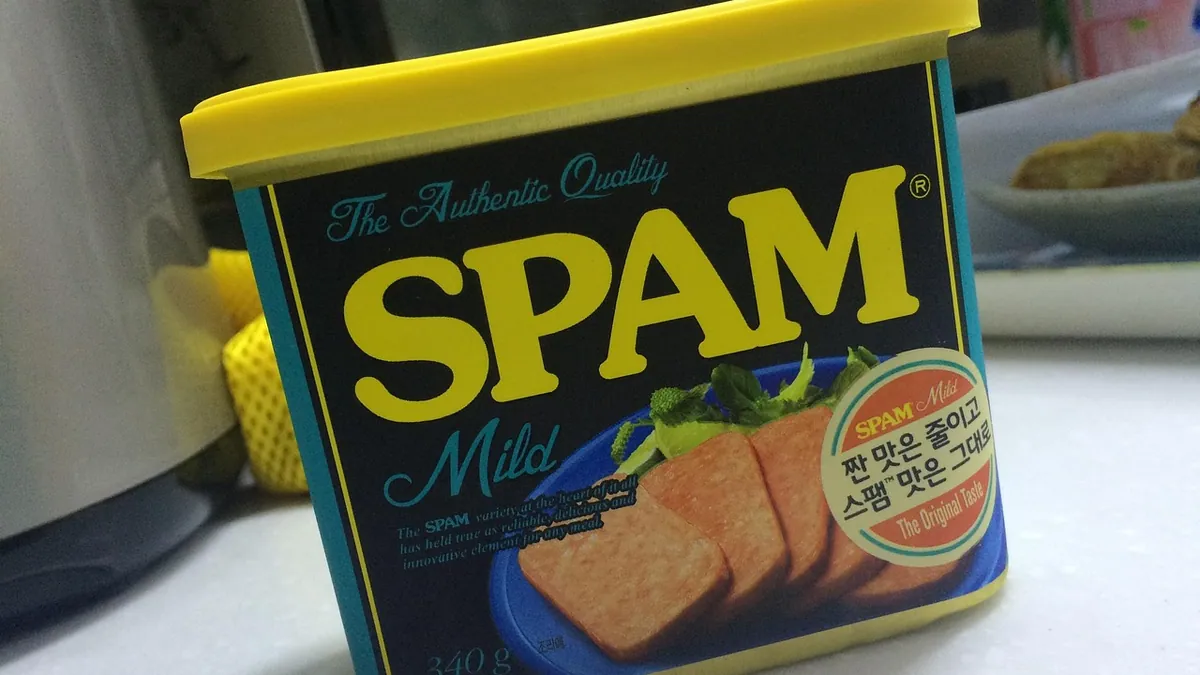
Can cats eat Spam? No. Spam is a processed canned meat made for people, and its sodium and fat levels are far too high for cats. A single small piece is unlikely to be fatal for a healthy adult cat, but it offers no nutritional value and repeated feeding can cause real harm.
This article is educational and is not a substitute for veterinary diagnosis or treatment.
Quick Answer
- Spam is not safe for cats as a regular food or treat because of its very high salt and fat content.
- Cats need some salt for normal body function, but too much causes dehydration, vomiting, diarrhea, and can lead to kidney failure [1][2].
- One small bite of plain Spam is unlikely to poison a healthy adult cat, but it is not recommended and should not become a habit.
- Spam Lite is not a safe substitute. It is still heavily processed and high in sodium.
- If your cat ate a large amount of Spam or is showing symptoms, call your veterinarian or Pet Poison Helpline at (855) 764-7661 right away [2].
The Verdict: Can Cats Eat Spam Meat?
No. Spam meat is not appropriate for cats. It is a shelf-stable canned product designed for human palates, and its recipe prioritizes flavor, texture, and preservation over any animal's nutritional needs. Cats are obligate carnivores with specific protein, fat, and mineral requirements that Spam does not meet.
The main problem is sodium. Cats do need salt to regulate hydration and electrolyte levels, just like people do [1]. The trouble starts when the amount goes well beyond what their bodies can handle. Spam is one of the saltiest canned meats on the shelf, and a cat's daily sodium needs are tiny compared to a human's.
Fat is the second problem. Spam is high in fat, and a cat's digestive system can react badly to a sudden greasy meal. The result is often vomiting or diarrhea within hours.
So the honest answer to "can cats eat spam" is this: it is not toxic in the way that chocolate or lilies are toxic, but it is unsafe as a routine food and risky in larger amounts.
Can Cats Eat Spam One Time?
A single tiny piece, about the size of a pea, is unlikely to seriously harm a healthy adult cat. That said, "unlikely" is not the same as "safe." Some cats are more sensitive to sodium than others, and a cat with heart disease, kidney disease, or a history of urinary problems may react much more strongly.
If your cat stole a bite off your plate, do not panic. Watch for vomiting, diarrhea, excessive thirst, or unusual lethargy over the next several hours. If any of those appear, call your veterinarian.
Can Cats Eat Spam Lite?
Spam Lite is often marketed as a lighter option because it has less fat and fewer calories. That does not make it safe for cats. It is still a processed meat product with a high sodium content, and the reduced fat does not fix the salt problem.
Reduced-fat versions of human foods are still human foods. They are not formulated for feline kidneys, hearts, or urinary tracts.
Can Cats Eat Spam as a Treat?
Spam should not be used as a treat. Treats should make up only a small fraction of a cat's daily calories, and even then they should be nutritionally appropriate. Spam fails that test.
If you want to give your cat a special protein treat, there are far better options. Cooked plain chicken, plain cooked turkey, or a small piece of unseasoned cooked fish are all safer choices. For more on fish-based treats and their sodium content, see Can Cats Eat Sardines? Omega 3 Benefits & Sodium Limits and Can Cats Eat Anchovies? Sodium Overload and Omega-3.
Can Cats Eat Spam Cooked?
Cooking Spam does not make it safe. Heat does not remove sodium or fat. In fact, pan-frying Spam often adds more oil and can concentrate the salty flavor as moisture cooks off.
Some owners wonder if cooking kills bacteria or parasites. Spam is already fully cooked and shelf-stable in the can, so cooking is not needed for safety. The problem is the recipe itself, not the preparation.
Can Kittens Eat Spam?
Kittens should never eat Spam. Kittens have small bodies and developing organ systems. Their sodium tolerance is even lower than an adult cat's, and their kidneys are still maturing.
A kitten who eats a significant amount of salty food can become dehydrated quickly. If a kitten in your home ate Spam, call your veterinarian the same day even if the kitten seems fine.
What Is Actually in Spam?
Spam is made from pork with ham, plus salt, water, sugar, potato starch, and sodium nitrite. The exact sodium content varies by variety, but all versions are salty by design. That salt is what preserves the meat and gives it the flavor people expect.
For a cat, none of those ingredients serve a purpose. Cats have no dietary need for potato starch, sugar, or nitrites. Their bodies are built to process animal protein and fat, and they have limited ability to handle large sodium loads [1][2].
There is also no meaningful nutritional benefit. Spam does contain protein and fat, but so does every complete cat food, and those foods are balanced with the right vitamins, minerals, and amino acids. Feeding Spam replaces balanced nutrition with empty calories.
Risks of Feeding Spam to Cats
Sodium and Salt Poisoning
Excess salt pulls water out of the body and causes dehydration. In cats, that can progress to vomiting, diarrhea, and kidney failure [1][2]. Organ damage can happen with both too much and too little salt, which is why balanced commercial diets matter [1].
If salt poisoning is suspected, treatment focuses on reducing the amount of salt in the body. A veterinarian typically gives IV fluids to dilute the sodium in the blood and restore electrolyte balance. Other treatments may include antacids and antibiotics for gastrointestinal distress, and severe cases may need hospitalization with intensive care [2].
Fat and Pancreatitis Risk
A high-fat meal can trigger gastrointestinal upset in any cat. In some cats, it can contribute to pancreatitis, which is painful and serious. Cats with a history of pancreatitis should never be given greasy human foods.
Weight Gain and Obesity
Obesity is already a common problem in cats, especially sterilized cats, and it is linked to metabolic disturbances and a higher risk of disease [3]. Spam is calorie-dense and easy to overfeed. Even a few extra bites a day can add up over time.
Urinary Tract Concerns
Diet plays a major role in urinary tract health. Urinary pH, urine solute concentrations, and crystallization potential all influence whether stones form, and struvite stones in particular are managed through controlled diet [4]. A salty, unbalanced human food can work against that balance.
Additives and Other Ingredients
Spam does not contain xylitol, garlic, or onion in its standard recipe, which is good news. Those ingredients are far more dangerous. Still, the sodium nitrite and added starch are not things a cat's body is designed to process.
If you are comparing processed human foods in general, the same logic applies to many salty snacks. For example, Can Cats Eat Parmesan Cheese? Salt and Lactase Deficiency covers a similar salt-and-dairy problem.
Form | Safe? | Notes
| Form | Safe? | Notes |
|---|---|---|
| Classic Spam | No | Very high in sodium and fat, no nutritional value for cats |
| Spam Lite | No | Lower fat but still high in sodium and heavily processed |
| Spam cooked or fried | No | Cooking does not remove salt or fat, frying adds more fat |
| Spam with added garlic or onion | No, emergency | Garlic and onion damage red blood cells in cats |
| A single pea-sized bite | Not recommended | Unlikely to be fatal in a healthy adult cat, but still risky |
| Spam given to a kitten | No | Kittens are more vulnerable to dehydration and salt load |
What to Do If Your Cat Ate Spam
If your cat ate a small amount and seems normal, remove the rest of the food, make sure fresh water is available, and watch closely for the next 12 to 24 hours.
If your cat ate a large amount, or if the Spam contained garlic or onion, call your veterinarian or Pet Poison Helpline at (855) 764-7661 immediately [2]. Do not wait for symptoms to appear.
Signs that need urgent care include vomiting, diarrhea, excessive thirst, frequent urination, weakness, tremors, or collapse. These can point to dehydration or salt poisoning, and treatment works best when it starts early [2].
Safer Protein Treats for Cats
The best treats are made for cats. A commercial cat treat that meets nutritional standards is always the safest choice. If you want to share people food, keep it plain and unseasoned.
Good options include small pieces of plain cooked chicken, plain cooked turkey, or a bite of plain cooked fish with no salt or seasoning. Even these should stay small and occasional.
Avoid anything canned, cured, smoked, or salted. That includes lunch meat, hot dogs, bacon, and most deli products. If you are curious about other seafood treats, Can Cats Eat Crab? Shell Hazards and Sodium explains why plain, unseasoned seafood is the only reasonable option.
For dairy-based human foods, the same caution applies. Can Cats Eat Cream Cheese? Dairy Fat and Additive Risks walks through why most cats do not handle dairy well.
Limitations and When to Contact a Veterinarian
This article gives general guidance, not a diagnosis. Every cat is different, and a cat with kidney disease, heart disease, diabetes, or urinary problems may react to salty food much more severely than a healthy cat. Your veterinarian needs to evaluate your individual cat.
Call your veterinarian or an emergency clinic right away if your cat is vomiting repeatedly, has diarrhea, seems weak or wobbly, is drinking far more than usual, or collapses. These signs can move fast.
Call the same day if your cat ate a large amount of Spam, ate Spam containing garlic or onion, or if a kitten was involved. Even without symptoms, same-day advice is wise.
Schedule a routine visit if your cat has been getting table scraps regularly and you are worried about weight, thirst, or urinary habits. Your veterinarian can check bloodwork and body condition and help you build a safer treat plan.
Frequently Asked Questions
Is Spam toxic to cats?
Spam is not toxic in the classic poison sense, but it is unsafe because of its sodium and fat content. Large amounts can cause salt poisoning, which leads to dehydration, vomiting, diarrhea, and potentially kidney failure [1][2]. Small amounts are less dangerous but still not recommended.
How much Spam is dangerous for a cat?
There is no safe established amount, and no dose chart applies here. The risk depends on your cat's size, health, and how much was eaten. If you are unsure, call your veterinarian or Pet Poison Helpline at (855) 764-7661 for guidance [2].
Will one bite of Spam hurt my cat?
One small bite is unlikely to seriously harm a healthy adult cat, but it can still cause stomach upset. Some cats are more sensitive to sodium than others. Watch for vomiting, diarrhea, or unusual thirst, and call your veterinarian if anything seems off.
Can I rinse Spam to make it safer for my cat?
Rinsing removes some surface salt but does not make Spam a suitable cat food. Much of the sodium is inside the meat, and the fat content stays high. Rinsed Spam is still a processed human food with no place in a cat's diet.
What should I feed my cat instead of Spam?
Feed a complete and balanced commercial cat food as the main diet, and use cat-specific treats for rewards. If you want to share plain meat, choose unseasoned cooked chicken or turkey in tiny amounts. Ask your veterinarian if your cat has special dietary needs.
Related Articles
- Can Cats Eat Crab? Shell Hazards and Sodium
- Can Cats Eat Anchovies? Sodium Overload and Omega-3
- Can Cats Eat Parmesan Cheese? Salt and Lactase Deficiency
- Can Cats Eat Sardines? Omega 3 Benefits & Sodium Limits
- Can Cats Eat Cream Cheese? Dairy Fat and Additive Risks
- Can Cats Eat Mackerel? Histamine Scombroid Toxicity
- Can Cats Eat Bacon? Fat, Salt, and Safety Limits
- Can Cats Eat Deli Meat? Sodium and Nitrite Risks
- Is Salt Toxic to Cats? Garlic Salt and Sodium Risks
References
- Is Salt Bad for Cats. Pet Poison Helpline.
- Can Cats Eat Salt. Pet Poison Helpline.
- Association of obesity-related blood chemistry alterations with animal welfare outcomes in sterilized cats: A case-control study in Indonesia. Veterinary world, 2026.
- Revisiting feline urinary tract health: the role of diet and acidifying agents in urolith prevention and long-term cat health. Journal of animal science, 2026.