Can Dogs Eat Turkey Bacon? Sodium and Fat Risks
By Dr. Zubair Khalid, DVM, MS, PhD ·
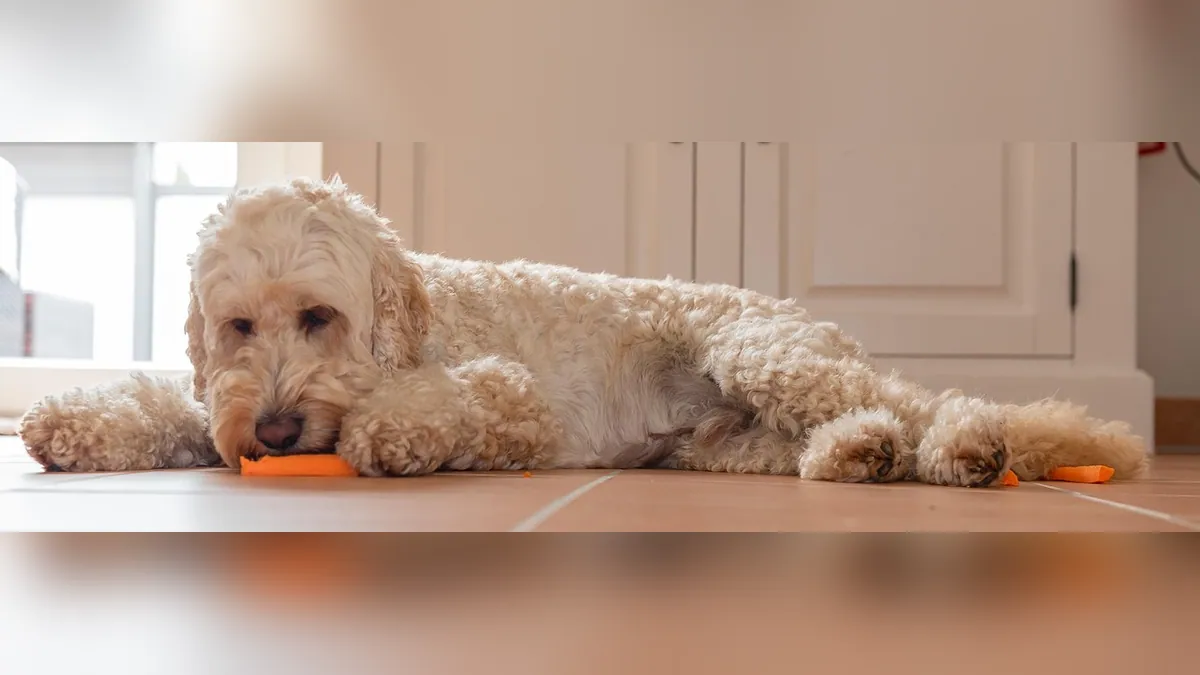
Can dogs eat turkey bacon? In most cases, no. Turkey bacon is a processed meat that is high in sodium and fat, and those two things cause the most problems for dogs. A tiny, plain piece is unlikely to be fatal for a healthy adult dog, but it is not a safe everyday food.
This article is educational and is not a substitute for veterinary diagnosis or treatment.
Quick Answer
- Skip turkey bacon for dogs. It is salty, fatty, and processed, with no nutritional need for your pet.
- Sodium is the bigger danger. Too much salt can cause sodium poisoning, which can be severe and even fatal in critical cases [1][2].
- Fat can trigger stomach upset and may be linked to pancreatitis, though the fat-pancreatitis link is not as clear-cut as once thought [3].
- Never feed turkey bacon that contains xylitol, garlic, or onion. These are toxic to dogs.
- If your dog ate a large amount or a flavored version, call your veterinarian or Pet Poison Helpline at (855) 764-7661 right away [2].
The Verdict: Is Turkey Bacon Safe for Dogs?
No, turkey bacon is not a safe food for dogs. It is made for people, not pets, and it is typically cured, smoked, and salted. That means a single strip can carry a lot of sodium in a small package.
Dogs are much smaller than people, so a food that is merely salty to you can be a real problem for them. Salt is an essential nutrient, and it helps regulate fluid and electrolyte levels [1]. The issue is the amount. When a dog takes in too much salt, sodium poisoning can follow, and symptoms can escalate quickly if the dog cannot correct the imbalance by drinking water [1][2].
There is also the fat. Turkey bacon is often marketed as a lighter choice than pork bacon, but it is still a fatty, processed meat. For a dog, that fat load can mean vomiting, diarrhea, or a painful belly.
What Is Actually in Turkey Bacon?
Turkey bacon is not just turkey. It usually contains turkey, salt, sugar, smoke flavoring, nitrites, and sometimes phosphates. Some brands add garlic or onion powder for flavor, and a few sugar-free or "keto" versions use xylitol as a sweetener.
Here is the problem in plain terms. A dog's daily sodium needs are small. A single strip of turkey bacon can deliver a meaningful share of a human's daily sodium, and a dog weighs far less than a human. That mismatch is why even a couple of strips can matter.
There is no nutritional benefit to turkey bacon for dogs. It does not provide anything your dog cannot get from a complete and balanced dog food. It adds calories, salt, and fat, and it teaches your dog to beg for human food.
Risks of Feeding Turkey Bacon to Dogs
Sodium Poisoning
This is the top concern. Symptoms of sodium poisoning can include vomiting, diarrhea, lethargy, tremors, seizures, and in critical cases, death [1][2]. A dog may first try to drink more water to fix the imbalance, but if that does not help, signs can worsen fast [1][2].
Severe cases need veterinary care. Treatment often involves IV fluids and electrolytes, and a badly affected dog may need to be hospitalized for monitoring [2]. One reported case involved a dog whose serum sodium climbed to 174 mmol/L (reference range 144 to 160 mmol/L) after treatment with activated charcoal containing sorbitol, and the dog developed neurologic signs and azotemia before recovering with intensive care [4]. That case was not about turkey bacon, but it shows how sensitive dogs are to sodium shifts.
Fat and Pancreatitis
Pancreatitis is the most commonly diagnosed disorder of the exocrine pancreas in dogs, and high-fat meals are a classic trigger in everyday veterinary practice [3]. The science is more mixed than many owners assume. A review of the evidence found that early studies linking dietary fat to pancreatitis were limited by small sample sizes, experimental models, and diets that do not reflect modern pet food [3]. Some dogs relapse even on strict low-fat diets [3].
So fat is not the whole story, but it is still a reasonable thing to limit. A greasy strip of turkey bacon is not a good gamble for a dog with a sensitive stomach or a history of pancreatitis.
Choking and GI Upset
Turkey bacon is thin and chewy. A dog may gulp it whole, which can cause choking or a piece that gets stuck. Even when it goes down fine, the salt and fat can cause vomiting or diarrhea within hours.
Dangerous Additives
Read the label before you even think about sharing. Watch for:
- Xylitol. A sugar alcohol that is highly toxic to dogs. Some low-sugar or "keto" turkey bacon uses it.
- Garlic and onion. Both are toxic to dogs and can damage red blood cells. Garlic and onion powder are common in seasoned or flavored bacon.
- Excess salt and nitrites. Cured meats are loaded with sodium.
If the package lists any of these, the answer is a firm no.
Can Dogs Eat Bacon Bits, Bacon and Eggs, or Bacon Treats?
These related questions come up a lot, and the answer is usually the same.
Bacon bits. No. They are concentrated salt bombs and often contain onion or garlic powder. A few bits can be a lot of sodium for a small dog.
Bacon and eggs. The egg is fine if it is plain and cooked. The bacon is the problem. If you want to share breakfast, give a plain cooked egg and skip the bacon. For more on fatty meats, see Can Dogs Eat Sausages? Seasoning Hazards and Fat Content and Can Dogs Eat Pepperoni? Garlic Onion and Fat Content.
Bacon treats. Commercial "bacon flavored" dog treats are different from real bacon. They are made for dogs and are usually lower in salt. Still, check the label and feed them in moderation.
Bacon or sausage. Both are processed, salty, and fatty. Sausage often has garlic and onion too. Neither is a good choice.
Puppies and turkey bacon. Puppies are smaller and more vulnerable. Their bodies cannot handle a sodium load the way an adult dog can. Do not feed turkey bacon to a puppy.
How to Offer Turkey Bacon Safely (If You Insist)
The safest amount is none. If you still want to give a taste, follow these rules.
- Plain only. No seasoning, no garlic, no onion, no xylitol.
- Tiny piece. A piece the size of a pea or smaller for a small dog. One small bite for a large dog.
- Cooked, not raw. Raw processed meat carries the same salt load plus a risk of bacteria.
- No grease. Do not pour bacon grease over dog food. That is a huge fat load.
- Rarely. This should not become a habit. Once is a treat. Daily is a problem.
Avoid these parts and preparations entirely:
- Flavored or maple varieties
- Sugar-free or keto varieties with xylitol
- Thick-cut strips that can be a choking hazard
- Bacon grease, drippings, or pan scrapings
- Any bacon shared from a plate that also had onions or garlic
What to Do If Your Dog Ate Turkey Bacon
If your dog ate one small plain piece and is acting normal, watch closely for the next few hours. Offer fresh water. Call your veterinarian for advice, because the right next step depends on your dog's size and health.
If your dog ate a large amount, ate a flavored or sugar-free version, or is showing symptoms, treat it as an emergency. Symptoms to watch for include vomiting, diarrhea, lethargy, tremors, seizures, and unsteady walking [1][2]. Call your veterinarian and Pet Poison Helpline at (855) 764-7661 for medical assistance [2]. Do not wait to see if it passes.
Do not try to make your dog throw up unless a veterinarian tells you to. Do not give extra salt or salty broth to "balance" anything. Do not give human medications.
Safer Alternatives to Turkey Bacon
If you want to give your dog a meaty treat, there are better options.
| Form | Safe? | Notes |
|---|---|---|
| Plain cooked turkey (no skin, no seasoning) | Yes, in small amounts | Lean and simple. Skip the salt and butter. |
| Plain cooked chicken breast | Yes, in small amounts | A common bland-diet protein. No garlic or onion. |
| Plain cooked egg | Yes, in small amounts | Cook without oil, salt, or butter. |
| Commercial dog treats | Yes | Made for dogs. Check the label and feed in moderation. |
| Turkey bacon | No | High sodium and fat. Risk of additives. |
| Bacon bits | No | Concentrated salt, often onion or garlic. |
| Sausage | No | Processed, fatty, often seasoned with garlic and onion. |
| Duck (plain, cooked) | Sometimes | Fatty skin is the issue. See Can Dogs Eat Duck? Fat Content and Rendering Safety. |
| Cashews | Sometimes | High fat. See Can Dogs Eat Cashews? Fat Content & Pancreatitis Risks. |
| Apple slices (no seeds, no core) | Yes | A low-calorie crunch. See Can Dogs Eat apples? Vet Safety, Benefits & Hazards. |
The best treat for most dogs is a piece of their own kibble or a dog-specific treat. It keeps the salt and fat where they belong, in your food, not your dog's bowl.
Limitations and When to Contact a Veterinarian
Every dog is different. A 90-pound Labrador and a 6-pound Chihuahua will handle the same piece of turkey bacon very differently. Your dog's age, kidney health, heart health, and medications all change the risk. That is why individual cases need a veterinarian who knows your dog.
Contact your veterinarian the same day if:
- Your dog ate more than a small plain piece
- Your dog ate a flavored, sugar-free, or garlic or onion version
- Your dog is vomiting, has diarrhea, or seems uncomfortable
- Your dog is a puppy, senior, or has a known health condition
Go to an emergency clinic now if:
- Your dog is having tremors, seizures, or cannot stand
- Your dog is breathing fast, panting heavily, or seems disoriented
- Your dog collapses or has a near-fainting episode
- Your dog's gums look pale or unusual
Schedule a routine visit if:
- Your dog has had repeated fatty treats and you want to check overall health
- Your dog has a history of pancreatitis or stomach issues
- You want help choosing safe treats and a balanced diet
Frequently Asked Questions
Can dogs eat turkey bacon every day?
No. Turkey bacon is high in sodium and fat, and it has no place in a daily diet. Even small daily amounts add up and can push a dog toward sodium or digestive problems. Treat it as a rare taste at most, and never as a regular food.
Is one piece of turkey bacon dangerous for a dog?
One small plain piece is unlikely to cause serious harm in a healthy adult dog, but it is not risk-free. The salt and fat can still cause stomach upset, and a small dog or puppy may react more strongly. Watch for vomiting, diarrhea, or lethargy, and call your veterinarian if you are unsure.
Can puppies eat turkey bacon?
No. Puppies are smaller and more sensitive to sodium shifts than adult dogs. Their bodies are still developing, and a salty, fatty treat offers nothing they need. Stick to puppy-formulated food and puppy-safe treats.
What if my dog ate turkey bacon with xylitol?
Treat it as an emergency. Xylitol is highly toxic to dogs, and you should call your veterinarian or Pet Poison Helpline at (855) 764-7661 immediately [2]. Do not wait for symptoms. Bring the package so the veterinary team knows the amount and ingredients.
Are bacon-flavored dog treats safe?
Usually yes, if they are made for dogs and you follow the label. These treats are formulated for pets and are not the same as real turkey bacon. Check the ingredient list for xylitol, garlic, or onion, and keep portions small.
Related Articles
- Can Dogs Eat Duck? Fat Content and Rendering Safety
- Can Dogs Eat Pepperoni? Garlic Onion and Fat Content
- Can Dogs Eat apples? Vet Safety, Benefits & Hazards
- Can Dogs Eat Sausages? Seasoning Hazards and Fat Content
- Can Dogs Eat Cashews? Fat Content & Pancreatitis Risks
- Can Dogs Eat Avocado? Persin Poisoning & Fat Risks
- Can Dogs Eat Ham? Sodium, Fat, and Bone Risks
- Can Dogs Eat Vienna Sausages? Sodium and Fat Risks
- Can Dogs Eat Spam? Sodium, Fat, and Safety Limits
References
- Sodium Toxicity in Pets. Pet Poison Helpline.
- Sodium Poisoning Threat to Pets. Pet Poison Helpline.
- High fat, high risk? Evaluating the strength of evidence linking dietary fat and pancreatitis in dogs. Journal of the American Veterinary Medical Association, 2026.
- Severe hypernatremia in a dog following activated charcoal treatment for chocolate ingestion. The Canadian veterinary journal = La revue veterinaire canadienne, 2025.