Can Dogs Eat Mustard? Seeds, Greens, and Condiments
By Dr. Zubair Khalid, DVM, MS, PhD ·
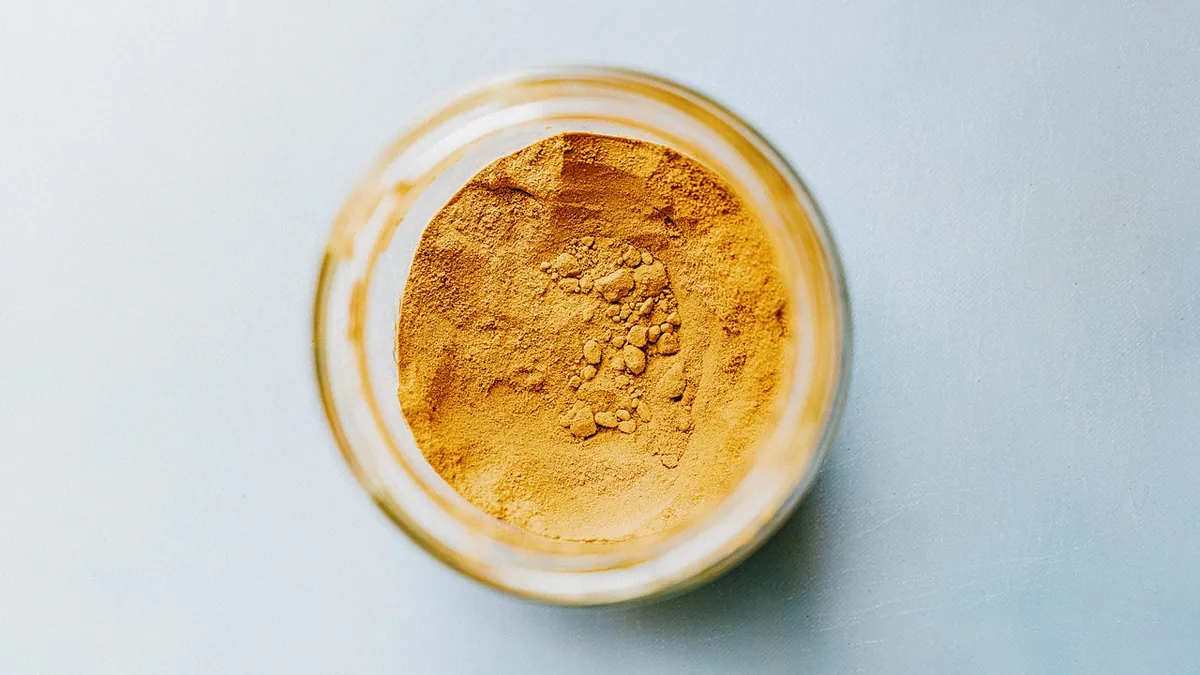
Can dogs eat mustard seeds? Plain mustard seeds are not a good choice for dogs. They are hard, pungent, and can irritate the mouth and stomach, and the sharp compounds in mustard plants are the same family of chemicals that make some mustard species toxic to animals [1]. Mustard greens are a different story and can be offered in small plain amounts, but prepared mustards (yellow, honey, Dijon, and sauces) are the real problem because of added salt, sugar, and spices.
This article is educational and is not a substitute for veterinary diagnosis or treatment.
Quick Answer
- Plain mustard seeds: skip them. They can cause mouth and stomach irritation and are a choking risk for small dogs.
- Mustard greens: a few plain, cooked, unseasoned leaves are generally safe for most healthy dogs.
- Prepared mustard and mustard sauce: avoid. Salt, sugar, garlic, onion, and sometimes xylitol are the concern, not the mustard itself.
- Mustard powder: avoid. It is concentrated and irritating, and it is easy for a dog to eat too much.
- Honey mustard: avoid. The honey adds sugar and the mustard adds salt, and some brands add onion or garlic powder.
Are Mustard Seeds Safe for Dogs?
No. Mustard seeds are not a safe treat for dogs. The seed itself is small and hard, and the pungent oils inside are irritating to mucous membranes. Mustard plants in the Brassicaceae family contain glucosinolates and isothiocyanates, which are the compounds behind that sharp, burning sensation [2]. In the ASPCA plant record for wormseed mustard, isothiocyanates are listed as the toxic principle, with gastrointestinal irritation as the expected clinical sign [1].
That does not mean a single seed will poison your dog. It means the seed offers no benefit and carries a real risk of mouth burning, drooling, vomiting, or stomach upset. For a small dog, a cluster of seeds can also be a choking hazard. If your dog licks a few seeds off a plate, watch for drooling and stomach upset, and call your veterinarian if symptoms appear.
Why Mustard Seeds Are Irritating
The heat in mustard comes from a chemical reaction that happens when the seed is crushed and mixed with liquid. That reaction produces isothiocyanates, the same class of compounds that give horseradish and wasabi their bite [2]. On a dog's gums and tongue, that bite feels like burning. On the way down, it can trigger nausea and vomiting. Dogs do not have a reason to eat mustard seeds, and there is no nutritional upside that justifies the risk.
What About Mustard Powder?
Mustard powder is ground mustard seed, so it is the same irritant in a more concentrated form. A dog who licks a spoon of powder or eats a spill can get a much larger dose of those sharp compounds than they would from a few whole seeds. Keep dry mustard powder sealed and out of reach, and do not add it to dog food.
Can Dogs Eat Mustard Greens?
Yes, in small plain amounts. Mustard greens are a leafy Brassica vegetable, related to kale, collards, and cabbage. Cooked, plain, unseasoned mustard greens can be a low-calorie vegetable addition for most healthy adult dogs. They provide fiber and some vitamins, and many dogs will eat a small spoonful mixed into their regular food.
The catch is preparation. Greens cooked with bacon, ham, butter, salt, onion, or garlic are not safe. Onion and garlic are toxic to dogs and can damage red blood cells. Salt and fat can trigger stomach upset or pancreatitis in sensitive dogs. If you want to share greens, steam or boil them plain, cool them, and offer a small amount.
The Thyroid Question
You may have read that Brassica vegetables affect the thyroid. A large systematic review of 123 studies looked at this question and found that the vast majority of results cast doubt on the idea that brassica plants have antithyroid effects in people [2]. Occasional small servings of plain mustard greens are not a thyroid concern for a healthy dog. If your dog has diagnosed thyroid disease, ask your veterinarian before adding any new vegetable to the bowl.
How Much Is a Safe Serving?
There is no published safe serving size for mustard greens in dogs, so your veterinarian is the right person to set an amount based on your dog's weight and health. As a general approach, keep it small. A tablespoon or two for a medium dog, mixed into a meal, is plenty. Greens should be a garnish, not a meal. Too much fiber at once can cause gas, loose stool, or vomiting.
If you are building a list of vegetables your dog can share, our guide to what kind of vegetables are safe for dogs to eat covers the basics.
Can Dogs Eat Honey Mustard?
No. Honey mustard is a condiment, and condiments are built for human palates, not dog bodies. The two main ingredients are the problem. Honey is concentrated sugar, and prepared mustard is high in sodium. A dog who eats a spoonful of honey mustard may end up with stomach upset from the sugar and salt load.
Many honey mustard products also contain onion powder, garlic powder, or both. Onion and garlic are toxic to dogs even in small repeated amounts, and powdered forms are more concentrated than fresh. Some specialty mustards and sauces contain xylitol, a sweetener that is severely toxic to dogs and can cause dangerous hypoglycemia and liver failure. Always read the label before you let a dog near any condiment.
Can Dogs Eat Mustard Sauce?
No. Mustard sauce, Dijon, yellow mustard, spicy brown, and similar products are all prepared condiments. The mustard seed content is small, but the additives are the issue. Salt, sugar, vinegar, spices, garlic, onion, and sometimes xylitol show up in these products. A dog who eats a large amount of mustard sauce can develop vomiting, diarrhea, and dehydration, and a dog who eats a xylitol-containing sauce needs emergency care right away.
There is one more reason to be careful with mustard in general. Mustard is a recognized food allergen, and a case report describes a 23-month-old child who developed hives, lip swelling, and cough within minutes of isolated mustard exposure and needed epinephrine [3]. Mustard is not currently required to be disclosed as a major allergen under United States labeling law, so it hides in condiments and processed foods [3]. Food allergy in dogs works differently than in people, but the takeaway is the same. Mustard is not a neutral ingredient, and repeated exposure is not something to encourage.
Mustard Forms at a Glance
| Form | Safe? | Notes |
|---|---|---|
| Plain mustard seeds | No | Hard, pungent, irritating to the mouth and stomach, choking risk [1] |
| Mustard powder | No | Concentrated ground seed, more irritating than whole seeds |
| Mustard greens (plain, cooked) | Yes, small amounts | Low-calorie vegetable, no seasoning, no onion or garlic |
| Yellow or Dijon mustard | No | High sodium, vinegar, spices |
| Honey mustard | No | Sugar plus sodium, often onion or garlic powder |
| Mustard sauce | No | Additives vary, check for xylitol, garlic, onion |
| Mustard oil | No | Concentrated, not a dog food ingredient |
Risks of Mustard for Dogs
Mouth and Stomach Irritation
The isothiocyanates in mustard are irritants [1]. A dog who eats mustard seeds or powder may drool, paw at the mouth, vomit, or refuse food. Symptoms usually track with how much was eaten. A taste is different from a spoonful.
Choking and Blockage
Whole seeds are small, but a large handful can be a choking risk, especially for toy breeds. Seeds can also clump in the throat or stomach. If your dog is gagging, retching, or breathing oddly after eating seeds, treat it as an emergency.
Additives in Prepared Mustard
This is where most real-world poisonings happen. Salt can cause vomiting, diarrhea, and in large amounts, sodium toxicity with neurologic signs. Sugar can upset the stomach. Garlic and onion damage red blood cells. Xylitol causes a rapid insulin release and can be life threatening. None of these belong in a dog's bowl.
Thyroid and Brassica Compounds
Brassica vegetables contain glucosinolates and isothiocyanates, which have been studied for a possible goitrogenic effect [2]. The evidence in people does not support a strong antithyroid effect from normal dietary intake [2]. For dogs, the practical point is moderation. A small serving of plain greens is not the same as a bowl of raw mustard every day.
Mustard Allergy
Mustard allergy is uncommon but real, and it can cause severe reactions including anaphylaxis [3]. If your dog has a known food allergy or has reacted to a condiment before, keep mustard away entirely.
How to Offer Mustard Greens Safely
If you want to share mustard greens, follow these steps.
- Choose fresh greens and rinse them well.
- Steam or boil them plain, with no salt, butter, oil, onion, or garlic.
- Cool them to room temperature.
- Chop them into small pieces to reduce choking risk.
- Start with a very small amount, about a teaspoon for a small dog or a tablespoon for a large dog.
- Mix into the regular meal so it is not eaten alone.
- Watch for vomiting, diarrhea, or gas over the next 24 hours.
Avoid raw greens in large amounts, canned greens with salt, and any greens cooked with meat drippings or seasoning. If your dog has a sensitive stomach, skip greens entirely and stick with their regular diet.
For more safe vegetable options, see what veggies can dogs eat and what are some safe vegetables for dogs to eat.
What to Do If Your Dog Ate Mustard
What you do depends on what and how much your dog ate.
If your dog ate a few plain mustard seeds, offer water and watch for drooling, vomiting, or mouth pawing. Call your veterinarian if symptoms start or if you are unsure.
If your dog ate mustard powder, a spoonful of prepared mustard, honey mustard, or mustard sauce, call your veterinarian or a pet poison hotline right away. Have the label ready so you can read the ingredients, including whether xylitol, onion, or garlic are listed.
If your dog ate a large amount of any mustard product, or if they are vomiting repeatedly, weak, wobbly, or collapsing, go to an emergency clinic now. Do not wait for symptoms to get worse.
Do not induce vomiting unless a veterinarian tells you to. Some products can cause more damage coming back up.
Safer Alternatives
If you want to give your dog a crunchy or flavorful treat, there are better options than mustard.
- Plain cooked green beans, chopped small
- Plain cooked carrots
- Plain cooked zucchini
- A small piece of plain cooked pumpkin
- A few plain unsalted sunflower seeds, shelled, in very small amounts
If you are considering seeds as a snack, our article on can dogs eat sunflower seeds explains shell hazards and fat content. For fruit seeds, see can dogs eat strawberries seeds.
Limitations and When to Contact a Veterinarian
This article gives general guidance, not a diagnosis or a treatment plan. Every dog is different, and individual cases need a veterinarian who can examine your dog, ask about the amount eaten, and account for weight, age, and health conditions.
Contact your veterinarian the same day if your dog ate mustard seeds, mustard powder, or a prepared mustard product and has mild drooling, one episode of vomiting, or mild stomach upset.
Go to an emergency clinic now if your dog has repeated vomiting, diarrhea, weakness, wobbling, collapse, seizures, difficulty breathing, swelling of the face or lips, or hives. These signs can indicate serious toxicity or an allergic reaction [3].
Call your veterinarian for a routine visit if your dog has eaten mustard greens regularly and you want to review their diet, or if your dog has thyroid disease and you are considering adding Brassica vegetables [2].
Frequently Asked Questions
Can dogs eat mustard seeds without getting sick?
Some dogs eat a seed or two and show no signs, but that does not make seeds safe. The isothiocyanates in mustard are irritants, and the ASPCA lists gastrointestinal irritation as a clinical sign for mustard plants [1]. Keep seeds away from your dog and call your veterinarian if they eat a handful.
Are mustard greens better for dogs than mustard seeds?
Yes, plain cooked mustard greens are the safer form. The leaves have far less of the sharp, concentrated compounds than the seeds, and they can be served as a small vegetable addition. The greens still need to be plain, with no salt, onion, garlic, or fat.
Is a little yellow mustard on a sandwich dangerous for my dog?
A single lick is unlikely to cause serious harm, but prepared mustard is not a safe food to share. The salt, vinegar, and spices can upset the stomach, and some products contain onion, garlic, or xylitol. If your dog ate more than a taste, call your veterinarian with the label in hand.
Can mustard cause an allergic reaction in dogs?
Mustard is a recognized food allergen, and a published case describes anaphylaxis in a child after isolated mustard exposure [3]. Food allergy in dogs is diagnosed differently, but if your dog has reacted to a condiment with hives, swelling, or vomiting, avoid mustard and talk to your veterinarian.
What should I do if my dog ate mustard powder?
Call your veterinarian or a pet poison hotline right away. Mustard powder is concentrated ground seed and is more irritating than whole seeds. Do not wait for symptoms, and do not induce vomiting unless a veterinarian tells you to.
Related Articles
- Can Dogs Eat Sunflower Seeds? Shell Hazards and Fat
- What Kind Of Vegetables Are Safe For Dogs To Eat
- What Veggies Can Dogs Eat
- What Are Some Safe Vegetables For Dogs To Eat
- Can Dogs Eat Strawberries Seeds
- Safe Veggies For Dogs To Eat
- Can Dogs Eat Ketchup and Mustard? Condiment Safety
- Can Dogs Eat Dill? Leaves, Seeds, and Stems Explained
- Can Dogs Eat Turnips? Raw, Cooked, and Greens Safety
References
- Toxic and Non-toxic Plants: Wormseed Mustard. ASPCA Animal Poison Control Center.
- Do Brassica Vegetables Affect Thyroid Function?-A Comprehensive Systematic Review. International journal of molecular sciences, 2024.
- Mustard-Induced Anaphylaxis in a 23-Month-Old Male: An Underrecognized Pediatric Food Allergen in the United States. Cureus, 2026.