Can Cats Eat Dill? Pickles, Relish, and Dill Weed
By Dr. Zubair Khalid, DVM, MS, PhD ·
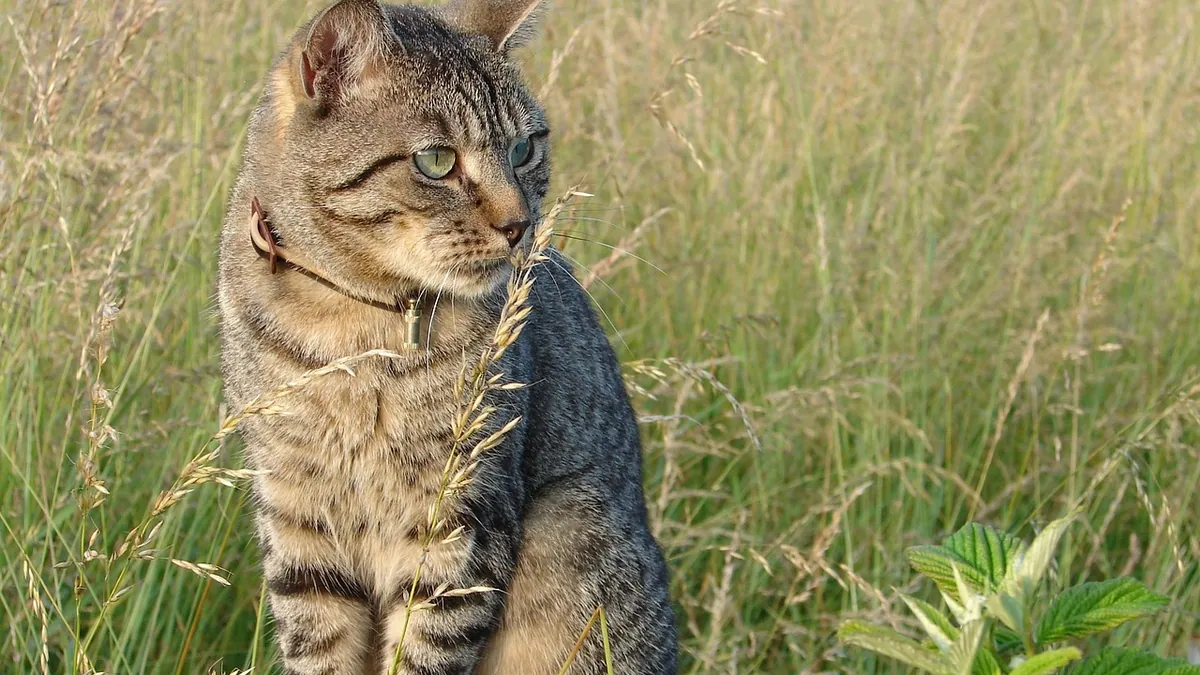
Dill itself is not toxic to cats, so a small taste of fresh dill weed is generally safe. The trouble starts when dill comes in a jar or a tub, because pickles, relish, and dill dip carry salt, garlic, onion, and other ingredients that can harm your cat. This article separates the herb from the jarred products so you know exactly what to allow and what to keep sealed.
This article is educational and is not a substitute for veterinary diagnosis or treatment.
Quick Answer
- Plain dill weed (fresh or dried) is listed as non-toxic to cats by the ASPCA Animal Poison Control Center [1].
- Dill pickles, dill relish, and dill dip are not safe offerings because of added salt, garlic, onion, and fats.
- A small pinch of clean, unseasoned dill is enough. Dill is a garnish, not a meal.
- Dill herb oil is a concentrated flavoring with a defined safe feed level for cats, but that does not mean you should dose your cat at home [2].
- If your cat ate a pickle, relish, or onion-containing dip, call your veterinarian or a pet poison hotline right away.
Is Dill Safe for Cats?
Yes, the dill plant is considered non-toxic to cats. The ASPCA Animal Poison Control Center lists dill (Anethum graveolens) as non-toxic to cats, dogs, and horses [1]. The only toxic principle noted in that record is the plant's essential oils, and the clinical sign listed is dermatitis with prolonged contact, meaning skin irritation from repeated handling instead of poisoning from eating [1].
That distinction matters. A cat that brushes against a dill plant or nibbles a frond is not in the same situation as a cat that laps up pickle brine. The plant is the safe part. The jar is where the problems live.
Can Cats Eat Dill Herb and Dill Leaves?
Yes, a small amount of dill herb or dill leaves is fine. Dill leaves are the feathery green fronds you snip over food, and they contain very little of anything that would upset a cat in a taste-sized portion. Your cat may sniff it, lick it, or walk away, and all three responses are normal. Cats are obligate carnivores, so they have no nutritional requirement for dill or any other herb.
Can Cats Eat Dill Seeds?
Dill seeds are the small, flat, brown seeds sold as a spice. They are not toxic to cats, but whole seeds are hard, and a cat that gulps several could choke or end up with stomach upset. Ground dill seed mixed into a commercial cat food is a different situation from a pile of seeds on a plate. If your cat licks a few seeds off the floor, watch for coughing, gagging, or vomiting. If your cat seems fine, no treatment is needed.
Can Cats Eat Dill Pickles?
No, you should not feed your cat dill pickles. A pickle is a cucumber that has soaked in brine, and that brine is mostly salt, vinegar, and often garlic or onion. None of those belong in a cat's diet. A single small piece of pickle is unlikely to be an emergency, but it offers your cat nothing and adds sodium it does not need.
Can Cats Eat Dill Relish?
No, dill relish is not a safe treat. Relish is chopped pickled cucumber with the same brine problems as a whole pickle, plus sugar in many recipes. The texture also makes it easy for a cat to lick up a larger amount than you intended. Treat relish the same way you treat pickles: keep it away from your cat.
What Is Actually in Dill?
Dill is a low-calorie herb. The leaves and seeds carry small amounts of plant oils, including the compounds that give dill its smell, and trace vitamins and minerals. For a cat, that nutritional content is close to meaningless. Cats need animal-based protein, fat, and a set of specific nutrients, and dill does not supply any of them in a useful amount.
There is one interesting research angle. A study in rats found that dill leaf extract reduced markers of liver injury and fat accumulation in obese animals fed a high-fat diet [3]. That is a rat study about a concentrated extract given by gavage, not a reason to feed your cat dill. Do not read it as a green light for using dill to treat anything in your cat.
The more relevant safety data comes from feed science. A European Food Safety Authority panel reviewed dill herb oil used as a flavoring in pet food and concluded it is safe at use levels of 7 mg/kg in complete feed for dogs and 5 mg/kg for cats [2]. That is a manufacturing standard for commercial feed, not a home dosing instruction. It also flagged the oil as irritating to skin and eyes and as a possible skin and respiratory sensitizer [2]. In plain terms, concentrated dill oil is a workplace chemical, not a kitchen supplement.
Risks of Feeding Dill to Cats
Salt
Salt is the biggest problem with pickles and relish. Cats have a low sodium requirement, and a high sodium load can cause vomiting, diarrhea, lethargy, tremors, and in severe cases neurologic signs. A study in healthy cats found that treats with higher sodium increased total water intake and lowered urine specific gravity, which shows that dietary sodium shifts how a cat handles water [4]. That study used controlled treat formulations, not pickle brine, but the principle holds. More salt means more work for your cat's body.
Garlic and Onion
Garlic and onion are common in pickle brine, relish, and dill dip. Both are in the Allium family and can damage a cat's red blood cells, leading to anemia. Cats are more sensitive to this than dogs. Even small repeated exposures can add up. This is the main reason a "just one bite" of a seasoned pickle is a bad idea.
Choking and GI Upset
Whole dill seeds, chunks of pickle, and thick dip can cause choking or vomiting. Cats are not built to chew hard plant material. A cat that eats a large amount of any new food may vomit, have diarrhea, or go off its normal food for a day.
Skin and Eye Irritation
Dill herb oil is classified as an irritant to skin and eyes and as a dermal and respiratory sensitizer [2]. If you are working with concentrated dill oil, keep your cat out of the room. Essential oils can also be toxic to cats when diffused heavily or applied to the coat, so do not use dill oil on or near your cat.
Additives in Dips and Dressings
Dill dip and creamy dressings often contain onion powder, garlic powder, salt, sugar, and dairy. Some reduced-sugar or "keto" products contain xylitol or other sugar alcohols, which are dangerous to pets. Read labels before you assume a dip is mostly dill.
Dill Forms at a Glance
| Form | Safe? | Notes |
|---|---|---|
| Fresh dill weed or leaves | Yes, in tiny amounts | Wash it, offer a small pinch, no seasoning [1] |
| Dried dill weed | Yes, in tiny amounts | Check that it is plain dill with no salt or garlic blend |
| Dill seeds | Not recommended | Not toxic, but a choking and stomach upset risk |
| Dill herb oil | No for home use | Safe only at defined feed levels in commercial food [2] |
| Dill pickles | No | High salt, vinegar, often garlic or onion |
| Dill relish | No | Same brine issues plus sugar |
| Dill dip or dressing | No | Salt, garlic, onion, dairy, possible xylitol |
How to Offer Dill Safely
If you want to let your cat try dill, keep it simple. Pick one or two clean fronds from a plant you know has not been sprayed with pesticide. Rinse them under running water. Offer a piece no bigger than your fingertip and put it on a plate instead of holding it in your hand, so your cat can choose to eat it or ignore it.
Do not add dill to your cat's regular food. Cats can be picky, and a cat that decides it dislikes the smell may refuse the whole bowl, which is a real problem if the food is a prescription diet. Keep dill as a separate, occasional taste.
Avoid anything from a jar, can, or deli counter. That includes pickles, relish, pickled vegetables, dill sauces, and seasoned spice blends. If a product lists onion, garlic, onion powder, or garlic powder anywhere on the label, it is off limits.
If you are looking for safe human foods to share, plain cooked egg is a better option than anything pickled. You can read more about that in Can Cats Eat Eggs. Plain cooked peas are another food some owners offer in small amounts, covered in Can Cats Eat Peas? Fiber & Commercial Cat Food. Both are still treats, not replacements for a complete cat food.
What If Your Cat Ate Dill or a Pickle?
If your cat nibbled a plain dill leaf, there is nothing to treat. Watch for a few hours. If your cat is eating, drinking, and behaving normally, you can relax.
If your cat ate a pickle, a spoonful of relish, or a dip that contains onion or garlic, act the same day. Call your veterinarian or a pet poison hotline and describe what your cat ate, how much, and when. Bring the label if you have it. Onion and garlic toxicity can take a day or more to show up as weakness, pale gums, or dark urine, so early advice matters.
If your cat is vomiting repeatedly, drooling, wobbling, having trouble breathing, or collapsing, treat it as an emergency and go to the nearest veterinary hospital now.
Safer Alternatives to Dill
Most cats do not need plant treats at all. If you want to give your cat something special, choose a treat made for cats and keep it to a small part of daily calories. Commercial cat treats are formulated for cats, and feeding instructions on cat food labels are designed around energy needs, though research suggests some labels may overestimate how much a cat should eat [5]. That is one more reason to keep any treat small.
If your cat likes to chew greenery, offer cat grass or a cat-safe plant instead of kitchen herbs. If you are curious about other plants owners ask about, Can Cats Eat Valerian Root? Sedative Effect and Dosing explains a plant with real behavioral effects, and Can Cats Eat Spinach? Calcium Oxalate Bladder Stones covers a leafy green with its own caveats. For a plain protein treat, Can Cats Eat Hot Dogs walks through why processed meats are usually a poor choice.
Limitations and When to Contact a Veterinarian
This article covers general information about dill and dill products. It cannot tell you what is happening inside your specific cat. Individual cases need a veterinarian who can examine your cat, ask about the amount eaten, and run tests if needed.
Call your veterinarian the same day if your cat ate relish, pickle, or dip containing onion or garlic, if your cat vomited more than once, or if your cat seems tired or off its food.
Go to an emergency clinic now if you see pale gums, weakness, collapse, tremors, trouble breathing, dark or brown urine, or repeated vomiting that will not stop.
Schedule a routine visit if your cat has had mild stomach upset for more than a day, or if you are unsure whether a product contained a toxic ingredient and want guidance.
Frequently Asked Questions
Can cats eat dill everyday?
No, dill should not be a daily part of your cat's diet. Cats do not need plant foods, and a daily herb habit can crowd out balanced nutrition or cause stomach upset. An occasional tiny taste is enough.
Is dried dill from the spice rack safe for cats?
Plain dried dill is safe in a small pinch, but many spice blends mix dill with salt, garlic, or onion powder. Check the ingredient list first. If the label lists anything beyond dill, do not offer it.
What happens if my cat drinks pickle juice?
Pickle juice is high in salt and often contains garlic or onion, so it can cause stomach upset and, in larger amounts, sodium or Allium toxicity. Call your veterinarian or a pet poison hotline for advice based on how much your cat drank. Do not wait for symptoms.
Can dill help my cat's digestion?
There is no evidence that dill treats digestive problems in cats. A rat study found liver benefits from a concentrated dill extract, but that does not apply to cats eating dill at home [3]. If your cat has ongoing vomiting, diarrhea, or appetite loss, see your veterinarian instead of trying herbs.
Are dill essential oils safe to diffuse around cats?
No, you should not diffuse dill essential oil around your cat. Dill herb oil is classified as a skin, eye, and respiratory irritant and a sensitizer [2], and cats clear many essential oil compounds poorly. Keep concentrated oils out of rooms your cat uses.
Related Articles
- Can Cats Eat Valerian Root? Sedative Effect and Dosing
- Can Cats Eat Hot Dogs
- Can Cats Eat Eggs
- Can Cats Eat Spinach? Calcium Oxalate Bladder Stones
- Can Cats Eat Peas? Fiber & Commercial Cat Food
- Will Cats Eat Hot Dogs
- Can Cats Eat Pickles? Vinegar, Salt and Safety
- Can Cats Eat Mint? Which Mints Are Safe and Which Are Toxic
- Can Cats Eat Mustard? Greens, Seeds, and Sauce
References
- Toxic and Non-toxic Plants: Dill. ASPCA Animal Poison Control Center.
- Safety and efficacy of a feed additive consisting of an essential oil from the aerial parts of Anethum graveolens L. (dill herb oil) for use in dogs and cats (FEFANA asbl). EFSA journal. European Food Safety Authority, 2022.
- Dill extract attenuates liver fibrosis and steatohepatitis in obese rats via modulating TGF-β1 signaling and collagen accumulation. Research in pharmaceutical sciences, 2025.
- Consuming treats with amino acids, osmolytes and sodium increased total water intake and decreased urine specific gravity of healthy cats. Journal of feline medicine and surgery, 2026.
- An investigation of feeding instructions on cat food labels in Belgium and comparison with European industry energy intake recommendations. The Veterinary record, 2026.