Can Cats Eat Marrow Bones? Safety and Splinter Risk
By Dr. Zubair Khalid, DVM, MS, PhD ·
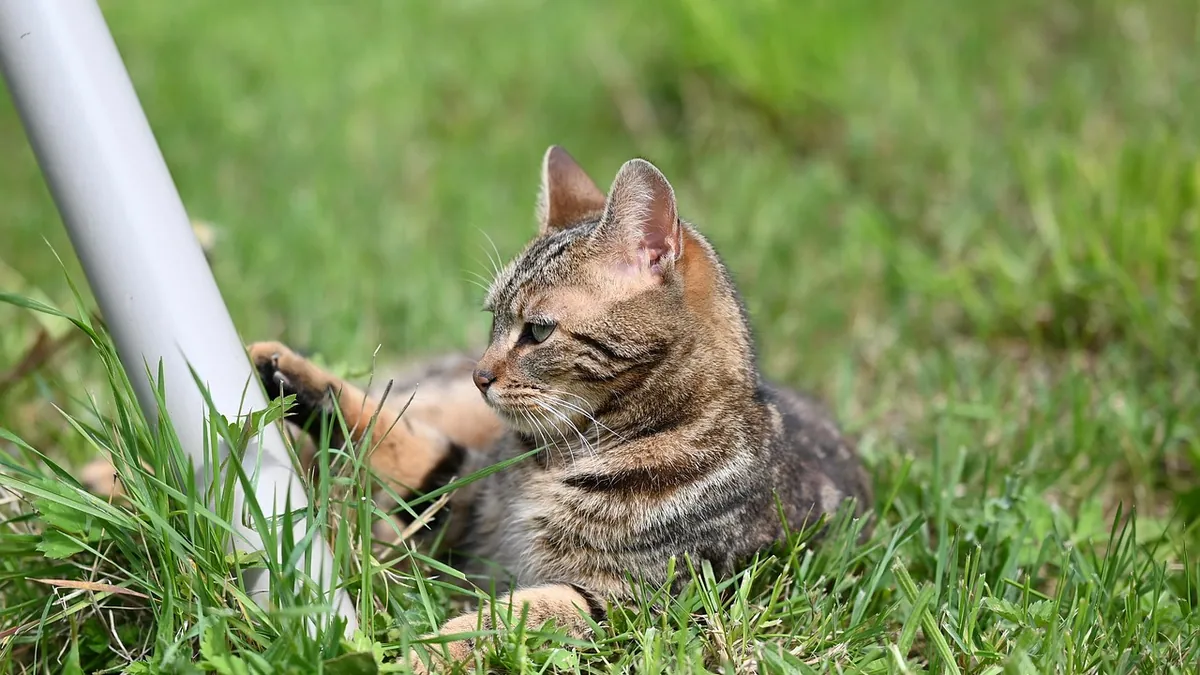
Cats should not eat marrow bones. Cooked bones splinter into sharp pieces that can perforate the mouth, throat, or intestines, and raw marrow bones carry bacteria plus a real risk of breaking teeth. If you are wondering "can cats eat beef marrow bones," the short answer is no, and there are safer ways to give your cat the nutrients marrow provides.
This article is educational and is not a substitute for veterinary diagnosis or treatment.
Quick Answer
- Skip all cooked bones, including marrow bones from soup, stock, or roasted beef. Heat makes bone brittle and splintery.
- Skip raw marrow bones too. They can crack teeth, cause choking, and shed Salmonella, E. coli, and other bacteria onto your floors and your cat's fur.
- Bone marrow is mostly fat. It is not a balanced source of calcium or protein for a cat.
- Never give bones that have been seasoned with salt, garlic, onion, or xylitol. These can be toxic to cats.
- If your cat ate a bone, call your veterinarian or a pet poison hotline right away, even if your cat seems fine.
Can Cats Eat Beef Marrow Bones? The Verdict
No. Beef marrow bones are not a safe treat for cats, whether they are raw or cooked.
The biggest danger is the bone itself. Cooked bones become hard and brittle, and they break into sharp shards when a cat chews or swallows them. Those shards can lodge in the mouth, scratch the esophagus, or puncture the stomach or intestines. This is a surgical emergency, and it can be fatal.
Raw bones are not a safe swap. They are softer, but they still fracture teeth, and they carry a heavy bacterial load. Cats are not built to gnaw through large weight-bearing bones the way some large dogs are. A cat's jaw and teeth are designed for tearing meat, not crushing dense bone.
There is also a hidden risk with bones that get stuck. A piece of bone can sit in the stomach or bowel and cause an obstruction. Cats with a foreign body in the urinary tract have been treated successfully with specialized retrieval procedures [1], and the same principle applies to the gut: a lodged object often needs imaging and sometimes surgery to remove.
Are There Any Benefits to Bone Marrow for Cats?
Bone marrow is high in fat and calories. It contains some fat-soluble vitamins and trace minerals, but it is not a meaningful source of the nutrients cats actually need in balance, such as taurine, complete protein, and calcium in the right ratio.
A cat's nutritional needs are met by a complete and balanced commercial diet or a properly formulated homemade diet. Tossing in a marrow bone adds fat and risk without filling a nutritional gap. If you want to support joint health or hydration, a safer route is bone broth made without bones your cat can chew. You can read more about that in Can Cats Eat Bone broth? Joint Health & Hydration.
If you are looking for organ meat to add variety, liver is a better-known option, but it comes with its own limits. See Can Cats Eat Beef liver? Vitamin A Toxicity Warnings for the details.
Risks of Giving Marrow Bones to Cats
Choking and airway obstruction
Bone fragments can wedge in the throat. A cat who is pawing at the mouth, gagging, drooling, or breathing with effort needs emergency care now.
Mouth and dental injuries
Marrow bones are hard enough to fracture a cat's teeth, especially the large canine teeth and the molars. A fractured tooth is painful and often needs extraction or a root canal. Cats with underlying bone conditions are at higher risk. In one study of cats with patella fracture and dental anomaly syndrome, 22.2% had additional fractures, most often in the proximal tibia and proximal fibula [2]. That tells us some cats have fragile bones to begin with, and hard chewing is a bad idea for them.
Gastrointestinal damage and obstruction
Sharp bone pieces can cut the lining of the stomach or intestine. Signs include vomiting, refusing food, abdominal pain, and lethargy. In severe cases, bacteria can escape into the abdomen and cause infection. A cat with septic splenitis, an infection of the spleen, was treated with intravenous antibiotics and then surgery, followed by a four-week course of pradofloxacin at 5 mg/kg given by mouth every 24 hours, and made a full recovery [3]. That case was not caused by a bone, but it shows how serious internal bacterial infections in cats can become.
Bacterial contamination
Raw bones are a known source of Salmonella, E. coli, and Campylobacter. These bacteria can make your cat sick, and they can spread to you and your family through your cat's mouth, paws, and food bowls. Cats with weakened immune systems, young kittens, and seniors are at the highest risk.
Additives and seasonings
Bones from your kitchen are often seasoned. Watch for these:
- Salt: large amounts can cause sodium poisoning, especially in small cats.
- Garlic and onion: these damage red blood cells and cause anemia in cats.
- Xylitol: a sugar alcohol that is toxic to pets and can cause dangerous drops in blood sugar.
- Smoke flavoring and marinades: often high in salt and sugar.
Fracture risk in cats
Bone fractures are common in cats. In a one-year review of 325 cats treated surgically for fractures, 63.7% were male and 61.3% were younger than 3 years [4]. Young, curious cats are the ones most likely to chew things they should not. Do not add a hard bone to that mix.
Can Cats Eat Chicken Bone Marrow?
No. The same rules apply. Chicken bones are smaller and splinter even more easily than beef bones, and cooked chicken bones are among the most common causes of esophageal and intestinal injuries in pets. Raw chicken bones carry the same bacterial risks as raw beef bones, plus a higher chance of choking because of their size and shape.
If you want to give your cat plain cooked chicken meat, that is a different conversation. Remove every bone first. For guidance, see Can Cats Eat Cooked chicken? Bones & Protein Guidelines.
Can Cats Eat Cooked Marrow?
No. Cooking changes bone structure and makes it more likely to shatter. A cooked marrow bone is more dangerous than a raw one, not less. This is the opposite of what many owners assume.
If a marrow bone has been simmered in a stew or stock, it is still unsafe to hand over. The bone is soft on the outside but can crack into needles. Keep it out of reach and put it in a lidded trash can.
Can Cats Eat Beef Marrow?
Plain beef marrow, scooped out of the bone and served as a soft fat, is not toxic to cats in tiny amounts. That said, it is very rich. A teaspoon can trigger vomiting or diarrhea in a cat who is not used to high-fat food, and repeated high-fat treats can contribute to pancreatitis.
If your veterinarian approves a small taste, keep it to a pea-sized amount and watch for stomach upset. Do not make it a regular part of the diet. Marrow is not a substitute for a balanced meal.
How to Offer Marrow Nutrients Safely
You do not need a bone to give your cat the good parts of marrow. Here is how to do it with less risk.
- Use a complete and balanced cat food as the base of the diet. This is the only reliable way to meet all nutrient needs.
- Try bone broth made without edible bones. Simmer bones for flavor, then strain out every solid piece before serving. Offer a tablespoon at a time.
- Choose soft, cat-safe treats. Freeze-dried meat treats, small pieces of plain cooked chicken, or a lick of plain canned pumpkin are safer than any bone.
- Ask your veterinarian before adding supplements. Fat-soluble vitamins and minerals can build up to toxic levels if you guess at doses.
- Keep bones out of reach. Secure trash cans, compost bins, and plates after meals. Cats are good at finding what you leave behind.
Form | Safe? | Notes
| Form | Safe? | Notes |
|---|---|---|
| Raw beef marrow bone | No | Choking, tooth fracture, bacteria |
| Cooked beef marrow bone | No | Splinters into sharp shards |
| Raw chicken bone | No | Small, splinters easily, bacteria |
| Cooked chicken bone | No | High risk of perforation |
| Plain beef marrow (soft, no bone) | Only in tiny amounts with vet approval | Very high fat, can cause GI upset |
| Bone broth, strained | Generally safe in small amounts | No solid bone pieces |
| Seasoned bone (salt, garlic, onion, xylitol) | No | Toxic additives |
What to Do If Your Cat Ate a Bone
Stay calm and act fast.
- Remove any remaining bone from your cat's reach.
- Do not induce vomiting unless a veterinarian tells you to.
- Call your veterinarian or a pet poison hotline right away. Have the type of bone, how much was eaten, and the time it happened ready.
- Watch for red flags: gagging, pawing at the mouth, drooling, vomiting, diarrhea, refusing food, lethargy, or abdominal pain.
- Go to an emergency clinic if your cat is struggling to breathe, has blood in the stool or vomit, or is collapsing.
Even if your cat seems fine, a bone can sit in the stomach for hours before signs appear. A veterinarian may recommend imaging to check for a blockage.
Safer Alternatives to Marrow Bones
You have plenty of options that give your cat variety without the risk.
- Freeze-dried single-ingredient treats made from chicken, rabbit, or fish.
- Small pieces of plain cooked meat with all bones removed.
- Commercial dental treats designed for cats. These are softer than bones and shaped to help with plaque.
- Food puzzle toys stuffed with wet food. These keep your cat busy without anything hard to chew.
- Novel proteins such as rabbit, if your cat has food sensitivities. For more on that, see Can Cats Eat Rabbit Meat? Novel Protein and Bone Safety.
If you want to add a little fruit for enrichment, a tiny piece of strawberry is fine for most cats. Learn more in Can Cats Eat Strawberries? Nutritional Benefits and Risks.
Limitations and When to Contact a Veterinarian
This article covers general safety, not your cat's specific situation. Individual cases need a veterinarian who can examine your cat, ask about the bone, and decide on testing or treatment.
Contact your veterinarian the same day if:
- Your cat ate any cooked bone.
- Your cat ate a raw bone and you are not sure how much.
- Your cat has mild vomiting or diarrhea but is still eating and acting mostly normal.
Go to an emergency clinic now if:
- Your cat is gagging, choking, or having trouble breathing.
- Your cat is drooling heavily or pawing at the mouth.
- Your cat is vomiting repeatedly or vomiting blood.
- Your cat has a swollen, painful belly.
- Your cat is weak, collapsing, or unresponsive.
- You see blood in the stool.
Schedule a routine visit if:
- Your cat has a broken or loose tooth after chewing a bone.
- Your cat has had repeated stomach upset after treats.
- You want help choosing a balanced diet or safe treats.
Frequently Asked Questions
Can cats eat bone marrow?
Plain bone marrow is not toxic, but it is very high in fat and can cause vomiting or diarrhea. It is not a balanced food, and it does not replace a complete diet. Most veterinarians recommend skipping it.
Can cats eat raw bones?
No. Raw bones carry bacteria such as Salmonella and E. coli, and they can fracture teeth or cause choking. Cats are not built to chew through dense bones safely.
What happens if a cat eats a cooked bone?
Cooked bones splinter into sharp pieces that can cut the mouth, throat, stomach, or intestines. This can become a life-threatening emergency. Call your veterinarian right away, even if your cat seems fine.
Is bone broth safe for cats?
Strained bone broth with no solid bone pieces is generally safe in small amounts. It can add flavor and moisture to food. Avoid broth made with garlic, onion, or added salt.
Can I give my cat marrow as a supplement?
No. Marrow is not a reliable supplement, and the fat content can upset your cat's stomach. Ask your veterinarian before adding any supplement, and let them calculate the right amount for your cat's weight and health.
Related Articles
- Can Cats Eat Bone broth? Joint Health & Hydration
- Can Cats Eat Beef liver? Vitamin A Toxicity Warnings
- Can Cats Eat Rabbit Meat? Novel Protein and Bone Safety
- Can Cats Eat Cooked chicken? Bones & Protein Guidelines
- Can Cats Eat Strawberries? Nutritional Benefits and Risks
- Can Dogs Eat Cooked Bones?
- Can Cats Eat Bones? Fish, Chicken and Safety
- Can Cats Eat Rib Bones? Cooked Bones and Blockage Risk
- Can Cats Eat Pork Bones, Chops, or Sausage? Safety Guide
References
- Fluoroscopy-guided basket retrieval of a chronic urinary foreign body in a cat. The Canadian veterinary journal = La revue veterinaire canadienne, 2026.
- EXPRESS: Radiographic findings of the femora and tibiae in cats affected by patella fracture and dental anomaly syndrome. Journal of feline medicine and surgery, 2026.
- Successful Management of Septic Splenitis in an Abyssinian Cat. Veterinary medicine and science, 2026.
- A survey study on surgical management of cat fractures in the State of Kuwait. Open veterinary journal, 2026.