Can Cats Have Chicken Broth? Onion and Salt Risks
By Dr. Zubair Khalid, DVM, MS, PhD ·
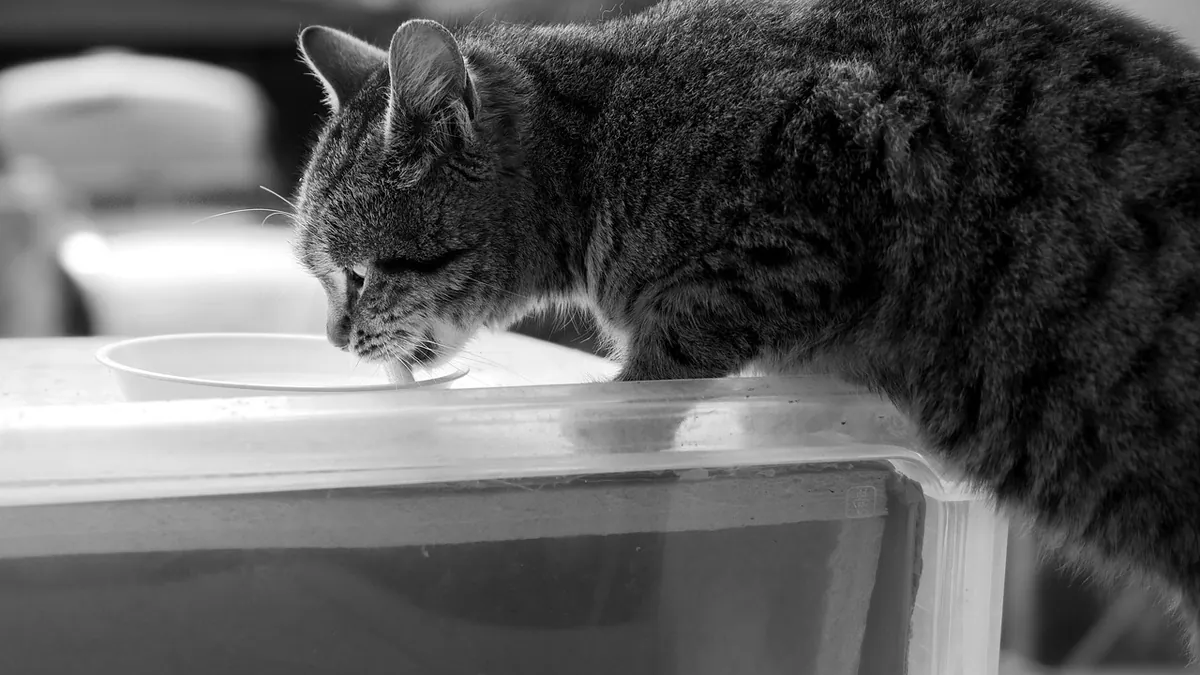
Can cats eat chicken broth? Yes, if it is plain, unsalted, and free of onion and garlic. Many broths sold for people contain those ingredients, and some are high in sodium, so the label matters more than the name on the carton. This article is educational and is not a substitute for veterinary diagnosis or treatment.
Quick Answer
- Plain, unsalted chicken broth with no onion, garlic, or other seasonings is safe for most cats in small amounts.
- Broth made with onion or garlic powder should not be given, since allium plants damage cat red blood cells.
- High-sodium broth can cause dehydration, vomiting, diarrhea, and in serious cases kidney problems [1][2].
- Broth is not a meal. It adds moisture and flavor but very little nutrition on its own.
- If your cat drank broth with onion, garlic, or a large amount of salt, call your veterinarian or a pet poison hotline right away.
Is Chicken Broth Safe for Cats?
Plain chicken broth is safe for most cats. The catch is that "plain" rules out most of what sits on grocery shelves. A basic homemade broth of chicken and water, with no salt and no aromatics, is fine as an occasional treat or as a way to soften dry food.
Store-bought broth is a different story. Many cartons and cans list onion, garlic, or both, plus added salt. Those are the two problems that make a broth unsafe. If the ingredient list has only chicken, water, and maybe a little chicken fat, you are in safe territory. If it lists onion powder, garlic powder, "natural flavors," or a sodium number that looks high, put it back.
You can also use broth to encourage a cat who does not drink enough water. Cats on dry diets often take in less total water than they need, and offering a high-moisture treat can raise their total water intake and lower urine concentration [3]. That is a real benefit, but it only holds if the broth itself is safe.
Can Cats Eat Chicken Broth With Onion?
No. Broth made with onion should not be given to a cat, even in small amounts. Onion, garlic, leeks, chives, and shallots belong to the allium family, and all of them can damage feline red blood cells. Cats are more sensitive to this than dogs.
The risk is not always obvious right away. A cat that laps a spoonful of onion broth may look fine for a day or two, then become weak or pale. Because the effect builds over time, repeated small servings are more dangerous than a single taste. Cooking does not remove the problem. Onion powder is often more concentrated than fresh onion, so a broth that tastes mild to you can still carry a meaningful dose for a cat.
If a label says "onion," "onion powder," "dehydrated onion," or "garlic," treat that broth as off limits. This applies to bone broth too, which is often simmered with the same aromatics. If you want to know how bone broth compares, see Can Cats Eat Bone broth? Joint Health & Hydration.
Can Cats Drink Chicken Broth?
Yes, a cat can drink plain, unsalted chicken broth. Offer it in a small dish, a tablespoon or two at a time, and watch how your cat responds. Some cats love the smell and will drink it right down. Others ignore it completely.
Do not leave broth sitting out for hours. A saucer of broth at room temperature grows bacteria quickly, and a cat with a sensitive stomach may vomit afterward. Offer it fresh, then pick up whatever is left after about 20 minutes.
If your cat has kidney disease, heart disease, or a history of urinary problems, ask your veterinarian before adding broth to the routine. Sodium and fluid balance matter a lot in those cats, and your vet knows your cat's lab work. Diet is one of the few risk factors owners can actually control when it comes to urinary stones, and the details are specific to each cat [4].
What Is in Chicken Broth?
Chicken broth is mostly water with a small amount of protein, some fat, and minerals pulled from the bones and meat. It is not a balanced food. It does not replace a complete and balanced cat diet, and it should never make up a large share of what your cat eats.
The nutrition in broth is modest. You get a little collagen and amino acids, plus the moisture, which is the main practical benefit. If you are looking for protein, plain cooked chicken is a better choice. For guidance on that, see Can Cats Eat Cooked chicken? Bones & Protein Guidelines.
Senior cats are a group where moisture and palatability often matter more. Older cats have specific nutritional needs, and veterinary recommendations for them focus on energy, protein, fat, and water [5]. Broth can help with the water part and with tempting a picky appetite, but it does not cover the rest.
Risks of Chicken Broth for Cats
Salt and Sodium
Salt is the most common problem in commercial broth. Cats need some sodium for normal body function, but too much pulls water out of the body and causes dehydration [1][2]. Signs of salt toxicity include vomiting, diarrhea, lethargy, and in severe cases kidney failure [1][2]. Both too much and too little salt can damage organs, which is why you should not guess at amounts [2].
A human "low sodium" broth is still not a cat product. Your veterinarian can tell you whether any added sodium is appropriate for your cat and how much, based on weight and health status.
Onion and Garlic
These are the toxicity risk in broth. Onion and garlic damage red blood cells and can lead to anemia. Signs may include weakness, pale gums, fast breathing, and dark urine. They can appear a day or more after eating, so do not assume a cat is fine just because it seems normal right after.
Xylitol and Other Additives
Xylitol is a well-known dog poison that causes dangerous low blood sugar and liver failure in dogs. A controlled study in cats did not find the same effects, so it is not considered highly toxic to cats the way it is to dogs. Even so, sugar-free products and artificial sweeteners do not belong in a cat's diet. Read labels for xylitol, and skip any broth or "flavor enhancer" that contains it.
Choking and GI Upset
Broth itself is a liquid, so choking is not the main concern. The risk comes from what you add to it. Bones, bone shards, and chunks of meat can cause choking or blockages. Rich, fatty broth can trigger vomiting or diarrhea in cats who are not used to it. Start with a very small amount and see how your cat handles it.
Herbs, Spices, and "Natural Flavors"
Many broths include celery, carrot, parsley, pepper, or a vague "spice blend." Some of these are harmless in tiny amounts, and some are not well studied in cats. When the label is unclear, the safest move is to skip it. If you want to know which vegetables are reasonable to share, see Can Cats Eat Carrots? Vitamin A & Digestibility.
Form | Safe? | Notes
| Form | Safe? | Notes |
|---|---|---|
| Homemade chicken broth, no salt, no onion or garlic | Yes | Best option. Simmer chicken in water, strain, cool, skim fat. |
| Store-bought broth with onion or garlic | No | Allium plants damage cat red blood cells. |
| Store-bought broth, plain but salted | Usually no | High sodium can cause dehydration and GI signs [1][2]. |
| Low-sodium or "no salt added" broth | Sometimes | Check every ingredient. Ask your vet if your cat has heart or kidney disease. |
| Bone broth with onion or garlic | No | Same allium risk as regular broth. |
| Broth-based gravy or soup with seasonings | No | Often contains onion, garlic, salt, and thickeners. |
| Broth poured over dry food | Yes, if plain | Adds moisture and can raise total water intake [3]. |
| Broth with rice | Yes, if plain | Bland and easy on the stomach, but not a balanced meal. |
Can Cats Eat Chicken Broth and Rice?
Yes, if both parts are plain. Plain broth over plain cooked white rice is a common bland combination for a cat with a mildly upset stomach. It is easy to digest and often appealing.
The catch is that this mix is not nutritionally complete. Rice is mostly carbohydrate, and broth is mostly water. A cat cannot live on broth and rice for more than a day or two without missing essential nutrients like taurine, which cats cannot make enough of on their own. Use it as a short-term bland option, then return to a complete cat food. If your cat is not eating normally within a day, call your veterinarian.
Can Cats Have Chicken Broth in Their Food?
Yes, and this is one of the best uses for it. A spoonful of plain broth over dry kibble adds moisture and smell, which can tempt a cat who is picky or a cat who needs to drink more. The extra water matters. In one study, cats fed dry diets took in more total water when they received high-moisture lickable treats, and their urine was less concentrated [3].
Keep the amount small. A tablespoon or two mixed into a meal is plenty. Too much liquid can make the food soggy and unappealing, and a cat may walk away. If your cat has a medical condition that requires a controlled sodium intake, ask your veterinarian first.
How to Offer Chicken Broth Safely
Start with homemade. Simmer plain chicken in water with no salt, onion, garlic, or bouillon. Strain out the solids, cool the broth, and skim the fat off the top. Fat is what most often causes stomach upset.
Serve it warm, not hot. Cats are sensitive to temperature, and hot liquid can burn the mouth. Offer one or two tablespoons in a shallow dish, or pour it over food.
Store leftovers in the refrigerator and use them within a few days, or freeze small portions. Do not leave broth out at room temperature for long periods.
Avoid these preparations entirely:
- Any broth with onion, garlic, or "onion powder" on the label
- Bouillon cubes and soup bases, which are very high in sodium
- Broth from a soup or stew, which usually has seasonings and other ingredients
- Broth with bones still in it
- Broth with xylitol or artificial sweeteners
What If Your Cat Ate Broth With Onion or Too Much Salt?
Call your veterinarian or a pet poison hotline right away. Do not wait for symptoms. Onion and garlic effects can take a day or more to show, and early treatment is easier than treating anemia after it develops.
For salt, watch for vomiting, diarrhea, lethargy, excessive thirst, or wobbliness. These can progress to dehydration and kidney problems [1][2]. If your cat ate a large amount of salty broth, this is an emergency.
Bring the label or a photo of it with you. The ingredient list and sodium content help your veterinarian decide what treatment is needed. Do not try to make your cat vomit at home unless a veterinarian tells you to.
Safer Alternatives
Plain water is the simplest choice, and many cats will drink more of it from a fountain than from a bowl. You can also try these:
- Plain, unsalted chicken broth made at home
- A spoonful of the liquid from a can of plain water-packed tuna, but only occasionally, since tuna can be high in sodium. See Can Cats Eat Tuna With Salt.
- A small piece of plain cooked chicken
- A bit of plain cooked egg, which is a good protein source for many cats. See Can Cats Eat Eggs.
- Canned cat food with added warm water, which raises moisture without any seasoning risk
Limitations and When to Contact a Veterinarian
Call your veterinarian the same day if your cat drank broth that contained onion, garlic, or a large amount of salt, even if your cat seems fine. Signs of allium toxicity can be delayed, and salt effects can worsen over hours [1][2].
Go to an emergency clinic now if your cat is weak, collapsing, breathing fast, having seizures, vomiting repeatedly, or has pale gums. These are signs of serious salt or allium poisoning and need immediate care.
Schedule a routine visit if your cat has vomited or had diarrhea for more than a day after eating broth, or if you are unsure whether a broth is safe to keep using. Bring the label.
Every cat is different. Your veterinarian is the only one who can weigh your cat's age, weight, lab work, and medical history and tell you what is safe for your cat specifically.
Frequently Asked Questions
Can cats have chicken broth every day?
A small amount of plain, unsalted broth can be offered daily for most healthy cats. Keep it to a tablespoon or two and make sure it does not crowd out a complete cat food. If your cat has heart, kidney, or urinary disease, ask your veterinarian first.
Is bone broth with onion safe for cats?
No. Bone broth made with onion carries the same allium risk as regular broth. Onion and garlic damage cat red blood cells, and the effect can build with repeated servings. Choose a bone broth with no onion, garlic, or added salt, or make your own.
Can kittens have chicken broth?
Plain, unsalted broth is generally fine for kittens in small amounts, but kittens need a complete growth diet to develop properly. Treat broth as a flavoring or moisture source, not a meal. Ask your veterinarian before adding anything new to a kitten's diet.
Does chicken broth help a cat with a cold or poor appetite?
Warm plain broth can make food smell stronger, which sometimes tempts a cat who is not eating well. It does not treat illness. If your cat has not eaten for more than a day or has other symptoms, that is a reason to call your veterinarian.
What should I do if I already gave my cat broth with garlic?
Call your veterinarian or a pet poison hotline and tell them how much your cat ate and when. Do not wait for symptoms, since signs can take a day or more to appear. Bring the label so they can see the ingredients and amounts.
Related Articles
- Can Cats Eat Bone broth? Joint Health & Hydration
- Can Cats Eat Cooked chicken? Bones & Protein Guidelines
- Can Cats Eat Carrots? Vitamin A & Digestibility
- Can Cats Eat Tuna With Salt
- Can Cats Eat Eggs
- Can Cats Eat Uncooked Hot Dogs? Risks and Safer Options
- Can Cats Eat Onions or Garlic? Toxicity Signs to Watch
- Can Cats Eat Saltines or Salty Food? Sodium Risks
- Is Salt Toxic to Cats? Garlic Salt and Sodium Risks
References
- Can Cats Eat Salt. Pet Poison Helpline.
- Is Salt Bad for Cats. Pet Poison Helpline.
- Consuming treats with amino acids, osmolytes and sodium increased total water intake and decreased urine specific gravity of healthy cats. Journal of feline medicine and surgery, 2026.
- Revisiting feline urinary tract health: the role of diet and acidifying agents in urolith prevention and long-term cat health. Journal of animal science, 2026.
- EXPRESS: What Goes in the Bowl? Evidence-Based Nutrition for Ageing Domestic Cats. Journal of feline medicine and surgery, 2026.