Can Dogs Eat Chicken or Beef Broth? Sodium and Onion Risks
By Dr. Zubair Khalid, DVM, MS, PhD ·
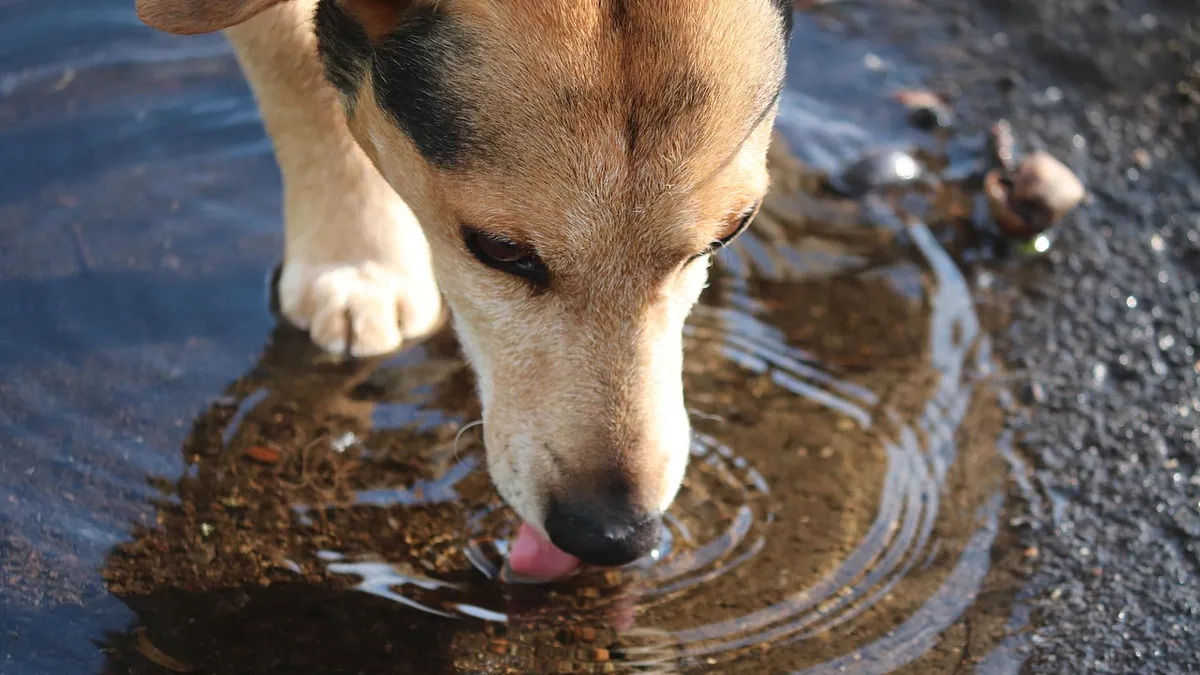
Can dogs eat chicken broth? Yes, plain chicken broth with no onion, garlic, or added salt is generally safe for most dogs and can make food more appealing or encourage drinking. Beef broth follows the same rules. The problems come from the seasonings, not the meat itself.
This article is educational and is not a substitute for veterinary diagnosis or treatment.
Quick Answer
- Plain, unsalted chicken or beef broth with no onion or garlic is safe for most healthy dogs.
- Onion and garlic in any form (raw, cooked, dried, powdered) can damage a dog's red blood cells and cause anemia [1][2].
- Too much salt can cause sodium poisoning, which may lead to vomiting, tremors, and worse [3].
- Broth is a topper or a treat, not a meal. It does not replace balanced dog food.
- If your dog drank broth made with onion or garlic, call your veterinarian or Pet Poison Helpline at (855) 764-7661 right away [3].
Is Broth Safe for Dogs? The Short Answer
Plain broth is mostly water with some protein, fat, and minerals from the meat and bones. That makes it a low-calorie way to add flavor and moisture. Many dogs who are picky, recovering from illness, or not drinking enough will take broth when they ignore plain water.
The meat itself is not the concern. Chicken and beef are common protein sources in dog food. The concern is what goes into the pot with the meat. Most broths sold for people are built around three ingredients that matter for dogs: salt, onion, and garlic.
So the verdict depends entirely on the recipe. A homemade broth of chicken or beef simmered in plain water and strained is safe. A carton of seasoned stock from the grocery shelf usually is not.
Can Dogs Eat Chicken Broth Made With Onions?
No. Onion is toxic to dogs, and that includes onions cooked into broth. Onions, garlic, chives, and leeks are all Allium species, and when dogs eat them in large or repeated amounts, the result is Heinz body formation and anemia [2]. The damage happens inside the red blood cells, so you may not see anything wrong for a day or two.
Onion is dangerous whether it is raw, cooked, dehydrated, or powdered [1]. That last point matters for broth. Onion powder dissolves completely, so a broth can taste fine and look clean while still carrying a real dose of onion. Onion also hides in soups, gravies, sauces, and some baby foods, which is why label reading matters [1].
Garlic behaves the same way. A study of canine red blood cells found that all garlic preparations caused hemolysis, and that dried and granulated garlic caused more red blood cell damage than fresh [4]. Dried and granulated forms are exactly what shows up in soup bases and bouillon cubes. If you want the full picture on these ingredients, see Can Dogs Eat Onions or Garlic?.
Signs of Allium poisoning include onion or garlic smell on the breath, lethargy, pale gums, fast breathing, fast heart rate, vomiting, and reduced appetite [2]. Pale gums mean the anemia is already significant. That is not a wait-and-see situation.
Can Dogs Eat Beef Broth?
Yes, with the same conditions that apply to chicken broth. Plain beef broth with no onion, garlic, or added salt is fine for most dogs. Beef broth tends to be richer and higher in fat than chicken broth, so dogs with a sensitive stomach or a history of pancreatitis may do better with chicken or with a diluted beef broth.
Watch for the same hidden ingredients. Beef stock, beef base, and bouillon are usually saltier than plain broth, and many contain onion or garlic powder for flavor. "Bone broth" is not automatically safe either. Bone broth sold for people is often seasoned the same way as stock.
If you are choosing between chicken and beef, pick whichever one your dog tolerates and whichever one you can verify is plain. The species of the animal in the pot matters far less than the seasoning.
What Is Actually in Broth?
Broth is mostly water. The rest is dissolved protein, a small amount of fat, and minerals that leach out of the meat and bones during simmering. That means broth is not a meaningful source of calories or complete nutrition. It will not meet a dog's protein, vitamin, or mineral needs on its own.
This is worth saying plainly because some owners use broth as a main food during illness or after a diet change. A dog fed mostly broth, rice, or other home-cooked items without a complete and balanced base can develop real deficiencies. One case report described a dog on a non-standardized home-prepared diet without vitamin and mineral supplementation that developed iodine-deficiency hypothyroidism with an enlarged thyroid [5]. That dog's diet was corrected with a commercial, iodine-supplemented formula. The lesson is not that broth is dangerous. The lesson is that broth is a garnish, not a diet.
The real benefit of broth is practical. It adds aroma and moisture, which can convince a reluctant dog to eat or drink. For a dog recovering from minor illness or a dog who ignores water, that can help. It does not treat any disease.
Risks of Broth for Dogs
Onion and Garlic Toxicity
This is the biggest risk and the one most likely to be missed. Onion and garlic in broth are easy to overlook because they are dissolved. The toxic effect builds with dose and with repeated exposure, so a small amount every day is not automatically harmless [2]. If your dog ate a bowl of broth with visible onion or a concentrated soup base, treat it as a poisoning exposure. For a focused walkthrough of what happens next, read Dog Ate Onions and Can Dogs Eat Onions? Hemolytic Anemia Emergency Guide.
Sodium Poisoning
Salt is the second major risk. Sodium poisoning can follow ingestion of too much salt or salty snacks, and the signs can escalate quickly [3]. Early on, a dog may drink more water to try to correct it. If that does not work, symptoms worsen, and untreated severe cases can be fatal [3]. Treatment usually involves IV fluids and electrolytes, and severe cases may need hospitalization [3].
A dog's daily sodium needs are small, and most commercial dog foods already meet them. Adding salty broth on top of a complete diet pushes sodium up for no benefit.
Fat and GI Upset
Rich broth, especially beef or bone broth with a layer of fat, can trigger vomiting or diarrhea in some dogs. Dogs with pancreatitis or a sensitive gut are at higher risk. Skim the fat off homemade broth and dilute what you serve.
Additives
Read the ingredient list, not the front of the carton. Watch for onion, garlic, onion powder, garlic powder, "natural flavors" that may include Allium, added salt, soy sauce, yeast extract, and herbs. Some broths also contain xylitol or other sweeteners, which are dangerous for dogs. If you cannot read and understand every ingredient, do not feed it.
Choking and Bones
Broth itself is liquid, so choking is not the issue. Bones are. Never give cooked bones, and do not let your dog chew on bones that were simmered to make broth. Cooked bones splinter and can cause serious injury.
Form | Safe? | Notes
| Form | Safe? | Notes |
|---|---|---|
| Homemade chicken or beef broth, no onion, garlic, or salt | Yes | Simmer meat in plain water, strain, skim fat, cool before serving |
| Unsalted commercial broth, onion and garlic free | Yes | Verify every ingredient on the label |
| Regular grocery stock or broth | Usually no | Often contains onion, garlic, and added salt |
| Bouillon cubes or soup base | No | Concentrated salt plus onion and garlic powder |
| Bone broth for people | Depends | Safe only if the label is free of onion, garlic, and added salt |
| Broth with visible onion or garlic | No | Treat as a poisoning exposure and call your vet |
| Broth with xylitol or sweeteners | No | Do not feed |
Can Dogs Eat Chicken Broth and Rice?
Yes, plain chicken broth with plain white rice is a common bland combination for a dog with mild stomach upset. It is easy to digest and often appealing to a dog who is not eating well.
Two cautions. First, this mix is not nutritionally complete, so it should be short-term and guided by your veterinarian. Second, the broth must be onion and garlic free. A "chicken soup" style broth defeats the purpose and adds a toxin. If your dog has been vomiting or having diarrhea for more than a day, or is lethargic, see your veterinarian instead of managing it at home.
Can Dogs Eat Chicken Broth Everyday?
Small amounts of plain, unsalted broth every day are generally fine for a healthy dog. The catch is the word "plain." If the broth contains onion or garlic powder, daily use turns a small exposure into a chronic one, and chronic Allium intake is exactly the pattern that causes anemia [2].
If you want to use broth daily, make a batch yourself, freeze it in small portions, and add a spoonful to meals. Keep it a topper, not a drink. And if your dog has heart disease, kidney disease, or any condition where sodium is restricted, ask your veterinarian before adding any broth at all.
How to Offer Broth Safely
Start with a small amount, about a tablespoon for a small dog and a quarter cup for a large dog, and see how your dog responds. Dilute with water if the flavor is strong. Serve it cool or at room temperature, never hot.
To make your own, simmer chicken or beef in plain water with no onion, garlic, salt, or seasoning. Strain out the solids and bones. Chill the broth and skim the fat that rises to the top. Portion it into ice cube trays and freeze what you will not use within a few days.
Avoid these preparations entirely: soup bases, bouillon, ramen packets, gravy, pan drippings from seasoned meat, and any broth you did not make or read the label on. If you want to compare notes on another common human food that hides garlic and onion, see Can Dogs Eat Pepperoni? Garlic Onion and Fat Content.
What to Do If Your Dog Ate the Wrong Broth
If your dog drank broth made with onion or garlic, call your veterinarian or Pet Poison Helpline at (855) 764-7661 right away [3]. Do not wait for symptoms. Anemia from Allium toxicity can take a day or more to show up, and early guidance matters.
If your dog consumed a large amount of salty broth, watch for increased thirst, vomiting, diarrhea, wobbliness, or tremors, and call for advice immediately [3]. Severe sodium poisoning may require IV fluids and hospitalization [3].
If your dog ate a small amount of plain, unsalted broth with no Allium, most dogs will be fine. Offer fresh water and monitor for stomach upset.
Safer Alternatives
Plain water is the best drink for a healthy dog. If you want to encourage drinking, add a little water from boiled, unseasoned chicken to the bowl, or drop a few ice cubes made from plain broth into the water.
For flavor on meals, try a spoonful of plain canned pumpkin, a little plain cooked chicken, or a small amount of unsalted, unseasoned broth. For dogs who need extra support, ask your veterinarian about appropriate supplements instead of guessing. Some products are studied for specific purposes, such as a prebiotic and postbiotic chew evaluated for gut health markers in healthy dogs [6], but that does not mean any random supplement is right for your dog.
Limitations and When to Contact a Veterinarian
This article covers general guidance only. Your dog's age, weight, health conditions, and medications change what is safe, so individual cases need a veterinarian.
Call your veterinarian or an emergency clinic the same day if your dog ate broth containing onion, garlic, or a large amount of salt, even if your dog seems normal. Call immediately, as an emergency, if you see pale gums, weakness, collapse, vomiting that will not stop, tremors, fast breathing, or a fast heart rate [2][3].
Schedule a routine visit if your dog has been eating broth daily and you are not sure whether it contained Allium, or if your dog has ongoing stomach upset, weight change, or reduced appetite. Bring the label or your recipe with you. That information helps your veterinarian decide what testing, if any, is needed.
Frequently Asked Questions
Can dogs eat chicken broth from a can or carton?
Usually not without checking the label first. Most canned and cartoned broths contain added salt and often onion or garlic powder, which are unsafe for dogs [1][2]. Look for a broth with no onion, no garlic, and no added salt, or make your own.
Is bone broth better than regular broth for dogs?
Not automatically. Bone broth has the same seasoning risks as any other broth, and it is often sold with onion, garlic, and salt added. If the label is clean, it is fine in small amounts. It is not a medicine and does not replace a balanced diet.
How much broth can I give my dog?
There is no single safe amount that fits every dog. Size, health status, and sodium intake all matter, so ask your veterinarian for a portion based on your dog's weight and diet. As a starting point, keep it to a small topper instead of a bowl.
Can broth help a dog who will not drink water?
It can encourage drinking because of the smell and flavor, which is a real practical benefit. Use plain, unsalted broth and offer fresh water alongside it. If your dog refuses water for more than a day, that is a veterinary visit, not a broth problem.
Does cooking broth kill the onion or garlic?
No. Heat does not remove the toxic effect, and dried or powdered forms may actually cause more red blood cell damage than fresh [4]. Onion and garlic are unsafe raw, cooked, dehydrated, or powdered [1]. If it went into the pot, it is still in the broth.
Related Articles
- Can Dogs Eat Onions or Garlic?
- Can Dogs Eat Onions? Hemolytic Anemia Emergency Guide
- Can Dogs Eat Pepperoni? Garlic Onion and Fat Content
- Dog Ate Onions
- Can Dogs Eat Raw Chicken? Salmonella and Campylobacter Risk
- My Dog Ate Onions or Garlic: What Should I Do?
- Can Dogs Have Bone Broth? Safety and Additives
- Can Cats Have Chicken Broth? Onion and Salt Risks
- Can Dogs Eat Soy Sauce? Sodium and Onion Warnings
References
- Can Dogs Eat Green Onions. Pet Poison Helpline.
- Onions Are Poisonous To Dogs. Pet Poison Helpline.
- Sodium Poisoning Threat to Pets. Pet Poison Helpline.
- The Effect of the Type and Concentration of Garlic (Allium sativum) on Heinz Body Concentrations in Canine Erythrocytes-An In Vitro Study. Animals : an open access journal from MDPI, 2025.
- Case Report: Diet-associated iodine-deficiency goitrous hypothyroidism in a dog: a longitudinal clinical, endocrine, and ultrasonographic evaluation. Frontiers in veterinary science, 2026.
- Effects of a Novel Prebiotic and Postbiotic Dietary Supplement on Gut Microbiota, Intestinal Barrier Markers, and Inflammation in Healthy Dogs. Veterinary sciences, 2026.