Can Cats Eat Pistachios? Shells, Salt and Mold
By Dr. Zubair Khalid, DVM, MS, PhD ·
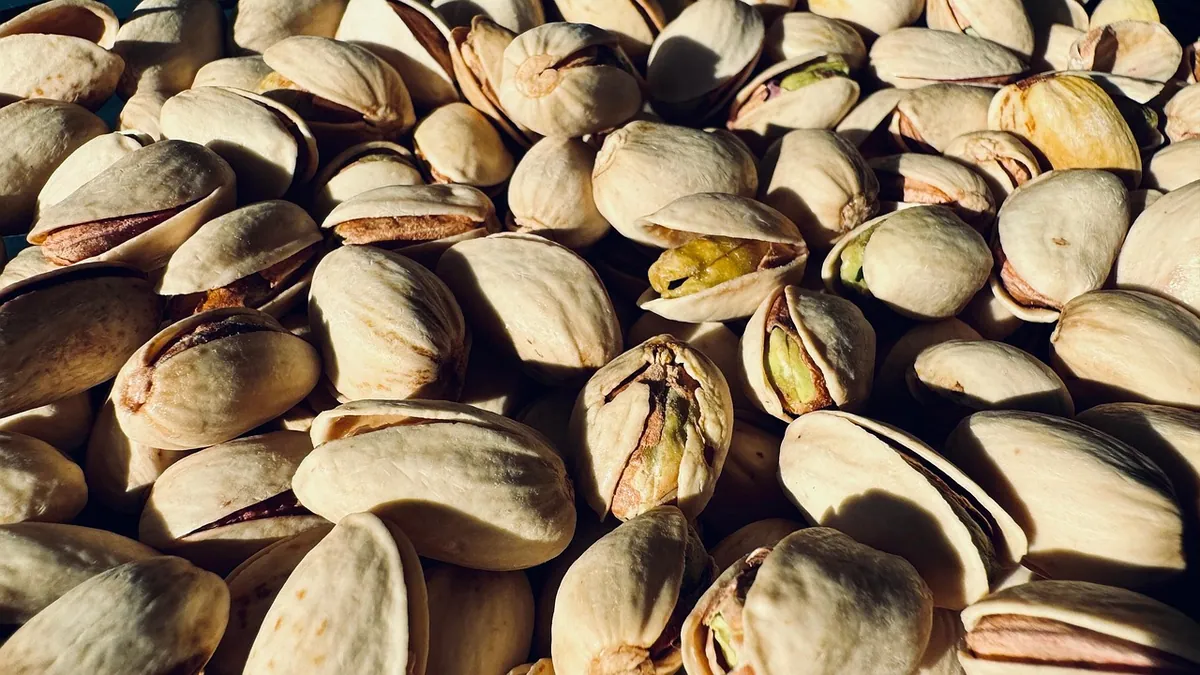
Can cats eat pistachios? A plain, unsalted pistachio kernel is not toxic to cats, so a single nibble is unlikely to cause poisoning. The real problems are the shell, the salt, mold toxins called aflatoxins, and dessert versions loaded with sugar or xylitol. This article is educational and is not a substitute for veterinary diagnosis or treatment.
Quick Answer
- Plain, unsalted, shelled pistachio kernels are not poisonous to cats, but they are not a healthy food for them either.
- Never let your cat chew or swallow the shell. Shells can crack teeth or block the throat or intestine.
- Salted, flavored, or honey-roasted pistachios can cause stomach upset and add far more sodium than a cat needs.
- Keep pistachio ice cream and pistachio pudding away from cats. These contain sugar, dairy, and sometimes xylitol, which is a well-known dog poison.
- If your cat ate a lot of salted nuts, a shell, or a dessert containing xylitol, call your veterinarian or a pet poison hotline right away.
Can Cats Eat Pistachios? The Short Answer
Pistachios are not on any list of toxic foods for cats. The nut itself does not contain a compound that poisons cats the way chocolate or lilies do. That is why a cat that steals one plain pistachio kernel is usually fine.
The trouble comes from everything around the nut. Pistachios are almost always sold salted, roasted with flavorings, or covered in sugar and chocolate. They also come in a hard shell that cats cannot digest. And nuts can grow molds that produce aflatoxin, a toxin that damages the liver.
So the honest answer is this. A plain kernel is not toxic, but it is not a safe or useful treat either. Most veterinarians would rather you skip pistachios entirely and give your cat a treat made for cats.
If you are comparing nuts, the same logic applies to almonds. You can read more about mixed nuts and cats in our guide on whether cats can eat pistachios and almonds, and about other human foods in our article on Can Cats Eat Cheese.
Do Cats Even Eat Pistachios?
Some cats will. Cats are obligate carnivores, meaning they evolved to eat meat, not plants or nuts. They cannot taste sweetness, so sugary coatings do not draw them in the way they draw in dogs or people.
A cat may bat a pistachio around because it rolls, or chew it out of curiosity. Some cats like the salt on the outside. Others will sniff a pistachio and walk away.
If your cat shows no interest, that is normal and good. There is no reason to encourage a cat to eat nuts. If your cat does eat them, the amount matters far more than the fact that it happened once.
Nutrition: What Is Actually in a Pistachio?
Pistachios are high in fat and calories. They also contain protein, fiber, and some vitamins and minerals. For a person, that can be part of a healthy snack.
For a cat, the picture is different. A cat needs animal protein and specific nutrients like taurine, not plant fat. Nuts provide fat without the amino acid profile a cat needs. Feeding nuts also adds calories that can push a cat toward obesity, which is already a common problem.
There is no established nutritional benefit to giving a cat pistachios. Veterinary nutrition guidance focuses on complete and balanced cat foods, and feeding instructions on commercial labels are designed around a cat's energy needs [1]. Treats, including human food, should stay a small part of the daily calories.
One more point about hydration. Cats often do not drink enough water, especially on dry diets. A study of healthy adult cats found that high-moisture lickable treats with amino acids and sodium increased total water intake and lowered urine specific gravity compared with dry food alone [2]. That is an argument for moist cat food and cat-specific wet treats, not for salty nuts.
Risks of Feeding Pistachios to Cats
Choking and Blockage From Shells
The shell is the biggest physical danger. Pistachio shells are hard and sharp. A cat that swallows one can choke, scrape the mouth or esophagus, or develop a blockage in the stomach or intestine. A blockage is a surgical emergency.
Cats also like to play with shells on the floor. If you eat pistachios, throw the shells in a covered trash can your cat cannot reach.
Salt and Sodium
Salted pistachios can carry a lot of sodium. A cat's body is not built to handle a salty snack. Eating several salted nuts can cause vomiting, diarrhea, and excessive thirst. In large amounts, salt can lead to serious neurological problems. Your veterinarian calculates any treatment dose from your cat's weight and health, so there is no home dose to give.
Mold and Aflatoxin
Nuts, including pistachios, can be contaminated with molds that produce aflatoxin. A screening of commercial dog and cat foods found that aflatoxin B1 and several other mycotoxins stayed below existing guidance values and maximum limits in the tested products [3]. That is reassuring for commercial pet food, but it does not cover a bag of nuts sitting in your pantry. Discard pistachios that look moldy, smell musty, or taste bitter.
Fat and Pancreatitis
Nuts are fatty. A cat that eats a large amount of any high-fat human food can develop vomiting and abdominal pain, and in some cases pancreatitis. This is a painful condition that needs veterinary care.
Allergies
Tree nut allergy is well known in people, and pistachio is a tree nut. Research on peanut and tree nut proteins shows that cashew and pistachio share structural features that can support cross-reactivity with peanut allergens [4]. Food allergy in cats usually shows up as itchy skin or digestive signs, and pistachio allergy in cats is not well established in veterinary research. Still, if your cat has ever reacted to a food, do not test new human foods at home.
Additives: Xylitol, Sugar, Dairy, and More
Desserts are where pistachios get truly dangerous. Pistachio ice cream and pistachio pudding contain sugar, milk, cream, and sometimes chocolate, raisins, or nuts like macadamia. None of these belong in a cat's diet.
Xylitol deserves a special mention. It is a sugar alcohol that causes dangerous low blood sugar and liver failure in dogs. A controlled study in cats did not find the same effects, so xylitol is not considered highly toxic to cats the way it is to dogs. Even so, sugar-free products have no place in a cat's diet, and a cat that eats a large amount should still be checked by a veterinarian.
Some flavored nut mixes also contain garlic powder or onion powder. Both can damage a cat's red blood cells and cause anemia. Read labels before you assume a snack is plain.
Can Kittens Eat Pistachios?
No. Kittens have smaller airways and digestive tracts than adult cats, so a shell or a whole nut is even more likely to cause choking or a blockage. Kittens also need calories and nutrients from a complete kitten food to grow properly.
Keep pistachios, shells, and dessert versions out of reach of kittens entirely. If a kitten eats a pistachio, treat it as a possible foreign body and call your veterinarian.
Pistachio Ice Cream and Pistachio Pudding
Both are unsafe for cats, and for the same reasons.
Pistachio ice cream combines dairy, sugar, and fat. Many adult cats are lactose intolerant, so milk and cream commonly cause diarrhea and gas. The sugar and fat add empty calories and can trigger stomach upset.
Pistachio pudding is usually made with milk or a milk alternative, sugar, and artificial flavoring. Some sugar-free puddings contain xylitol. Pudding also often contains thickeners and colors that a cat does not need.
If your cat licked a small amount of either dessert, watch for vomiting or diarrhea. If it ate a large serving, or if the product contains xylitol, chocolate, raisins, or macadamia nuts, call your veterinarian or a pet poison hotline right away.
Form-by-Form Safety Table
| Form | Safe? | Notes |
|---|---|---|
| Plain, unsalted kernel | Not recommended | Not toxic, but high in fat and offers no nutritional benefit |
| Salted kernel | No | Sodium can cause vomiting, diarrhea, and thirst |
| Flavored or honey roasted | No | Added sugar, salt, and sometimes garlic or onion powder |
| In the shell | No | Shell can choke, crack teeth, or block the intestine |
| Pistachio ice cream | No | Dairy, sugar, fat, and possible chocolate or xylitol |
| Pistachio pudding | No | Sugar, dairy, and possible xylitol in sugar-free versions |
| Moldy or musty nuts | No | Risk of aflatoxin and other mold toxins |
How to Offer Pistachios Safely (If You Insist)
The safest choice is not to feed pistachios at all. If you still want to let your cat try one, follow these rules.
Choose a plain, unsalted, dry-roasted kernel with no flavoring, no salt, and no coating. Remove the shell completely and check that no shell fragments are stuck to the nut. Break the kernel into a small piece so it cannot lodge in the throat. Offer it once and watch your cat closely.
Never feed more than a tiny taste, and never make it a routine. Treats should be a small fraction of daily calories, and most of your cat's diet should come from a complete and balanced cat food. If your cat has a health condition such as kidney disease, heart disease, diabetes, or a history of pancreatitis, ask your veterinarian before offering any human food.
Avoid these forms completely: shells, salted nuts, flavored nuts, chocolate-covered nuts, nut butters with added sugar or xylitol, ice cream, pudding, and any nut mix that contains raisins, garlic, or onion.
What to Do If Your Cat Ate Too Much
Stay calm and gather information. Note what your cat ate, how much, and when. Save the packaging if you can, because the ingredient list matters.
Call your veterinarian or a pet poison hotline if your cat ate a shell, a large amount of salted nuts, or any dessert containing xylitol, chocolate, raisins, or macadamia nuts. Do not wait for symptoms.
Watch for these signs over the next 24 to 48 hours:
- Vomiting or diarrhea
- Gagging, pawing at the mouth, or trouble swallowing
- Drooling
- Abdominal pain or a hunched posture
- Refusing food
- Lethargy or weakness
- Tremors, wobbling, or seizures
If you see any of these, seek veterinary care the same day. If your cat is struggling to breathe, collapsing, or having a seizure, go to an emergency clinic now.
Safer Alternatives to Pistachios
Your cat does not need nuts. If you want to give a treat, choose one made for cats. Commercial cat treats are formulated to be safe and are sold in portions you can control.
Small pieces of plain cooked meat also work for many cats. Plain cooked chicken, turkey, or beef with no seasoning, no onion, no garlic, and no salt is a better choice than any nut. Some cats enjoy a bit of plain cooked fish. You can read about seafood safety in our articles on Can Cats Eat Shrimp? Raw Shellfish Bacteria Hazards and Can Cats Eat Crab? Shell Hazards and Sodium.
For cats that need more water in their diet, moist cat food and cat-specific wet treats are the better route. High-moisture treats have been shown to raise total water intake and lower urine specific gravity in healthy cats on dry diets [2]. That is a real benefit, and it comes without the salt and fat of nuts.
If you want to add fiber or plant ingredients, talk to your veterinarian first. Some commercial cat foods already include ingredients like peas, and you can learn more in our article on Can Cats Eat Peas? Fiber & Commercial Cat Food.
Limitations and When to Contact a Veterinarian
This article covers general information only. Every cat is different, and individual cases need a veterinarian who can examine your cat, ask about its health history, and decide on treatment.
Contact your veterinarian the same day if your cat ate a shell, ate several salted or flavored pistachios, or ate any dessert that may contain xylitol, chocolate, raisins, or macadamia nuts. Also call if your cat is vomiting, has diarrhea, is drooling, or seems uncomfortable.
Go to an emergency clinic now if your cat is having trouble breathing, is collapsing, has a seizure, or has a swollen, painful abdomen.
Schedule a routine visit if your cat has had repeated stomach upset after eating human food, or if you want help building a safe treat plan. Your veterinarian can also check your cat's weight and diet, since feeding instructions on labels do not always match a cat's actual energy needs [1].
One more note on diet choices. A survey of cat owners found that owner personality traits were linked to the use of non-conventional diets, including raw, grain-free, and vegetarian feeding [5]. If you are considering a major diet change for your cat, talk it through with your veterinarian first.
Frequently Asked Questions
Are pistachios toxic to cats?
No, pistachios are not toxic to cats in the way that chocolate or lilies are. The danger comes from shells, salt, mold, and dessert ingredients. A plain kernel is low risk, but it still is not a good treat.
Can cats eat pistachio shells?
No, cats should never eat pistachio shells. Shells are hard and sharp and can choke a cat, damage the mouth or throat, or cause an intestinal blockage that needs surgery. Keep shells in a covered trash can.
Can cats eat pistachio ice cream or pudding?
No, both should be kept away from cats. They contain sugar, dairy, and fat, and some sugar-free versions contain xylitol. If your cat ate a large amount, call your veterinarian.
What happens if a cat eats a lot of salted pistachios?
Salted pistachios can cause vomiting, diarrhea, and heavy thirst. In large amounts, salt can lead to serious neurological signs. Call your veterinarian if your cat ate more than a taste.
Can I give my cat pistachios as a regular treat?
No, pistachios should not be a regular treat for cats. They are high in fat and calories and provide no needed nutrients. Choose a cat-specific treat or a small piece of plain cooked meat instead.
Related Articles
- Can Cats Eat Crab? Shell Hazards and Sodium
- Can Cats Eat Shrimp? Raw Shellfish Bacteria Hazards
- Can Cats Eat Cheese
- Can Cats Eat Parmesan Cheese? Salt and Lactase Deficiency
- Can Cats Eat Peas? Fiber & Commercial Cat Food
- Can Cats Eat Lobster? Shellfish Allergy and Cholesterol
- Can Cats Eat Peanuts? Salt, Shells and Safety
- Can Cats Eat Nuts? Almonds, Walnuts and Peanuts Explained
- Can Cats Eat Cashews or Almonds? Nut Safety
References
- An investigation of feeding instructions on cat food labels in Belgium and comparison with European industry energy intake recommendations. The Veterinary record, 2026.
- Consuming treats with amino acids, osmolytes and sodium increased total water intake and decreased urine specific gravity of healthy cats. Journal of feline medicine and surgery, 2026.
- In vitro immunotoxicity of important mycotoxins detected in commercial dry dog and cat food in relation to internal exposure. Mycotoxin research, 2026.
- Structure and IgE Cross-Reactivity among Cashew, Pistachio, Walnut, and Peanut Vicilin-Buried Peptides. Journal of agricultural and food chemistry, 2023.
- Owner personality traits associated with non-conventional feeding practices in domestic cats. Journal of feline medicine and surgery, 2026.