Can Cats Eat Raspberries, Blueberries and Blackberries?
By Dr. Zubair Khalid, DVM, MS, PhD ·
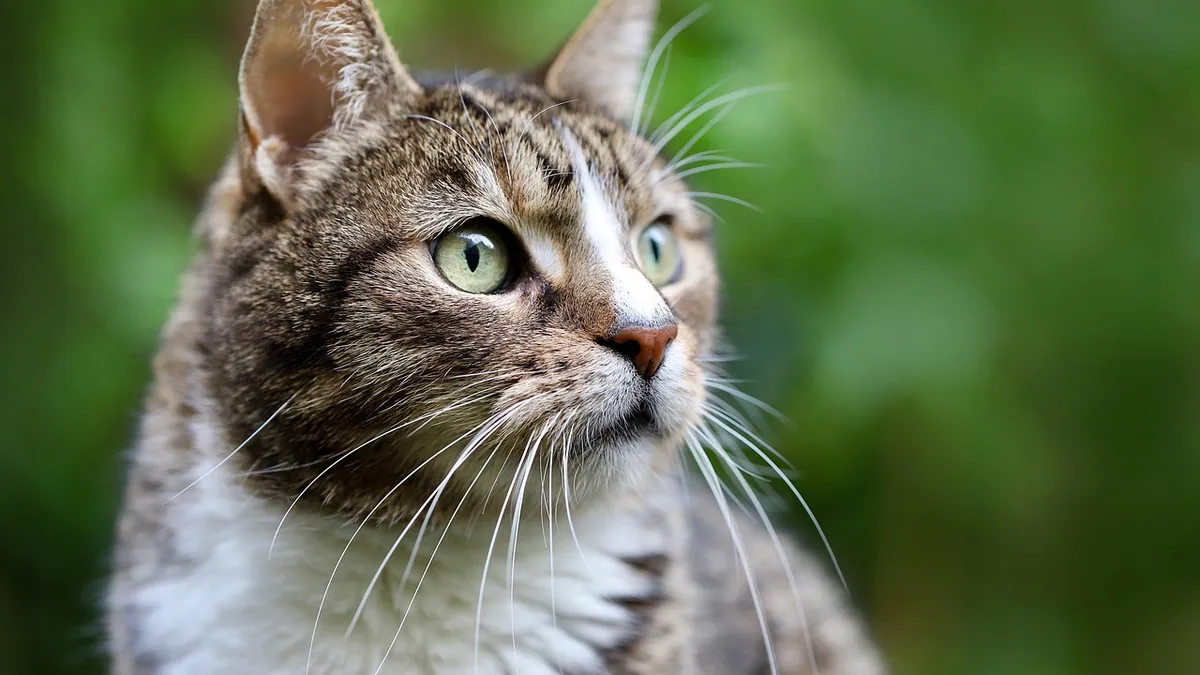
Can cats have raspberries? Yes, a small piece of a plain, fresh raspberry is generally safe for most healthy adult cats. The same goes for blueberries and blackberries in tiny amounts. The real dangers come from what is added to berries (sugar, xylitol, jam, sauces) and from feeding too much fruit to an animal built to eat meat.
This article is educational and is not a substitute for veterinary diagnosis or treatment.
Quick Answer
- A single small raspberry, blueberry, or blackberry is a low-risk occasional treat for most healthy adult cats.
- Berries are not a needed part of a cat's diet. They add sugar and fiber your cat does not require.
- Never feed jam, jelly, preserves, syrups, or sugar-free berry products. Xylitol is a well-known dog poison, and sugar-free foods do not belong in a cat's diet.
- Wash berries, remove stems and leaves, and cut large berries into small pieces to reduce choking risk.
- If your cat ate a lot of berries, or any product containing xylitol, chocolate, onion, or garlic, call your veterinarian or a pet poison hotline right away.
Can Cats Eat Raspberries and Blueberries?
Yes, in very small amounts. A cat can eat a piece of a fresh raspberry or blueberry as an occasional treat. These are not toxic fruits for cats, and many cats will simply ignore them because cats cannot taste sweetness well.
That said, safe does not mean necessary. Cats are obligate carnivores. Their bodies are designed to get nutrients from animal tissue, not fruit. Berries should never replace a complete and balanced cat food.
If you are comparing berries, the same basic rules apply to each. You can read more about portion ideas in Can Cats Eat Blueberries? Antioxidant Treat Portions.
Can Cats Eat Blackberries and Raspberries?
Yes, plain blackberries and raspberries are generally safe in tiny amounts. Both are aggregate fruits, meaning each berry is made of many small sections, and each section holds a tiny seed.
Blackberries tend to be larger and firmer than raspberries. Cut a blackberry into two or three pieces before offering it. Raspberries are softer and easier to mash, which lowers choking risk.
The seeds are the main mechanical concern. A few seeds swallowed with a small piece of fruit are usually not a problem for a healthy adult cat. Eating a large handful of berries, seeds and all, can cause stomach upset.
Nutrition: Do Berries Help Your Cat?
Berries contain fiber, vitamins, and plant pigments called anthocyanins. Anthocyanins are the compounds that give purple, red, and blue fruits their color, and they have antioxidant and anti-inflammatory activity in the body [1]. That research is mostly about people and about general dietary patterns, not about cats eating berries as treats.
There is no established veterinary recommendation to feed berries to cats for health benefits. A cat's antioxidant needs are met by a balanced commercial or home-prepared diet formulated for cats.
Some berry research is interesting but not relevant to feeding your cat. Black raspberry extracts have shown antiviral activity against feline calicivirus in laboratory cell studies [2][3]. That is a lab finding about a concentrated extract, not a reason to feed your cat raspberries. Feline calicivirus is a common cause of upper respiratory illness in cats, and no berry in your kitchen treats it.
Black raspberry extract has also been studied for effects on glutathione and DNA damage in human oral cells [4]. Again, this is laboratory research in human cells, not feeding advice for cats.
Risks of Feeding Berries to Cats
Sugar and Carbohydrates
Berries are lower in sugar than many fruits, but they still contain sugar. Cats do not have a dietary requirement for sugar or carbohydrates. Extra sugar adds calories and can upset a sensitive stomach. For a cat with diabetes or obesity, even small fruit treats should be discussed with your veterinarian first.
Choking and Digestive Upset
Whole berries can be a choking hazard, especially for small cats or cats that bolt food. Large amounts of fruit can cause vomiting or diarrhea. Seeds passing through in small numbers are usually harmless, but a big load of seeds can irritate the gut.
Jam, Jelly, and Preserves
Can cats eat raspberry jam? No. Jam and jelly are made with concentrated sugar and often lemon juice or pectin. Some products also contain artificial sweeteners. Sugar loads can cause stomach upset and are a poor choice for any cat, especially one with diabetes.
Xylitol and Sugar-Free Products
Xylitol is a sugar alcohol used in sugar-free gum, candy, baked goods, and some nut butters and jams. It causes dangerous low blood sugar and liver failure in dogs. A controlled study in cats did not find the same effects, so xylitol is not considered highly toxic to cats the way it is to dogs. Even so, sugar-free products still do not belong in a cat's diet, and any xylitol exposure deserves a call to your veterinarian.
Other Additives
Berry sauces, pies, smoothies, and yogurts can contain chocolate, onion, garlic, salt, alcohol, or grape products. Chocolate, onion, and garlic are toxic to cats. Read labels, and when in doubt, do not share.
How to Offer Berries Safely
Safe Forms
| Form | Safe? | Notes |
|---|---|---|
| Fresh raspberry, washed | Yes, tiny amount | One small piece, cut if needed |
| Fresh blueberry | Yes, tiny amount | Cut in half or quarters |
| Fresh blackberry | Yes, tiny amount | Cut into pieces, remove stem |
| Frozen plain berry | Yes, tiny amount | Thaw first, cut to size |
| Raspberry jam or jelly | No | High sugar, possible additives |
| Sugar-free jam or gum | No | May contain xylitol |
| Berry pie, sauce, smoothie | No | Sugar, dairy, chocolate, or other toxins |
| Berry leaves, stems, seeds alone | No | Choking and gut upset risk |
Step by Step
- Wash the berry under running water.
- Remove stems, leaves, and any moldy or bruised spots.
- Cut the berry into cat-sized pieces. A piece should be no bigger than a pea.
- Offer one piece and watch your cat.
- Wait 24 hours to see if vomiting, diarrhea, or drooling occurs.
- If all is well, keep berries rare. A piece once or twice a week at most is plenty for most cats.
Treats should stay a small part of the daily diet. Your veterinarian can tell you the exact treat calorie limit for your cat based on weight and health.
What About Strawberries?
Strawberries are another common question. They are generally safe in tiny amounts, with the same rules about washing, cutting, and avoiding added sugar. You can read more in Can Cats Eat Strawberries? Nutritional Benefits and Risks.
What to Do If Your Cat Ate Too Much or a Dangerous Form
If your cat ate one or two plain berries, watch for stomach upset and call your veterinarian if signs appear.
If your cat ate jam, jelly, a sugar-free product, chocolate, onion, or garlic, act right away. Call your veterinarian, an emergency clinic, or a pet poison hotline. Have the product label ready so you can read the ingredients and amounts.
Do not induce vomiting unless a veterinarian tells you to. Some products can cause more harm coming back up.
Safer Alternatives to Berries
If you want to give your cat a treat, animal-based options are a better fit.
- A small piece of plain cooked chicken or turkey with no seasoning.
- A tiny piece of plain cooked fish, with bones removed.
- A small amount of a commercial cat treat made for cats.
- A spoonful of plain canned pumpkin (no sugar or spice) for fiber, if your veterinarian approves.
For more treat ideas and food safety basics, see Can Cats Eat Carrots? Vitamin A & Digestibility.
Never feed your cat dog food as a meal. Dog food does not meet a cat's nutritional needs, and long-term feeding can cause serious deficiencies. Learn why in Can Cats Eat Dog Food.
Berries and Kittens
Kittens have small bodies and delicate digestive systems. Their diet should be a complete and balanced kitten food. Fruit treats are not needed and can cause diarrhea. If you want to offer a taste, ask your veterinarian first, and keep the piece tiny. A kitten's calorie and nutrient needs are different from an adult cat's, so your veterinarian sets the plan.
Limitations and When to Contact a Veterinarian
This article gives general guidance for healthy adult cats. Individual cases need a veterinarian who knows your cat's history, weight, and health conditions.
Call your veterinarian the same day if your cat ate a large amount of berries, has vomiting or diarrhea that lasts more than a few hours, is drooling, or seems uncomfortable.
Go to an emergency clinic now if your cat ate a product containing xylitol, chocolate, onion, garlic, alcohol, or grapes, or if you see weakness, collapse, tremors, seizures, trouble breathing, or a swollen abdomen.
Schedule a routine visit if your cat has repeated stomach upset after treats, has diabetes or kidney disease, or if you want help building a safe treat plan.
Frequently Asked Questions
Can cats eat raspberries raw?
Yes, raw raspberries are generally safe in tiny amounts. Wash them, remove the stem, and cut them into small pieces. Avoid any berry that has been sitting out, is moldy, or has been coated in sugar or sauce.
Can cats eat raspberries and strawberries together?
A small piece of each is not likely to cause harm in a healthy adult cat. The bigger issue is total sugar and the chance of stomach upset. Keep the total treat amount small and introduce one new food at a time.
Can cats eat raspberry jam?
No. Jam is high in sugar and may contain lemon juice, pectin, or artificial sweeteners. Sugar-free jam may contain xylitol, which is a well-known dog poison and still does not belong in a cat's diet. Offer a plain berry instead, or skip fruit entirely.
Can cats eat blackberries and raspberries if they have seeds?
A few seeds swallowed with a small piece of fruit are usually not a problem. Large amounts of seeds can irritate the gut and cause vomiting or diarrhea. Cut berries into pieces and keep the serving tiny.
Do blueberries or raspberries help my cat's health?
There is no established veterinary reason to feed berries to cats for health benefits. Anthocyanins in purple plant foods have antioxidant activity in research, mostly in people [1]. Your cat gets what it needs from a complete and balanced cat food, not from fruit treats.
Related Articles
- Can Cats Eat Blueberries? Antioxidant Treat Portions
- Can Cats Eat Strawberries? Nutritional Benefits and Risks
- Can Cats Eat Carrots? Vitamin A & Digestibility
- Can Cats Eat Dog Food
- Can Dogs Eat Blueberries
- Can Cats Eat Hot Dogs
- Can Cats Eat Blackberries? Seeds, Sugar, and Safety
- Can Cats Eat Blueberry Yogurt? Dairy and Sugar Risks
- Can Cats Eat Peas and Carrots? Vegetable Safety
References
- Anthocyanin-Rich Purple Plant Foods: Bioavailability, Antioxidant Mechanisms, and Functional Roles in Redox Regulation and Exercise Recovery. Nutrients, 2025.
- Antiviral effects of black raspberry (Rubus coreanus) seed extract and its polyphenolic compounds on norovirus surrogates. Bioscience, biotechnology, and biochemistry, 2016.
- Antiviral effects of black raspberry (Rubus coreanus) juice on foodborne viral surrogates. Foodborne pathogens and disease, 2012.
- [Black Raspberry Extract Enhances Glutathione Conjugation of the Fjord-Region Diol Epoxide Derived from the Tobacco Carcinogen Dibenzo[def,p]chrysene in Human Oral Cells](https://pubmed.ncbi.nlm.nih.gov/36260657/). Chemical research in toxicology, 2022.