Can Cats Eat Blackberries? Seeds, Sugar, and Safety
By Dr. Zubair Khalid, DVM, MS, PhD ·
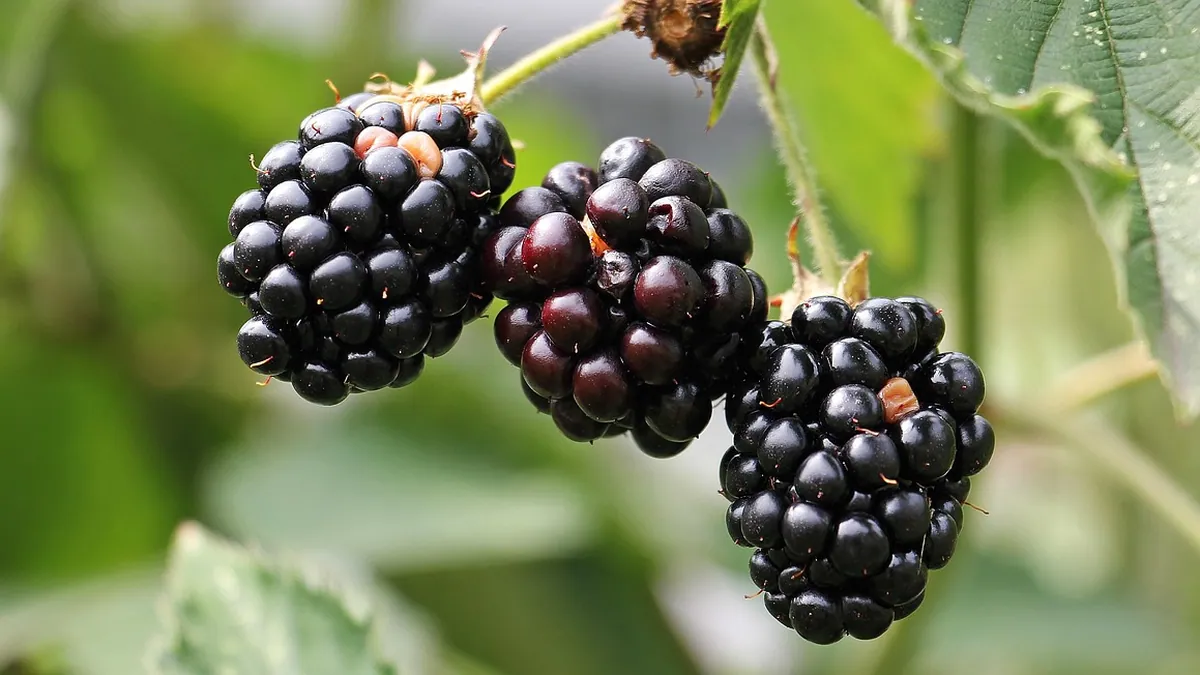
Can cats have blackberries? Yes, in small amounts. Blackberries are not toxic to cats, so a single berry or a small piece will not poison your pet. The bigger concerns are the natural sugars, the fiber load, the seeds, and whatever the berry was sprayed with or picked up in the wild.
This article is educational and is not a substitute for veterinary diagnosis or treatment.
Quick Answer
- Plain, washed, ripe blackberry flesh is safe for most adult cats in very small amounts, such as one small berry or half a berry cut into pieces.
- Kittens have smaller bodies and more sensitive digestion, so skip blackberries until they are older and ask your veterinarian first.
- Never feed blackberries with added sugar, syrup, xylitol, salt, garlic, or onion. Those additives are the real danger.
- Wild blackberries carry pesticide, dirt, and parasite concerns, so do not let your cat graze on bushes outdoors.
- If your cat eats a large amount or a processed blackberry product, call your veterinarian or a pet poison hotline right away.
Are Blackberries Safe for Cats?
Blackberries are not on the list of common household toxins that send pets to the emergency room. Veterinary toxicology case reports focus on items like xylitol, toxic mushrooms, anticoagulant rodenticides, zinc, vitamin D, and lilies, which cause serious poisoning in dogs and cats [1]. Blackberries do not appear in that category, so a taste is not an emergency.
That said, safe does not mean unlimited. A cat is an obligate carnivore. Its body is built to get nutrients from animal tissue, not fruit. Blackberries offer some vitamins, fiber, and plant compounds, but they are not a needed part of a cat's diet. Think of them as a rare, tiny treat, not a food group.
The fruit itself is mostly water and carbohydrate. The sugar content is what limits the portion. A cat's liver and pancreas handle small amounts of fruit sugar fine, but a large serving can cause stomach upset or loose stool. The seeds add another layer of risk because they are small and hard.
Can Kittens Eat Blackberries?
Kittens should not eat blackberries. Their digestive systems are still developing, and their bodies are small, so even a modest amount of fiber and sugar can cause diarrhea or vomiting. A kitten that swallows a whole berry also has a higher choking risk because of its small throat.
If you are raising a kitten and want to offer a treat, stick to a commercial kitten treat or a tiny piece of cooked plain meat. Wait until your cat is fully grown before considering fruit. Even then, ask your veterinarian whether it fits your cat's diet and weight goals.
Do Cats Eat Blackberries on Their Own?
Most cats ignore fruit. Cats lack the sweet taste receptor that drives dogs and people to seek out sugary foods, so a blackberry on the floor often gets sniffed and walked away from. Some cats are curious and will bat a berry around or lick it. A few will eat it.
If your cat shows interest, that does not mean it needs the fruit. Curiosity is normal. The question is whether you should let it continue. For most cats, the answer is a small taste at most, and only if the berry is plain and prepared safely.
Nutritional Content and Any Real Benefit
Blackberries contain fiber, vitamin C, vitamin K, and plant compounds called anthocyanins, which give the fruit its dark color. Berries in general have been studied for their bioactive compounds and their possible health effects. A review of blackcurrant consumption found that plant-based foods such as fruits, vegetables, and berries can support health and may reduce the risk of several chronic diseases [2]. That research is about blackcurrants and human and experimental animal use, not about blackberries in cats, so do not read it as a green light for daily fruit feeding.
The honest answer is that blackberries offer no proven benefit for cats. A cat does not need fruit sugar or plant fiber from berries. If your cat is overweight, has diabetes, or has a sensitive stomach, fruit treats work against your goals. Your veterinarian can tell you the right daily calorie target for your cat, and feeding instructions on commercial cat food labels are not always a perfect match for an individual cat's energy needs [3].
If you want to give your cat a treat with actual nutritional value, a small piece of plain cooked meat or a commercial cat treat designed for the purpose is a better choice. For more fruit comparisons, see Can Cats Eat Blueberries? Antioxidant Treat Portions and Can Cats Eat Strawberries? Nutritional Benefits and Risks.
Risks of Feeding Blackberries to Cats
Choking and Blockage
Blackberries are small, round, and slippery. A cat that gulps one can choke, especially a kitten or a flat-faced breed. The seeds are tiny, but a large handful of berries eaten quickly can still cause a blockage risk in a small cat. Cut berries into small pieces and watch your cat while it eats.
Stomach Upset
Fiber and sugar can trigger vomiting or diarrhea. Cats have short digestive tracts designed for meat, so a sudden dose of fruit is a change their gut may not handle well. Start with a piece no bigger than a pea and see how your cat responds over the next day.
Wild Blackberries and Pesticides
Can cats eat wild blackberries? This is where owners get into trouble. Wild berries may have been sprayed with pesticides, and they sit low to the ground where they collect dirt, animal waste, and parasites. Berries can also grow mold, and moldy fruit is not safe for anyone. Even research on bog bilberries found that berries infected by a fungus had altered flavonoid and anthocyanin contents, though no increased toxicity was shown in that specific study [4]. The point is that wild fruit is unpredictable. Do not let your cat eat from bushes, and do not pick wild berries for your cat unless you are certain they are clean and unsprayed.
Additives Are the Real Danger
Plain blackberries are one thing. Blackberry jam, syrup, pie filling, yogurt with blackberry swirl, and baked goods are another. These products often contain sugar, xylitol, salt, garlic, onion, or artificial sweeteners. Xylitol is a known toxin in pets and is one of the common household poisonings seen in veterinary emergency practice [1]. Garlic and onion damage red blood cells in cats. Salt can cause sodium poisoning. If your cat licks or eats any of these products, treat it as a possible poisoning and call for advice.
Grape and Raisin Confusion
Do not confuse blackberries with grapes or raisins. Grape and raisin ingestion is a well-known cause of acute kidney injury in dogs and cats, and cases are common enough that emergency clinics track them closely [5]. Blackberries are a different fruit and are not linked to that kidney risk, but the lesson is that not all small fruits are equal. Keep grapes and raisins away from your cat entirely.
How to Offer Blackberries Safely
| Form | Safe? | Notes |
|---|---|---|
| Fresh ripe blackberry, washed, cut into small pieces | Yes, in tiny amounts | One small berry or half a berry is plenty for most adult cats |
| Frozen plain blackberry | Yes, in tiny amounts | Thaw first, cut small, watch for choking |
| Wild blackberries | No | Pesticide, dirt, parasite, and mold concerns |
| Blackberry jam, jelly, or syrup | No | Added sugar, possible xylitol, salt, or other additives |
| Blackberry pie, cobbler, or baked goods | No | Sugar, butter, possible garlic, onion, or xylitol |
| Blackberry yogurt or smoothie | No | Sugar, dairy, and possible sweeteners |
| Blackberry leaves or stems | No | Not a cat food and can cause stomach upset |
Preparation Steps
- Choose a ripe, fresh blackberry from a store or a known clean source.
- Rinse it well under running water.
- Cut it into small pieces, about pea-sized or smaller.
- Remove any stems or leaves.
- Offer one piece and wait. Do not offer a second piece the same day.
- Watch for vomiting, diarrhea, drooling, or coughing for the next 24 hours.
- If your cat does fine, a single small piece once in a while is the maximum.
Parts and Preparations to Avoid
Skip the seeds if your cat has dental problems or a history of swallowing food whole. Skip any berry that looks moldy, mushy, or fermented. Skip anything from a bush you cannot verify. Skip all processed blackberry products. Do not use blackberry as a topper to get a picky cat to eat, because that trains the cat to expect fruit and can unbalance its diet.
What to Do If Your Cat Ate Too Much or a Dangerous Form
If your cat ate a large amount of plain blackberries, expect some stomach upset. Withhold food for a few hours, make sure fresh water is available, and call your veterinarian for guidance. Do not induce vomiting unless a veterinarian tells you to.
If your cat ate a blackberry product with xylitol, garlic, onion, salt, or an unknown sweetener, treat it as an emergency. Call your veterinarian or a pet poison hotline immediately. Have the packaging ready so you can read the ingredient list and the amount eaten. The dose and treatment depend on your cat's weight and health, and your veterinarian will calculate that.
If your cat is choking, pawing at its mouth, drooling heavily, or having trouble breathing, go to an emergency clinic now. Do not wait to see if it passes.
Safer Alternatives
If you want to give your cat a treat, choose something designed for cats. A small piece of plain cooked chicken, turkey, or fish without seasoning is a better fit. Commercial cat treats are portioned and formulated for cats. If you want to explore other human foods, read Can Cats Eat Carrots? Vitamin A & Digestibility and Can Cats Eat Eggs for context on what cats can and cannot handle.
For non-food enrichment, catnip is a safer option than fruit. See Can Cats Eat Catnip? Nepetalactone and Safe Use Guide.
Limitations and When to Contact a Veterinarian
This article covers general information only. Every cat is different, and individual cases need a veterinarian who can examine your cat, ask about its history, and weigh the facts.
Call your veterinarian the same day if your cat ate a blackberry product with additives, ate a large amount of berries, or has vomiting, diarrhea, or loss of appetite after eating fruit.
Go to an emergency clinic now if your cat is choking, gasping, drooling heavily, collapsing, having seizures, or showing severe weakness. These signs can move fast.
Schedule a routine visit if your cat has repeated stomach upset after treats, if you are unsure whether a food is safe for a cat with a chronic condition, or if you want help building a treat plan that fits your cat's weight and health. Your veterinarian can also confirm whether your cat's current diet meets its needs, since label feeding instructions do not always match an individual cat's energy requirements [3].
Frequently Asked Questions
Can cats have blackberries every day?
No. Even a small amount of fruit sugar and fiber adds up, and cats do not need fruit in their diet. Keep blackberries as an occasional taste, not a daily treat. If you want a daily treat, use a cat-specific treat and keep it within your cat's calorie limit.
Can kittens eat blackberries?
No, kittens should not eat blackberries. Their small size and developing digestion make choking and diarrhea more likely. Wait until your cat is fully grown and ask your veterinarian before offering any fruit.
Can cats eat wild blackberries?
No, it is safer to avoid wild blackberries. They may carry pesticides, dirt, parasites, or mold, and you cannot verify what they were exposed to. If you want to offer a berry, use a washed one from a known clean source.
What happens if my cat eats a blackberry with sugar or xylitol?
Xylitol and some other sweeteners are toxic to pets, and sugar can cause stomach upset. Call your veterinarian or a pet poison hotline right away and have the ingredient list ready. Do not wait for symptoms to appear.
Are blackberry seeds dangerous for cats?
The seeds are small and usually pass through, but they can be a choking risk for a cat that eats fast. Cut the berry into small pieces and remove seeds if your cat has dental problems or a history of gulping food. If your cat shows choking signs, go to an emergency clinic.
Related Articles
- Can Cats Eat Strawberries? Nutritional Benefits and Risks
- Can Cats Eat Blueberries? Antioxidant Treat Portions
- Can Cats Eat Catnip? Nepetalactone and Safe Use Guide
- Can Cats Eat Carrots? Vitamin A & Digestibility
- Can Cats Eat Eggs
- Safe Treats For Diabetic Cats
- Can Cats Eat Raspberries, Blueberries and Blackberries?
- Can Cats Eat Guava? Fruit, Seeds, Leaves, and Jam
- Can Cats Eat Persimmons? Skin, Seeds, and Safety
References
- Toxicology Case Presentations. The Veterinary clinics of North America. Small animal practice, 2023.
- Effect of Blackcurrant Consumption on the Genitourinary System: A Literature Review. Cureus, 2023.
- An investigation of feeding instructions on cat food labels in Belgium and comparison with European industry energy intake recommendations. The Veterinary record, 2026.
- The Bog Bilberry Enigma: A Phytochemical and Ethnopharmacological Analysis of Vaccinium uliginosum L. Fruits in Regard to Their Alleged Toxicity. Plants (Basel, Switzerland), 2025.
- A multicenter, retrospective, cross-sectional analysis of fresh and processed Vitis vinifera (grape) ingestion in dogs and cats. Frontiers in veterinary science, 2026.