Can Cats Eat Celery? Raw, Cooked, and Leaf Safety
By Dr. Zubair Khalid, DVM, MS, PhD ·
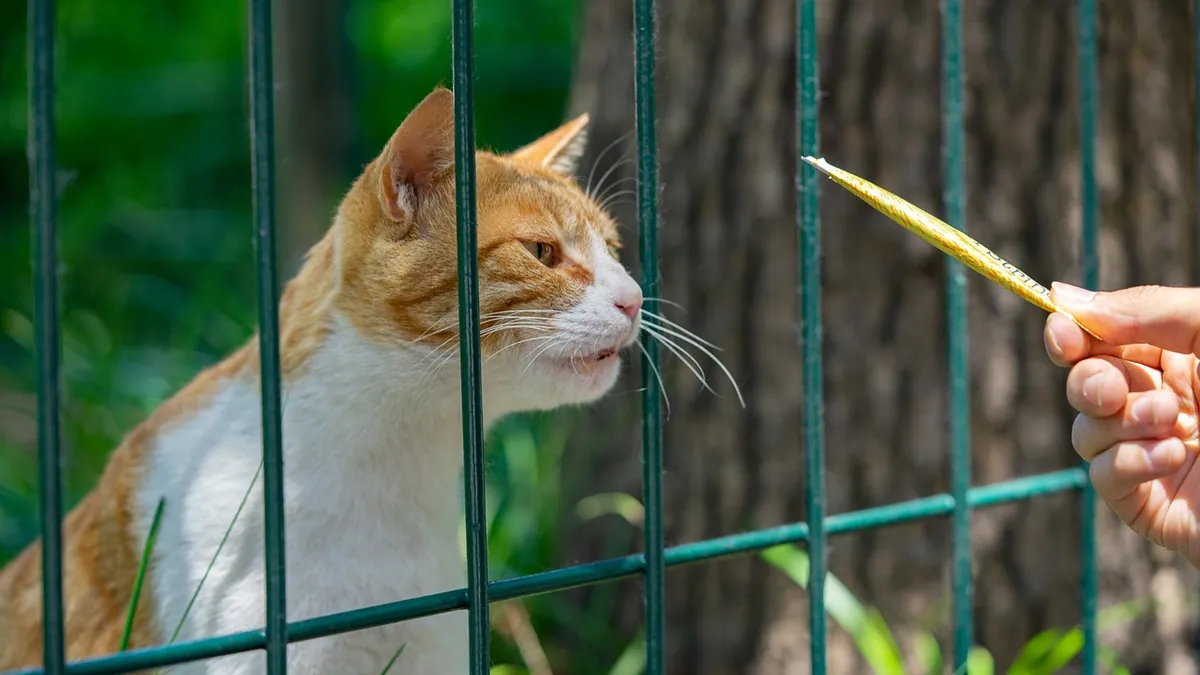
Yes, cats can eat celery raw in small, plain pieces, and it is not toxic to them. That said, celery is mostly water and fiber, so it adds almost nothing to a cat's diet and comes with a choking risk if you cut it wrong. This article is educational and is not a substitute for veterinary diagnosis or treatment.
Quick Answer
- Plain raw celery is safe for most cats in tiny, bite-sized pieces with strings and tough fibers removed.
- Celery leaves are also safe, but wash them well and offer only a small amount.
- Cooked celery is safe only if it is plain, meaning no salt, butter, oil, garlic, onion, or seasoning.
- Celery has almost no calories or protein, so it should never replace a balanced cat food.
- Never give celery powder, celery salt, or seasoned celery products, since these can contain additives that harm cats.
Can Cats Eat Celery Raw?
Yes, raw celery is generally safe for cats, but the amount and the cut matter more than most owners expect. Celery is a low-calorie vegetable that is mostly water and insoluble fiber. Cats are obligate carnivores, which means they need nutrients from animal tissue, so a vegetable like celery does not meet any core nutritional need. Think of it as a rare, tiny treat, not a food group.
The bigger issue is texture. Raw celery is crunchy and stringy, and cats do not chew their food the way people do. A piece that is too large or too fibrous can get stuck in the mouth or throat. Long strings can also be hard to swallow and may cause gagging. Cut celery into very small, thin pieces, and pull off the tough outer strings first.
Some cats will sniff celery and walk away. That is normal and fine. Others may bat it around like a toy. If your cat shows no interest, there is no reason to push it. Celery is optional, and a cat who eats a complete and balanced commercial diet does not need vegetables at all.
If you are already exploring fresh foods with your cat, it helps to understand the broader safety picture. Raw animal products carry their own risks, which are covered in Is Raw Food Safe for Dogs and Cats?. Vegetables like celery are a much lower-risk item by comparison, but they still need portion control.
Can Cats Eat Celery Sticks?
A whole celery stick is not a good idea for a cat. The stalk is long, firm, and stringy, which makes it a choking hazard and a possible blockage risk if swallowed in a big piece. Even a short segment can be too much for a small cat.
If you want to offer a stick, choose the tender inner stalks, which are less fibrous. Cut them lengthwise into thin slivers, then cut across into pieces no bigger than a pencil eraser. Watch your cat the entire time. If your cat gulps food without chewing, skip celery altogether.
Can Cats Eat Celery Leaves?
Yes, celery leaves are safe for cats in small amounts. They are softer than the stalks and easier to chew. The main concern is contamination. Leaves have lots of surface area and can hold dirt, pesticide residue, and bacteria.
Rinse the leaves thoroughly under running water and pat them dry. Offer one or two small leaves at most. Do not give leaves from a celery bunch that has been sitting in a seasoned dish, dip, or soup. Those leaves have absorbed salt, oil, and possibly garlic or onion, all of which are problems for cats.
Is Celery Good for Cats?
Celery offers very little nutritional value to a cat. It is largely water and fiber, with trace amounts of vitamins. Cats cannot use plant fiber the way people or dogs do, though some fiber does reach the colon and can influence the gut microbiome. A study of healthy cats on different prescription diets found that a high soluble fiber diet was linked to a higher relative proportion of Streptococcaceae in the fecal microbiome [1]. That finding is about whole diets, not celery, so it does not mean celery will change your cat's gut health.
There is no evidence that celery prevents hairballs, cleans teeth, or helps with weight loss in cats. Those claims circulate online, but they are not supported. If your cat needs to lose weight, the answer is a measured portion of a complete cat food, not extra vegetables. Feeding instructions on commercial cat food labels are a useful starting point, and most labels analyzed in one study recommended daily energy intake within the average range for adult cats [2]. Your veterinarian can calculate a target calorie intake based on your cat's weight and body condition.
Celery seed oil is a different product entirely. It is used as a flavoring additive in animal feed, and the amounts considered safe vary widely by species. For cats, no safe level could be established from the available data [3]. That is a strong reason to keep celery seed oil, celery seed, and concentrated celery supplements away from your cat.
Risks of Feeding Celery to Cats
Choking and Blockage
This is the main risk. Celery is firm and fibrous. A piece that is too big can lodge in the throat, and swallowed strings can cause gagging or vomiting. In rare cases, a large piece could contribute to an intestinal blockage, which is a surgical emergency. Always supervise, and always cut small.
Digestive Upset
Too much celery can cause vomiting, diarrhea, or gas. Cats have short digestive tracts built for meat, and a sudden load of plant fiber can upset the stomach. Start with one tiny piece and see how your cat responds over the next day.
Seasoning and Additive Traps
Plain celery is safe. Celery that has been cooked, stuffed, or dipped usually is not. Watch for these:
- Salt. High sodium can cause serious problems in cats, especially those with heart or kidney disease.
- Garlic and onion. These damage red blood cells and can cause anemia, even in small cooked amounts.
- Butter, oil, and cream cheese. These add fat and can trigger pancreatitis.
- Xylitol. This sweetener is toxic to dogs and is not something cats should ever eat. It shows up in some sugar-free dips and dressings.
- Celery salt and celery powder. These are concentrated and often mixed with other ingredients. Skip them.
Celery and Carrots Together
Can cats eat celery and carrots? Both are non-toxic vegetables, so a tiny piece of each is not dangerous. The same rules apply. Cut both into very small, soft-enough pieces, and keep the total amount to a bite or two. Neither vegetable replaces meat-based nutrition, and a mix of vegetables does not make a balanced meal.
Form and Safety at a Glance
| Form | Safe? | Notes |
|---|---|---|
| Raw stalk, plain | Yes, in tiny pieces | Remove strings, cut small, supervise |
| Raw leaves, plain | Yes, in small amounts | Wash well, one or two leaves |
| Cooked, plain, no seasoning | Yes, in tiny pieces | Soft texture, still cut small |
| Cooked with salt, butter, garlic, or onion | No | Seasonings and alliums are harmful |
| Celery powder or celery salt | No | Concentrated, often mixed with additives |
| Celery seed oil or supplements | No | No safe level established for cats [3] |
| Celery in soup, dip, or stuffing | No | Hidden salt, fat, onion, and garlic |
How to Offer Celery Safely
- Choose fresh, crisp celery and wash it thoroughly.
- Peel off the tough outer strings with a vegetable peeler or your fingers.
- Cut into pieces no larger than a pencil eraser, and thinner is better.
- Offer one piece. Wait and watch for choking, gagging, or stomach upset.
- Limit celery to an occasional treat, no more than a small piece once in a while.
- Keep treats to a small share of daily calories so the main diet stays balanced.
Never leave a cat alone with a celery stick. Never add celery to your cat's bowl as a meal topper in large amounts. If your cat is on a prescription diet for kidney, heart, urinary, or gastrointestinal disease, ask your veterinarian before adding any human food. Senior cats have changing nutritional needs, and the evidence base for their diets is still limited, with most recommendations extrapolated from adult cat requirements [4].
What If Your Cat Ate Too Much Celery or a Dangerous Form?
If your cat ate a large amount of plain celery, watch for vomiting, diarrhea, gagging, or lethargy. Most small exposures cause nothing more than mild stomach upset. If your cat is choking, struggling to breathe, or pawing at the mouth, go to an emergency clinic right away.
If your cat ate celery cooked with garlic, onion, salt, butter, or a sugar-free sweetener, call your veterinarian or a pet poison hotline immediately. Do not wait for symptoms. Onion and garlic toxicity can take a day or more to show up, and early treatment matters.
If your cat ate celery seed oil or a concentrated celery supplement, treat it as a potential poisoning and call for advice. No safe intake level has been set for cats [3].
Safer Alternatives to Celery
If you want to give your cat a treat, animal-based options are a better fit. A small piece of plain cooked chicken, a bit of cooked salmon, or a commercial cat treat made for cats will be more appealing and more nutritionally appropriate. If you feed fish, know the differences between cooked and raw preparations, which are explained in Can Cats Eat Salmon? Cooked vs Raw Thiaminase Risks and Can Cats Eat Tuna Raw.
Processed human meats are not a good substitute. They are often high in salt and fat, and some carry the same bacterial risks as other raw animal foods. If you are curious about those products, Can Cats Eat Uncooked Hot Dogs? Risks and Safer Options covers the details.
For most cats, the safest treat is a small portion of their regular complete food. That keeps the diet balanced and avoids the guesswork.
Limitations and When to Contact a Veterinarian
This article covers general guidance only. Every cat is different, and individual cases need a veterinarian who can examine your cat and review its full history.
Contact your veterinarian the same day if your cat:
- Vomited more than once after eating celery
- Has diarrhea that lasts more than a day
- Is gagging, drooling, or having trouble swallowing
- Ate celery cooked with garlic, onion, salt, or a sugar-free sweetener
- Ate celery seed oil or a celery supplement
Go to an emergency clinic right away if your cat:
- Is choking or cannot breathe
- Has a swollen or painful abdomen
- Is collapsing, weak, or unresponsive
- Has pale gums or a racing heart
Schedule a routine visit if your cat has repeated stomach upset after treats, if you are unsure whether a food is safe, or if you want help building a weight-loss or senior diet plan. Your veterinarian can calculate calorie targets and portion sizes based on your cat's weight and health.
Frequently Asked Questions
Can cats eat celery raw every day?
No, celery should not be a daily food for cats. It has almost no nutritional value and can cause stomach upset if given often. An occasional tiny piece is fine, but your cat's main diet should be a complete and balanced cat food.
Can cats eat celery cooked?
Yes, but only if it is plain and unseasoned. Cooked celery that has been prepared with salt, butter, oil, garlic, or onion is not safe. Even plain cooked celery should be cut into tiny pieces and limited to a small taste.
Can cats eat celery leaves?
Yes, celery leaves are safe in small amounts. Wash them well to remove dirt and pesticide residue, and offer only one or two leaves. Avoid leaves from seasoned dishes, since they absorb salt, oil, and alliums.
Can cats eat celery and carrots together?
Yes, a tiny piece of each is not toxic. Both are low-calorie vegetables with little benefit for cats, and both need to be cut small to reduce choking risk. Neither one should replace meat-based food in your cat's diet.
Can cats eat celery powder?
No, celery powder and celery salt should be kept away from cats. These products are concentrated and often mixed with other ingredients, including sodium and preservatives. No safe intake level for celery seed oil has been established for cats, so concentrated celery products are best avoided entirely.
Related Articles
- Is Raw Food Safe for Dogs and Cats?
- Can Cats Eat Tuna Raw
- Can Cats Eat Raw Tuna Reddit
- Can Cats Eat Salmon? Cooked vs Raw Thiaminase Risks
- Can Cats Eat Uncooked Hot Dogs? Risks and Safer Options
- Can Dogs Eat Celery? Breath Freshening & Choking Risks
- Can Cats Eat Cabbage? Raw, Cooked, and Leaf Safety
- Can Cats Eat Lettuce? Raw Leaves, Cabbage, Tomato
- Can Cats Eat Bok Choy? Raw, Cooked, and Leaf Safety
References
- Comparison of the effects of four commercially available prescription diet regimens on the fecal microbiome in healthy cats. The Journal of veterinary medical science, 2026.
- An investigation of feeding instructions on cat food labels in Belgium and comparison with European industry energy intake recommendations. The Veterinary record, 2026.
- Safety and efficacy of a feed additive consisting of an essential oil obtained from the fruit of Apium graveolens L. (celery seed oil) for all animal species (FEFANA asbl). EFSA journal. European Food Safety Authority, 2024.
- EXPRESS: What Goes in the Bowl? Evidence-Based Nutrition for Ageing Domestic Cats. Journal of feline medicine and surgery, 2026.