Can Cats Eat Donuts? Sugar, Fat, and Chocolate
By Dr. Zubair Khalid, DVM, MS, PhD ·
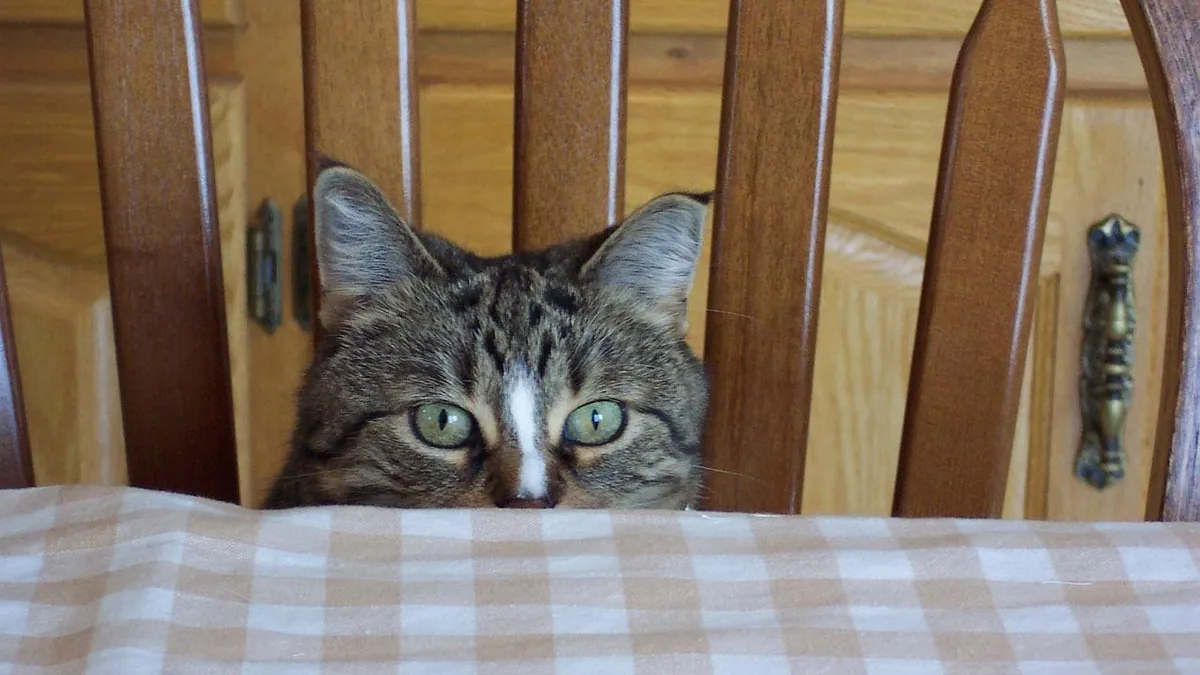
Can cats eat donuts? No, donuts are not a safe food for cats. A plain donut is junk food that can cause stomach upset, and a chocolate-glazed donut can be genuinely toxic [1]. Cats have no nutritional need for fried dough covered in sugar, and some toppings can turn a bad snack into an emergency.
This article is educational and is not a substitute for veterinary diagnosis or treatment.
Quick Answer
- Plain donuts are not toxic on their own, but the fat, sugar, and fried dough can trigger vomiting and diarrhea in cats.
- Chocolate donuts are dangerous because chocolate contains theobromine and caffeine, which cats cannot process efficiently [1][2].
- Dark chocolate and baker's chocolate are the most toxic, while white and milk chocolate have more fat and sugar and lower theobromine levels [3].
- A single lick or a crumb is unlikely to cause severe poisoning, but the risk rises with the amount and type of chocolate eaten [2].
- If your cat ate a chocolate donut, call Pet Poison Helpline at (855) 764-7661 or your veterinarian right away [1].
The Verdict: Can Cats Eat Donuts?
No. Donuts are not part of a healthy feline diet, and there is no safe amount to feed on purpose. Cats are obligate carnivores, meaning they evolved to get their nutrition from animal tissue. When healthy adult cats were allowed to choose their own mix of protein, fat, and carbohydrates, they selected mostly carbohydrate and protein, but that was in the context of complete experimental diets, not fried pastries [4]. A donut delivers almost none of what a cat needs and a lot of what it does not.
The bigger problem is what sits on top of the donut. A plain cake donut is mostly flour, sugar, and oil. A chocolate-frosted donut adds a compound that is poisonous to cats. A powdered donut adds a coating of fine sugar that can be inhaled or irritate the mouth. A filled donut may hide chocolate pudding, custard, or fruit jam. Each version carries a different level of concern, and you need to judge by the topping, not by the word "donut."
If you are trying to understand how chocolate affects cats in more detail, see Cat Ate Chocolate and Can cats eat chocolate toxicity and emergency response.
What Is Actually in a Donut?
A typical donut is a mix of refined flour, sugar, yeast or baking powder, eggs, milk or water, shortening or oil, and salt. It is then fried in oil and coated with glaze, frosting, powdered sugar, or sprinkles. From a cat's point of view, this is a dense package of fat and simple carbohydrates with very little protein.
Cats do not taste sweetness the way people do. They lack the two sweet taste receptors that other mammals have, so a cat is not drawn to a donut because it tastes sugary [2]. That matters for a common question: will cats eat donuts? Some cats will nibble one out of curiosity or because it smells like fat and butter, but most will not seek out a sweet pastry the way a dog might. Curiosity, not craving, is usually the reason a cat ends up near a donut.
There is no nutritional benefit to a donut for a cat. The fat and sugar add calories with no useful amino acids, vitamins, or minerals. Over time, extra calories from human food contribute to weight gain, and overweight and obesity are the most common nutritional disorders in domestic cats [5]. Obesity in cats is linked to chronic low-grade inflammation, insulin resistance, and higher risk of diabetes, joint disease, urinary problems, and other conditions [5]. A donut here and there may seem harmless, but the pattern matters more than any single bite.
Can Cats Eat Chocolate Donuts?
No, and this is the version that worries veterinarians most. Chocolate contains theobromine and caffeine, two stimulant compounds in a group called methylxanthines [1]. Cats cannot metabolize these chemicals efficiently, so they build up in the body and cause poisoning [1][3]. Cats are not allergic to chocolate. The problem is purely toxicological [1].
The amount of theobromine depends on how much cocoa is in the chocolate. Dark chocolate and baker's chocolate contain high levels of theobromine and are the most toxic, while white and milk chocolate contain more fat and sugar with lower theobromine levels [3]. A chocolate-glazed donut usually carries milk chocolate or a chocolate icing, so it sits toward the lower end of the toxicity scale per gram. That does not make it safe. A donut with a thick dark chocolate glaze, cocoa nibs, or a chocolate filling delivers more theobromine per bite.
Symptoms of chocolate poisoning in cats include vomiting, diarrhea, restlessness, hyperactivity, tremors, rapid heart rate, and in severe cases seizures or collapse [3]. These signs can appear within hours of eating. The risk increases with the amount of chocolate consumed, and while a couple of chocolate chips that fell on the floor are unlikely to cause severe poisoning, a larger dose can be dangerous [2]. Your veterinarian calculates the actual risk from your cat's weight, the type of chocolate, and the amount eaten. There is no safe home dose to rely on.
Can Cats Eat Plain Donuts?
Plain donuts are not poisonous, but they are still a poor choice. The main risks are digestive. Fried dough is high in fat, and a cat's digestive tract is not built for a sudden load of grease and sugar. Vomiting and diarrhea are the most likely outcomes. In a cat with a sensitive stomach, pancreatitis, or inflammatory bowel disease, a fatty treat can trigger a painful flare.
Plain donuts also often contain milk, eggs, and sometimes butter. Many adult cats are lactose intolerant, so dairy can add loose stools and gas on top of the fat load. If you want to understand how dairy affects cats, read Can Cats Eat Butter? Fat Content and Lactose and Can Cats Eat Cream Cheese? Dairy Fat and Additive Risks.
Can Cats Eat Powdered Donuts?
Powdered donuts are plain or filled donuts coated in fine powdered sugar. The sugar itself is not toxic to cats, but the powder is a choking and inhalation risk. A cat sniffing or biting a powdered donut can pull fine sugar into the airway, which causes coughing and gagging. Powdered sugar also sticks to the paws and face, and a cat grooming it off swallows more sugar than intended.
Some powdered donuts are filled with chocolate, custard, or fruit jelly. A chocolate-filled powdered donut is a chocolate exposure and needs the same response as any other chocolate ingestion. Always check the filling before you decide how worried to be.
Can Kittens Eat Donuts?
No, and kittens are at higher risk than adults. Kittens are smaller, so a given amount of chocolate or fat represents a larger dose relative to body weight. Their digestive systems are also still developing, and vomiting or diarrhea can dehydrate a kitten quickly. Never offer a donut, a piece of donut, or a lick of frosting to a kitten. If a kitten ate chocolate, treat it as an emergency and call for guidance right away.
Form-by-Form Safety Table
| Form | Safe? | Notes |
|---|---|---|
| Plain cake or yeast donut | No | Not toxic, but high fat and sugar can cause vomiting and diarrhea |
| Powdered donut | No | Choking and inhalation risk from fine sugar, plus possible dairy |
| Glazed donut | No | Sugar glaze adds calories with no benefit |
| Chocolate-glazed or chocolate-frosted donut | No | Chocolate contains theobromine and caffeine, which are toxic to cats [1][2] |
| Dark chocolate or baker's chocolate donut | No | Highest theobromine level and the most toxic type [3] |
| Donut with xylitol or sugar-free sweetener | No | Xylitol is a well-known dog poison, and sugar-free products do not belong in a cat's diet |
| Donut with raisins, garlic, or onion | No | These ingredients are toxic to cats and require immediate veterinary advice |
Other Ingredients That Matter
Chocolate is not the only topping to watch. Some donuts and pastries include raisins or currants, which can cause kidney injury in cats. Savory donuts may contain garlic or onion powder, both of which damage red blood cells in cats. Salt levels in some glazes and fillings can be high enough to cause problems if a cat eats a large amount.
Xylitol deserves a careful word. Xylitol causes dangerous low blood sugar and liver failure in dogs. A controlled study in cats did not find the same effects, so xylitol is not considered highly toxic to cats the way it is to dogs. Even so, sugar-free donuts and pastries are not appropriate for cats, and you should keep them out of reach. If you want to compare how sugar and dairy behave in cat treats, see Can Cats Eat Ice Cream? Xylitol Sugar and Lactose.
How to Handle a Donut Around Your Cat
The safest approach is simple: do not offer donuts to your cat, and do not leave them where a cat can reach them. Cats are good climbers and good counter surfers. A box of donuts left open on a table is an invitation.
If your cat is begging and you want to give a treat, choose a cat-specific treat instead. If you absolutely must redirect a cat that is already investigating your food, offer a small piece of plain cooked chicken or a commercial cat treat. Never let a cat lick frosting off your finger, and never leave a chocolate donut within reach.
If a donut does end up in your cat's mouth, act based on what kind it was. For a plain or powdered donut, watch for vomiting, diarrhea, or coughing and call your veterinarian if signs appear. For a chocolate donut, call Pet Poison Helpline at (855) 764-7661 or your veterinarian immediately [1]. Do not wait for symptoms to start.
What to Do If Your Cat Ate a Donut
If your cat ate a plain donut, remove the rest of the food and watch for stomach upset over the next 12 to 24 hours. Offer water and keep meals small and bland if your veterinarian advises it. Most mild cases resolve with supportive care, but a cat that vomits repeatedly or seems painful needs to be seen.
If your cat ate a chocolate donut, call for advice right away. Have the following ready: your cat's weight, the type of chocolate, the estimated amount eaten, and the time it happened. Do not try to make your cat vomit unless a veterinarian tells you to. Never give human medications, and never guess at a dose of anything.
If your cat ate a donut with raisins, garlic, onion, or xylitol, treat it as urgent and call for guidance. These ingredients can cause problems that are not obvious at first.
Safer Alternatives to Donuts
Cats do not need sweets. If you want to give your cat a treat, stick with small pieces of cooked, unseasoned meat, a commercial cat treat, or a spoonful of a food formulated for cats. Fresh water should always be available. If your cat is overweight, talk to your veterinarian about a weight management plan instead of adding human food to the diet. Obesity in cats has a complex mix of causes, including genetics, age, neutering status, environment, and owner behavior, and it deserves a real plan instead of random treats [5].
Limitations and When to Contact a Veterinarian
Call your veterinarian or Pet Poison Helpline at (855) 764-7661 the same day if your cat ate any amount of chocolate, a chocolate-filled or chocolate-glazed donut, or a donut containing raisins, garlic, onion, or xylitol [1]. Call immediately, as an emergency, if your cat is vomiting repeatedly, has diarrhea, is trembling, twitching, breathing fast, pacing, drooling, or seems weak or unresponsive. These can be signs of chocolate poisoning or another serious problem [3].
Schedule a routine visit if your cat has had repeated small exposures to human food, is gaining weight, or has ongoing digestive issues. Individual cases need a veterinarian who can examine your cat and set a plan for your pet.
Frequently Asked Questions
Will cats eat donuts on their own?
Some cats will nibble a donut out of curiosity, especially if it smells of fat or butter. Cats cannot taste sweetness well, so they are not drawn to donuts the way many dogs are [2]. That does not make donuts safe, and you should still keep them out of reach.
Can cats eat a tiny piece of plain donut?
A tiny piece of plain donut is unlikely to poison a cat, but it offers no benefit and can still cause stomach upset. The fat and sugar are the concern, not toxicity. If your cat has a sensitive stomach or a history of pancreatitis, skip it entirely.
How much chocolate is dangerous for a cat?
There is no safe home dose to rely on. The risk depends on your cat's weight, the type of chocolate, and the amount eaten, and your veterinarian calculates it for your pet [2]. Dark and baker's chocolate are the most toxic because they contain the most theobromine [3].
What are the first signs of chocolate poisoning in a cat?
Vomiting, diarrhea, restlessness, and hyperactivity are common early signs. Tremors, a fast heart rate, and seizures can follow in more serious cases [3]. If you see any of these after a possible chocolate exposure, call for help right away.
Are sugar-free donuts safer for cats?
No. Xylitol is a well-known dog poison, and while a controlled study in cats did not find the same effects, sugar-free products still do not belong in a cat's diet. Other sugar substitutes and additives are not appropriate for cats either. Keep all sugar-free baked goods away from your cat.
Related Articles
- Can Cats Eat Butter? Fat Content and Lactose
- Cat Ate Chocolate
- Can Cats Eat Ice Cream? Xylitol Sugar and Lactose
- Can cats eat chocolate toxicity and emergency response
- Can Cats Eat Cream Cheese? Dairy Fat and Additive Risks
- Can Cats Eat Lactose-Free Milk? Digestibility Guide
- Can Cats Eat Cake? Frosting, Batter, and Chocolate Risks
- Can Cats Eat Cookies? Risks and Safe Treats
- Can Cats Eat Whipped Cream? Dairy and Sugar Risks
References
- Can Cats Eat Chocolate? Symptoms, Risks & What To Do. Pet Poison Helpline.
- Is Chocolate Bad for Cats. Pet Poison Helpline.
- Cats and Chocolate. Pet Poison Helpline.
- When fed foods with similar palatability, healthy adult dogs and cats choose different macronutrient compositions. The Journal of experimental biology, 2018.
- From pathogenesis to prevention: an update on the management of obesity and its associated comorbidities in cats. Frontiers in veterinary science, 2026.