Can Cats Eat Jalapenos? Spice and Allergy Facts
By Dr. Zubair Khalid, DVM, MS, PhD ·
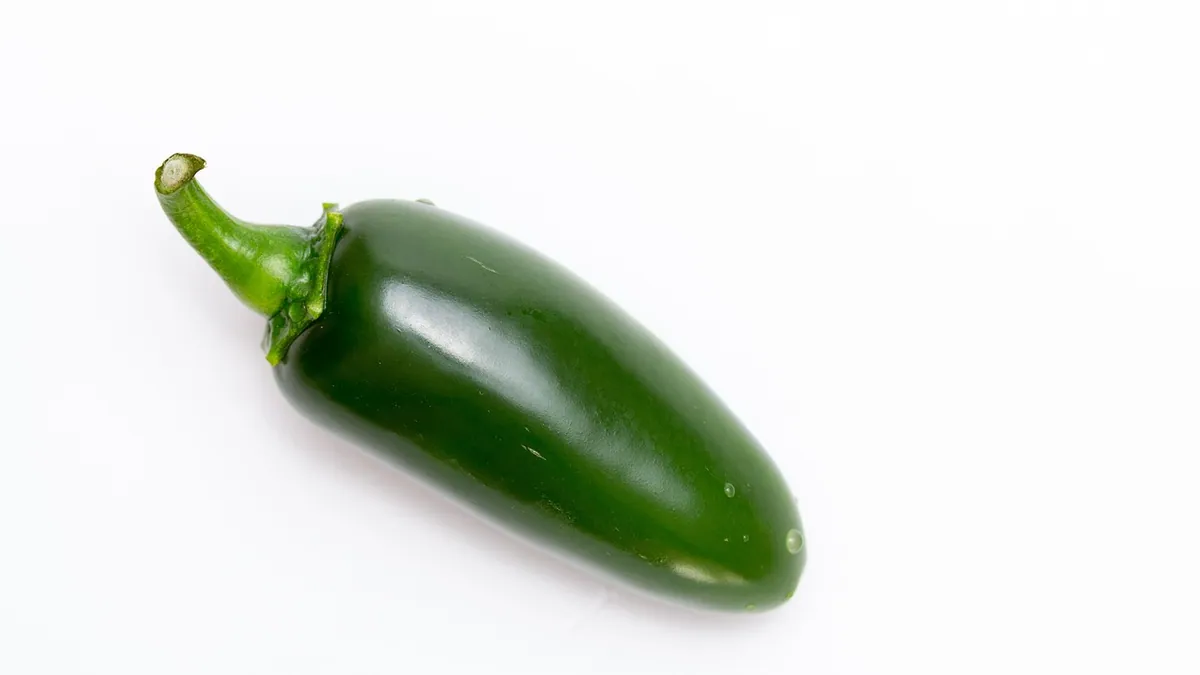
Can cats eat jalapenos? No. Jalapenos are not toxic to cats in the poison sense, but the capsaicin that makes them hot causes real pain in a cat's mouth, throat, and stomach. A cat who eats a jalapeno needs comfort, water, and a call to your veterinarian if signs are strong.
This article is educational and is not a substitute for veterinary diagnosis or treatment.
Quick Answer
- Jalapenos are not poisonous to cats, but they are painful and irritating, so they should never be offered as food or a treat.
- Capsaicin, the compound that gives chili peppers their heat, triggers burning and pain in mammals, and cats are very sensitive to it.
- Watch for drooling, pawing at the mouth, vomiting, and stomach upset after any bite of a jalapeno.
- Plain water and a bland, cat-appropriate meal help most mild cases, but repeated vomiting or severe distress needs a same-day vet call.
- The bigger danger is often what the jalapeno is mixed with, such as salsa, guacamole, cheese dip, or hot sauce that contains onion, garlic, salt, or xylitol.
Can Cats Eat Jalapenos? The Short Answer
No, cats should not eat jalapenos. There is no nutritional reason to feed them, and the pepper's active compound, capsaicin, causes burning pain in the mouth, esophagus, and stomach lining of mammals. Cats have far fewer taste buds for sweetness than people do, but their pain receptors respond to capsaicin much like ours do, so a jalapeno is unpleasant at best and distressing at worst.
Capsaicin is the same compound researchers use to deliberately trigger coughing in cats during breathing studies, which shows that feline airways and tissues respond to it in a measurable way [1]. That does not mean a single lick is an emergency, but it does confirm that capsaicin is an irritant to cats, not a flavor they enjoy.
If your cat stole a piece of jalapeno off a plate, stay calm. Most exposures cause mouth discomfort and mild stomach upset that passes. The sections below explain what to watch for and when to get help.
Are Cats Allergic to Jalapenos?
True allergy to jalapenos in cats is not well established in veterinary research. What owners usually see after a cat eats a jalapeno is irritation, not an immune allergy. The burning, drooling, and vomiting come from direct chemical irritation of the tissues, and that reaction happens in almost any cat who eats enough of the pepper.
A genuine food allergy in cats usually shows up as itchy skin, hair loss, ear infections, or chronic digestive problems tied to a protein in the diet, not as an immediate reaction to a pepper. If your cat has a diagnosed food allergy, talk with your veterinarian about what table foods to avoid. You can read more about how feline food allergies are sorted out in Cat Allergy Food.
There is one important exception. A cat can have a severe reaction to any food, including a first-time exposure, and signs like facial swelling, hives, trouble breathing, or collapse are emergencies. Those signs are rare after a pepper, but they are possible with any food.
Nutrition: What Is Actually in a Jalapeno?
A raw jalapeno is mostly water with a small amount of fiber, vitamin C, and vitamin A. Those nutrients are real, but they are also easy for a cat to get from a complete and balanced cat food. Cats are obligate carnivores, meaning their bodies are built to use animal protein and fat, and they have no dietary requirement for peppers or other nightshade vegetables.
Capsaicin itself has been studied for anti-inflammatory effects in fat tissue and immune cells, mostly in mice and lab cell models [2]. That research is about obesity and inflammation in a laboratory setting, not about feeding peppers to cats. It does not support giving your cat jalapenos.
Pepper breeding research focuses on increasing capsaicinoid levels in chili cultivars for human food and industrial use [3]. Again, this has nothing to do with feline nutrition. The bottom line is simple. A jalapeno adds no benefit a cat needs, and it adds a compound that hurts.
Risks of Jalapenos for Cats
Mouth and stomach pain
Capsaicin binds to pain receptors and produces a burning sensation. In a cat, that can mean frantic pawing at the mouth, drooling, head shaking, and refusing food for a while. Some cats vomit from the irritation.
Choking and blockage
Whole or large pieces of pepper can lodge in the throat, and stems or tough pieces can be hard to chew. Cats do not chew food the way people do, so a chunk of pepper can be swallowed mostly intact.
Digestive upset
Vomiting and diarrhea are common after a cat eats something irritating. A cat with a sensitive stomach may have loose stool for a day or two. Ongoing digestive disease in cats is a separate issue, and veterinarians do investigate viruses and other causes when diarrhea persists [4].
Additives are often the real problem
Jalapenos rarely show up alone. They come in salsa, guacamole, nacho cheese, chili, hot sauce, and stuffed appetizers. Those foods bring risks of their own.
- Onion and garlic, common in salsa and hot sauce, damage red blood cells in cats and can cause anemia.
- Xylitol is a well-known dog poison that causes dangerous low blood sugar and liver failure in dogs. A controlled study in cats did not find the same effects, so xylitol is not considered highly toxic to cats. Even so, sugar-free products do not belong in a cat's diet. If your cat ate a sugar-free food, call your veterinarian or a poison control line for guidance.
- Salt and rich fats can cause stomach upset, and high-fat foods can trigger pancreatitis in sensitive cats.
- Dairy in cheese dips causes digestive upset in many adult cats, who are often lactose intolerant.
If the jalapeno came inside a hot dog or a similar processed meat, the pepper is the least of your concerns. See Can Cats Eat Hot Dogs for why processed meats are a poor choice for cats.
How to Offer Jalapenos Safely (Best Answer: Don't)
There is no safe way to feed a cat a jalapeno as a treat. If your goal is to share a little human food with your cat, choose something plain and cat-appropriate instead.
If your cat is simply curious and you want to redirect the behavior, offer a small piece of plain cooked chicken, a bit of plain cooked egg, or a commercial cat treat. Plain cooked eggs are a reasonable occasional bite for most cats, as covered in Can Cats Eat Eggs.
Parts and preparations to avoid completely:
- Raw, cooked, pickled, or roasted jalapeno flesh
- Jalapeno seeds and the white inner ribs, which hold the most capsaicin
- Stems and leaves of the pepper plant
- Salsa, pico de gallo, hot sauce, chili, and spicy marinades
- Jalapeno poppers, which add cream cheese, breading, and often onion or garlic
- Any product labeled sugar-free or containing xylitol
| Form | Safe for Cats? | Notes |
|---|---|---|
| Raw jalapeno flesh | No | Capsaicin causes mouth and stomach pain |
| Jalapeno seeds and ribs | No | Highest capsaicin concentration |
| Pickled jalapenos | No | Added salt, vinegar, and often garlic |
| Salsa or pico de gallo | No | Onion, garlic, and salt risks |
| Hot sauce | No | Concentrated capsaicin plus additives |
| Jalapeno poppers | No | Dairy, breading, onion, and garlic |
| Plain cooked chicken | Yes, in small amounts | A better sharing option |
What to Do If Your Cat Ate a Jalapeno
Stay calm and assess your cat. Most single bites of plain pepper cause discomfort that settles within an hour or two, but you should still act.
- Remove any remaining pepper from your cat's reach.
- Offer fresh water. Do not force your cat to drink.
- Offer a small amount of plain, wet cat food or a bland meal if your cat is willing to eat.
- Do not give milk. Many adult cats cannot digest lactose, and dairy can add vomiting and diarrhea on top of the pepper irritation.
- Do not give human pain relievers. Acetaminophen and ibuprofen are toxic to cats.
- Wipe your cat's mouth gently with a cool, damp cloth if drooling is heavy, and let your cat settle in a quiet spot.
If your cat ate a food that contains onion, garlic, or xylitol, call your veterinarian or a pet poison control line right away. Your veterinarian calculates any treatment dose from your cat's weight and health, so never guess at a dose at home.
Safer Alternatives to Jalapenos
Cats do not need variety from the spice rack. They need a complete and balanced diet built for their life stage. Nutrition for older cats is an active area of research, and even senior cats have no official feeding guidelines, so your veterinarian is the best source for diet choices as your cat ages [5].
If you want to give your cat a treat, choose:
- A commercial cat treat sized for your cat
- A small piece of plain cooked chicken or turkey with no seasoning
- A bite of plain cooked egg
- A spoonful of plain, unseasoned canned pumpkin
Skip anything spicy, salty, sugary, or sugar-free. If you are unsure whether a food is safe, ask your veterinarian before you offer it. Seafood treats come with their own questions, which are covered in Can Cats Eat Lobster? Shellfish Allergy and Cholesterol.
Limitations and When to Contact a Veterinarian
Most jalapeno exposures in cats are mild, but you cannot always predict how a cat will react. Call your veterinarian the same day if your cat vomited more than once, has diarrhea, is drooling heavily, is pawing at the mouth for more than a few minutes, or refuses food for more than a few hours.
Go to an emergency clinic now if you see any of these:
- Trouble breathing, wheezing, or noisy breathing
- Swelling of the face, lips, or tongue
- Collapse, weakness, or unresponsiveness
- Repeated vomiting that will not stop
- Seizure activity
- Known ingestion of onion, garlic, or a sugar-free product containing xylitol
Schedule a routine visit if your cat had a mild reaction that resolved but you want a checkup, or if digestive signs linger for more than a day or two. Individual cases need a veterinarian who can examine your cat, so use these guidelines as a starting point and not as a diagnosis.
Frequently Asked Questions
Can cats have jalapenos without getting sick?
Some cats may only drool and paw at their mouth for a few minutes, but that is still pain, not a harmless reaction. There is no way to predict how much discomfort a given cat will feel, and there is no benefit to offering the pepper. The safest choice is to keep jalapenos away from your cat entirely.
Is one lick of a jalapeno dangerous for a cat?
A single lick is usually not dangerous, though it can cause drooling and mouth irritation. Wipe the mouth if needed, offer water, and watch for vomiting or diarrhea over the next few hours. If your cat seems painful or unwell, call your veterinarian.
What does capsaicin do to cats?
Capsaicin activates pain receptors and produces a burning sensation in the mouth, throat, and stomach. Feline tissues respond to it in a measurable way, which is why it is used in research to trigger coughing responses in cats [1]. It is an irritant, not a nutrient.
Can a cat die from eating a jalapeno?
Death from a plain jalapeno is very unlikely. The serious risks come from what the pepper is mixed with, such as onion, garlic, xylitol, or a large amount of salt and fat. If your cat ate a prepared food with those ingredients, treat it as an urgent situation and call for advice.
Should I make my cat throw up after eating a jalapeno?
No. Never induce vomiting at home unless a veterinarian tells you to. Vomiting can cause its own injuries, and capsaicin will burn again on the way up. Call your veterinarian or a pet poison control line and follow their instructions instead.
Related Articles
- Can Cats Eat Lobster? Shellfish Allergy and Cholesterol
- Can Cats Eat Hot Dogs
- Cat Allergy Food
- Can Cats Eat Eggs
- Can Cats Eat Almond Milk? Xylitol and Nut Concerns
- Will Cats Eat Hot Dogs
- Can Cats Eat Oregano? Leaves, Oil, and Spice
- Is My Cat Allergic to Grain, Rice, or Nuts?
- Can Cats Eat Bell Peppers? Raw, Cooked and Seeds
References
- Use of a Capsaicin Cough Challenge Test to Compare Four Different Techniques for Nebulization Delivery in Cats. Veterinary sciences, 2024.
- Obesity-associated inflammatory macrophage polarization is inhibited by capsaicin and phytolignans. American journal of physiology. Regulatory, integrative and comparative physiology, 2024.
- Genome blaze: engineering chilli pepper chloroplasts for sustainable production of capsaicinoids through organellar genome editing. Plant biology (Stuttgart, Germany), 2025.
- Feline bocaparvovirus in domestic cats with gastrointestinal disease. Veterinary journal (London, England : 1997), 2026.
- EXPRESS: What Goes in the Bowl? Evidence-Based Nutrition for Ageing Domestic Cats. Journal of feline medicine and surgery, 2026.