Can Cats Eat Whipped Cream? Dairy and Sugar Risks
By Dr. Zubair Khalid, DVM, MS, PhD ·
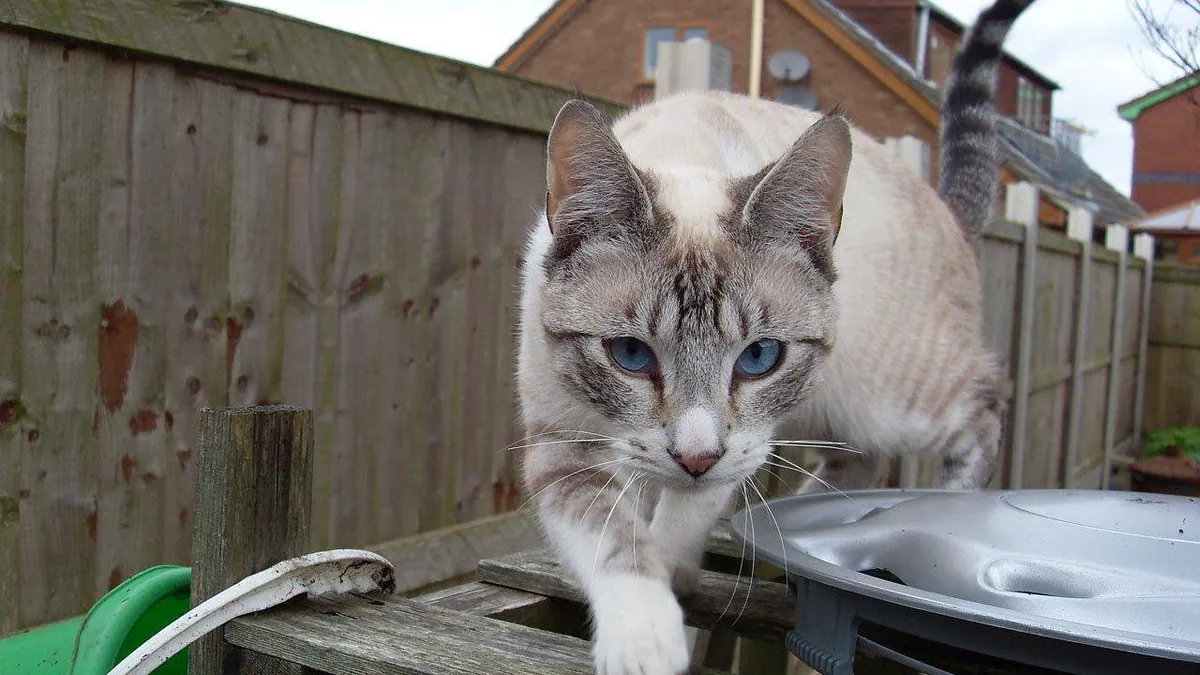
Can cats eat whipped cream? No. Whipped cream is not a safe or appropriate treat for cats. Most cats cannot digest dairy well, and the sugar, fat, and additives in whipped cream add risks without any nutritional benefit.
This article is educational and is not a substitute for veterinary diagnosis or treatment.
Quick Answer
- Skip whipped cream entirely. Cats are obligate carnivores with a limited ability to handle dairy and sugar.
- Most adult cats are lactose intolerant, so dairy often causes gas, bloating, and diarrhea.
- Sugar-free whipped cream is the most dangerous type because it may contain xylitol, a well-known dog poison.
- A tiny lick is unlikely to be fatal, but it can still cause stomach upset in sensitive cats.
- Safe treats are cooked plain meat, commercial cat treats, or a small piece of plain cooked egg.
Can Cats Have Whipped Cream? The Short Answer Is No
Whipped cream is made from heavy cream, sugar, and often stabilizers or flavorings. None of these ingredients match what a cat's body is built to process. Cats evolved as hunters of small prey, and their digestive systems are tuned to protein and fat from animal tissue, not to the lactose and sucrose in a dessert topping [1].
A single lick of whipped cream will not usually kill a healthy adult cat. That said, "not immediately deadly" is a low bar. The more common outcome is an upset stomach, and some cats have a much stronger reaction than others.
Kittens are even less equipped to handle whipped cream. Their digestive systems are still developing, and diarrhea in a small kitten can lead to dehydration quickly. Do not offer whipped cream to kittens at any age.
What Is Actually in Whipped Cream?
A typical aerosol or tub whipped cream contains:
- Heavy cream or light cream (milk fat and lactose)
- Sugar or corn syrup
- Artificial flavors
- Stabilizers such as carrageenan or cellulose gum
- Emulsifiers
- Propellants in canned versions
The nutrition is mostly fat and sugar. There is no protein benefit, no taurine, no arginine, and nothing a cat needs. Arginine and taurine are essential nutrients for cats, and they must come from meat-based food, not dessert toppings.
Sugar-free versions swap sugar for sugar alcohols. That change makes them more dangerous, not safer.
The Real Risks of Whipped Cream for Cats
Lactose and Digestive Upset
Most adult cats produce little to no lactase, the enzyme that breaks down lactose. When lactose reaches the large intestine undigested, gut bacteria ferment it. The result is gas, cramping, loose stool, and sometimes vomiting. This is the same reason many people avoid milk as adults.
A cat with a sensitive stomach may have diarrhea within a few hours of eating dairy. Repeated episodes can lead to dehydration and electrolyte problems, especially in older cats or cats with kidney disease.
Fat Content and Pancreatitis
Whipped cream is high in fat. A sudden fatty meal can trigger pancreatitis in cats, a painful inflammation of the pancreas. Pancreatitis in cats is often subtle at first, with signs like hiding, refusing food, and lethargy. It can become serious and requires veterinary care.
Cats that are already overweight are at higher risk. Feline obesity is common, and one study found that indoor confinement and stronger owner attachment were linked to a higher risk of obesity at an early age [2]. Adding whipped cream to an overweight cat's diet works against every weight management plan.
Xylitol in Sugar-Free Whipped Cream
This is the biggest concern with "zero sugar" or "sugar free" whipped cream. Xylitol is a sugar alcohol used as a sweetener, and it is a well-known and dangerous poison in dogs. It causes a sharp drop in blood sugar and can lead to liver failure in dogs.
The picture in cats is different. A controlled study in cats did not find the same severe effects that dogs experience. That does not make xylitol safe for cats. It means we should not call it highly toxic to cats, and we should not assume a cat can eat it freely. Sugar-free products still do not belong in a cat's diet, and a cat that eats a large amount should still be checked by a veterinarian.
If you are unsure whether a product contains xylitol, read the label. If it says "sugar free," "zero sugar," or "no sugar added," assume it may contain a sugar alcohol until you confirm otherwise.
Other Additives to Watch
Flavored whipped creams can contain chocolate, vanilla extract, cinnamon, or mint. Chocolate contains theobromine and caffeine, both of which are toxic to cats. Some savory or garlic-flavored versions contain garlic or onion powder, which damage red blood cells in cats and can cause anemia.
Salt is another concern. High-sodium foods are hard on cats with heart or kidney disease. A cat with heart failure on a sodium-restricted diet should never get table foods like whipped cream.
Choking and Dosing Accidents
Canned whipped cream comes out under pressure. A cat that bites the nozzle can get a sudden spray into the mouth or airway. This can cause choking, coughing, or aspiration. Never let a cat lick directly from the can or nozzle.
Can Cats Have Whipped Cream From Starbucks?
Starbucks whipped cream is sweetened dairy cream. It is the same basic problem as any other whipped cream: lactose, sugar, and fat. There is no cat-safe version on the menu.
Some people ask about the "puppuccino," which is a small cup of whipped cream for dogs. That product is designed for dogs, not cats, and it still contains dairy and sugar. It is not a cat treat.
If you want to give your cat a special drink, plain water or a small amount of unsalted, unseasoned broth is a better choice. Avoid anything with added sugar, sweeteners, or flavorings.
Can Cats Eat Coconut Whipped Cream?
Coconut whipped cream is dairy free, so it avoids lactose. That does not make it a good choice. Coconut products are high in fat, and a sudden high-fat treat can still upset a cat's stomach or trigger pancreatitis.
Coconut whipped cream also often contains added sugar or sweeteners. Some brands use xylitol or other sugar alcohols. The same label-reading rules apply.
Coconut itself is not toxic to cats in small amounts, but the fat load and additives are the problem. If you want to offer a tiny taste of plain, unsweetened coconut milk, that is a different question from whipped coconut cream. Even then, most cats do not need it.
Can Cats Have Zero Sugar Whipped Cream?
No. Zero sugar whipped cream is not a safe cat treat. It replaces sugar with sugar alcohols, and xylitol is the one owners should know about. Xylitol is a well-known dog poison that causes dangerous low blood sugar and liver failure in dogs.
In cats, the same severe reaction has not been shown in controlled research. That is a reason to avoid calling xylitol highly toxic to cats, not a reason to feed it. A cat's body is not designed for sugar alcohols, and the long-term effects in cats are not well established in veterinary research.
If your cat eats a large amount of a xylitol-containing product, call your veterinarian or a pet poison hotline. Have the package label ready so you can read the ingredients and the amount eaten.
How to Offer Whipped Cream Safely (If You Choose To)
The safest choice is not to offer whipped cream at all. If you still want to let your cat taste a tiny amount, follow these rules.
- Offer no more than a small dab, about the size of a pea, from a spoon.
- Never let your cat lick the can, nozzle, or tub.
- Choose plain whipped cream with no chocolate, garlic, onion, mint, or other flavorings.
- Avoid all sugar-free and zero-sugar versions.
- Watch for vomiting, diarrhea, gas, or lethargy for 24 hours.
- Do not make it a habit. A one-time taste is different from a weekly treat.
Form | Safe? | Notes
| Form | Safe? | Notes |
|---|---|---|
| Plain sweetened whipped cream | No | Lactose, sugar, and fat cause digestive upset |
| Sugar-free or zero sugar whipped cream | No | May contain xylitol, a dog poison |
| Coconut whipped cream | No | Dairy free but high fat and often sweetened |
| Whipped cream from Starbucks | No | Sweetened dairy cream, no cat-safe version |
| Canned spray whipped cream | No | Choking risk from the nozzle and propellant |
| Homemade unsweetened heavy cream | No | Still high lactose and fat for cats |
What to Do If Your Cat Ate Whipped Cream
If your cat ate a small lick of plain whipped cream, watch for stomach upset. Mild gas or one soft stool is common and often settles on its own. Withhold other treats for the rest of the day and make sure fresh water is available.
Call your veterinarian the same day if your cat:
- Vomits more than once
- Has diarrhea that lasts more than a few hours
- Refuses food
- Seems painful in the belly
- Becomes lethargic or hides
Go to an emergency clinic right away if your cat:
- Ate a sugar-free product containing xylitol
- Ate whipped cream with chocolate, garlic, or onion
- Is having trouble breathing or coughing after biting a spray can
- Collapses, trembles, or seems weak
For a possible poisoning, contact your veterinarian or a pet poison hotline. The ASPCA Animal Poison Control Center is available at (888) 426-4435, and the Pet Poison Helpline is available at (855) 764-7661. Fees may apply.
Safer Alternatives to Whipped Cream
If you want to give your cat a treat, choose something that fits a carnivore's diet.
- Small pieces of plain cooked chicken, turkey, or beef with no seasoning
- A bite of plain cooked egg
- Commercial cat treats formulated for cats
- A small spoon of plain canned pumpkin (not pie filling)
- Freeze-dried single-ingredient meat treats
- A few pieces of plain cooked fish, such as salmon or tuna, in small amounts
For dairy-related questions, see our guides on cream cheese, ice cream, and butter. If you are curious about lactose-free options, read our guide on lactose-free milk.
Limitations and When to Contact a Veterinarian
This article covers general information about whipped cream and cats. It cannot tell you what is safe for your specific cat. Cats with diabetes, pancreatitis, kidney disease, heart disease, or food allergies need individual advice. Your veterinarian can set a safe treat plan based on your cat's weight and health.
Contact your veterinarian the same day if your cat has vomiting, diarrhea, or refuses food after eating whipped cream. Go to an emergency clinic now if your cat ate a sugar-free product, chocolate, garlic, or onion, or if your cat is having trouble breathing.
Frequently Asked Questions
Can cats have whipped cream?
No. Whipped cream contains lactose, sugar, and fat that most cats cannot handle well. A tiny lick is unlikely to be fatal, but it can cause gas, diarrhea, or vomiting.
Can kittens eat whipped cream?
No. Kittens have even less ability to digest dairy than adult cats. Diarrhea in a kitten can lead to dehydration quickly, so keep whipped cream away from kittens entirely.
Can cats eat coconut whipped cream?
No. Coconut whipped cream avoids lactose but is still high in fat and often contains added sugar or sweeteners. High-fat treats can upset a cat's stomach or trigger pancreatitis.
Can cats have zero sugar whipped cream?
No. Zero sugar whipped cream may contain xylitol, which is a well-known dog poison. The severe reaction seen in dogs has not been shown in cats, but sugar alcohols still do not belong in a cat's diet.
Can cats have whipped cream from Starbucks?
No. Starbucks whipped cream is sweetened dairy cream with the same lactose, sugar, and fat problems. There is no cat-safe version on the menu, and the puppuccino is made for dogs, not cats.
Related Articles
- Can Cats Eat Cream Cheese? Dairy Fat and Additive Risks
- Can Cats Eat Ice Cream? Xylitol Sugar and Lactose
- Can Cats Eat Butter? Fat Content and Lactose
- Can Cats Eat Dog Ice Cream? Safety and Ingredients to Avoid
- Can Cats Eat Lactose-Free Milk? Digestibility Guide
- Can Cats Eat Strawberries? Nutritional Benefits and Risks
- Can Cats Eat Blueberry Yogurt? Dairy and Sugar Risks
- Can Cats Eat Cereal? Milk, Sugar, and Safety
- Can Cats Eat Bread and Butter? Risks of Fat and Dairy
References
- Serum Metabolomics Reveals Impaired Fatty Acid Oxidation and Elevated One-Carbon Demand in Cats Fed a Low-Protein Diet Compared with a Low-Fat or Low-Carbohydrate Diet. The Journal of nutrition, 2026.
- Feline obesity is associated with stronger owner attachment, while indoor confinement increases risk of obesity at an early age in domestic shorthaired cats. Frontiers in veterinary science, 2026.