Can Cats Eat Ube? Purple Yam Safety for Cats
By Dr. Zubair Khalid, DVM, MS, PhD ·
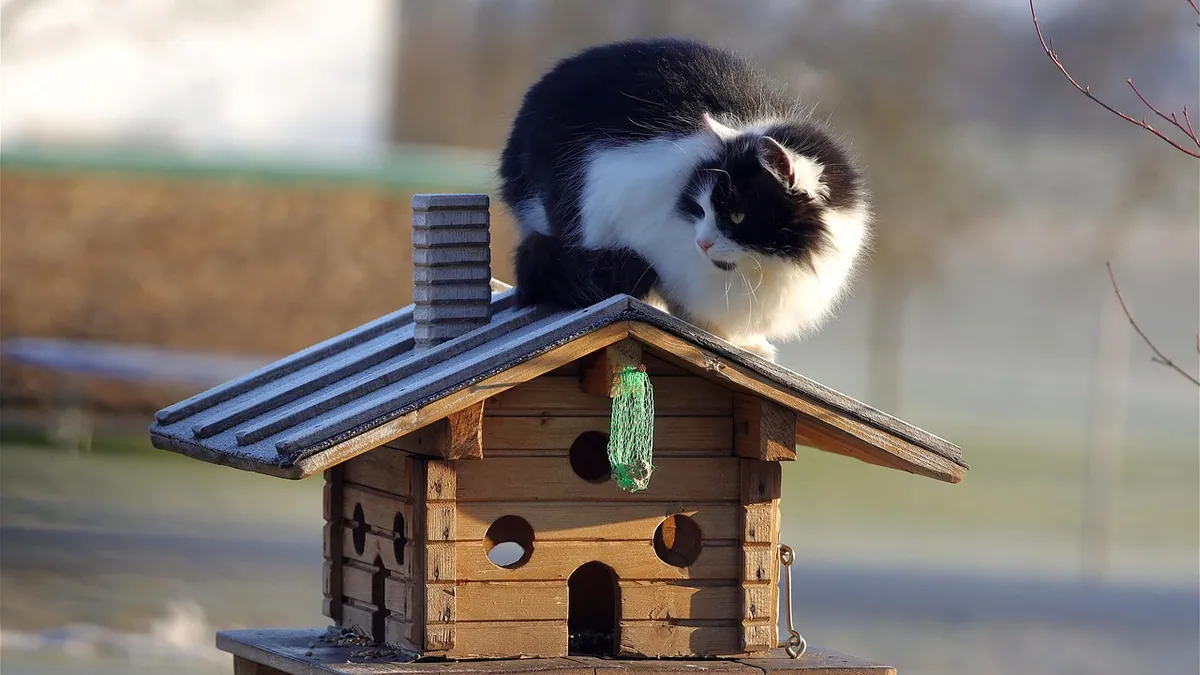
Cats can eat plain, cooked ube in tiny amounts, but they do not need it and most will ignore it. The real danger is not the purple yam itself, it is the sweetened ube desserts people actually buy, which often contain sugar, dairy, and other ingredients that can upset a cat's stomach. This article is educational and is not a substitute for veterinary diagnosis or treatment.
Quick Answer
- Plain, cooked, unsweetened ube is not known to be toxic to cats, but it offers no nutritional benefit a cat needs.
- Ube halaya, ube ice cream, ube cake, and ube pastries are unsafe because of sugar, milk, butter, and possible xylitol, salt, garlic, or onion.
- Any new food can cause vomiting or diarrhea in a cat, so offer no more than a pea-sized piece if you offer it at all.
- Cats are obligate carnivores and do best on a complete commercial cat diet, not starchy vegetables.
- If your cat ate a sweetened ube product, call your veterinarian or a pet poison hotline right away, especially if xylitol is listed.
Is Ube Safe for Cats?
Plain ube is generally considered non-toxic to cats. Ube is a purple variety of yam, a starchy root vegetable. It does not contain the compounds found in onions, garlic, or chocolate that cause poisoning in cats. That said, "not toxic" is not the same as "good for your cat." Cats evolved to eat meat, and their bodies are built to get nutrients from animal tissue, not from starchy plants.
The bigger issue is what ube usually comes wrapped in. When people ask can cats have ube, they are often picturing a spoonful of ube halaya, a slice of ube cake, or a scoop of purple ice cream. Those products are the problem, not the vegetable.
If you want to offer a taste of plain cooked ube, keep it to a pea-sized piece and watch your cat for a day afterward. Most cats will sniff it and walk away, which is completely fine.
What Is in Ube?
Ube is high in carbohydrates, mostly starch. It provides some fiber, potassium, and antioxidant pigments that give it the purple color. None of these are things a cat needs from a treat. Cats have a limited ability to digest carbohydrates compared with people, and their natural prey contains very little starch.
Research on starch sources in pet food shows that cats can process starch-based diets, and pea-based diets have been linked to lower plasma triglycerides, cholesterol, and leptin levels compared with a corn control diet in both dogs and cats [1]. That finding is about complete formulated diets, not about feeding table scraps of root vegetables. It does not mean your cat benefits from a spoonful of ube.
There is no established nutritional requirement for ube in cats. Your cat's protein, fat, vitamin, and mineral needs should come from a complete and balanced cat food, not from a root vegetable.
Risks of Feeding Ube to Cats
Sugar and Dairy in Ube Desserts
This is the most common real-world problem. Ube halaya is made with sugar and often coconut milk or condensed milk. Ube ice cream contains dairy and sugar. Ube cakes and pastries contain butter, eggs, sugar, and sometimes cream fillings. Cats are lactose intolerant as adults, so dairy commonly causes gas, bloating, and diarrhea. A large sugar load can also cause stomach upset and loose stool.
Xylitol and Other Sweeteners
Some sugar-free or reduced-sugar baked goods use xylitol, a sweetener that is highly toxic to dogs and can cause dangerously low blood sugar and liver injury. Cats are less commonly affected than dogs, but xylitol is still not something you should ever feed a cat. Read labels on any packaged ube product before you let your cat near it.
Salt, Garlic, and Onion
Savory ube dishes, ube chips, and some Filipino preparations may include salt, garlic, or onion. Garlic and onion damage red blood cells in cats and can cause anemia. Salt in large amounts can cause sodium poisoning. These ingredients are far more dangerous than the ube itself.
Choking and Blockage
Large chunks of cooked ube are soft, but firm raw pieces or sticky dessert dough can be a choking hazard. Sticky, dense sweets can also form a mass in the stomach or intestine. Cats have small mouths and narrow digestive tracts, so any food that is hard to chew is a risk.
Digestive Upset
Any unfamiliar food can trigger vomiting or diarrhea in a cat. Cats have sensitive stomachs, and sudden diet changes are a common cause of GI upset. If your cat has a history of pancreatitis, inflammatory bowel disease, diabetes, or kidney disease, skip ube entirely unless your veterinarian approves it.
Allergy
Are cats allergic to ube? True food allergy to ube is rare and not well documented, but any protein or plant can theoretically trigger a reaction. Signs of an allergic reaction include itching, hives, swelling of the face or paws, vomiting, and diarrhea. Severe reactions can cause difficulty breathing and collapse. If you see swelling around the face or trouble breathing after your cat eats anything new, treat it as an emergency.
How to Offer Ube Safely
If you decide to let your cat try ube, follow these rules.
- Use plain ube only. Boil, steam, or bake it with no salt, sugar, butter, milk, or seasoning.
- Peel it fully and cook it until soft.
- Cool it completely.
- Cut it into a pea-sized piece. One piece is enough.
- Offer it plain, not mixed into your cat's regular food.
- Watch for vomiting, diarrhea, or lethargy for 24 hours.
Do not offer ube every day. Treats should make up a very small part of your cat's daily calories, and many veterinarians recommend keeping all treats under about 10 percent of daily intake. For a cat, that is a tiny amount of food.
Ube Forms at a Glance
| Form | Safe? | Notes |
|---|---|---|
| Plain cooked ube | Caution | Not toxic, but no nutritional need. Pea-sized piece only. |
| Raw ube | No | Hard to chew, choking risk, hard to digest. |
| Ube halaya | No | High sugar, often dairy. GI upset likely. |
| Ube ice cream | No | Dairy and sugar. Cats are lactose intolerant. |
| Ube cake or pastry | No | Sugar, butter, eggs, possible xylitol, salt, or garlic. |
| Ube chips or fries | No | Salt, oil, and possible onion or garlic powder. |
| Ube powder or extract | No | Concentrated, often sweetened, unknown additives. |
What If Your Cat Ate Ube?
If your cat ate a small piece of plain cooked ube, you can usually monitor at home. Watch for vomiting, diarrhea, drooling, or changes in appetite or energy over the next 24 hours. Most cats will be fine.
If your cat ate a sweetened ube dessert, call your veterinarian or a pet poison hotline right away. Give them the product name, the ingredients list, and your best estimate of how much your cat ate. If the label lists xylitol, garlic, onion, or a large amount of salt, treat it as urgent.
Go to an emergency clinic immediately if you see any of these signs.
- Repeated vomiting or vomiting that will not stop
- Weakness, wobbling, or collapse
- Pale gums, which can signal anemia
- Tremors, seizures, or unusual behavior
- Difficulty breathing or swelling of the face
- No appetite or no drinking for more than 12 hours
Do not try to make your cat vomit at home. That can cause more harm than good. Let a veterinarian decide.
Safer Alternatives to Ube
If you want to give your cat a treat, choose something made for cats. A few small pieces of plain cooked chicken, turkey, or a commercial cat treat are better choices than any dessert. Plain cooked salmon or a bite of plain scrambled egg can also work for many cats.
If you are curious about other human foods, these guides can help you decide what is safe.
Keep in mind that cats are not small dogs. Their nutritional needs are different, and foods that are fine for a dog may not suit a cat. If you are ever unsure, ask your veterinarian before you share your plate.
Limitations and When to Contact a Veterinarian
No article can tell you exactly how your individual cat will respond to a new food. Age, weight, health conditions, and medications all change the picture. Your veterinarian can give you advice based on your cat's specific situation.
Contact your veterinarian the same day if your cat ate a sweetened ube product, if the label lists xylitol, garlic, onion, or a lot of salt, or if your cat has one or two episodes of vomiting or diarrhea.
Go to an emergency clinic now if your cat is weak, collapsing, having trouble breathing, having seizures, has pale gums, or is vomiting repeatedly.
Schedule a routine visit if your cat has had mild stomach upset for more than a day, has stopped eating, or if you have questions about your cat's diet and weight. Feeding instructions on commercial cat food labels can vary, and some may recommend more calories than a cat actually needs, which is one reason obesity is so common [2]. Your veterinarian can help you set the right portion for your cat.
Frequently Asked Questions
Can cats have ube every day?
No, cats should not eat ube every day. It provides no nutrients a cat needs and takes up room in the stomach that should go to a complete cat food. An occasional pea-sized piece of plain cooked ube is the most you should offer.
Are cats allergic to ube?
True allergy to ube in cats is rare and not well documented. Any food can trigger a reaction in a sensitive cat, with signs like itching, vomiting, diarrhea, or facial swelling. If you see swelling or trouble breathing, get emergency care right away.
Is purple yam the same as ube?
Yes, ube is a purple variety of yam, and the names are often used interchangeably in the United States. The safety rules are the same. Plain cooked purple yam is not toxic, but sweetened purple yam desserts are unsafe for cats.
Can kittens eat ube?
Kittens should not eat ube. Kittens need a complete kitten food to support growth, and their digestive systems are easily upset by new foods. Stick to kitten-formulated food and kitten-safe treats until your veterinarian says otherwise.
What should I do if my cat ate ube cake?
Call your veterinarian or a pet poison hotline right away. Ube cake often contains sugar, dairy, and sometimes xylitol, garlic, or onion, all of which can cause problems for a cat. Have the ingredient list ready and follow your veterinarian's instructions.
Related Articles
- Can Cats Eat Uncooked Hot Dogs? Risks and Safer Options
- Can Cats Eat Watermelon? Hydration & Seed Hazards
- Can Cats Eat Bananas
- Can Cats Eat Dog Food
- Can Dogs Eat Green beans? Weight Loss & Raw Safety
- Can Dogs Eat Cat Food
- Can Cats Eat Cantaloupe? Seeds, Rind, and Safe Portions
- Can Cats Eat Green Beans? Raw, Cooked, and Canned
- Can Cats Eat Corn? Cobs, Kernels, and Safety Risks
References
- Effects of feeding Candida utilis-fermented pea starch on overall, metabolic and intestinal health of dogs and cats. Frontiers in veterinary science, 2025.
- An investigation of feeding instructions on cat food labels in Belgium and comparison with European industry energy intake recommendations. The Veterinary record, 2026.