Can Cats Eat Persimmons? Skin, Seeds, and Safety
By Dr. Zubair Khalid, DVM, MS, PhD ·
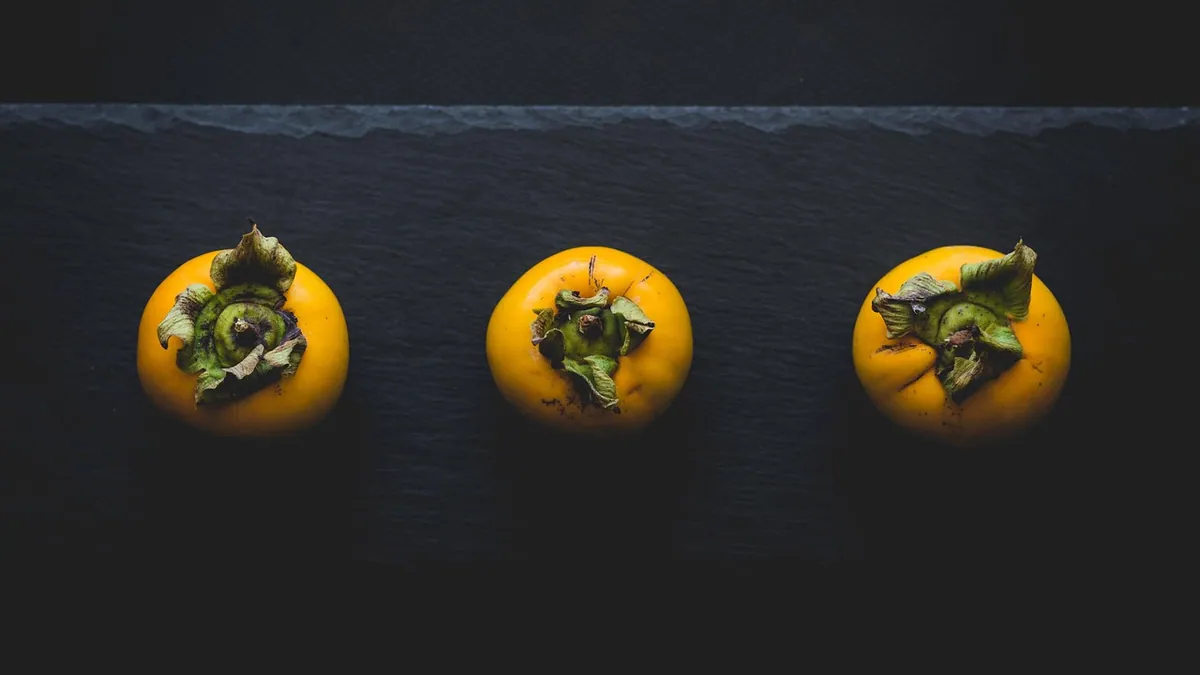
Can cats eat persimmons? The short answer is that a small piece of ripe, plain persimmon flesh is not toxic to cats, but the seeds, stem, and dried versions can cause serious problems. Most cats do not need fruit at all, and persimmon offers them nothing they cannot get from a balanced cat food. If you want to share a taste, keep it to a pea-sized bite of soft flesh with no skin, no seeds, and no added sugar.
This article is educational and is not a substitute for veterinary diagnosis or treatment.
Quick Answer
- Plain, ripe persimmon flesh is safe for most cats in very small amounts (a pea-sized piece or less).
- Persimmon seeds and the stem are choking and blockage hazards and should never be offered.
- Persimmon skin is tough and hard to digest, so peel it off before offering any flesh.
- Dried persimmons are not recommended because drying concentrates sugar and the pieces are sticky and easy to overfeed.
- Kittens should not get persimmon at all. Their digestive systems are still developing and their diet should be kitten food only.
Are Persimmons Safe for Cats?
Yes, the flesh of a ripe persimmon is generally safe for cats in tiny amounts. Persimmon (Diospyros kaki) is not on the list of fruits known to cause kidney injury in pets, which is a concern with grapes and raisins [1][2]. That said, "safe" does not mean "needed." Cats are obligate carnivores, meaning their bodies are built to get nutrients from animal tissue, not fruit. A bite of persimmon is a treat, not nutrition.
The bigger issue is what comes with the fruit. Persimmon seeds are hard and slippery, and a cat that swallows one can choke or develop a blockage. The stem and calyx (the leafy cap at the top) are fibrous and can lodge in the mouth or throat. Persimmon skin is also tough. Even though the flesh is soft, the skin can be stringy and difficult for a cat to chew and pass.
There is one more layer of risk that has nothing to do with the fruit itself. Persimmons are sometimes sold dried, candied, or in baked goods. Those products can contain added sugar, salt, and other ingredients that do not belong in a cat's diet. Some sugar-free products contain xylitol, which is a well-known and dangerous poison in dogs. A controlled study in cats did not find the same effects, but sugar-free foods still have no place in a cat's bowl.
Are Persimmons Toxic to Cats?
No, persimmon flesh is not considered toxic to cats. There is no known toxin in the ripe fruit that causes poisoning in cats the way, for example, grapes can cause kidney failure in dogs [1][2]. Persimmon leaves and tannins have been studied for other purposes, including antiviral and blood sugar effects in laboratory settings, but those findings do not mean persimmon is a medicine or a safe supplement for your cat [3][4]. A study of persimmon leaf extract in diabetic mice looked at blood sugar and weight changes in mice, not cats, and it used a concentrated extract, not the fruit [3]. Another study found that persimmon tannin extracts reduced infectivity of several viruses, including feline calicivirus, in a lab dish [4]. Lab results like these are interesting for researchers, but they do not translate into feeding advice for pets.
The real dangers with persimmon are physical and dietary, not toxic. Choking, blockage, stomach upset, and too much sugar are the concerns that matter for a cat.
Can Cats Eat Persimmon Skin?
No, you should not feed your cat persimmon skin. The skin is the toughest part of the fruit and is hard for a cat to break down. Cats have small, sharp teeth designed for tearing meat, not for grinding plant fiber. A piece of skin can be swallowed whole and sit in the stomach or intestine.
Peeling the fruit also removes most of the surface where pesticides or wax might remain. Even if you wash a persimmon well, the skin adds no benefit and only adds risk. If you offer persimmon at all, peel it first and give only the soft inner flesh.
Can Cats Eat Dried Persimmons?
No, dried persimmons are not a good choice for cats. Drying removes water and concentrates the natural sugars, so a small piece of dried persimmon delivers far more sugar than the same amount of fresh fruit. Cats do not taste sweetness the way people do, but their bodies still process sugar, and a cat's digestive system is not designed for concentrated fruit sugar.
Dried persimmons are also sticky and chewy. A cat may swallow a piece without chewing it properly, which raises the risk of choking or a blockage. Some dried persimmon products are sweetened further or dusted with sugar or other coatings. There is no safe reason to give a cat dried persimmon when plain fresh flesh, if anything, is the only reasonable option.
Can Kittens Eat Persimmons?
No, kittens should not eat persimmons. Kittens have higher calorie and protein needs than adult cats, and their digestive tracts are still maturing. Any treat that displaces kitten food can leave gaps in their nutrition during a critical growth period. Kittens are also more likely to gulp food without chewing, which makes choking and blockage risks worse.
If you are raising a kitten, stick to a complete and balanced kitten diet. Treats should be minimal and should come from cat-safe sources, not fruit. If you have questions about what to feed a kitten, your veterinarian can give you a plan based on your kitten's age and weight.
Can Cats Eat Fuyu Persimmons?
Fuyu persimmons are a common variety sold in the United States, and the same rules apply. Fuyu persimmons are usually eaten while still firm, and the flesh is sweet and mild. A tiny piece of peeled, ripe Fuyu flesh is not toxic to a cat, but the firm texture means it is easy to cut a piece that is too large or too hard for a cat to chew.
Hachiya persimmons are another common type, and they are astringent until fully ripe. Unripe Hachiya persimmons contain high levels of tannins that cause a dry, puckering mouthfeel in people. Whether those tannins cause stomach upset in cats is not well established in veterinary research. The safest approach is to avoid unripe persimmons of any variety and to offer only a tiny piece of fully ripe, peeled flesh if you offer anything at all.
Nutritional Content and Any Real Benefit
Persimmon flesh contains water, carbohydrates (mostly sugars), some fiber, and small amounts of vitamin A and vitamin C. It is not a meaningful source of protein or fat, which are the nutrients cats actually need in large amounts. A cat's body cannot use fruit sugar the way a human body does, and cats have a limited ability to taste sweet flavors.
There is no nutritional reason to feed persimmon to a cat. The vitamins in a small piece of persimmon are trivial compared with what a complete cat food already provides. If your goal is hydration, fresh water and wet cat food do far more for your cat than fruit. If your goal is a treat, a small piece of cooked plain meat is a better fit for a carnivore.
Persimmon leaves have been studied in mice for effects on blood sugar and weight, and persimmon tannins have shown antiviral activity in laboratory tests [3][4]. Those studies do not support giving persimmon or persimmon leaf products to cats. Do not use persimmon as a home remedy for any condition in your cat.
Risks of Feeding Persimmon to Cats
Choking and Blockage
Seeds, stems, and large pieces of fruit can lodge in the mouth, throat, or digestive tract. A swallowed seed can cause choking or an obstruction that requires surgery. Seed bezoars, which are masses of undigested seeds or pits, are a recognized problem in people and can cause severe constipation and rectal pain [5]. The same principle applies to cats. A hard seed or a wad of fibrous plant material can block the intestines, and a blockage is a medical emergency.
Stomach Upset
Any new food can cause vomiting or diarrhea in a cat. Persimmon is high in sugar and fiber compared with meat, and a cat's gut may react with nausea, loose stool, or appetite loss. If your cat has a sensitive stomach, even a tiny piece can trigger a bad day.
Sugar and Additives
Fresh persimmon has natural sugar. Dried, candied, or baked persimmon products have much more. Some products also contain xylitol, salt, garlic, onion, or other seasonings. Xylitol is a well-known dog poison that causes dangerous low blood sugar and liver failure, and while a controlled study in cats did not find the same effects, sugar-free products still do not belong in a cat's diet. Garlic and onion damage red blood cells in cats and can cause anemia. Salt can cause dehydration and sodium poisoning. None of these belong in a treat for your cat.
Tannins and Unripe Fruit
Unripe persimmons are high in tannins, which cause a dry, astringent sensation. Whether these tannins cause digestive upset in cats is not well established in veterinary research. Because the risk is unclear and the benefit is zero, skip unripe fruit entirely.
How to Offer Persimmon Safely
If you decide to let your cat try persimmon, follow these steps.
- Choose a fully ripe persimmon. It should be soft, not firm or astringent.
- Peel the skin completely and discard it.
- Remove every seed and the stem or calyx.
- Cut a piece no larger than a pea. For a small cat, half a pea is plenty.
- Offer it plain. No sugar, no syrup, no seasoning, no yogurt, no whipped cream.
- Watch your cat for the next 24 hours for vomiting, diarrhea, drooling, gagging, or pawing at the mouth.
- Keep the total treat amount under 10 percent of your cat's daily calories. For most cats, that means one tiny piece, not a bowl.
Never leave a persimmon where a cat can reach it. Cats are curious and will bat at fruit on counters or in bags. A whole persimmon with the stem and seeds intact is a hazard even if your cat only plays with it.
Form-by-Form Safety Table
| Form | Safe? | Notes |
|---|---|---|
| Ripe flesh, peeled, no seeds | Yes, in tiny amounts | Pea-sized piece or less. Plain only. |
| Persimmon skin | No | Tough and hard to digest. Peel it off. |
| Seeds | No | Choking and blockage hazard. Remove all seeds. |
| Stem and calyx | No | Fibrous and can lodge in the mouth or throat. |
| Dried persimmon | No | Concentrated sugar, sticky texture, easy to overfeed. |
| Candied or baked persimmon | No | Added sugar, salt, and other ingredients. |
| Persimmon leaves or tea | No | Studied in mice and lab dishes, not a cat food or remedy [3][4]. |
| Unripe persimmon | No | High tannins, unclear effects in cats. Skip it. |
What to Do If Your Cat Ate Too Much or a Dangerous Form
If your cat ate a large amount of persimmon flesh, watch for vomiting, diarrhea, drooling, or loss of appetite. Call your veterinarian if symptoms appear or if your cat seems uncomfortable. A large amount of fruit can cause significant stomach upset, and your veterinarian can advise you on supportive care.
If your cat ate a seed, stem, or a piece of dried or candied persimmon, treat it as a possible emergency. Signs of a blockage include repeated vomiting, retching without producing anything, drooling, abdominal pain, bloating, and refusal to eat. These signs can appear within hours or take a day or two. Do not wait to see if it passes. Call your veterinarian or an emergency clinic right away.
If your cat ate a product containing xylitol, garlic, onion, or a large amount of salt, call your veterinarian or a pet poison control hotline immediately. Have the packaging with you so you can tell them exactly what was in it. Do not try to make your cat vomit unless a veterinarian tells you to.
Safer Alternatives
If you want to give your cat a treat, choose something that fits a carnivore's diet. Small pieces of plain, cooked chicken or turkey without seasoning, skin, or bones are a better option. If you are considering deli meat or holiday turkey, read about the seasoning and fat hazards in Can Cats Eat Turkey? Seasoning Hazards & Fat Content. Plain cooked meat is simple and safe in small amounts.
Some fruits are also commonly asked about. Bananas are soft and mild, and you can read more in Can Cats Eat Bananas. Watermelon is mostly water, but the seeds and rind are hazards, which are covered in Can Cats Eat Watermelon? Hydration & Seed Hazards. Neither fruit is necessary for a cat, but both are safer choices than dried or candied persimmon when given in tiny, plain pieces.
Catnip is a different kind of treat that many cats enjoy. If you want to know how it works and how to use it safely, see Can Cats Eat Catnip? Nepetalactone and Safe Use Guide. Plant proteins like lentils are another common question, and the taurine concerns are explained in Can Cats Eat Lentils? Plant Protein and Taurine Gaps. None of these replace a balanced cat food.
Limitations and When to Contact a Veterinarian
This article gives general guidance, not a diagnosis or treatment plan. Every cat is different, and individual cases need a veterinarian who can examine your cat, ask about the amount eaten, and decide on the right care.
Call your veterinarian the same day if your cat ate persimmon skin, a large amount of flesh, or a dried or candied product, even if your cat seems fine at first. Early advice can prevent a small problem from becoming a big one.
Go to an emergency clinic now if your cat is choking, gagging, drooling heavily, vomiting repeatedly, retching without producing anything, has a swollen or painful belly, is breathing hard, or is collapsed or unresponsive. These signs can mean a blockage or another serious problem that needs immediate care.
Schedule a routine visit if your cat has had mild stomach upset after eating persimmon and it is not improving, or if you have questions about your cat's diet and weight. Your veterinarian can help you build a treat plan that fits your cat's health needs.
Frequently Asked Questions
Can cats eat persimmons every day?
No, persimmon should not be a daily food for cats. Even a tiny piece adds sugar and fiber that your cat does not need, and daily treats can crowd out balanced cat food. If you offer persimmon at all, keep it to a rare, tiny taste.
What happens if my cat eats a persimmon seed?
A persimmon seed can cause choking or a blockage in the digestive tract. Watch for gagging, drooling, vomiting, or refusal to eat, and call your veterinarian right away if any of these appear. Do not wait for the seed to pass on its own.
Is persimmon poisonous to cats?
Persimmon flesh is not considered poisonous to cats. The risks come from the seeds, stem, skin, and added ingredients in dried or candied products. Plain, peeled, seedless flesh in a pea-sized amount is the only form that is reasonable to offer.
Can my cat eat the persimmon stem or leaves?
No, your cat should not eat the stem, calyx, or leaves. The stem and calyx are fibrous and can lodge in the mouth or throat, and persimmon leaves are not a cat food or a safe remedy. Keep all plant parts away from your cat.
Should I give my cat persimmon for hydration?
No, persimmon is not a hydration strategy for cats. Fresh water and wet cat food do far more to keep a cat hydrated. If you are worried about your cat's water intake, talk to your veterinarian about the best way to increase it.
Related Articles
- Can Cats Eat Bananas
- Can Cats Eat Watermelon? Hydration & Seed Hazards
- Can Cats Eat Catnip? Nepetalactone and Safe Use Guide
- Can Cats Eat Turkey? Seasoning Hazards & Fat Content
- Can Cats Eat Lentils? Plant Protein and Taurine Gaps
- Can Cats Eat Eggs
- Can Cats Eat Papaya? Fruit, Seeds, and Skin
- Can Cats Eat Dragon Fruit? Seeds, Skin, and Serving Size
- Can Cats Eat Blackberries? Seeds, Sugar, and Safety
References
- A multicenter, retrospective, cross-sectional analysis of fresh and processed Vitis vinifera (grape) ingestion in dogs and cats. Frontiers in veterinary science, 2026.
- Incidence of Vitis fruit-induced clinical signs and acute kidney injury in dogs and cats. The Journal of small animal practice, 2022.
- Hypoglycemic effects of aqueous persimmon leaf extract in a murine model of diabetes. Molecular medicine reports, 2015.
- Inactivation of pathogenic viruses by plant-derived tannins: strong effects of extracts from persimmon (Diospyros kaki) on a broad range of viruses. PloS one, 2013.
- Gastric and Rectal Phytobezoar From Sunflower Seed Ingestion: A Case Report and Review of the Literature. Journal of community hospital internal medicine perspectives, 2024.