Is Button Fern Toxic to Cats? Safety Information
By Dr. Zubair Khalid, DVM, MS, PhD ·
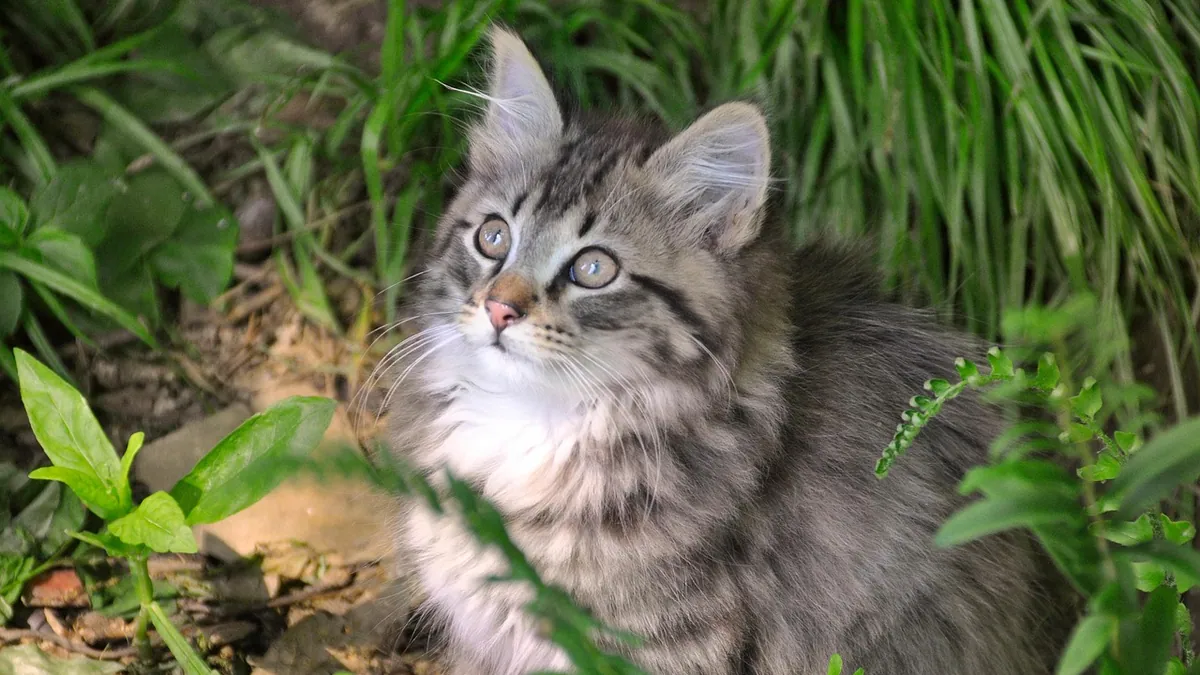
Is button fern toxic to cats? No. Button ferns (Pellaea rotundifolia) are considered non-toxic to cats, and they are not on the list of houseplants commonly linked to pet poisoning [1]. That means a curious cat who nibbles a leaf is unlikely to become seriously ill from the plant itself. This article is educational and is not a substitute for veterinary diagnosis or treatment.
Quick Answer
- Button fern is generally regarded as cat-safe, so you do not need to rehome it out of fear of poisoning.
- The plant itself is not the main risk. Fertilizer, pesticide residue, and moldy soil are more likely to upset a cat than the fern.
- Eating a lot of plant material can still cause vomiting or diarrhea from simple stomach irritation, even when the plant is non-toxic.
- If your cat eats button fern and seems fine, watch for drooling, vomiting, or diarrhea over the next few hours.
- If your cat has repeated vomiting, trouble breathing, weakness, or a swollen face, call your veterinarian or a pet poison hotline right away.
Is Button Fern Toxic to Cats?
Button fern is widely grown as a houseplant because it is small, tough, and tolerant of normal indoor conditions. In veterinary toxicology, it is not grouped with the plants that cause serious poisoning in cats. Reviews of indoor plant poisoning in companion animals focus on other species, such as lilies, cycads, and plants containing cardiac glycosides, oxalates, and similar toxins [1][2]. Button fern does not appear among those high-risk plants.
That said, "non-toxic" does not mean "edible." Cats are obligate carnivores, and plant material is not part of a healthy diet for them. A cat that chews on a fern may swallow fibers that irritate the stomach and intestines. The result is usually mild and short-lived.
Which Parts of the Plant Are Involved?
The leaves and stems are the parts a cat is most likely to chew. There is no known toxic principle in button fern that targets the kidneys, heart, or nervous system in cats. The roots and potting soil are less appealing to most cats, but some cats dig and chew them anyway. In that case, the soil, fertilizer, or any pest treatment on the plant is a bigger concern than the fern itself.
What About Ferns in General?
Not all plants called "ferns" are the same. Button fern belongs to a different group than many outdoor ferns, and toxicity varies by species. If you are unsure which fern you own, treat it as unidentified until you can confirm the species. For a broader look at plants that do cause problems, see Plants Toxic To Cats and What Plants Can Be Toxic To Cats.
The Toxic Principle and What It Does in the Body
Button fern does not have a documented toxic principle that causes poisoning in cats. Plant toxicity in animals comes from a wide range of chemicals, including alkaloids, glycosides, proteins, and amino acids, and for some plants the exact toxic compound is still unknown [3]. Button fern is not one of the plants tied to those poisonings.
Because there is no known toxin, there is no specific organ damage to expect. If your cat vomits after chewing the fern, the most likely explanation is mechanical irritation of the stomach lining or a sensitive stomach reacting to unfamiliar plant matter. That is different from true toxicosis, where a chemical injures organs such as the kidneys or heart.
For contrast, some plants are genuinely dangerous. Lily ingestion has caused acute kidney failure in cats, and the toxic principle in lilies is still not known [4]. That is why lilies are handled as an emergency while button fern is not. If you want to compare safe and unsafe plants, Are Spider Plants Toxic To Cats and Are Snake Plants Toxic To Cats cover two other common houseplants.
Signs to Watch For and Their Timeline
Most cats that nibble a non-toxic plant show no signs at all. When signs do appear, they usually reflect mild gastrointestinal upset.
Common signs include:
- Drooling or lip smacking right after chewing
- One or two episodes of vomiting within a few hours
- Soft stool or mild diarrhea over the next day
- Refusing food for a short time
- Pawing at the mouth if a piece of stem is stuck
Serious signs are not expected from button fern alone. Seek care if you see:
- Repeated vomiting or vomiting that will not stop
- Blood in vomit or stool
- Weakness, wobbling, or collapse
- Fast or noisy breathing
- Swelling of the face, lips, or tongue
- Tremors, seizures, or unusual behavior
Timing matters. Signs from simple stomach irritation typically show up within minutes to a few hours of eating the plant. If your cat is normal 12 to 24 hours after a small nibble, serious poisoning is very unlikely. If signs start and keep getting worse, that is your signal to call for help.
What to Do Right Now
Stay calm and assess your cat first. If your cat is bright, alert, and acting normal after chewing a leaf, you can watch closely at home for the next few hours. Offer water and keep the plant out of reach in the meantime.
If your cat is vomiting, drooling heavily, or acting unwell, call for advice right away. You can contact:
- Your own veterinarian or the nearest emergency veterinary clinic
- ASPCA Animal Poison Control Center at (888) 426-4435
- Pet Poison Helpline at (855) 764-7661
Have this information ready: your cat's weight, how much plant you think was eaten, when it happened, and any signs you have seen. If you can, take a photo of the plant or bring a sample with you.
Do not induce vomiting unless a veterinarian tells you to. Making a cat vomit at home can cause choking, aspiration, or other harm, and it is not needed for a plant that is considered non-toxic. Do not give human medications, milk, or home remedies unless a veterinarian directs you.
If you are not sure whether your plant is really a button fern, treat the situation as unknown. A clear photo helps your veterinarian or a poison hotline identify it. House Plants Toxic To Cats Pictures can help you compare common look-alikes.
Veterinary Treatment
For a confirmed button fern nibble in a cat with mild or no signs, treatment is often supportive and simple. Your veterinarian may recommend monitoring at home, a bland diet for a day, or a short course of medication to settle the stomach. The dose of any medication is calculated by your veterinarian based on your cat's weight and health, so never use a leftover prescription or an over-the-counter product on your own.
If your cat has repeated vomiting or diarrhea, your veterinarian may give fluids under the skin or into a vein to correct dehydration. Blood work may be checked if your cat has other health problems or if the history is unclear. If a large amount of plant material was eaten, or if the plant was treated with fertilizer or pesticide, your veterinarian may recommend activated charcoal or other decontamination steps. Those decisions depend on the specific product involved and how long ago it was eaten.
In most cases, a cat that eats button fern does not need hospitalization. Care is focused on comfort, hydration, and watching for anything unexpected. If your cat already has kidney disease, heart disease, or diabetes, tell your veterinarian, because even mild illness can affect those conditions.
Outlook
The outlook for a cat that eats button fern is generally excellent. Because the plant is not considered toxic, most cats recover fully with no treatment or with simple supportive care. Mild stomach upset usually settles within 24 to 48 hours.
The picture is very different for truly toxic plants. In one report of six cats that ate Easter lily or tiger lily, three survived the acute kidney failure but went on to have chronic kidney failure, two died despite aggressive treatment including dialysis, and one was euthanized [4]. That contrast is why plant identification matters so much. Knowing your plant is a button fern can spare you and your cat an unnecessary emergency visit.
If your cat has ongoing vomiting, weight loss, or poor appetite after eating any plant, a routine veterinary visit is a good idea. Long-term problems are not expected from button fern, but they can happen for other reasons.
Prevention and Safer Alternatives
Prevention is mostly about management, not fear. A few simple habits keep cats and houseplants living together safely.
- Place button fern on a shelf, hanging basket, or windowsill your cat cannot reach.
- Offer cat grass or a cat-safe chew toy so your cat has an appropriate outlet for chewing.
- Use plain potting soil and avoid systemic pesticides or fertilizer spikes that a cat could dig up.
- Rinse leaves with water if you use any leaf shine or spray product.
- Check new plants before bringing them home, and keep the tag or a photo for identification.
- Keep lilies and other known toxic plants out of the house entirely, since even small exposures can be dangerous [4][2].
If you love houseplants, button fern is a reasonable choice for a cat household. Other commonly discussed options include spider plants and snake plants, though cat reactions to any plant can vary. You can read more about those in the linked articles above.
Limitations and When to Contact a Veterinarian
No article can examine your cat or identify your plant with certainty. Individual cases need a veterinarian who can ask questions, see your cat, and decide on testing or treatment.
Contact your veterinarian the same day if your cat:
- Vomits more than once or vomits for more than a few hours
- Has diarrhea that lasts more than a day
- Refuses food or seems painful or dull
- Ate a large amount of plant material or potting soil
Go to an emergency clinic now if your cat:
- Collapses, has a seizure, or cannot stand
- Breathes fast, noisily, or with effort
- Has a swollen face, lips, or tongue
- Vomits blood or has bloody stool
- Was exposed to a plant you cannot identify, especially a lily
Schedule a routine visit if your cat keeps chewing plants, has repeated mild stomach upset, or has a chronic condition that makes any illness riskier. When in doubt, a phone call costs little and can save a lot of worry.
Frequently Asked Questions
Is button fern toxic to cats?
No. Button fern is considered non-toxic to cats and is not among the houseplants linked to serious pet poisoning. A cat that chews a leaf may have mild stomach upset, but organ damage from the plant itself is not expected.
What happens if my cat eats a button fern leaf?
Most cats show no signs at all. Some may drool, vomit once, or have a soft stool because plant fiber irritates the stomach. Watch your cat for a few hours and call your veterinarian if signs are repeated or severe.
Should I make my cat vomit after eating button fern?
No, not unless a veterinarian tells you to. Inducing vomiting at home can cause choking or other harm, and it is not needed for a plant that is considered non-toxic. Call your veterinarian or a pet poison hotline for guidance instead.
Are all ferns safe for cats?
No. Fern is a broad common name, and different plants called ferns can have different properties. Confirm the exact species of your plant before assuming it is safe, and treat unidentified plants as a possible risk.
Can I keep a button fern in a home with cats?
Yes, many cat owners do. Keep it out of easy reach, use plain soil without pesticide spikes, and give your cat safe things to chew. If your cat keeps eating the plant and getting sick, move it to a room your cat cannot enter.
Related Articles
- Plants Toxic To Cats
- Are Snake Plants Toxic To Cats
- Are Spider Plants Toxic To Cats
- What Plants Can Be Toxic To Cats
- House Plants Toxic To Cats Pictures
- House Plants Toxic To Cat
- Are Ferns Toxic to Cats? Holly, Staghorn and More
- Are Maidenhair and Foxtail Ferns Toxic to Cats?
- Are Boston Ferns Toxic to Cats? Safe or Not?
References
- Indoor Companion Animal Poisoning by Plants in Europe. Frontiers in veterinary science, 2020.
- Potential plant poisonings in dogs and cats in southern Africa. Journal of the South African Veterinary Association, 2009.
- Poisonous plants. EXS, 2010.
- Acute renal failure caused by lily ingestion in six cats. Journal of the American Veterinary Medical Association, 2002.