Are Rhododendrons Toxic to Cats? Leaves, Flowers and Pollen
By Dr. Zubair Khalid, DVM, MS, PhD ·
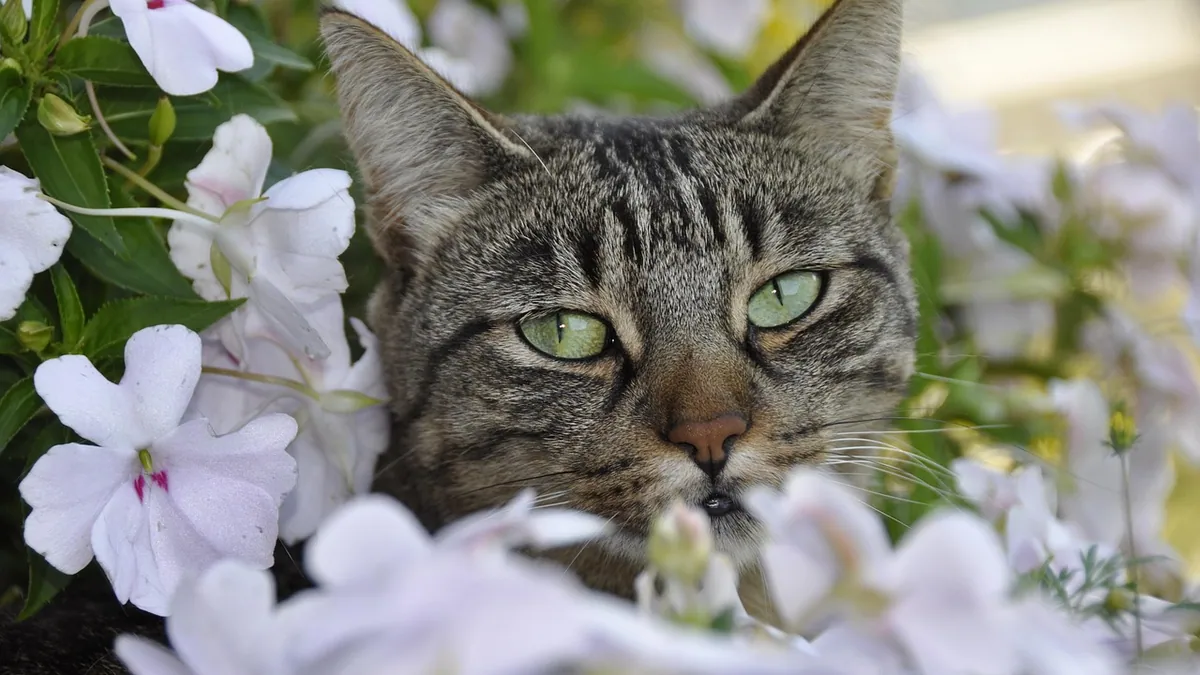
Are rhododendrons poisonous to cats? Yes. Every part of the plant, including the leaves, flowers, pollen, and nectar, contains toxins that can make a cat seriously ill. Even a small amount can cause problems, so treat any chewed rhododendron as an emergency.
This article is educational and is not a substitute for veterinary diagnosis or treatment.
Quick Answer
- All parts of a rhododendron are toxic to cats, including leaves, flowers, pollen, stems, and nectar [1].
- The poison is a group of toxins called grayanotoxins, which disrupt nerve and muscle function [1][2].
- Signs can include vomiting, diarrhea, drooling, weakness, a very slow heart rate, collapse, and death [1].
- Ingestion of just a few leaves can cause serious problems in a pet [1].
- Call your veterinarian, the ASPCA Animal Poison Control Center at (888) 426-4435, or Pet Poison Helpline at (855) 764-7661 right away. Do not wait for symptoms to start.
Are Rhododendrons Poisonous to Cats?
Yes. Rhododendrons are toxic to cats, and so are their close relatives, the azaleas [1]. The ASPCA lists Rhododendron species as toxic to cats, dogs, and horses, with grayanotoxin as the toxic principle [1]. This is not a mild stomach upset kind of plant. It affects the heart, nerves, and muscles, and it can kill.
The genus Rhododendron includes many garden and houseplant varieties. One common indoor type is Rhododendron simsii, sold as the florist azalea or Indian azalea. It belongs to the same group and carries the same risk. If you are wondering whether rhododendron simsii is toxic to cats, the answer is yes. The species name changes, but the toxin does not.
Are All Rhododendrons Toxic to Cats?
Yes. All rhododendrons and azaleas in the genus Rhododendron are considered toxic [1]. There is no safe variety you can bring home and trust around a cat. The ASPCA plant record covers Rhododendron spp. as a whole, not selected cultivars [1]. Other plants in the same family, including Pieris, Agarista, and Kalmia, also contain grayanotoxins [2]. If a plant is a rhododendron or an azalea, assume it is dangerous.
Are Rhododendron Leaves Toxic to Cats?
Yes, the leaves are toxic, and they are one of the most common parts a cat might chew. The ASPCA notes that ingestion of a few leaves can cause serious problems [1]. Dried or fallen leaves are still dangerous, so do not assume a dead leaf on the floor is harmless. A cat may bat at a dropped leaf, bite it, or groom it off a paw.
Are Rhododendron Flowers Toxic to Cats?
Yes, the flowers are toxic. Grayanotoxin is present in the flowers as well as the leaves [2]. A cat that nibbles a blossom, a petal, or a fallen flower head is still exposed. Cut flowers in a vase are a risk too, because a cat may drink the water or knock the arrangement over and chew the blooms. For a broader look at blooms that can harm cats, see Flowers That Are Toxic To Cats.
Is Rhododendron Pollen Poisonous to Cats?
Yes, pollen from these plants carries grayanotoxin. The toxin is found throughout the plant, and contaminated nectar and honey made from rhododendron flowers can cause poisoning in people and animals [2]. A cat walking through fallen pollen or brushing against blooms can pick up toxin on the coat and swallow it while grooming. Pollen is not the biggest dose a cat can get, but it is not harmless either.
What Makes Rhododendrons Toxic?
The toxic principle in rhododendrons is a group of compounds called grayanotoxins [1][2]. These are diterpene toxins found in several plants of the Ericaceae family, including Rhododendron, Pieris, Agarista, and Kalmia [2].
Grayanotoxins work by binding to sodium channels in nerve and muscle cells and preventing them from closing normally [2]. That leaves the channels stuck open, so cells stay in an excited state. The result is a flood of abnormal nerve signaling and a strong increase in vagal tone, which slows the heart and drops blood pressure [2]. The toxin interferes with normal skeletal muscle, cardiac muscle, and nerve function [1]. In plain terms, it scrambles the signals that keep the heart beating and the body moving normally.
Signs of Rhododendron Poisoning in Cats
Signs can appear within hours of ingestion. The ASPCA lists vomiting, diarrhea, drooling, weakness, coma, low blood pressure, depression of the central nervous system, cardiovascular collapse, and death [1]. A review of grayanotoxin poisoning in animals found that retching, regurgitation, and vomiting were common and may point to plant poisoning [3].
Watch for these signs:
- Vomiting or retching
- Diarrhea
- Heavy drooling or foaming at the mouth
- Weakness, wobbling, or trouble standing
- Slow heart rate (bradycardia)
- Low blood pressure
- Depression, dullness, or unresponsiveness
- Collapse
- Tremors or abnormal movements
- Difficulty breathing
Some of these signs are easy to miss early on. A cat that seems a little quiet or off balance after chewing a plant needs attention right away. The heart effects can be severe. In people, grayanotoxin poisoning is marked by dizziness, low blood pressure, and heart block, and animal cases tend to be more serious than human cases [2].
How Fast Do Symptoms Start?
Signs often begin within a few hours, but the exact timing depends on how much plant was eaten and how much toxin it contained. Do not wait for a timeline to play out. If you saw your cat eat any part of a rhododendron, call for guidance immediately, even if the cat looks fine.
What to Do Right Now
Act first, watch second. Do not wait for vomiting or weakness to appear.
- Move your cat away from the plant. Put the plant out of reach or in a closed room.
- Call your veterinarian, the ASPCA Animal Poison Control Center at (888) 426-4435, or Pet Poison Helpline at (855) 764-7661.
- Tell them what you saw. Say which plant part was chewed, roughly how much, and when it happened.
- Do not induce vomiting unless a veterinarian tells you to. Making a cat vomit on your own can cause harm, especially when the heart is already affected.
- Keep the plant or a photo of it. Identification helps the veterinarian plan treatment.
- Bring your cat in if you are told to. Do not delay for a "wait and see" period.
If your cat is collapsing, struggling to breathe, or unresponsive, go to the nearest emergency veterinary hospital now. Call on the way so the team can prepare.
How Veterinarians Treat Rhododendron Poisoning
There is no antidote that reverses grayanotoxin. Treatment is supportive and focused on stabilizing the heart, blood pressure, and breathing while the body clears the toxin.
Your veterinarian will likely start with a full physical exam and a heart rate and rhythm check. If ingestion was recent, they may induce vomiting in a controlled way and give activated charcoal to bind toxin still in the stomach. They may give intravenous fluids to support blood pressure and flush the system.
Because grayanotoxins slow the heart and can cause heart block, your cat may need continuous heart monitoring [2]. Some cats need medications to raise heart rate and blood pressure. Severely affected cats may need oxygen, and in rare cases, advanced cardiac support. Blood work helps the team check electrolytes, organ function, and overall stability.
The dose of any medication is calculated by the veterinarian based on your cat's weight, heart rhythm, and current health. There is no home dose you can give.
Outlook for a Cat That Ate Rhododendron
The outlook depends on how much was eaten, how quickly treatment started, and how the heart responds. Mild cases can recover with supportive care. Severe cases can progress to cardiovascular collapse and death [1]. Grayanotoxin poisoning is rarely fatal in people, but animal poisoning cases, including pets, can be much more serious [2].
A review of grayanotoxin poisoning in animals found reports involving companion animals including cats, dogs, rabbits, tortoises, and pigs [3]. Cats are not immune to the severe effects. Early treatment gives the best chance of a good outcome.
Preventing Rhododendron Poisoning
Prevention is simple. Keep these plants out of any home or yard a cat can reach.
- Do not keep rhododendrons or azaleas as houseplants if you have a cat.
- Do not bring cut rhododendron or azalea blooms indoors.
- Check outdoor landscaping before letting an indoor cat onto a patio or screened area.
- Rake and remove fallen leaves, petals, and flowers promptly.
- Keep vase water out of reach, since it can hold toxin from stems and flowers.
- Supervise outdoor time, or use a catio or harness and leash.
If you are choosing new plants, pick cat-safe options. Spider plants, Boston ferns, and most true palms are common alternatives. For a wider list of plants to avoid, see Plants Toxic To Cats and What Plants And Flowers Are Toxic To Cats.
Limitations and When to Contact a Veterinarian
This article gives general information, not a diagnosis. Every case is different, and only a veterinarian who examines your cat can decide what treatment is needed.
Contact a veterinarian the same day if your cat chewed any part of a rhododendron or azalea, even if it seems fine right now. Early signs can be subtle.
Go to an emergency hospital now if your cat is vomiting repeatedly, drooling heavily, weak, wobbly, collapsing, breathing hard, or hard to wake up. A slow heart rate or fainting is an emergency.
Schedule a routine visit if you are unsure whether a plant in your home or yard is a rhododendron or azalea. Bring a photo or a cutting so it can be identified.
Frequently Asked Questions
Can a cat survive eating a rhododendron?
Yes, some cats survive with prompt veterinary care, but the risk of death is real. The ASPCA lists cardiovascular collapse and death among the possible outcomes [1]. Survival depends on how much was eaten and how fast treatment began.
How much rhododendron does it take to hurt a cat?
Even a small amount can cause serious problems. The ASPCA states that ingestion of a few leaves can cause serious problems in pets [1]. There is no safe amount you can ignore.
Is azalea the same as rhododendron for cats?
Yes, azaleas belong to the same toxic group. The ASPCA lists azalea as another common name for Rhododendron species, and both are toxic to cats [1]. Treat an azalea exactly like a rhododendron.
Can my cat get sick from rhododendron pollen on its fur?
Yes, pollen carries grayanotoxin, and a cat can swallow it while grooming. The dose from pollen alone is usually smaller than from chewing leaves or flowers, but it is still a real exposure. Wipe your cat's coat with a damp cloth and call your veterinarian for advice.
Does cooking or drying rhododendron make it safe?
No. Drying, wilting, and cooking do not remove grayanotoxins. Dried leaves and fallen flowers remain toxic, so clean them up and keep them away from your cat.
Related Articles
- Flowers That Are Toxic To Cats
- Flowers Toxic To Cats
- What Flowers Are Toxic To Cats
- What Plants And Flowers Are Toxic To Cats
- Plants Toxic To Cats
- Are Orchids Toxic To Cats
- Are Azaleas Toxic to Cats? Flowers, Leaves, and Bushes
- Is Rhododendron Toxic to Dogs? Leaves, Flowers, Wood
- Is Holly Toxic to Cats? Berries, Leaves, and Signs
References
- Toxic and Non-toxic Plants: Rhododendron. ASPCA Animal Poison Control Center.
- Grayanotoxin poisoning: 'mad honey disease' and beyond. Cardiovascular toxicology, 2012.
- Grayanotoxin poisoning in animals following the ingestion of Ericaceae plants. Veterinary journal (London, England : 1997), 2026.