Is Satsuki Azalea Toxic to Dogs? Signs and What to Do
By Dr. Zubair Khalid, DVM, MS, PhD ·
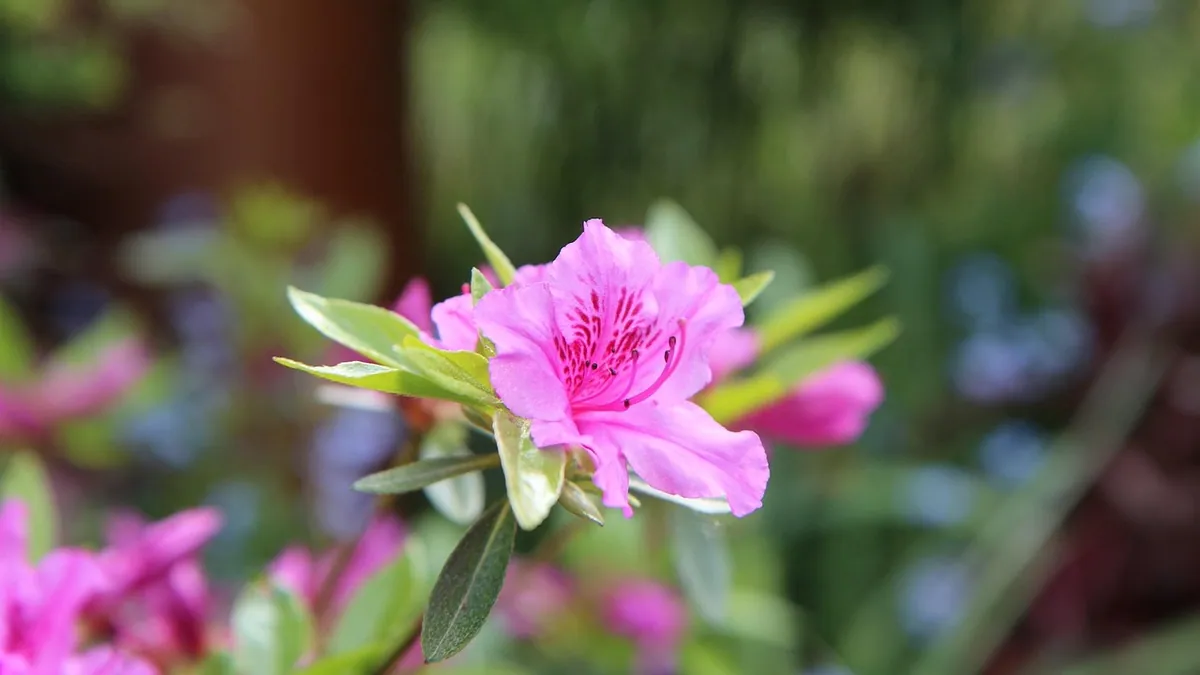
Azaleas, including satsuki azaleas, are toxic to dogs. Every part of the plant contains grayanotoxins, and even a small amount of leaf or flower can make a dog sick. If you are asking "is satsuki azalea toxic to dogs," the answer is yes, and any ingestion deserves a phone call to your veterinarian or a pet poison hotline.
This article is educational and is not a substitute for veterinary diagnosis or treatment.
Quick Answer
- Satsuki azaleas belong to the Rhododendron genus, and all Rhododendron species are toxic to dogs, cats, and horses [1].
- The poison is a group of compounds called grayanotoxins, which disrupt sodium channels in nerve and muscle cells, including the heart [2].
- Common signs include drooling, vomiting, diarrhea, weakness, and abnormal heart rhythms [1][3].
- Call your veterinarian, the ASPCA Animal Poison Control Center at (888) 426-4435, or Pet Poison Helpline at (855) 764-7661 right away, even if your dog seems fine.
- Do not make your dog vomit unless a veterinarian specifically tells you to.
Is Satsuki Azalea Toxic to Dogs?
Yes. Satsuki azalea is a cultivated variety of azalea, and azaleas are rhododendrons. The ASPCA Animal Poison Control Center lists azalea (Rhododendron spp.) as toxic to dogs, cats, and horses, with grayanotoxin as the toxic principle [1]. Satsuki azaleas are not a special exception. If a plant is called an azalea or a rhododendron, treat it as poisonous.
Which Parts of the Plant Are Poisonous?
All parts contain grayanotoxins. That includes the leaves, flowers, stems, and nectar. A review of grayanotoxin poisoning in animals found that Rhododendron species were among the most frequently reported plants causing this type of poisoning [3]. In livestock, leaves were the plant part most often linked to poisoning, and a 2024 review of plant poisonings noted that leaves were the most toxic plant part across many poisonous species [4].
What About "Mad Honey"?
Bees that feed on rhododendron flowers can produce honey contaminated with grayanotoxins. In people, eating this "mad honey" causes dizziness, low blood pressure, and heart block [2]. Dogs are not typical honey thieves, but a dog who eats a jar of dark, bitter honey from an azalea-heavy region could be at risk. This is uncommon in the United States, but it is worth mentioning to your veterinarian if you know your dog got into honey.
How Much Is Dangerous?
There is no simple, safe cutoff for dogs. The best available dose estimate comes from livestock research, where a toxic dose of about 0.1 percent of body weight in fresh foliage has been estimated for ruminants [3]. That number does not transfer directly to dogs, and no reliable dog-specific toxic dose is well established in veterinary research. A few leaves can cause signs in a small dog, while a large dog might eat more before showing obvious symptoms. Because the heart can be affected, the amount eaten matters less than getting advice quickly.
What Grayanotoxins Do in the Body
Grayanotoxins are diterpene compounds found in several plants in the Ericaceae family, including Rhododendron, Pieris, Agarista, and Kalmia [2]. These toxins bind to sodium channels in excitable cells and keep them from inactivating normally. The result is continuous, increased vagal tone, which slows the heart and can trigger dangerous rhythm changes [2]. In practical terms, the toxin keeps nerve and muscle cells switched on when they should be resetting.
That is why the signs are not limited to the stomach. A dog may vomit and drool, but the more serious concern is what happens to the heart and circulation. In alpacas poisoned by rhododendron leaves, veterinarians documented salivation, dehydration, decreased stomach motility, uncoordinated regurgitation, and cardiac arrhythmia [5]. Those animals also developed metabolic acidosis, azotemia, low sodium, and high potassium [5]. Similar electrolyte and acid-base problems can occur in dogs, which is one reason bloodwork matters.
Signs of Satsuki Azalea Poisoning in Dogs
Signs usually start within a few hours of eating the plant. The exact timeline depends on how much was eaten, how much was digested, and your dog's size and health. Watch for any of the following.
Early Signs
- Drooling or salivation [5]
- Vomiting, retching, or regurgitation [1][3]
- Diarrhea [1]
- Loss of appetite
- Acting dull or depressed
Signs That Mean Emergency
- Weakness, wobbliness, or collapse
- Slow heart rate or an irregular pulse
- Pale gums or a slow capillary refill
- Tremors or seizures
- Difficulty breathing
- Vomiting that will not stop
Cardiac failure is listed among the possible clinical signs of azalea poisoning in dogs [1]. Grayanotoxin poisoning in humans is rarely lethal, but poisoning in cattle and pets can be fatal [2]. Do not wait for severe signs before calling for help.
What to Do Right Now
- Move your dog away from the plant. If there are clippings, mulch, or fallen flowers nearby, pick them up and put them out of reach.
- Call for advice. Contact your veterinarian, the ASPCA Animal Poison Control Center at (888) 426-4435, or Pet Poison Helpline at (855) 764-7661. These services can help you decide whether your dog needs to be seen.
- Do not induce vomiting unless a veterinarian tells you to. Making a dog vomit is not a home remedy you should try on your own. It can cause aspiration, and it may not remove enough plant material to matter.
- Save a sample. Take a photo of the plant or bring a piece of it with you. Identification helps the veterinarian confirm what your dog ate.
- Do not give food, milk, oil, or home remedies. These do not neutralize grayanotoxins and can complicate treatment.
- Go to the clinic if signs are present. If your dog is vomiting, weak, wobbly, or has a slow or irregular heartbeat, this is an emergency.
If your dog ate a plant and you are not sure what it was, the same steps apply. Our guide on what to do when a Dog Ate Toxic Plant walks through the first calls and what information to have ready. If you are sorting out whether a different household item is a problem, the same decision process applies to things like a pen or a peach pit.
How Veterinarians Treat Azalea Poisoning in Dogs
Treatment is supportive and focused on the heart, stomach, and electrolytes. Your veterinarian will decide the exact plan based on your dog's weight, signs, and test results.
Decontamination
If your dog was seen soon after eating the plant, the veterinarian may give activated charcoal to bind remaining toxin in the gut. In a report of grayanotoxin poisoning in goats after they ate Japanese pieris, animals were treated with activated charcoal within the first 24 hours, along with antibiotics, calcium borogluconate, and B vitamins [6]. That study involved goats, not dogs, so it does not define dog treatment, but it shows the general approach of early gut decontamination.
Heart and Fluid Support
Dogs with abnormal heart rhythms may need intravenous fluids, electrolyte correction, and medications to control heart rate and rhythm. Bloodwork can reveal acidosis, azotemia, and sodium or potassium abnormalities, as seen in poisoned alpacas [5]. Your veterinarian will set fluid rates and drug doses based on your dog's weight and condition.
Other Options
Intravenous lipid emulsion (ILE) has been used in grayanotoxin poisoning in goats, with some animals recovering after treatment [6]. This is not a standard first-line treatment for dogs, and its role in canine azalea poisoning is not well established. A veterinarian may consider it in severe cases.
What Not to Expect
There is no antidote that reverses grayanotoxin poisoning. Treatment buys time while the body clears the toxin and the heart stabilizes.
Outlook After Azalea Ingestion
The outlook depends on how much was eaten, how quickly treatment started, and whether the heart was affected. Mild cases with vomiting and drooling often do well with supportive care. Cases with significant heart rhythm problems are more serious and can be fatal [1][2]. Some animals in grayanotoxin case reports died despite treatment, and one goat treated with intravenous lipid emulsion later died of aspiration pneumonia [6]. That does not predict what will happen to your dog, but it shows why these cases need real medical care and not watchful waiting.
Preventing Azalea Poisoning in Dogs
The simplest prevention is to keep azaleas out of your dog's reach.
- Remove or fence off azalea shrubs if your dog digs, chews, or grazes.
- Rake up fallen flowers and leaves, especially after pruning.
- Do not compost azalea clippings where a dog can get into them.
- Train a "leave it" cue and supervise outdoor time.
- Check plant lists before adding anything new to your yard.
Safer Alternatives to Azaleas
If you want color without the risk, choose plants that are not in the grayanotoxin group. Avoid Rhododendron, Pieris, Agarista, and Kalmia species [2]. Ask your local nursery for dog-safe landscaping options, and confirm any plant's toxicity status before planting. If you are choosing between a few plants and one is questionable, our guide on toxic plants can help you think through the decision. For a comparison with a different plant concern, see our article on star fruit.
Limitations and When to Contact a Veterinarian
This article cannot tell you whether your specific dog will be fine. Individual cases need a veterinarian who can examine your dog, check the heart rate and rhythm, and run bloodwork if needed.
Call the same day if your dog ate any part of an azalea, even if your dog seems normal right now. Early advice can prevent a mild case from becoming a serious one.
Go to an emergency clinic now if your dog is weak, wobbly, collapsing, breathing hard, having tremors or seizures, or has a slow or irregular heartbeat. Vomiting that will not stop is also an emergency.
Schedule a routine visit if you are unsure whether your dog actually ate the plant, or if you want help planning a dog-safe yard. Bring a photo of the plant and note the time you think your dog ate it.
Frequently Asked Questions
How toxic is satsuki azalea to dogs?
It is toxic enough that any ingestion warrants a call to a veterinarian or poison control. All parts contain grayanotoxins, and the ASPCA lists azalea as toxic to dogs [1]. The heart can be affected, so this is not a plant to shrug off.
What happens if my dog eats azalea leaves?
Your dog may drool, vomit, have diarrhea, or act weak. More serious cases involve abnormal heart rhythms and collapse [1][3]. Signs often start within a few hours, so watch closely and call for advice right away.
Can a dog survive azalea poisoning?
Yes, many dogs survive with prompt supportive care. Survival depends on how much was eaten and whether the heart rhythm was affected. Some grayanotoxin poisonings in animals are fatal, so treatment should not be delayed [2].
Should I make my dog throw up after eating azalea?
No, not unless a veterinarian tells you to. Inducing vomiting at home can cause choking or aspiration, and it may not remove enough plant material. Call your veterinarian or a poison hotline first and follow their instructions.
Are azalea flowers more dangerous than the leaves?
Both are dangerous, and there is no part of the plant you can treat as safe. Leaves are the plant part most often linked to poisoning in livestock reports [4]. Flowers and nectar also contain grayanotoxins, so keep your dog away from the whole shrub.
Related Articles
- My Dog Ate a Mushroom: How to Tell If It's Toxic
- My Dog Ate a Peach Pit: Is It a Choking Hazard or Toxic?
- Dog Ate Toxic Plant
- Can Dogs Eat Star Fruit? Oxalate Nephrotoxicity Warning
- My Dog Ate a Pen: Is It Toxic or Just a Blockage Risk?
- Plants Poisonous To Dogs
- Are Azaleas Poisonous to Dogs? Leaves, Flowers, and Signs
- Are Hydrangeas Toxic to Dogs? Signs and What to Do
- Is Oleander Toxic to Dogs? Signs and What to Do
References
- Toxic and Non-toxic Plants: Azalea. ASPCA Animal Poison Control Center.
- Grayanotoxin poisoning: 'mad honey disease' and beyond. Cardiovascular toxicology, 2012.
- Grayanotoxin poisoning in animals following the ingestion of Ericaceae plants. Veterinary journal (London, England : 1997), 2026.
- An appraisal of traditional knowledge of plant poisoning of livestock and its validation through acute toxicity assay in rats. Frontiers in pharmacology, 2024.
- Rhododendron poisoning in alpacas (Vicugna pacos) in Northern Germany. Veterinary research communications, 2024.
- Treatment of pieris ingestion in goats with intravenous lipid emulsion. Journal of medical toxicology : official journal of the American College of Medical Toxicology, 2014.